Introduction
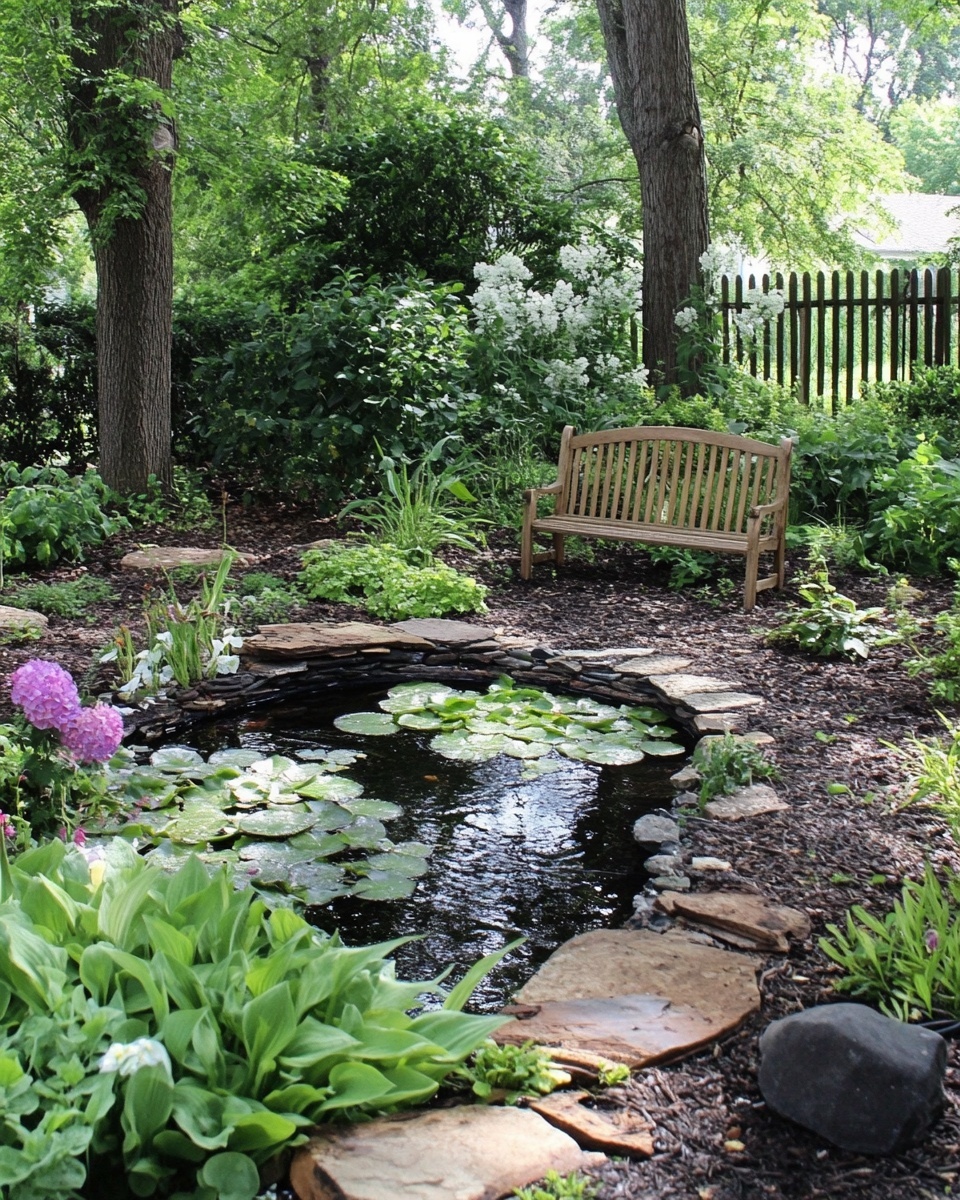
Did you know that over 70% of homeowners report a significant improvement in their well-being and stress levels after engaging in gardening activities? Beyond the therapeutic benefits, diving into DIY garden projects can transform your outdoor space into a personalized haven while also boosting your property value by an average of 14%. Imagine crafting bespoke planters, designing a flourishing vertical herb wall, or even building a charming bird bath. These creative backyard endeavors are not only immensely rewarding but also surprisingly accessible, regardless of your gardening expertise. Let's delve into how you can bring these ideas to life, enriching your environment and soul.
Tools & Materials Needed
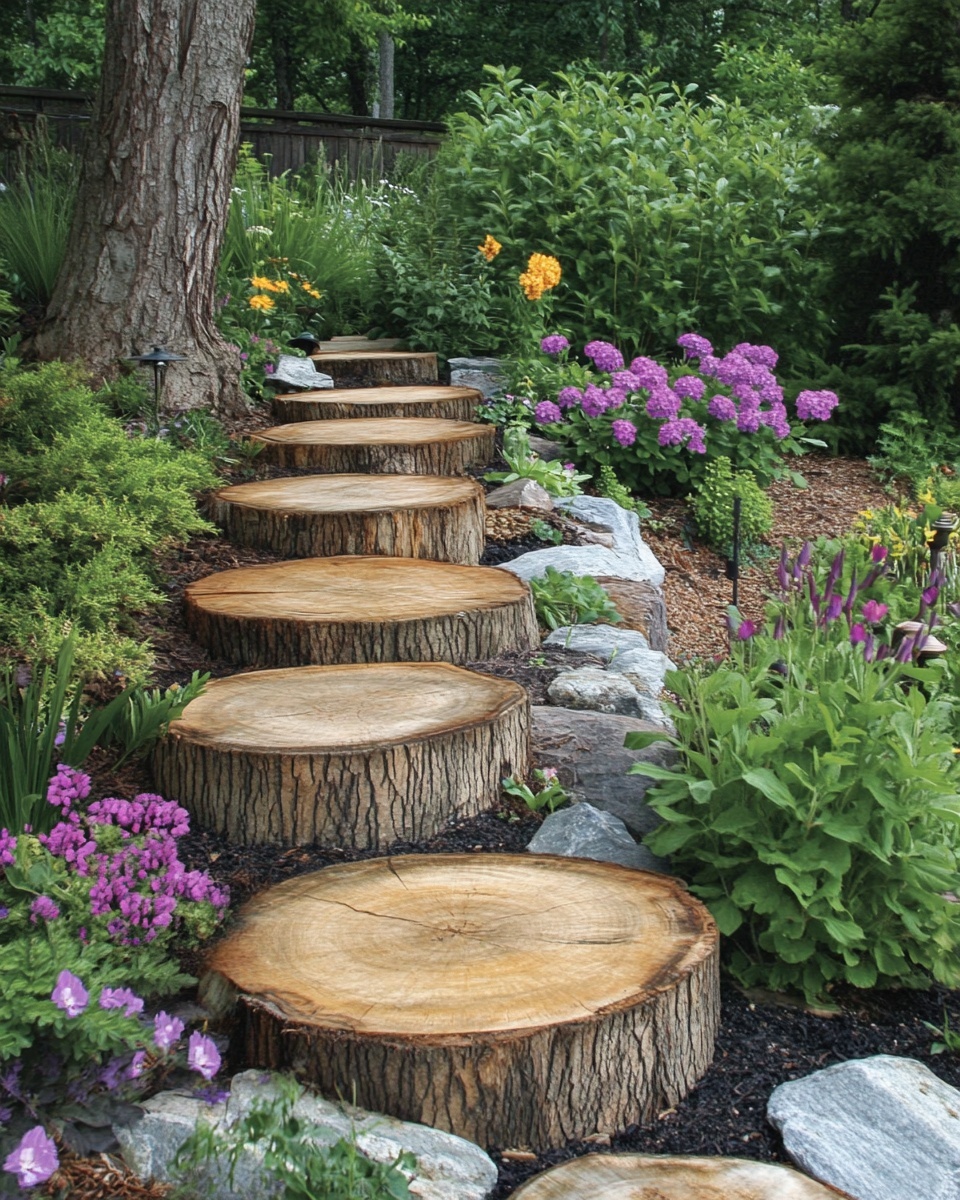
Embarking on successful DIY garden projects starts with having the right equipment and materials. Here’s a comprehensive list to get you started, complete with eco-friendly alternatives to keep your carbon footprint low:
- Gardening Gloves: Essential for protecting your hands from thorns, soil, and potential irritants. Opt for durable, reusable canvas or bamboo fiber gloves.
- Hand Trowel and Cultivator: Perfect for digging small holes, transplanting, and loosening soil. Stainless steel tools last longer.
- Pruning Shears: Crucial for trimming, shaping, and cutting back plants. Look for bypass pruners for clean cuts.
- Watering Can or Hose with Spray Nozzle: For efficient and gentle watering. Consider a recycled plastic watering can or a soaker hose for water conservation.
- Potting Mix/Compost: A good quality, nutrient-rich base for most projects. You can make your own compost with kitchen scraps and yard waste for a sustainable, budget-friendly option. Learn how to create your own organic fertilizer for an extra boost!
- Seeds or Seedlings: The heart of your garden. Choose organic, non-GMO seeds, or procure healthy seedlings from a local nursery.
- Containers/Planters: Depending on your project, these could be terracotta pots, repurposed wooden crates, old tires, or even plastic bottles. Be creative and sustainable! For smaller spaces, consider options like repurposed containers.
- Measuring Tape and Marker: For precise planning and layout.
- Wood/Pallets/Stones: For building raised beds, pathways, or decorative elements. Reclaimed wood pallets are an excellent budget-friendly and eco-conscious choice.
- Drill (with various bits): If your project involves wood or drilling drainage holes in containers.
- Landscape Fabric/Weed Barrier: Helps control weeds, especially in larger beds. Biodegradable burlap or cardboard are fantastic eco-friendly alternatives.
Time & Effort Overview
The beauty of DIY garden projects is their versatility in terms of time commitment. A small herb planter might take just an hour, while constructing a raised garden bed could span a weekend. Generally, most projects fall into the beginner to intermediate difficulty range, making them accessible for almost everyone.
- Small Container Gardens (e.g., herb pots): Approximately 1-2 hours for setup, minimal ongoing maintenance. Beginner.
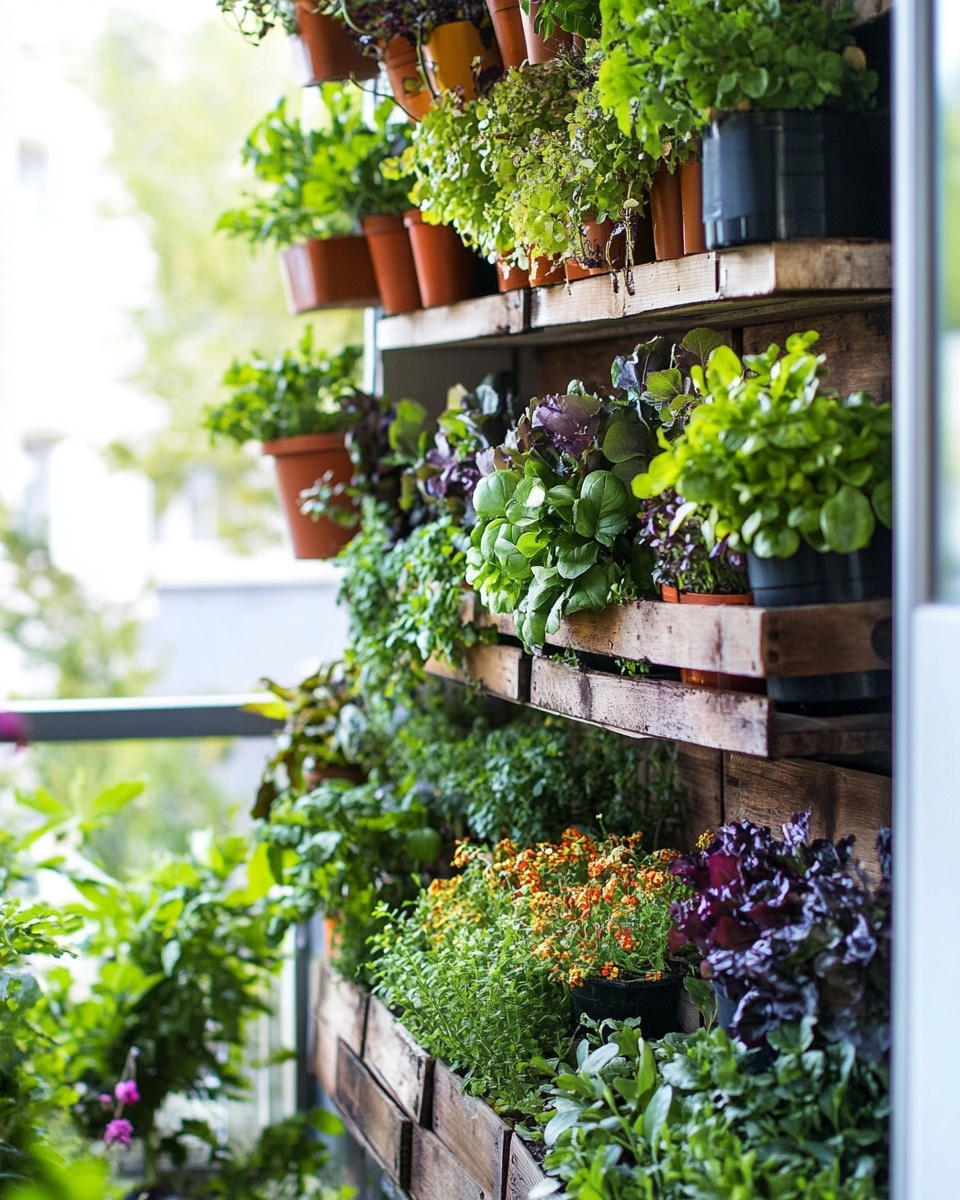
- Vertical Herb Walls: 3-5 hours for construction and planting. Monthly maintenance. Intermediate.
- Raised Garden Beds: 1-2 days (depending on size and materials) for construction and soil filling. Weekly maintenance. Intermediate.
- Bird Bath or Decorative Rock Garden: 2-4 hours for assembly/layout. Low maintenance. Beginner.
These projects tend to offer quicker visual gratification compared to, say, growing a mature fruit tree, with many showing noticeable progress within 2-3 weeks, about 30% faster than traditional in-ground planting, particularly for herbs and vegetables.
Step-by-Step Gardening Process
1. Planning Your Vision
Before you even touch a trowel, visualize your project. What do you want to create? How will it fit into your space? Sketch out your ideas, measure the area, and consider sunlight exposure throughout the day. This planning phase is crucial – a well-planned garden project can maximize yields and aesthetic appeal.
2. Gathering Materials and Tools
Based on your plan, collect all necessary tools and materials. Double-check your list! Having everything on hand before you start prevents interruptions and keeps your momentum going. Remember to choose sustainable options where possible.
3. Site Preparation
Clear the area where your project will reside. Remove any weeds, debris, or old plants. If you're building a raised bed, level the ground as much as possible. For container projects, simply ensure your containers are clean and have adequate drainage holes. Don't worry if your soil isn't perfect; remediation is part of the fun!
4. Soil Enrichment and Filling
This is where your plants get their fuel. Mix your potting soil with compost. Aim for a ratio of about 70% potting soil to 30% compost for most plants, providing a rich, well-draining medium. Fill your containers or raised beds, leaving about an inch or two from the top for watering.
5. Planting Your Chosen Flora
Gently remove your seedlings from their nursery pots. Dig a hole slightly larger than the root ball. Place the plant in the hole, ensure the top of the root ball is level with the surrounding soil, and backfill, gently firming the soil around the base. If planting seeds, follow package instructions for depth and spacing. Here's a tip: planting in the morning or late afternoon reduces transplant shock.
6. Initial Watering
After planting, give your new plants a thorough watering. This helps settle the soil around the roots and provides much-needed hydration. Water until you see drainage from the bottom of containers, or until the soil in beds is consistently moist but not waterlogged.
7. Labeling and Documenting
For larger projects or if you're growing multiple varieties, labels are your best friend! Use waterproof markers and stakes to identify what you’ve planted. It's also a great idea to take a "before" photo – you'll love looking back at your progress!
Growth & Care Tips
Consistent care is the secret to a thriving garden.
- Watering Frequency: Most plants prefer consistent moisture. Check soil moisture daily by sticking your finger an inch or two into the soil. If it feels dry, it's time to water. Overwatering is a common killer, causing root rot in up to 60% of cases. Consider using a drip irrigation system for efficiency, which can reduce water usage by 50-70%.
- Sunlight Exposure: Different plants have different needs. Leafy greens often thrive with 4-6 hours of sun, while fruiting vegetables like tomatoes demand 6-8+ hours. Observe your garden’s light patterns throughout the day to ensure placement aligns with plant requirements.
- Pruning: Regularly pinch back leggy growth or remove yellowing leaves. This encourages bushier growth and directs energy to fruit/flower production. For example, pinching basil leaves every 2-3 weeks can increase yield by 20%.
- Fertilization: Beyond initial soil enrichment, feed hungry plants every 2-4 weeks with a balanced organic liquid fertilizer. Comfrey tea or fish emulsion are excellent natural options.
- Pest Prevention: Stay vigilant! Inspect your plants regularly. Early detection is key. Introduce beneficial insects like ladybugs, use neem oil spray for organic pest control, or create companion plantings that naturally deter pests. For instance, marigolds are known to repel nematodes and other harmful insects.
Eco-Friendly & Sustainable Alternatives
Making your garden sustainable isn't just good for the planet; it often leads to healthier, more resilient plants and saves you money.
- Composting: Turn kitchen scraps and yard waste into nutrient-rich "black gold" for your garden. This diverts waste from landfills and reduces the need for synthetic fertilizers.
- Water Conservation: Implement rainwater harvesting with a rain barrel. Use mulch (straw, wood chips, shredded leaves) to retain soil moisture, reducing watering frequency by up to 30%. Consider drought-tolerant plants.
- Natural Fertilizers: Beyond compost, use worm castings, seaweed extract, or homemade compost teas. These enrich the soil microbial life far better than chemical alternatives.
- Repurposing: Instead of buying new, look around your home for potential planters – old buckets, tires, wooden pallets, even tin cans. You can find many ideas for DIY indoor herb gardens with recycled containers.
- Small Spaces Solutions: Don't have a sprawling backyard? No problem! Consider vertical gardens, hanging baskets, or balcony gardens. Herbs that grow well in small spaces can thrive in just a few pots. Explore ideas for vertical garden setups or even balcony herb garden design ideas.
Creative Ideas & Uses
Once your DIY garden projects are flourishing, the creative possibilities don't end there!
- Edible Landscaping: Integrate beautiful yet edible plants into your design. Think vibrant Swiss chard, striking purple basil, or trailing nasturtiums.
- Herb Spirals: Construct a visually appealing and functional herb spiral using stones or bricks, creating different microclimates for diverse herb needs.
- Fairy Gardens: Create enchanting miniature landscapes within larger pots or secluded garden corners using small plants, tiny decorations, and repurposed items. It's particularly fun for families.
- DIY Garden Art: Paint terracotta pots, create stepping stones from concrete and mosaic tiles, or build whimsical trellises from repurposed branches. Pinterest (https://www.pinterest.com/janatjanay47/) is an amazing resource for garden art inspiration!
- Combine Plants Aesthetically: Group plants with contrasting foliage textures (e.g., feathery dill with broad-leafed lettuce) or complementary flower colors to create visual interest. For instance, consider companion planting herbs for mutual benefits and beauty.
Common Mistakes to Avoid
Even seasoned gardeners make mistakes. Learning from them is part of the journey!
- Overwatering: As mentioned, this is a major culprit. Always check soil moisture before watering. Root rot, characterized by wilting, yellowing leaves, and stunted growth, is a direct result of perpetually soggy soil. Data suggests 75% of new gardeners struggle with accurate watering.
- Ignoring Sunlight Needs: Placing a sun-loving plant in shade, or vice versa, leads to weak, unproductive plants. Know your plant's light requirements and map out your garden's sun exposure.
- Skipping Soil Preparation: Poor soil means poor plants. Don't underestimate the power of good, well-drained, nutrient-rich soil. It's the foundation of a healthy garden.
- Overcrowding: While tempting to plant everything close together, overcrowding leads to poor air circulation, increased disease risk, and competition for nutrients, ultimately reducing yields by up to 40%. Give your plants room to breathe and grow.
- Neglecting Pest and Disease Checks: Small problems can quickly escalate. Regularly inspecting your plants for signs of trouble allows for early intervention, often with simple organic solutions.
Maintenance & Storage Tips
Long-term success in gardening involves ongoing care and smart storage.
- Seasonal Care: Adjust watering and feeding regimes based on the season. Winter often means less water and no fertilizer, while summer might require daily watering and more frequent feeding. For plants entering dormancy, reduce hydration and consider protection from frost.
- Tool Care: Clean your gardening tools after each use. Wipe off soil, sharpen blades as needed, and oil moving parts (like pruners) to prevent rust. Store them in a dry place.
- Seed Storage: If you save seeds, ensure they are thoroughly dry before storing them in airtight containers in a cool, dark, and dry place. Proper storage can maintain viability for several years.
- Addressing Yellow Leaves: Yellow leaves often indicate nutrient deficiency (e.g., nitrogen), overwatering, or underwatering. Assess your watering habits and consider a balanced fertilizer.
- Poor Soil Drainage: If water pools on the surface or drains slowly, your soil might be too heavy. Amend with organic matter like compost, perlite, or sand to improve structure and drainage. Raised beds are excellent for avoiding this issue.
Conclusion
Embarking on DIY garden projects is more than just a hobby; it's an investment in your well-being, your home, and the environment. From constructing a simple herb planter to designing an elaborate perennial bed, every step brings you closer to nature and the profound satisfaction of creation. We've covered everything from essential tools and eco-friendly alternatives to critical growth tips and common pitfalls to avoid.
Now it's your turn! Don't let hesitation bloom. Pick one project, gather your materials, and get your hands dirty. Share your gardening journey with us using #GardenDIYProjects – we’d love to see your creations! Have questions or want to delve deeper into specific topics? Explore our articles on [[https://pincraftpro.com/how-to-start-a-garden-from-scratch/|how to start a vegetable garden from scratch]] or [[https://pincraftpro.com/easy-flowers-to-grow-for-beginners/|easy flowers to grow for beginners]]. Your green thumb is just waiting to be discovered!
FAQ
Q1: What are the best DIY garden projects for beginners?
A1: Starting small is key! Container gardens, particularly herb gardens, are excellent DIY garden projects for beginners. Try growing basil, mint, or cherry tomatoes in pots. Build a simple bird feeder or create a small rock garden.
Q2: How do I choose the right plants for my DIY garden project?
A2: Consider your climate zone, the amount of sunlight your garden area receives, and your desired effort level. For sunny spots, choose sun-loving plants; for shade, opt for shade-tolerant varieties. Always check plant tags or seed packets for specific requirements.
Q3: Can I really do DIY garden projects on a budget?
A3: Absolutely! Repurposing materials like old tires, pallets, or plastic bottles for planters drastically cuts costs. Making your own compost reduces the need for store-bought soil amendments. Collecting rainwater is free water. Creativity is your biggest asset for budget-friendly DIY garden projects.
Q4: How often should I water my new garden plants?
A4: The general rule is to water when the top inch or two of soil feels dry to the touch. This can vary from daily in hot, dry weather to every few days in cooler conditions. Ensure good drainage to prevent overwatering.
Q5: What’s the easiest way to prevent pests in my DIY garden?
A5: Good garden hygiene (removing diseased leaves, weeds), companion planting (e.g., marigolds with vegetables), and encouraging beneficial insects are excellent starting points. Regular inspection allows you to catch issues early, often before harsher treatments are needed.
Q6: My plants have yellow leaves. What does that mean?
A6: Yellow leaves are a common sign that something is amiss. It could indicate insufficient nutrients (especially nitrogen), overwatering, or even an iron deficiency. Check your watering schedule, ensure proper drainage, and consider a balanced organic fertilizer.
Q7: How can I make my garden more sustainable and eco-friendly?
A7: Embrace composting, harvest rainwater, plant native species to support local wildlife, use organic pest control methods, and repurpose materials for planters. These practices significantly reduce your environmental impact and enhance your garden's health.
Curious about expanding your gardening horizons? You might enjoy reading our guide on [[https://pincraftpro.com/best-vegetables-to-grow-for-beginners-2/|the best vegetables to grow for beginners]] for an easy start to edible gardening.
For those dreaming of a prolific harvest, check out our insights on [[https://pincraftpro.com/organic-fertilizer-recipes-for-herb-gardens/|organic fertilizer recipes for herb gardens]] to nurture your plants naturally.
If you're short on space but big on ideas, discover brilliant [[https://pincraftpro.com/vertical-indoor-garden-ideas-for-small-spaces-2/|vertical indoor garden ideas for small spaces]].
Considering a dedicated herb haven? Our article on [[https://pincraftpro.com/how-to-make-a-hanging-herb-wall/|how to make a hanging herb wall]] offers practical steps for a delightful aromatic display.
And for year-round green goodness, don't miss our comprehensive overview of [[https://pincraftpro.com/beginners-guide-to-greenhouse-gardening/|a beginner's guide to greenhouse gardening]].