Introduction
Did you know that residents in urban environments contribute approximately 70% of global carbon dioxide emissions? It’s a staggering figure that highlights the urgent need for sustainable practices, even in our own homes. But what if we told you that transforming your compact outdoor space — be it a small balcony or a spacious rooftop — into a thriving haven for a balcony & rooftop garden could significantly impact both your personal well-being and the planet? Far from being a niche hobby, urban gardening is a powerful movement sweeping cities worldwide, offering a fresh breath of green air in concrete jungles. Imagine stepping out onto your own private oasis, surrounded by lush foliage, vibrant flowers, and fresh produce, all grown sustainably. This isn’t just about aesthetics; it’s about reconnecting with nature, reducing your carbon footprint, and enjoying the fruits (or vegetables!) of your labor. Let's delve into how you can create your very own eco-savvy balcony & rooftop garden that sings with life and sustainability.
Tools & Materials Needed
Embarking on your urban gardening adventure requires a few essential items. Think of these as your building blocks for a flourishing balcony & rooftop garden.
- Pots and Containers: The backbone of any container garden. Opt for diverse sizes and materials. Terracotta pots offer good breathability for roots, while plastic pots retain moisture longer (great for hot climates).
- Eco-friendly alternative: Repurpose old food-grade buckets, wooden crates, or even sturdy fabric grow bags. These are not only budget-friendly but also reduce waste. Look for containers with drainage holes, or drill them yourself.
- Quality Potting Mix: This is crucial! Don't skimp here. A good organic potting mix provides the right balance of nutrients, aeration, and drainage. Avoid using garden soil directly, as it can compact in containers and lack essential nutrients.
- Eco-friendly alternative: Create your own by mixing compost (if you have access to a composter), coco coir (a sustainable alternative to peat moss), perlite or vermiculite for drainage, and a handful of worm castings for a nutrient boost.
- Seeds or Seedlings: For beginners, starting with seedlings can be less daunting. Choose varieties known to thrive in containers and your specific climate. Consider herbs like basil, mint, and oregano, or compact vegetables like cherry tomatoes, bush beans, and lettuce.
- Small Gardening Tools: A hand trowel, pruning shears, and a watering can are your best friends.
- Budget-friendly alternative: You might already have old kitchen spoons or sturdy spatulas that can double as trowels.
- Watering System: A watering can is perfect for smaller balcony & rooftop gardens. For larger setups, consider a drip irrigation system for water efficiency.
- Fertilizer: Organic options like compost tea, fish emulsion, or slow-release organic granules are excellent for nurturing your plants.
- Support Structures (Optional): Trellises, stakes, or cages are useful for climbing plants like cucumbers or indeterminate tomato varieties.
Time & Effort Overview
Starting a balcony & rooftop garden can be surprisingly straightforward, making it an excellent project for gardeners of all levels.
- Initial Setup (Planting): Allow 2-4 hours, depending on the size of your garden and the number of plants. Setting up a small herb garden might take just an hour, while a more extensive vegetable patch could take a weekend afternoon.
- Daily Maintenance: Roughly 10-20 minutes. This includes checking moisture levels, light watering, and a quick inspection for pests.
- Weekly Maintenance: Around 1-2 hours. This involves more thorough watering, light pruning, fertilizing (if needed), and harvesting.
- Difficulty Level: Generally Beginner to Intermediate. Growing herbs and leafy greens is quite forgiving for novices. Tackling more complex vegetables like peppers or eggplants might push you into the intermediate category, requiring a bit more attention and understanding of plant needs. One of the best benefits of a container garden is that you can often provide more tailored care compared to a larger in-ground garden. For instance, compact tomato varieties bred for containers can grow and fruit 30% faster than their in-ground counterparts, often bearing fruit within 60-70 days!
Step-by-Step Gardening Process
Ready to get your hands dirty and transform your urban space? Let's walk through the steps to cultivate your vibrant balcony & rooftop garden.
Step 1: Choosing Your Plants Wisely
Start by assessing your sun exposure. Most vegetables and flowering plants need at least 6 hours of direct sunlight. Herbs like mint and parley are more tolerant of partial shade. Research varieties specifically labeled as "dwarf," "patio," or "container" friendly. This ensures they won't outgrow their pots too quickly and will produce well in confined spaces.
Step 2: Preparing Your Containers
Ensure your chosen pots have excellent drainage holes. If not, drill a few 1/2-inch holes in the bottom. A common mistake is using pots without proper drainage, which leads to waterlogging. Add a layer of gravel or broken terracotta pieces at the bottom of larger pots to improve drainage, though this is debated by some experts and not strictly necessary if your potting mix is well-draining.
Step 3: Filling with Quality Potting Mix
Fill your containers with your selected organic potting mix, leaving about an inch or two from the rim. Gently pat it down, but don't compact it too much; roots need air to breathe. A well-aerated soil structure is paramount for healthy root development in a balcony & rooftop garden.
Step 4: Planting Seeds or Seedlings
If planting seeds, follow the instructions on the seed packet for depth and spacing. For seedlings, carefully remove them from their nursery pots, gently tease apart any circling roots if they are root-bound, and place them in the prepared holes. Fill around them with more potting mix, ensuring the base of the plant is at the same level as it was in its original container. Don't worry if a few leaves get some soil on them; a good watering will clean them off.
Step 5: Initial Watering & Placement
Immediately after planting, water your garden thoroughly until water drains from the bottom of the pots. This settles the soil around the roots. Place your containers in their chosen spots, ensuring they receive the appropriate amount of sunlight mentioned in Step 1. Remember, even a slight change in orientation can affect light exposure for your plants.
Step 6: Ongoing Care and Nurturing
This is where the real joy of gardening begins! Regularly check your soil moisture; poke your finger an inch or two into the soil. If it feels dry, it's time to water. Consistency is key, especially for edibles. Apply organic fertilizer every 2-4 weeks during the growing season as per product instructions. Keep an eye out for pests and diseases, addressing them promptly with organic solutions like neem oil or insecticidal soap. Pruning spent flowers or overgrown foliage encourages more growth and better air circulation. It might seem like a lot, but you'll quickly develop an intuitive sense for your plants' needs.
Growth & Care Tips
Consistent care is the cornerstone of a vibrant balcony & rooftop garden.
- Watering Frequency: This is often the trickiest part. Overwatering is a common killer. Factors affecting watering needs include pot size, plant type, weather, and potting mix. As a general rule, check daily, and water when the top inch or two of soil feels dry. Smaller pots dry out faster. During hot spells, some plants might need watering twice a day. Data suggests that adequate but not excessive watering can increase yields in container vegetables by up to 15%.
- Sunlight Exposure: Most edibles require 6-8 hours of direct sunlight. Rotate your pots occasionally to ensure all sides of the plant receive adequate light. Leafy greens and many herbs can tolerate 4-6 hours of partial morning sun.
- Pruning: Regularly pinch off spent flowers to encourage new blooms (deadheading). For herbs and vegetables, prune to promote bushier growth and remove any yellowing or diseased leaves. This also helps improve air circulation, reducing fungal issues.
- Fertilization: Container plants rely entirely on you for nutrients. Organic, liquid fertilizers applied every few weeks are excellent. Compost tea is a fantastic booster. Look for fertilizers balanced for your plant type. For instance, fruiting plants benefit from higher phosphorus and potassium during their blooming and fruiting stages.
- Pest Prevention: Inspect your plants regularly. Early detection is crucial. Organic pest control methods include hand-picking visible pests, spraying with insecticidal soap (make your own with mild dish soap and water), or introducing beneficial insects like ladybugs. Consider companion planting – for example, marigolds deter nematodes and other pests.
Eco-Friendly & Sustainable Alternatives
Cultivating a sustainable balcony & rooftop garden is easier than you think, and it significantly reduces your environmental impact.
- Composting: If space allows, a small worm bin or Bokashi system can turn kitchen scraps into nutrient-rich compost for your plants. Even just burying scraps directly into larger pots (a method called trench composting) can enrich your soil.
- Natural Fertilizers: Beyond your own compost, consider options like kelp meal, alfalfa meal, or bone meal, which provide essential nutrients slowly and naturally. You can also make "compost tea" by steeping finished compost in water for a few days – a free, potent liquid feed!
- Water Conservation:
- Rainwater Harvesting: Even a simple rain barrel can collect enough water for your balcony & rooftop garden, reducing your reliance on municipal water.
- Mulch: Apply a layer of organic mulch (like straw, wood chips, or coco coir) on top of your potting mix. This significantly reduces water evaporation, keeps soil temperatures stable, and suppresses weeds. Studies show mulching can reduce watering needs by up to 25-50%.
- Self-watering planters: These clever containers have a reservoir at the bottom, allowing plants to draw water as needed, preventing both over and under-watering.
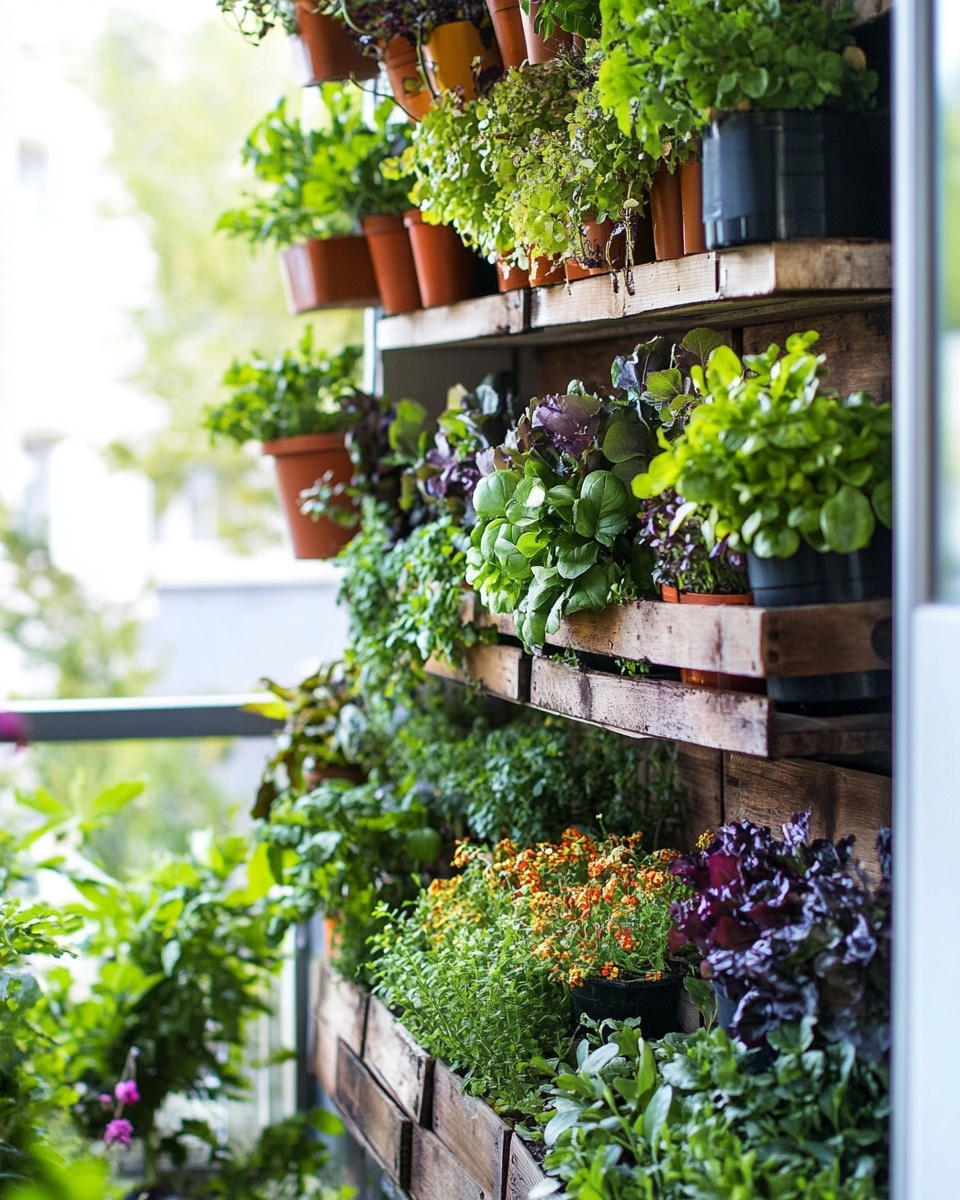
- Vertical Gardening: This is a game-changer for small balcony & rooftop gardens. Use vertical planters, hanging baskets, or DIY pallet gardens to maximize growing space without taking up precious floor area. This can efficiently double or even triple your growing capacity. If you're inspired by vertical solutions, explore ideas for vertical gardening, as seen on Pinterest: https://www.pinterest.com/janatjanay47/.
Creative Ideas & Uses
Your balcony & rooftop garden is more than just a place to grow things; it's an extension of your living space, a sanctuary, and a canvas for creativity.
- Aesthetic Layering: Combine plants of varying heights, textures, and colors to create visual interest. Taller plants like small tomato varieties can be at the back, with bushy herbs in the middle, and trailing plants like nasturtiums or strawberries spilling over the edges.
- Repurposed Decor: Give new life to old items. Use vintage teacups for succulents, old tires as raised beds (ensure they are safe and non-toxic), or wooden ladders as vertical plant stands. This adds character and aligns with sustainable principles.
- Edible Landscaping: Who says beauty can't be delicious? Integrate edible plants seamlessly into your design. Bush tomatoes intertwined with marigolds, or vibrant Swiss chard providing a splash of color alongside ornamental grasses.
- Herb Spiral: For a compact yet effective herb garden, consider a DIY herb spiral. Using bricks or stones, you create a raised, spiraling bed that provides different microclimates (dry on top, moist at the bottom) suitable for various herbs. It’s an efficient use of space for any balcony & rooftop garden.
- DIY Trellis Power: Build simple trellises from bamboo sticks or old branches. Not only do they support climbing plants, but they also add a rustic charm and can create living screens for privacy.
Common Mistakes to Avoid
Even seasoned gardeners make mistakes, but knowing the common pitfalls can save you a lot of heartache and ensure your balcony & rooftop garden flourishes.
- Overwatering: This is by far the most common gardening mistake. As mentioned earlier, overwatering causes root rot in approximately 60% of houseplants, and container plants are equally susceptible. Roots need oxygen, and saturated soil suffocates them. Always check soil moisture before watering.
- Insufficient Drainage: Pots without adequate drainage holes are a recipe for disaster. Standing water at the bottom of a pot will inevitably lead to root rot. If a pot lacks holes, drill them!
- Ignoring Sunlight Needs: Placing shade-loving plants in full sun or vice-versa will result in stressed, underperforming plants. Match your plant choices to your available light. A south-facing balcony will have different needs than a north-facing one.
- Using Garden Soil: Garden soil is heavy and compacts easily in containers, stifling roots and preventing proper drainage. It also often lacks the necessary nutrients or contains pathogens. Always use a high-quality potting mix specifically formulated for containers.
- Neglecting Fertilizer: Container plants deplete soil nutrients much faster than in-ground plants. Without regular feeding, they will become stunted and unproductive. Think of your pots as isolated ecosystems that need regular provisioning.
- Ignoring Pests and Diseases: A small infestation can quickly become an overwhelming problem, especially in confined spaces. Daily observation is your best defense. A swift, organic response to the first sign of trouble can save your entire balcony & rooftop garden.
- Choosing the Wrong Container Size: Plants need enough room for their roots to grow. A small pot for a large plant will stunt its growth and lead to frequent watering. Research the mature size of your plant and choose an appropriately sized container.
Maintenance & Storage Tips
Long-term success with your balcony & rooftop garden involves consistent maintenance and smart planning.
- Seasonal Rotation: As seasons change, so do light conditions. Be prepared to move pots to capture optimal sunlight or protect sensitive plants from harsh weather. For example, during scorching summers, moving plants to receive afternoon shade can prevent heat stress.
- Repotting: As plants mature, they may outgrow their containers. If you see roots circling the drainage holes or the plant looks generally stunted despite adequate care, it's likely time to repot into a larger container or divide the plant.
- Soil Amendment/Renewal: After a growing season, the nutrients in your potting mix will be depleted. For annuals, completely replace the soil. For perennials, you can remove the top few inches of old soil and replenish with fresh potting mix and compost.
- Winterizing: If you live in a colder climate, you'll need to protect non-hardy plants. This might involve bringing them indoors, moving them to a sheltered spot, or insulating pots. For empty pots, clean them thoroughly and store them in a dry place to prevent disease spores or pests from overwintering.
- Seed Storage: If you save seeds, ensure they are thoroughly dry before storing them in airtight containers in a cool, dark, and dry place. Proper storage maintains viability for future seasons.
- Addressing Yellow Leaves: Yellowing leaves often indicate a nutrient deficiency (especially nitrogen), overwatering, or underwatering. Check these factors first. Magnesium deficiency is also common in container plants and can be remedied with an Epsom salt solution.
- Poor Soil Drainage: If water sits on top of your soil for too long, it's a drainage issue. This can be due to compacted soil or insufficient drainage holes. Aerate the soil with a chopstick, add more perlite, or repot if necessary.
Conclusion
Creating and nurturing a balcony & rooftop garden is more than just a hobby; it's a lifestyle choice that enriches your environment, your plate, and your soul. From the satisfying crunch of a freshly picked lettuce leaf to the calming sight of bustling pollinators, the benefits are immense. By embracing sustainable practices and understanding your plants' needs, you're not just growing food or flowers; you're cultivating a greener, more mindful urban existence. We’ve covered everything from selecting the right tools and plants to eco-friendly care and common pitfalls. Now it’s your turn to breathe life into your personal urban oasis. So, what are you waiting for? Grab your trowel and start planting! We’d love to see your progress – share your balcony & rooftop garden photos with us on social media!
FAQ
Q1: What are the best plants for a beginner balcony & rooftop garden?
A1: For beginners, we highly recommend herbs like basil, mint, chives, and oregano, as well as leafy greens like lettuce and spinach. Cherry tomatoes and bush beans are also excellent choices as they are relatively easy to grow and produce bountiful harvests in containers.
Q2: How often should I water my balcony & rooftop garden?
A2: Watering frequency depends on several factors: plant type, pot size, weather, and potting mix. A good rule of thumb is to check the soil moisture daily by sticking your finger an inch or two deep. If it feels dry, it's time to water thoroughly until water drains from the bottom.
Q3: Can I use regular garden soil in my containers?
A3: No, it's strongly advised not to use regular garden soil in containers. Garden soil is too dense, compacts easily, and doesn't provide adequate drainage or aeration for container plants, which can lead to root rot. Always opt for a high-quality, well-draining potting mix.
Q4: My plants' leaves are turning yellow. What's wrong?
A4: Yellowing leaves can indicate a few issues, most commonly overwatering, underwatering, or a nutrient deficiency (often nitrogen). Check your watering schedule first. If that’s not the issue, consider giving your plants a balanced organic fertilizer.
Q5: How can I protect my balcony & rooftop garden from strong winds?
A5: Strong winds can be a challenge. Use heavier pots that are less likely to tip over. Group pots together to create a microclimate and provide mutual shelter. You can also install windbreaks like mesh screens or strategically place taller, sturdier plants. Choosing compact, low-growing varieties can also help.
Q6: What's the most effective way to deter pests organically in a balcony & rooftop garden?
A6: The best defense is regular inspection. Hand-picking visible pests is effective for small infestations. Insecticidal soaps, neem oil sprays, and introducing beneficial insects like ladybugs are excellent organic solutions. Companion planting, such as marigolds near vegetables, can also help.
Q7: Is it possible to grow vegetables on a shaded balcony?
A7: Absolutely! While most fruiting vegetables prefer full sun, you can successfully grow leafy greens (lettuce, spinach, kale), many herbs (mint, parsley, cilantro), and even some root vegetables (radishes) in partial shade (3-5 hours of indirect morning sun).
Explore more ways to cultivate your green thumb:
- Thinking about starting from scratch? Our guide on "How to Start a Vegetable Garden from Scratch" offers comprehensive advice for building your dream garden from the ground up.
- If you're eager to maximize your urban space, dive into "Vertical Indoor Garden Ideas for Small Spaces" for innovative ways to grow upwards.
- For those specifically interested in fragrant and functional plants, check out "Balcony Herb Garden Design Ideas" for inspiration on creating a thriving herb haven.
- Discover why some herbs just love growing together with "Best Companion Herbs to Grow Together" and elevate your herbal harvests.
- And if you're looking for sustainable ways to feed your beloved plants, don't miss "Organic Fertilizer Recipes for Herb Gardens" to craft your own nutrient-rich blends.