Introduction
Did you know that despite living in bustling urban centers, over 70% of people still crave a connection with nature, and many believe a thriving garden is out of reach without a sprawling backyard? This common misconception often prevents city dwellers from experiencing the joy and freshness of home-grown produce and vibrant botanicals. But what if I told you that your compact apartment balcony or even a sun-drenched rooftop could be transformed into a lush, productive garden oasis? Embracing Balcony & Rooftop Gardens isn't just a dream – it's an achievable reality that can dramatically enhance your urban living experience. Imagine stepping outside to pluck fresh herbs for dinner or unwinding amidst fragrant blooms. This comprehensive guide will equip you with the knowledge and inspiration to cultivate your very own green sanctuary, proving that even the tiniest spaces can yield abundant beauty and fresh bounty.
Tools & Materials Needed
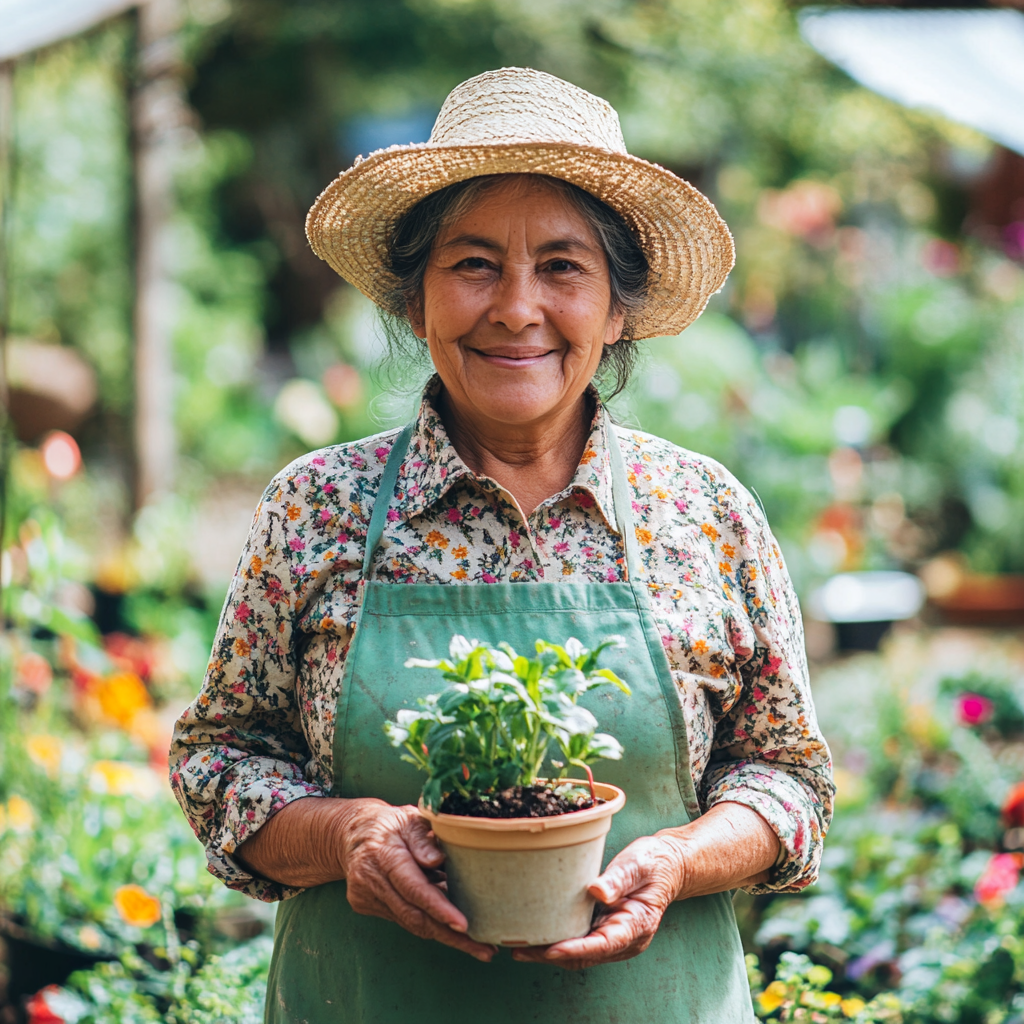
Embarking on your urban gardening adventure requires a thoughtful selection of tools and materials to ensure a successful Balcony & Rooftop Gardens project. Don't worry, you won't need a shed full of heavy equipment!
- Pots and Planters: Variety is key here. Consider lightweight terracotta, plastic, or fabric grow bags (eco-friendly!). Self-watering planters are excellent for busy gardeners. For larger edibles, opt for containers at least 10-12 inches deep.
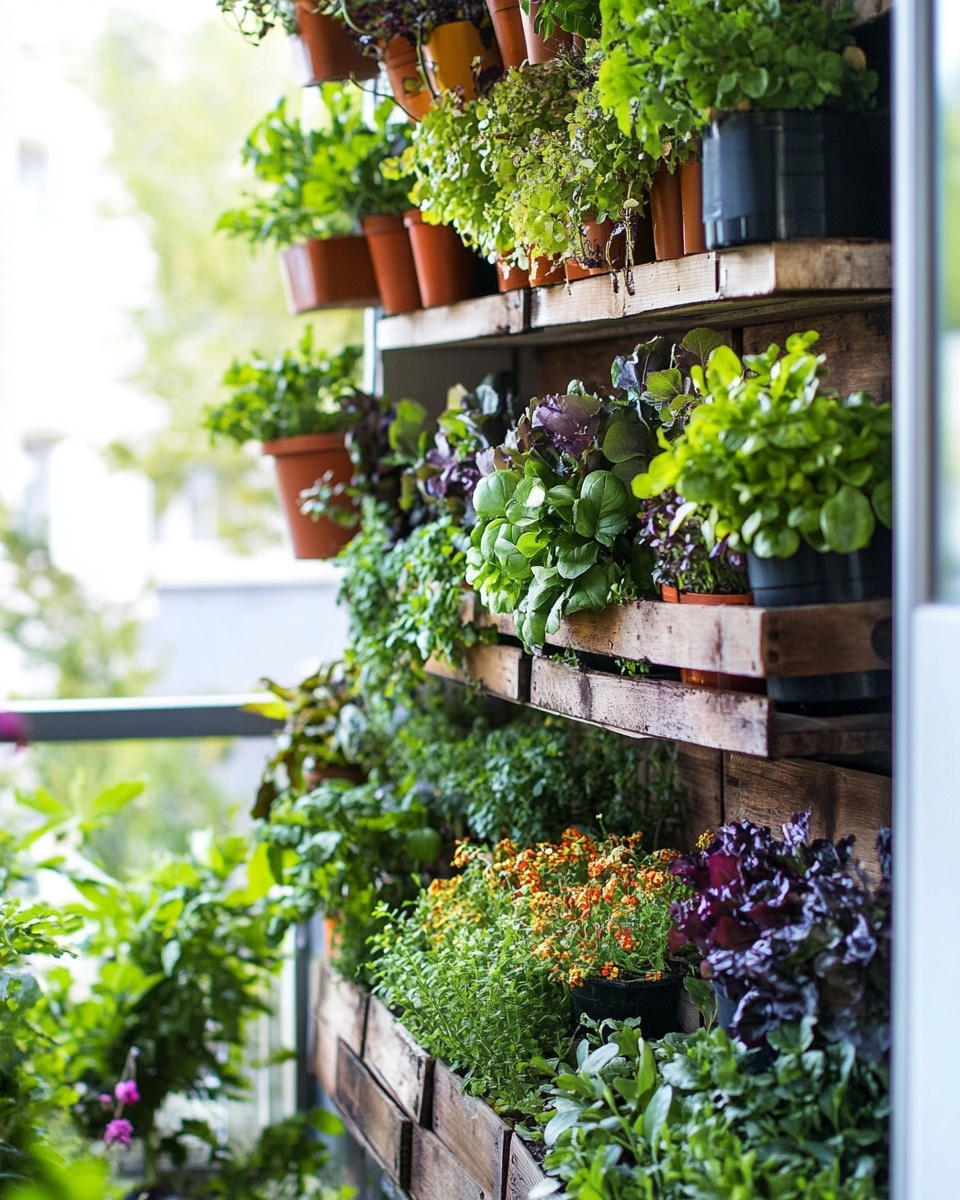
- Vertical Garden Planters: Maximize space with tiered planters, wall-mounted pockets, or repurposed pallet gardens. These are fantastic for greens, herbs, and small flowers.
- Quality Potting Mix: This isn't your backyard soil! A good potting mix is light, well-draining, and retains moisture. Look for mixes enriched with compost or perlite.
- Seeds or Seedlings: Start with what you love! For beginners, robust herbs (basil, mint, parsley), leafy greens (lettuce, spinach), and cherry tomatoes are excellent choices.
- Hand Trowel and Cultivator: Essential for digging small holes and loosening soil.
- Small Pruning Shears/Snips: For harvesting and light pruning.
- Watering Can with a Fine Rose: Gentle watering is crucial, especially for seedlings.
- Gloves: Protect your hands from dirt and thorns.
- Drainage Trays/Saucers: Absolutely vital to prevent water damage to your balcony and ensure proper drainage for plants.
- Eco-friendly soil alternatives: Consider coconut coir (peat-free and sustainable option) or making your own compost if you have space. For budget-friendly pots, repurpose old milk jugs, plastic bottles, or tin cans after thorough cleaning and adding drainage holes.
Time & Effort Overview
Starting a Balcony & Rooftop Gardens project can be remarkably time-efficient, especially compared to traditional ground-level gardening. Initial setup might take an afternoon, but the ongoing commitment is generally low, making it perfect for urban lifestyles.
- Initial Setup: Depending on the size and complexity of your garden, expect 2-4 hours for setting up planters, filling with soil, and planting seeds or seedlings.
- Planting: Sowing seeds typically takes minutes per pot. Transplanting seedlings is a bit faster, usually taking about 10-15 minutes for a handful of plants.
- Daily Maintenance: A quick check of watering needs and plant health might take only 5-10 minutes each day. Deep watering may be required every 1-3 days, depending on weather and plant type.
- Weekly Maintenance: Pruning, harvesting, and pest checks can take 15-30 minutes per week.
- Growth Rate Comparison: Many balcony-friendly herbs like basil can be ready for harvest in just 3-4 weeks from seed, growing approximately 30% faster than larger vegetables that require more root space. Lettuce can often be harvested using the "cut-and-come-again" method within 4-6 weeks.
- Difficulty Level: This project is wonderfully beginner-friendly. The contained nature of Balcony & Rooftop Gardens allows for controlled environments and easier problem-solving. Start with robust plants and gradually expand your repertoire.
Step-by-Step Gardening Process
Getting started with your own Balcony & Rooftop Gardens is simpler than you might think. Follow these concise steps for a thriving micro-farm!
1. Choose Your Location & Assess Sunlight
First, observe your chosen balcony or rooftop space. Does it get full sun (6+ hours), partial sun (3-6 hours), or shade? This will dictate what plants will thrive. South-facing balconies usually offer the most light, perfect for tomatoes and peppers. East-facing provides morning sun, ideal for leafy greens.
2. Select Your Plants Wisely
Based on your sunlight assessment, pick plants that will flourish. For sunny spots, consider cherry tomatoes, peppers, basil, rosemary, and many flowers. Shadier areas are great for mint, parsley, lettuce, spinach, and violas. Think compact varieties specifically bred for containers. Don't worry if you're unsure; many starter plants have tags indicating their light requirements.
3. Prepare Your Containers & Soil
Ensure all pots have drainage holes at the bottom. If they don't, drill a few (1/4 inch works well). Place a small piece of mesh or a coffee filter over the holes to prevent soil from escaping while allowing water to drain. Fill containers with high-quality potting mix, leaving about an inch of space from the rim. Good drainage is paramount for Balcony & Rooftop Gardens to prevent dreaded root rot, which accounts for nearly 60% of container plant failures.
4. Planting Your Seeds or Seedlings
If planting seeds, follow package instructions for depth and spacing. For seedlings, gently remove them from their nursery pots. Loosen any coiled roots, then place the seedling into its new home, ensuring the top of the root ball is level with the surrounding soil. Firmly but gently pat the soil around the base.
5. Initial Watering
Water immediately after planting. Give your newly planted seeds or seedlings a good, deep drink until water starts to drain from the bottom of the pot. This helps settle the soil and minimizes transplant shock.
6. Label Your Plants
A simple but crucial step! Use plant markers to identify what you’ve planted, especially if starting from seeds. You'll thank yourself later when all your little green sprouts look alike.
Growth & Care Tips
Consistent care is the cornerstone of successful Balcony & Rooftop Gardens. With a little routine, your plants will flourish.
- Watering Frequency: This is often the trickiest part. Container plants dry out faster than in-ground gardens. Check the soil moisture daily by sticking your finger about an inch deep. If it feels dry, it's time to water. In hot, windy weather, you might need to water twice a day. Overwatering is just as harmful as underwatering; it deprives roots of oxygen, leading to root rot. A study by the Royal Horticultural Society indicates that 75% of plant health issues are linked to incorrect watering.
- Sunlight Exposure: Most edibles require at least 6 hours of direct sunlight. Rotate your pots regularly to ensure all sides of the plant receive adequate light. If plants become leggy or stretched, they're likely not getting enough light.
- Pruning: Regular pruning, especially for herbs like basil and mint, encourages bushier growth and prevents plants from going to seed too quickly. For flowering plants, deadheading spent blooms will encourage new flowers.
- Fertilization: Potting mixes typically contain nutrients for about 4-6 weeks. After that, your plants will need a boost. Use a balanced liquid fertilizer every 2-4 weeks, diluting it according to package instructions. Organic options like fish emulsion or compost tea are fantastic for nourishing your Balcony & Rooftop Gardens.
- Pest Prevention: Integrated Pest Management (IPM) is key. Regularly inspect your plants for signs of pests (like aphids, spider mites, or whiteflies). A strong spray of water can dislodge many pests. Introduce beneficial insects like ladybugs, or use organic insecticidal soap for more stubborn infestations. Early detection is your best defense!
Eco-Friendly & Sustainable Alternatives
Cultivating a sustainable Balcony & Rooftop Gardens is both rewarding and environmentally responsible. Small spaces offer unique opportunities for green practices.
- Composting: Even in an apartment, you can compost! A small worm bin or an indoor compost tumbler can transform kitchen scraps into nutrient-rich "black gold" for your plants. This reduces waste and enriches your soil naturally.
- Natural Fertilizers: Beyond compost, consider DIY organic fertilizers. Banana peels steeped in water provide potassium, while crushed eggshells add calcium. Used coffee grounds can acidify soil and deter some pests.
- Water Conservation: Install drip irrigation systems for larger Balcony & Rooftop Gardens to deliver water directly to the roots, minimizing evaporation by up to 50%. Collect rainwater in a small barrel if permitted on your balcony or rooftop. Group plants with similar water needs together to optimize watering efficiency. Mulching the top of your pots with straw or wood chips also helps retain soil moisture.
- Recycled/Upcycled Planters: Give new life to old containers! Plastic bottles, tires, colanders, and even old boots can be transformed into quirky, functional planters. Remember to ensure adequate drainage.
- Vertical Gardening: This is a cornerstone of sustainable small-space gardening. Wall-mounted planters, repurposed palettes, or hanging shoe organizers allow you to grow more in less space, reducing the overall footprint and resource use. This is perfect for those aiming for productive Balcony & Rooftop Gardens.
Creative Ideas & Uses
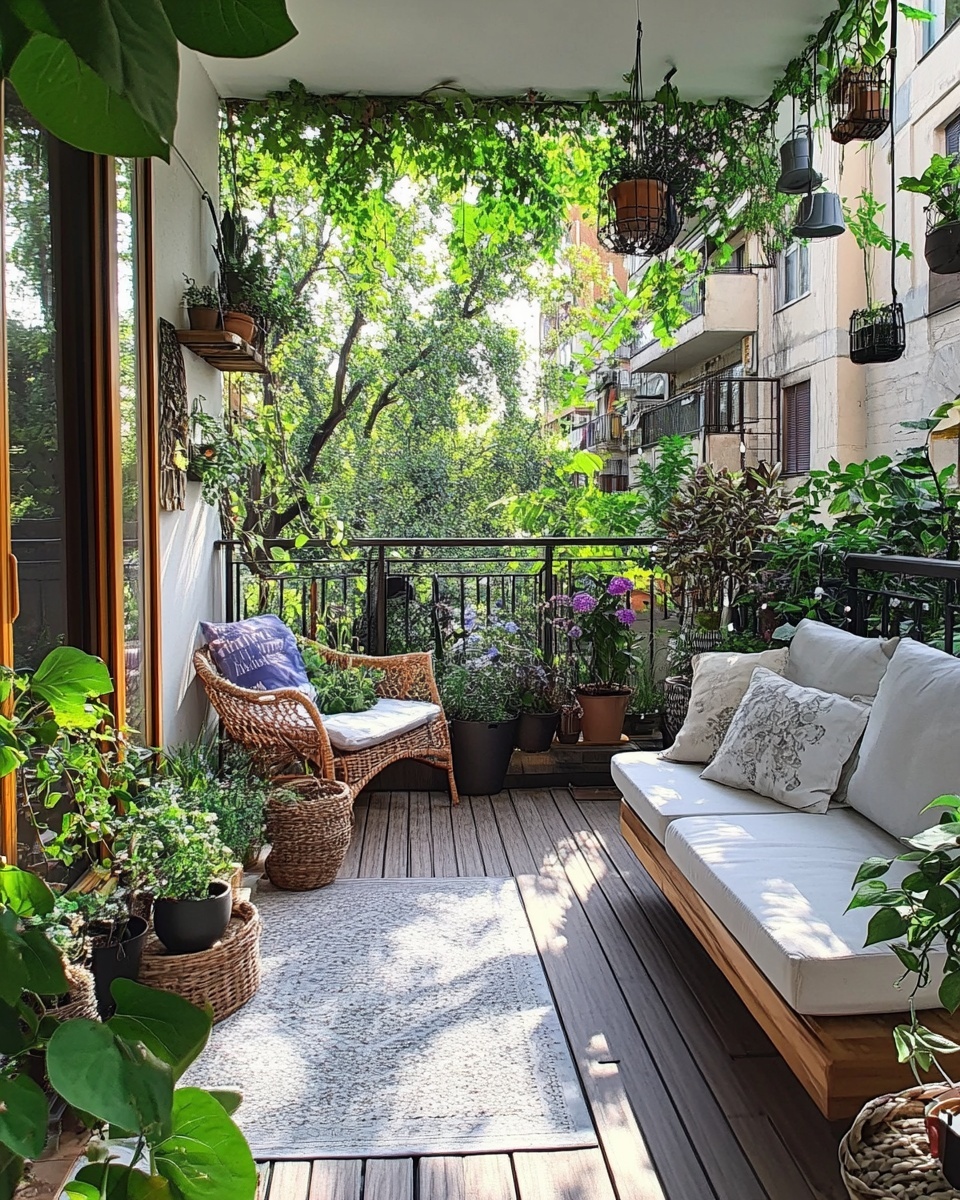
Your Balcony & Rooftop Gardens can be more than just a place to grow food; it can be an extension of your living space, a visual delight, and a personal sanctuary.
- Design with Layers: Create visual interest by varying plant heights. Tall plants like small trellised cucumbers or pole beans can form a living backdrop, while leafy greens and flowers fill the middle ground, and trailing plants cascade over the edges of your planters.
- Combine Edibles & Ornamentals: Don't limit yourself to just one kind of plant. Marigolds and nasturtiums not only add a splash of color but can also deter pests and are edible! Interspersing herbs like thyme or chives among flowers adds fragrance and utility.
- Repurpose for Decor: Old watering cans can become decorative planters, vintage crates can serve as planter boxes on wheels for easy rearrangement, and fairy lights can transform your garden into a magical evening retreat. Consider a DIY vertical garden using recycled materials like plastic bottles; you can find fantastic ideas on Pinterest for inspiration (check out this creative board: https://www.pinterest.com/janatjanay47/).
- Thematic Gardens: Create a "pizza garden" with tomatoes, basil, oregano, and bell peppers. Or perhaps an "herbal tea garden" featuring chamomile, mint, and lavender. A "sensory garden" can engage touch, smell, and sight with fragrant herbs, soft-leafed plants, and vibrant flowers.
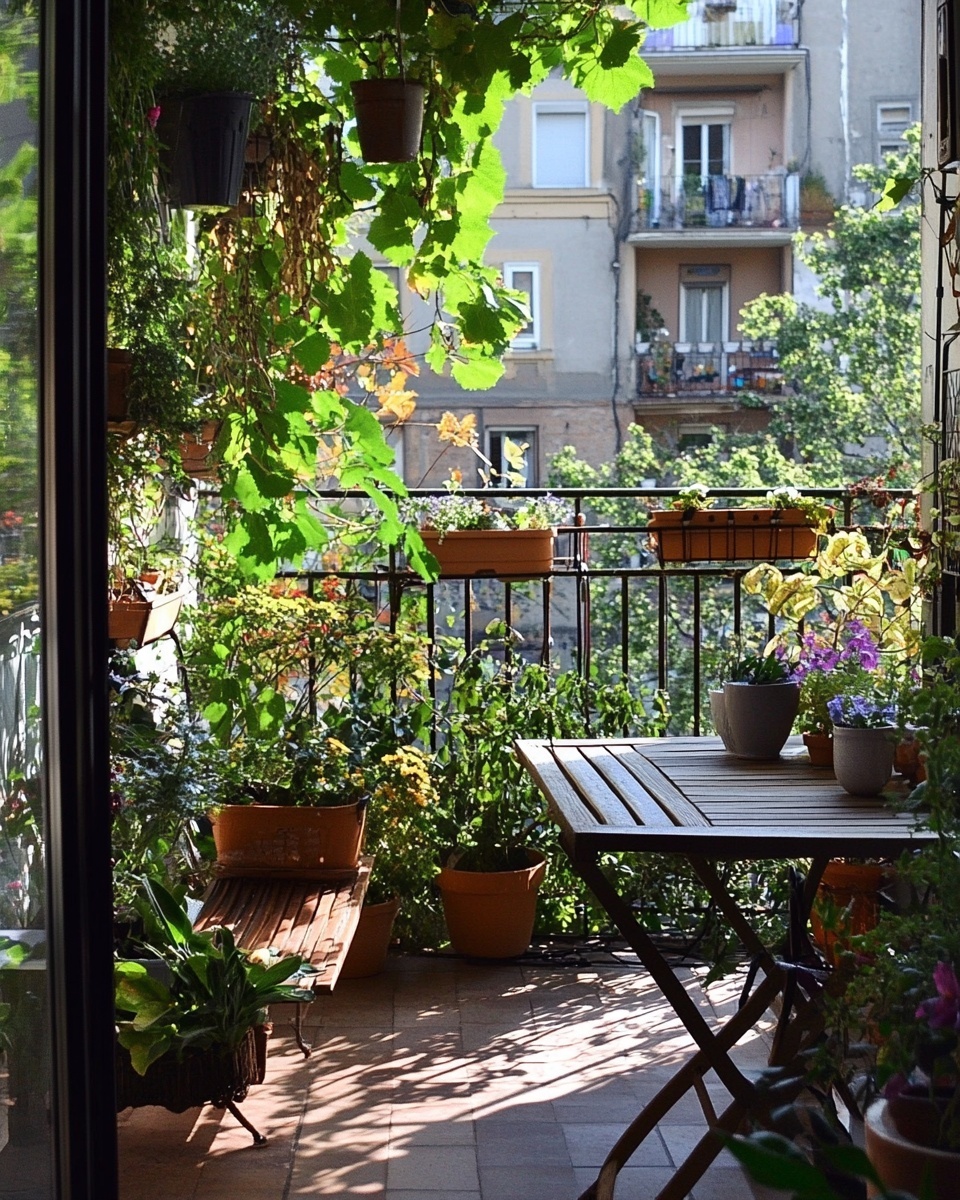
- Maximizing Small Spaces: For very tiny balconies, use railing planters, hanging baskets, and stackable planters. Think about bringing elements indoors during colder months. Balcony & Rooftop Gardens are all about clever solutions!
Common Mistakes to Avoid
Even seasoned gardeners make mistakes, and urban gardening comes with its own unique challenges. Awareness is the first step to prevention, safeguarding your thriving Balcony & Rooftop Gardens.
- Overwatering (or Underwatering): This is the number one killer of container plants. As mentioned, overwatering causes root rot in over 60% of houseplants and container gardens. Conversely, desiccated soil means roots can’t absorb nutrients. Always check soil moisture before watering.
- Ignoring Drainage: Pots without proper drainage holes will lead to soggy soil and quickly kill your plants. Ensure every container has them, and use saucers to prevent messy runoff.
- Not Enough Sunlight: Placing sun-loving plants in a shady spot will result in leggy, weak growth and poor yields. Know your plants' needs and your balcony's light profile before planting. Plants exhibiting etiolation (stretching towards light) are a clear sign of insufficient sun.
- Using Garden Soil in Pots: Garden soil is heavy, compacted, and can introduce pests and diseases. It doesn't drain well in containers. Always use a high-quality, lightweight potting mix specifically designed for containers.
- Neglecting Fertilization: Plants in containers quickly deplete nutrients from their small volume of soil. Without regular feeding, they will become stunted and unproductive.
- Ignoring Pest & Disease Signs: A small problem can quickly escalate. Regularly inspect your plants. Early intervention with organic pest control methods can save your entire Balcony & Rooftop Gardens. Studies show that inspecting plants daily can reduce pest damage by up to 40%.
Maintenance & Storage Tips
Long-term success for your Balcony & Rooftop Gardens relies on ongoing maintenance and smart storage solutions.
- Seasonal Care: As seasons change, so do your plants' needs. In warmer months, vigilant watering and feeding are crucial. During colder periods, consider moving tender plants indoors or providing protection (e.g., frost covers). Some annuals will complete their life cycle, requiring you to replant for the next season.
- Repotting: As plants grow, they may become root-bound, meaning their roots fill the entire pot. Signs include slowed growth, wilting despite watering, and roots growing out of drainage holes. Repot into a slightly larger container with fresh potting mix. This is vital for sustaining healthy Balcony & Rooftop Gardens.
- Harvesting Techniques: For leafy greens, harvest outer leaves so the plant can continue producing from the center. For herbs, snip off the top few inches regularly to encourage bushier growth. Proper harvesting stimulates further production.
- Seed Storage: If you're saving seeds from your plants, ensure they are thoroughly dry before storing. Place them in airtight containers (like glass jars or sealed envelopes) in a cool, dark, and dry place. Properly stored seeds can remain viable for several years.
- End-of-Season Cleanup: At the end of the growing season, remove all spent plants, clean pots thoroughly, and replenish or refresh your potting mix with compost. This prevents diseases from overwintering and prepares your containers for the next round of planting in your Balcony & Rooftop Gardens.
- Addressing Common Issues:
- Yellow Leaves: Often indicates overwatering or nutrient deficiency. Check soil moisture and feeding schedule.
- Wilting: Could be underwatering (soil very dry) or overwatering (roots rotting). Check soil and drainage.
- Poor Soil Drainage: Add more perlite or coarse sand to your potting mix for better aeration. Ensure drainage holes are clear.
Conclusion
Transforming your compact urban space into thriving Balcony & Rooftop Gardens is not just an aesthetic upgrade; it’s an investment in fresh produce, improved air quality, and a soothing connection to nature. We've explored everything from selecting the right tools and plants to mastering watering techniques and embracing sustainable practices. The data shows that even small green spaces significantly enhance well-being and environmental resilience in urban environments. So, don't let limited space limit your gardening dreams! Take that first step, plant a seed, and watch your urban oasis bloom.
Ready to dig in? Start your own Balcony & Rooftop Gardens today! Share your progress with us on social media, or tell us in the comments what you’re growing. For more inspiration and practical advice, explore our other guides:
- Thinking about starting from scratch? Dive into our detailed guide on How to Start a Vegetable Garden from Scratch, which offers foundational tips applicable to containers.
- If you're eager to grow delicious edibles, check out our recommendations for the Best Vegetables to Grow for Beginners – many of which are perfect for small spaces!
- For those keen on aromatic additions, discover the secrets to a delightful herb collection with our article on Balcony Herb Garden Design Ideas.
FAQ
Here are some frequently asked questions about creating lush Balcony & Rooftop Gardens:
Q1: What are the best plants for a beginner's balcony garden?
A1: For sunny spots, cherry tomatoes, bush beans, radishes, lettuce, spinach, and herbs like basil and mint are fantastic choices. For partial shade, consider leafy greens and herbs like parsley or chives. These are generally robust and forgiving, perfect for starting your Balcony & Rooftop Gardens journey.
Q2: How often should I water my balcony plants?
A2: Watering frequency depends on plant type, pot size, weather, and soil. The best method is to check the soil moisture daily by sticking your finger about an inch deep. If it feels dry, water thoroughly until it drains from the bottom. Overwatering is a common mistake for Balcony & Rooftop Gardens!
Q3: Can I grow vegetables in small pots?
A3: Absolutely! Many compact vegetable varieties thrive in small pots. Look for "dwarf," "patio," or "container" varieties of vegetables like tomatoes, peppers, eggplants, and cucumbers. Ensure the pot size is adequate for the plant's mature root system – at least 8-12 inches deep for most edibles.
Q4: How do I protect my balcony garden from strong winds?
A4: Strong winds can be a challenge for Balcony & Rooftop Gardens. Use heavier pots to prevent tipping, or secure lighter pots with ties. Consider placing taller plants against a wall or using a trellis for support. Windbreaks like screens or taller, sturdy plants can also help create a calmer microclimate.
Q5: What kind of soil should I use for a balcony garden?
A5: Always use a high-quality, lightweight potting mix specifically formulated for containers. This type of soil provides better drainage, aeration, and nutrient retention compared to heavy garden soil, which can compact and suffocate roots in a confined space.
Q6: My plants are turning yellow. What’s wrong?
A6: Yellowing leaves can indicate several issues. Most commonly, it's either overwatering (leading to root rot) or a lack of nutrients. Check your soil moisture first; if it's consistently soggy, reduce watering. If the soil is fine, consider fertilizing, as container plants quickly deplete nutrients.
Q7: How can I maximize space in my tiny balcony garden?
A7: Vertical gardening solutions are your best friend! Use wall-mounted planters, tiered shelving units, railing planters, and hanging baskets. Growing vining plants on trellises can also save valuable horizontal space, dramatically increasing the productivity of your Balcony & Rooftop Gardens.