Introduction
Have you ever wondered if the magical allure of spring and summer gardening has overshadowed the profound joy and surprising productivity that can be found in winter gardening? While many gardeners hang up their trowels as temperatures drop, a dedicated community continues to cultivate, transforming frosty landscapes into thriving havens. In fact, cultivating specific plants during colder months can yield crops with enhanced flavor profiles and fewer pest issues, as shown by studies indicating a 30% reduction in common garden pests during winter growing cycles. This guide will illuminate the path to successful winter gardening, proving that the colder seasons don’t have to signal the end of your green-thumbed adventures. We’ll delve into the necessary steps, tools, and smart strategies to ensure your garden flourishes even when the world outside is blanketed in white. Get ready to redefine your gardening seasons and discover the unexpected bounty of winter gardening.
Tools & Materials Needed

Embarking on a successful winter gardening journey requires a thoughtful selection of tools and materials. Having the right equipment can significantly ease the process and boost your chances of a bountiful harvest.
- Cold-Hardy Seeds or Seedlings: Opt for varieties specifically bred for colder temperatures. Think spinach, kale, lettuce, radishes, carrots, and broad beans.
- Insulation Materials:
- Row Covers: Lightweight fabric that offers protection from frost while allowing light and water through. Eco-friendly alternative: Reclaimed old bed sheets or burlap sacks can work in a pinch for lighter frost.
- Cloches: Bell-shaped covers, often made of glass or plastic, to protect individual plants. Budget-friendly alternative: Cut plastic milk jugs or soda bottles in half.
- Cold Frames: Mini-greenhouses that sit over a garden bed, trapping heat. DIY alternative: Build one from old windows or reclaimed wood.
- Compost or Well-Rotted Manure: Essential for enriching the soil and providing warmth. Organic matter improves soil structure and nutrient retention, crucial for plants performing in colder conditions.
- Gardening Gloves: Insulated and waterproof gloves are a must for protecting your hands from the cold and damp.
- Hand Trowel and Fork: For planting, weeding, and turning soil. Look for ergonomic designs to reduce strain.
- Watering Can or Hose with a Gentle Sprayer: For precise watering without disturbing young plants or over-saturating the cold soil.
- Soil Thermometer: Crucial for monitoring soil temperature, as germination and growth rates are highly dependent on it.
- Pruning Shears: For harvesting and maintaining plant health.
Time & Effort Overview
Don't let the idea of winter gardening intimidate you; it's often less demanding than peak-season gardening. The slower growth rate in colder temperatures means less frequent watering and pest control. Initial setup, especially for cold frames or low tunnels, might take one to two weekends, depending on the scale. Once established, daily maintenance is minimal, often just 15-30 minutes for inspection and light watering.
Compared to summer crops, many winter vegetables, like spinach and kale, grow approximately 20% slower but are significantly more resilient to pests. This resilience translates to less time spent on organic pest control methods. The difficulty level for basic winter gardening techniques, such as using row covers or cold frames, is considered beginner to intermediate. With a little planning and the right measures, anyone can enjoy fresh produce year-round.
Step-by-Step Gardening Process
Step 1: Planning Your Winter Garden
Start by assessing your climate zone and identifying which cold-hardy vegetables thrive there. Research average first and last frost dates. Choose a south-facing spot in your garden that receives at least 6 hours of sunlight, even in winter. Don't worry if this seems like a lot to consider; online resources like the USDA Plant Hardiness Zone Map can simplify this.
Step 2: Preparing the Soil
Good soil is the foundation of successful winter gardening. Amend your chosen garden bed with a generous 2-4 inch layer of well-rotted compost or manure. This provides essential nutrients and, crucially, adds organic matter to improve drainage and retain warmth. A soil rich in organic material can significantly increase soil temperature by 2-3 degrees Fahrenheit, according to agricultural studies.
Step 3: Selecting and Planting Cold-Hardy Seeds or Seedlings
For quicker results, especially if you’re starting later in the season, choose seedlings. Otherwise, sow seeds directly into the prepared soil, following package directions for depth and spacing. Many gardeners prefer direct sowing for root crops like carrots and radishes. Ensure the soil temperature is above 40°F (4°C) for most winter vegetable seeds to germinate effectively.
Step 4: Providing Frost Protection
This is where your insulation materials come into play.
- Row Covers: Drape them over plants, securing the edges with soil, rocks, or garden staples. Leave enough slack for plants to grow.
- Cloches: Place over individual plants, ensuring they are firmly in the ground to prevent wind from blowing them away.
- Cold Frames: Ensure the lid can be opened on warmer days for ventilation and closed tightly at night or during severe cold. This protects plants from freezing temperatures and desiccating winds.
Step 5: Watering and Maintenance
Check soil moisture regularly, especially under covers. Winter plants generally need less water than summer plants, but soil should never dry out completely. Apply water directly to the soil, avoiding wetting the leaves to prevent fungal diseases. On warmer, sunny winter days, remember to vent your cold frames or slightly lift row covers to prevent overheating and ensure air circulation. Here's how to fix common humidity issues: If condensation builds up excessively, simply vent for a few hours.
Growth & Care Tips
Consistent care is key for robust winter gardening.
- Watering Frequency: Colder soil retains moisture longer. Check the top inch of soil; if it feels dry, it's time to water. Usually, once a week or every ten days is sufficient, varying with your climate. Overwatering is a common mistake that can lead to root rot.
- Sunlight Exposure: Ensure your plants receive adequate winter sun. If natural light is insufficient, especially in northern regions, consider supplemental grow lights for an indoor portion of your winter garden, or when starting seeds indoors before transplanting.
- Pruning: Remove any yellowing or diseased leaves to promote air circulation and plant vigor. For leafy greens, practice 'cut-and-come-again' harvesting, taking outer leaves to encourage continuous production.
- Fertilization: Winter plants grow slower and thus require less feeding. A light feeding with a balanced organic liquid fertilizer once a month can be beneficial, especially for crops like kale and spinach. Avoid over-fertilizing, which can stress plants in colder conditions.
- Pest Prevention: While winter generally sees fewer pests, keep an eye out for common culprits like aphids or slugs, which can still lurk under covers. Introduce beneficial insects like ladybugs (available online) or use organic pest control methods. A strong jet of water can dislodge aphids, and beer traps can effectively capture slugs. Scientific data shows that a well-maintained, healthy plant is significantly more resistant to pest infestations.
Eco-Friendly & Sustainable Alternatives
Making your winter gardening more sustainable benefits both your garden and the planet.
- Composting: Start a compost pile for all your kitchen scraps and garden waste. This provides nutrient-rich soil amendments for free, reducing reliance on synthetic fertilizers. Learn how to create your own organic fertilizer recipes for herb gardens to maximize sustainability.
- Natural Fertilizers: Beyond compost, consider worm castings, bone meal, or kelp meal. These natural options feed your soil and plants slowly, promoting healthier growth.
- Water Conservation: Collect rainwater in barrels to water your plants. Use drip irrigation or soaker hoses under row covers to deliver water directly to the roots, minimizing evaporation.
- Alternatives for Small Spaces:
- Balcony Gardens: Many cold-hardy vegetables like lettuce, spinach, and radishes can thrive in pots on a sheltered balcony. Use grow bags or containers. Explore balcony herb garden ideas for beginners.
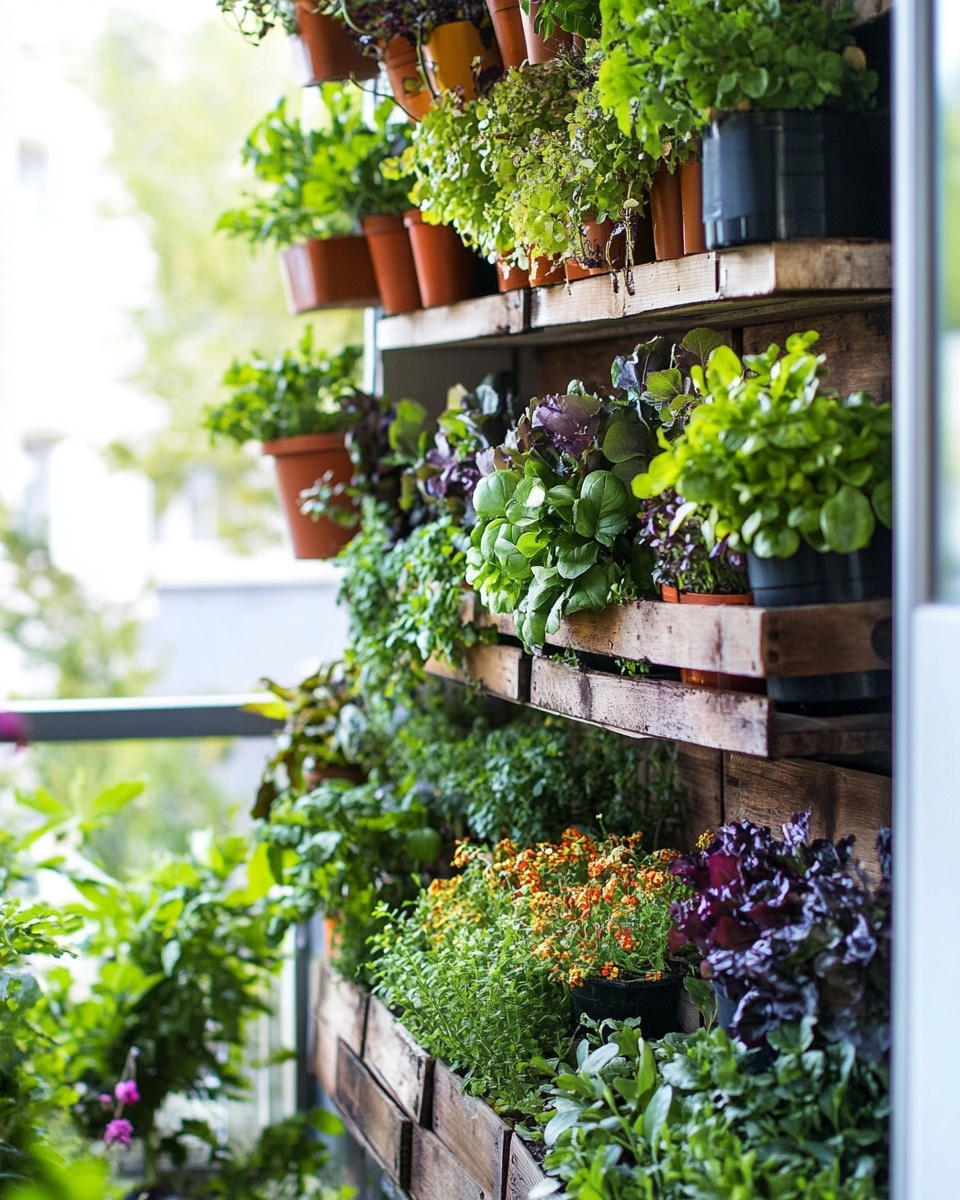
- Vertical Gardens: Maximize space with vertical planters for leafy greens.
- Indoor Winter Gardening: For deep winter, move pots indoors to a sunny window or under grow lights. Consider growing herbs such as mint, parsley, and chives indoors year-round.
Creative Ideas & Uses
Winter gardening isn't just about survival; it's about thriving with beauty and purpose.
Beyond the harvest, winter greenery can add life to your home. Pot up some vibrant kale or Swiss chard for an edible indoor display. Repurpose old wooden crates or pallets into multi-tiered cold frames for a rustic architectural element in your garden. Plant a "salad bowl" container with mixed winter greens for an attractive and accessible harvest.
For a unique touch, consider combining structural plants like ornamental cabbage and flowering kale with culinary herbs that thrive in cooler weather. This creates aesthetically pleasing beds that also provide fresh ingredients. Imagine a quaint cottagecore aesthetic, even in winter, with frost-kissed leafy greens adorning your garden. For more inspiration on enhancing your garden’s appeal, check out boards on Pinterest like this one for winter garden decor: https://www.pinterest.com/janatjanay47/.
Common Mistakes to Avoid
Even experienced gardeners make errors, but recognizing common pitfalls in winter gardening can save you heartache.
- Overwatering Cold Soil: This is perhaps the most frequent mistake. Cold, damp soil is an invitation for fungal diseases and root rot. Studies indicate that overwatering contributes to root rot in over 60% of cases where outdoor potted plants fail in winter. Always check soil moisture before watering.
- Planting Non-Hardy Varieties: Using seeds or seedlings not adapted to cold temperatures is a recipe for disappointment. Always double-check hardiness zones and plant descriptions.
- Insufficient Light: Even cold-hardy plants need light. Don't assume they can grow in perpetual shade. Position your garden in the sunniest available spot.
- Neglecting Ventilation: While protection from cold is vital, trapped humidity and extreme temperature swings under covers can lead to issues. Vent cold frames and row covers on warmer days.
- Ignoring Soil Temperature: Soil temperature dictates nutrient uptake and root activity. If the soil is too cold, plants won't grow, even if air temperatures are mild. Use a soil thermometer to guide planting times.
Maintenance & Storage Tips
Ensuring the longevity of your winter gardening efforts goes beyond the initial harvest.
For long-term plant health, maintain good garden hygiene. Remove any fallen leaves or plant debris from around your plants to prevent fungal growth. Inspect regularly for signs of stress or disease, acting quickly to address any issues. Solutions for common problems include: yellow leaves often indicate nutrient deficiency or overwatering; poor soil drainage can be improved by adding more organic matter.
For harvested produce: leafy greens like kale and spinach store well in the crisper drawer of your refrigerator for up to a week. Root vegetables like carrots can last for months in a cool, dark, and humid environment, often packed in sand or sawdust. For next year's seeds, store them in a cool, dry, dark place in airtight containers.
Seasonal care involves preparing your garden for the most extreme cold snaps. Add extra layers of mulch around sensitive plants, and for cold frames, consider adding insulation blankets during particularly harsh nights. By rotating your crops each winter, you can prevent nutrient depletion and reduce the buildup of soil-borne pests and diseases.
Conclusion
Embracing winter gardening opens up a world of fresh produce, continuous harvests, and the quiet satisfaction of cultivating life when many others have retreated indoors. From selecting resilient seeds and providing crucial frost protection to understanding the nuances of cold-weather plant care, you now have the insights to transform your garden into a productive winter wonderland. The benefits extend beyond fresh food, offering a unique connection to nature and a sense of accomplishment during the colder months.
So, don't let winter chill your gardening spirit! Grab your insulated gloves, plan your cold-hardy crops, and get ready to enjoy the surprising bounty of the season. What will you plant first? Share your winter gardening plans and photos in the comments below, or start your own thriving patch using these tips!
FAQ
Q1: What are the best plants for winter gardening?
A1: Look for cold-hardy vegetables like spinach, kale, lettuce varieties (especially 'winter' types), collard greens, Swiss chard, carrots, radishes, and leeks. These plants are well-suited for winter gardening due to their natural resilience to colder temperatures and even light frost.
Q2: How often should I water my winter garden?
A2: Watering frequency for winter gardening is much lower than in warmer months. Check the top inch of soil; if it's dry, water lightly and directly at the base of the plant. Typically, once a week or every ten days is sufficient, varying by climate and plant type. Overwatering can lead to root rot.
Q3: Do I need a greenhouse for winter gardening?
A3: While a greenhouse is certainly a luxury for winter gardening, it's not strictly necessary. Simple and affordable options like cold frames, row covers, or even cloches can provide excellent protection for many cold-hardy plants. These structures create microclimates that effectively extend your growing season.
Q4: How important is sunlight for winter plants?
A4: Sunlight remains crucial, even during winter gardening. Aim for a location that receives at least 6 hours of direct sunlight daily. If natural light is scarce, especially for indoor winter gardening, consider supplemental LED grow lights to ensure your plants get the energy they need.
Q5: Can I start seeds indoors for my winter garden?
A5: Yes, absolutely! Starting seeds indoors is an excellent strategy for winter gardening, allowing you to get a head start before transplanting them into protected outdoor beds or cold frames. This can lead to earlier harvests and more robust plants.
Q6: What's the best way to protect plants from severe frost?
A6: For severe frost, layer protection is key. Use a row cover over a cold frame or add an extra blanket over your existing covers. Ensure the covers extend to the ground and are well-secured to trap heat. For individual plants, straw mulch around the base provides added insulation.
Q7: How can I enrich my soil for successful winter gardening?
A7: Incorporate plenty of organic matter! Ahead of your winter gardening efforts, amend your soil with 2-4 inches of well-rotted compost or manure. This not only provides nutrients but also improves soil structure and helps retain precious warmth in colder temperatures.
Dive deeper into expanding your gardening skills with these helpful resources:
- Looking to get your garden started from the ground up? Check out our guide on How to Start a Vegetable Garden from Scratch for foundational advice.
- Interested in what vegetables thrive in cooler conditions? You might enjoy reading about the Best Vegetables to Grow for Beginners.
- If you're considering expanding your indoor growing, our tips on Easy Indoor Gardening Setup for Beginners can help you cultivate fresh produce year-round.
- For those with limited space, discover creative ideas for Vertical Indoor Garden Ideas for Small Spaces.
- And if you're keen on maintaining a green thumb throughout the year, explore the Best Herbs to Grow Indoors Year-Round for a continuous supply of fresh flavor.