Introduction
Did you know that over 80% of urban dwellers dream of having more green space, yet only a fraction actively pursue it due to perceived limitations? This statistic often holds true for those residing in apartments or condos, where a backyard seems like an unattainable luxury. But what if I told you that your rooftop or terrace could be transformed into a vibrant, flourishing sanctuary, a true testament to innovative garden design? Far from being a mere pipe dream, creating a successful rooftop garden is not only achievable but can also significantly enhance your living environment, offering a personal escape and boosting your property's value by an estimated 10-15% in urban centers. This comprehensive guide will walk you through the journey of cultivating your own green oasis above the bustling city, proving that beautiful, productive garden design is within everyone's reach.
Tools & Materials Needed

Embarking on a rooftop garden project requires a thoughtful selection of tools and materials to ensure both success and sustainability. Think of these as your essential building blocks, leading to outstanding **garden design**.
- Containers & Planters: Opt for lightweight, durable options like fiberglass, resin, or recycled plastic. Terracotta can be beautiful but is heavy and prone to cracking in freeze-thaw cycles. Fabric grow bags are an excellent eco-friendly and budget-friendly alternative, perfect for edibles. For a more sophisticated look, consider galvanized steel troughs.
- Lightweight Potting Mix: This is crucial for rooftop gardens to minimize structural load. Look for mixes specifically labeled for containers, usually containing perlite, vermiculite, and coco coir. Avoid heavy garden soil.
- Drainage Layers: Essential for preventing root rot and waterlogging. Use lightweight options like broken terracotta, gravel, or even repurposed plastic mesh at the bottom of your containers.
- Watering System: A high-quality watering can, a hose with an adjustable nozzle, or even a simple drip irrigation system. For larger rooftops, a smart irrigation system can save significant water, reducing usage by up to 50%.
- Hand Trowel & Cultivator: Indispensable for planting and working the topsoil.
- Pruning Shears: Keep your plants healthy and shapely.
- Gardening Gloves: Protect your hands from dirt and thorns.
- Compost & Organic Fertilizers: To enrich your soil and feed your plants naturally. Worm castings or homemade compost are fantastic eco-friendly options.
- Seeds or Starter Plants: Choose varieties suitable for containers and your local climate.
- Protection: Windbreaks (e.g., trellises, privacy screens), shade cloth for intense sun, and frost blankets if your region experiences cold snaps.
- Structural Assessment: Before you even buy your first pot, consult with a structural engineer. This isn't a tool, but it's a non-negotiable first step. Rooftops have load limits, and exceeding them can lead to serious issues.
- Budget-Friendly Tip: Scour local second-hand stores or online marketplaces for used containers. Many nurseries also offer end-of-season sales on tools and amendments.
Time & Effort Overview
Creating a beautiful rooftop garden is a rewarding endeavor that balances upfront effort with ongoing enjoyment. Initial setup, including structural assessment, material procurement, and initial planting, can take anywhere from a weekend to two weeks for a small-to-medium sized terrace. This might seem like a lot, but imagine comparing it to the constant maintenance of a sprawling lawn, a traditional garden design choice with far greater demands.
Once established, many rooftop gardens, particularly those focused on drought-tolerant plants or perennials, require less maintenance than ground-level counterparts, often seeing up to 30% less active weeding.
- Planting: 1-3 days, depending on the size and complexity of your garden design.
- Watering: Daily to weekly, depending on plant type, weather, and container size. Automated systems can cut this to minimal checks.
- Pruning & Fertilizing: Monthly to quarterly.
- Difficulty Level: Intermediate. While anyone can start, the unique challenges of a rooftop environment (wind, sun, structural considerations) elevate it slightly above a beginner backyard plot. However, with this guide, you’ll feel like an expert in no time!
Step-by-Step Gardening Process
1. Assess Your Rooftop's Potential & Structural Integrity
Before a single seed is sown, evaluate your rooftop. Crucially, consult a structural engineer. This isn't optional; it's paramount for safety and preventing future costly issues. They will determine the weight capacity, factoring in the weight of wet soil, plants, containers, and even snow. Once cleared, observe sun exposure throughout the day, identify wind corridors, and note access to water. This vital first step lays the foundation for all successful garden design decisions.
2. Plan Your Garden Design
This is the fun part! Sketch out your ideal layout. Consider zones for different plant types (herbs, flowers, vegetables). Think about pathways, seating areas, and any privacy needs. What aesthetic are you aiming for? Mediterranean, modern, wild? Research plants suitable for containers and your specific sun/wind conditions. For inspiration, check out platforms like Pinterest for "rooftop garden ideas" or "urban garden design." Don't worry if your first sketch isn't perfect; iteration is key!
3. Select Appropriate Plants
Choose plants that thrive in containers and can withstand rooftop conditions. For sunny spots, consider drought-tolerant herbs like rosemary and lavender, vibrant annuals like petunias, or even dwarf fruit trees. Shade-loving options include hostas, ferns, and impatiens. Always check the mature size of the plant to ensure it fits your chosen containers and doesn't outgrow its space quickly. Selecting native plants can also significantly reduce water and maintenance needs.
4. Prepare Your Containers & Soil
Ensure all containers have adequate drainage holes. Place a lightweight drainage layer at the bottom of each pot—about 1-2 inches of gravel, broken pottery, or plastic mesh works well. Fill with a high-quality, lightweight potting mix, leaving about an inch or two from the rim. This gap, known as the "headspace," is important for watering without overflowing.
5. Plant with Care
Gently remove your chosen plants from their nursery pots. Loosen any circling roots at the base. Dig a hole in your prepared container large enough to accommodate the root ball. Place the plant in the hole, ensuring the top of the root ball is level with the surrounding soil. Backfill with potting mix, gently firming around the base to remove air pockets. Don’t worry if some leaves look stressed initially; this is normal transplant shock.
6. Initial Watering & Mulching
Water thoroughly immediately after planting until water drains from the bottom of the container. This helps settle the soil and reduce transplant shock. Apply a layer of organic mulch (like coco coir, shredded bark, or pea gravel) about 1-2 inches thick over the soil surface. Mulch helps retain moisture, regulate soil temperature, suppress weeds, and can reduce watering frequency by 20-30%.
7. Install Windbreaks & Shade Structures (If Needed)
Rooftops are notoriously windy. Install trellises with climbing plants, install a sturdy privacy screen, or even use strategically placed tall, resilient plants to create windbreaks. If your sun is too intense, a temporary shade cloth or a strategically placed umbrella can protect sensitive plants during the hottest parts of the day. This proactive approach saves plants from windburn and scorching.
Growth & Care Tips
Nurturing your rooftop garden involves a consistent approach to watering, feeding, and protection. Good garden design includes a well-thought-out care regimen.
- Watering Frequency: Container plants dry out faster than in-ground plants. Check soil moisture daily by sticking your finger about an inch deep. If it feels dry, it's time to water. Early morning is ideal, allowing plants to absorb water before the heat of the day. On average, rooftop gardens require 50% more frequent watering than ground gardens, especially during peak summer.
- Sunlight Exposure: Most vegetables and flowering annuals require at least 6-8 hours of direct sunlight. Adapt your plant choices based on your rooftop's specific sun patterns. Move smaller containers to optimize light if necessary.
- Pruning: Regularly pinch back leggy growth to encourage bushier plants and more blooms. Remove any dead or diseased leaves promptly to prevent the spread of pathogens. Pruning also helps manage plant size, which is critical in container gardening.
- Fertilization: Container plants rapidly deplete soil nutrients. Begin fertilizing with a balanced liquid organic fertilizer every 2-4 weeks after new growth appears. For edibles, consider a fertilizer higher in phosphorus and potassium during flowering and fruiting stages. Over-fertilization can cause nutrient burn, so always follow product instructions – more isn't better!
- Pest Prevention: Healthy plants are naturally more resistant to pests. Regularly inspect your plants for signs of trouble. A simple spray of neem oil or insecticidal soap can deter many common pests. Companion planting (e.g., marigolds to deter nematodes, basil near tomatoes) is a great organic strategy. Studies show diversified plantings can reduce pest incidence by up to 40%.
Eco-Friendly & Sustainable Alternatives
Sustainability is at the heart of modern garden design. Making your rooftop garden eco-friendly benefits both the environment and your wallet.
- Composting: Start a small vermicompost bin or a traditional composter for kitchen scraps and garden waste. This provides nutrient-rich soil amendments, reducing the need for purchased fertilizers and diverting waste from landfills.
- Natural Fertilizers: Beyond composting, explore options like fish emulsion, kelp meal, or comfrey tea to replenish nutrients naturally. These improve soil structure and foster beneficial microbial life.
- Water Conservation:
- Rain Barrel: Collect rainwater from your building's downspouts if permissible. Rainwater is free of chlorine and beneficial for plants.
- Drip Irrigation: Invest in a drip system with a timer. It delivers water directly to the plant roots, minimizing evaporation and reducing water use by 30-50% compared to overhead watering.
- Mulch: As mentioned, mulch significantly reduces water evaporation.
- Small Spaces & Vertical Gardening:
- Hydroponics/Aeroponics: These soilless systems use less water and can grow crops faster, perfect for urban spaces.
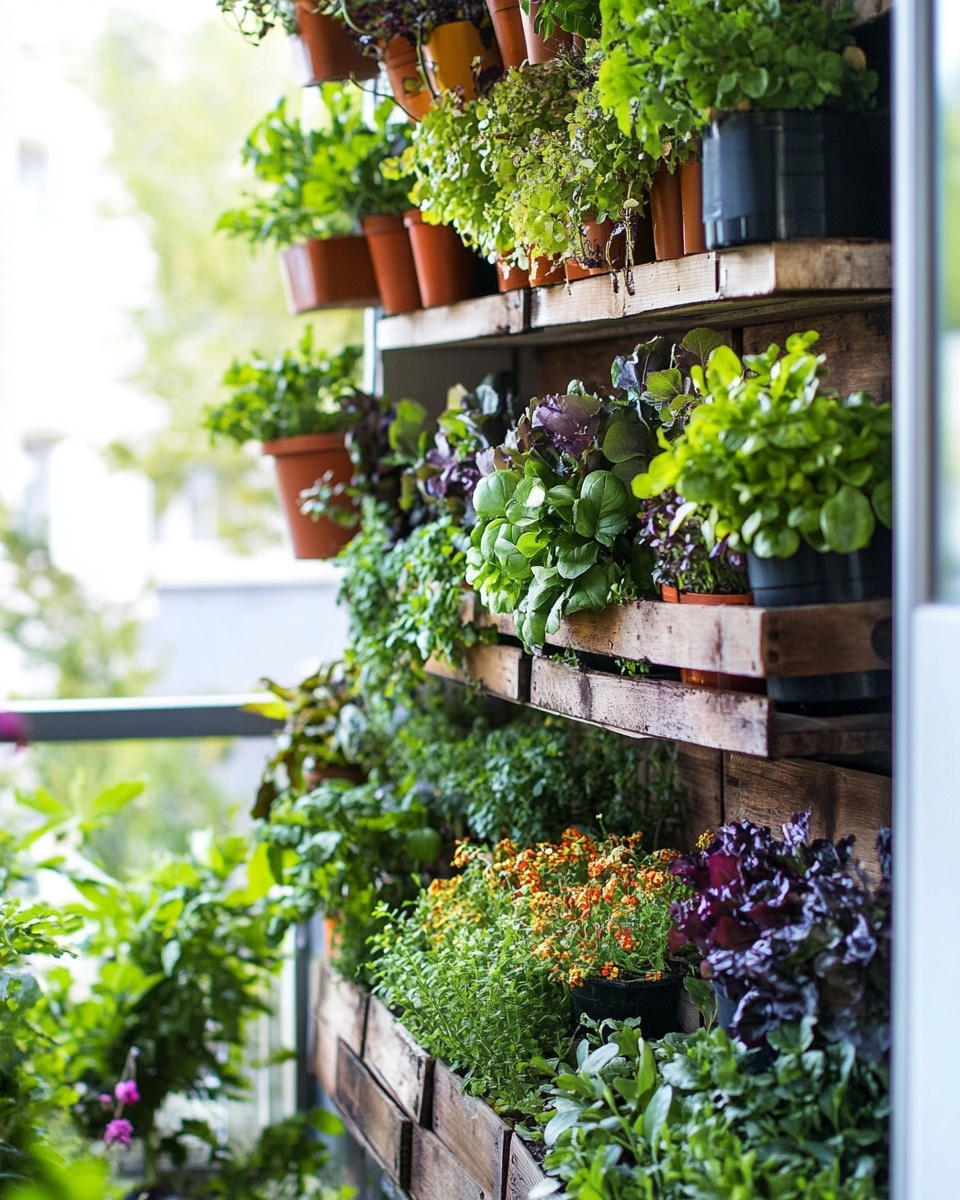
- Vertical Planters: Utilize wall space with stackable planters or DIY pallet gardens. This expands your growing area without taking up precious floor space. Explore options for "vertical garden design" online.
- Recycled Containers: Repurpose old tires, plastic bottles, or wooden crates into planters. Ensure proper drainage and clean materials thoroughly.
Creative Ideas & Uses
Elevate your rooftop garden beyond just plants – make it a true outdoor living space. Thoughtful garden design integrates aesthetics with functionality.
- Decorate with Plants:
- Layered Planting: Create visual interest by planting varying heights of plants in containers. Taller plants at the back, cascading plants at the front.
- Color Themes: Choose plants with harmonious or contrasting flower colors to create specific moods.
- Edible Arrangements: Mix herbs, edible flowers (like nasturtiums or pansies), and small vegetables (cherry tomatoes, peppers) in attractive groupings.
- Repurpose Garden Materials:
- Old Furniture: Paint and waterproof an old dresser to use as a cascading plant display.
- Pallet Furniture: With a little DIY know-how, transform wooden pallets into seating, tables, or vertical planters.
- Broken Pottery: Don't throw it out! Use it as drainage in your new pots or create decorative mosaic elements for pathways or container edges.
- Design & Landscaping Inspirations:
- Miniature Zones: Create distinct areas – a cozy reading nook surrounded by fragrant herbs, a dining space flanked by edible plants, or a meditation corner with calming greenery.
- Lighting: Integrate solar-powered string lights or lanterns for magical evening ambiance.
- Water Feature: Even a small, self-contained water fountain can add soothing sounds and attract beneficial insects.
- Privacy Screens: Use trellises with climbing vines (e.g., honeysuckle, clematis) or tall grasses to create natural screening from neighbors or unsightly views, enhancing your sense of urban escape.
Common Mistakes to Avoid
Even experienced gardeners make errors! Learning from them ensures your rooftop garden design flourishes.
- Ignoring Structural Load: As mentioned, this is the most critical mistake. Overloading your roof can lead to structural damage and is a safety hazard. Always get that expert opinion first.
- Poor Drainage: Root rot is a silent killer. Ensure every container has adequate drainage holes and use a proper drainage layer. Overwatering causes root rot in 60% of houseplants, and this figure is similar for container gardens.
- Using Heavy Garden Soil: Garden soil is too dense for containers and too heavy for most rooftops. It compacts easily, stifling root growth and holding excessive moisture. Stick to lightweight potting mixes.
- Underestimating Wind & Sun: Rooftops are exposed. Plants can get scorched by intense sun or ravaged by strong winds. Select resilient plants, provide shade, and implement windbreaks. Neglecting this leads to constant plant stress and failure.
- Irregular Watering: Container plants dry out quickly. Inconsistent watering, either too much or too little, is detrimental. Establish a routine and check soil moisture regularly. A study by the Royal Horticultural Society found erratic watering to be the primary cause of stress for containerized plants.
- Neglecting Fertilization: Nutrients in potting mix are finite. Without regular feeding, plants will become stunted, yellow, and unproductive.
- Overcrowding: While tempting to plant many things, overcrowding leads to competition for resources, poor air circulation, and increased disease risk. Give your plants room to grow.
Maintenance & Storage Tips
Long-term success for your unique garden design involves consistent care and seasonal preparation.
- Seasonal Care:
- Spring: Clean out old plant debris, refresh potting mix (topping off or partially replacing), and begin fertilizing. Plant new annuals or sow seeds.
- Summer: Daily watering (sometimes twice a day in extreme heat), consistent feeding, and pest monitoring. Provide shade if needed.
- Fall: Harvest remaining crops. Prune back perennials and shrubs. Consider bringing sensitive plants indoors if frost is expected. Clean and store empty containers.
- Winter: For hardy plants left outdoors, ensure containers are frost-proof. Insulate pots with burlap or bubble wrap. Reduce watering significantly.
- Addressing Common Issues:
- Yellow Leaves: Could indicate overwatering, underwatering, or nutrient deficiency. Check soil moisture first, then consider fertilizer.
- Wilting: Usually a sign of thirst. Water immediately. If the soil is already wet, it might be root rot, indicating a drainage problem.
- Pests: Identify the pest and treat with appropriate organic solutions like insecticidal soap, neem oil, or manual removal.
- Seed Storage: Store leftover seeds in a cool, dark, dry place in airtight containers. Label them with the date and type. Properly stored seeds can remain viable for several years.
- Tool Maintenance: Clean and sharpen your pruning shears and trowels after each use. Store them in a dry place to prevent rust. Oiling wooden handles can extend their life.
Conclusion
Transforming your urban rooftop or terrace into a flourishing garden is more than just planting; it's about crafting an extension of your living space, a personal oasis that brings nature closer to home. From the initial structural assessment to the creative touches of lighting and decor, every step in this garden design journey contributes to a sustainable, beautiful, and highly functional outdoor retreat. You've now got the knowledge to design, cultivate, and maintain a vibrant rooftop garden, defying urban limitations and embracing green living.
Ready to dig in? There's no time like the present to start planning your verdant escape! Share your rooftop garden dreams and triumphs with us. What will your first rooftop plant be? Dive in, get your hands dirty, and watch your urban sanctuary come to life. Share your progress with us and other gardening enthusiasts on social media!
FAQ
Q1: How much weight can my rooftop typically hold for a garden?
A1: This crucially varies. Standard building codes often allow for 20-30 pounds per square foot for live loads, but a saturated container garden can easily exceed this. Always consult a structural engineer before planning your garden design to confirm your rooftop's specific load-bearing capacity. Safety first!
Q2: What are the best plants for a sunny, windy rooftop?
A2: For direct sun and wind, opt for hardy, drought-tolerant plants. Excellent choices include sedums, sempervivums (hens and chicks), lavender, rosemary, certain varieties of ornamental grasses, and sturdy perennials like coneflowers (Echinacea). Vertical garden design with wind-resistant climbers can also be very effective.
Q3: How often should I water my rooftop garden?
A3: Container gardens on rooftops dry out significantly faster than in-ground gardens due to increased exposure to sun and wind. During warm months, you might need to water daily, sometimes even twice a day. Always check the soil moisture by hand – if the top inch feels dry, it's time to water. Investing in a drip irrigation system can save a lot of time and effort.
Q4: Can I grow vegetables on my rooftop?
A4: Absolutely! Many vegetables thrive in containers on rooftops, given enough sunlight (at least 6-8 hours) and consistent watering. Great options include cherry tomatoes, peppers, lettuce and salad greens, radishes, bush beans, and herbs. Choose "bush" or "patio" varieties specifically bred for containers. This is a popular garden design choice for urban edible gardens.
Q5: What kind of soil is best for rooftop containers?
A5: Use a high-quality, lightweight potting mix specifically designed for containers. These mixes typically contain ingredients like peat moss, coco coir, perlite, and vermiculite, which provide good drainage, aeration, and moisture retention without being excessively heavy. Avoid using dense garden soil, as it compacts easily and doesn't drain well in pots.
Q6: How can I protect my rooftop garden from strong winds?
A6: Wind is a major challenge. Implement windbreaks using trellises with climbing plants, sturdy privacy screens, or strategically placed tall, resilient shrubs or ornamental grasses. Ensure all containers are heavy enough or secured to prevent them from toppling over. Positioning them closer to parapet walls can also offer some protection.
Q7: Is it possible to have a rooftop garden on a budget?
A7: Yes! You can significantly reduce costs by using repurposed materials for planters (like old tires, wooden pallets, or plastic containers with added drainage), starting plants from seeds rather than buying mature plants, making your own compost, and using rainwater. DIY projects are key to budget-friendly garden design.
Looking for more ways to green up your urban dwelling? Check out these related articles for even more inspiration and practical advice!
- Dive into the world of edible gardening with our guide: Best Vegetables to Grow for Beginners.
- Explore efficient greening solutions even in tight spots with: Vertical Indoor Garden Ideas for Small Spaces.
- For those keen on nurturing plants indoors before they brave the elements, our article on Easy Indoor Gardening Setup for Beginners offers a perfect starting point.
- Discover elegant ways to curate smaller planting areas in our piece on Balcony Garden Design Ideas.
- Get hands-on with transforming everyday items into gardening masterpieces with: DIY Indoor Garden with Recycled Containers.
For visual inspiration, don't forget to visit our curated collection of amazing rooftop garden ideas on Pinterest!