Introduction
Did you know that spending just 20 minutes a day in a garden can significantly reduce stress hormones like cortisol by up to 20%? It's not just a hobby; it's a therapeutic practice. But what if you could cultivate that tranquility right in your backyard, transforming it into a personal sanctuary with mindful Garden Design? Many believe creating a serene space requires extensive landscape experience or a huge budget, but that simply isn't true. Modern garden design principles emphasize simplicity, natural aesthetics, and a personal touch, making it accessible to virtually anyone. You don’t need an acre of land or a team of professional landscapers to achieve a peaceful haven. With thoughtful garden design, even a small balcony or a cozy corner can become a retreat where you can unwind and reconnect with nature. This guide will walk you through the data-driven best practices and creative choices to help you craft your own serene oasis, minimizing effort while maximizing impact.
Tools & Materials Needed
Crafting your tranquil garden doesn't require an arsenal of expensive equipment. Often, the best tools are those that are simple, effective, and eco-friendly. Here’s what you’ll need to get started on your transformative garden design project:
- Hand Trowel and Cultivator: Essential for digging small holes for planting and loosening soil. Look for ergonomic designs to minimize hand strain.
- Pruning Shears: For shaping plants, removing dead growth, and encouraging bushier foliage. A bypass pruner is ideal for clean cuts on live stems.
- Gardening Gloves: Protect your hands from thorns, soil, and potential irritants. Opt for durable, breathable materials.
- Watering Can or Hose with a Gentle Sprayer: Provides controlled watering, preventing soil erosion and plant damage.
- Soil (Specific to Plants):
- Raised Beds/Containers: A high-quality organic potting mix that provides excellent drainage and aeration is crucial. Consider mixes with compost or coco coir for added nutrients and moisture retention.
- In-Ground Gardens: Amend your existing soil with compost to improve structure, fertility, and drainage. A soil test kit can provide data on what nutrients your soil might be lacking.
- Plants (Strategically Chosen): Focus on plants that thrive in your climate and align with your vision. Drought-tolerant options like succulents, lavender, or certain ornamental grasses reduce maintenance. Native plants often integrate best, supporting local ecosystems.
- Decorative Elements:
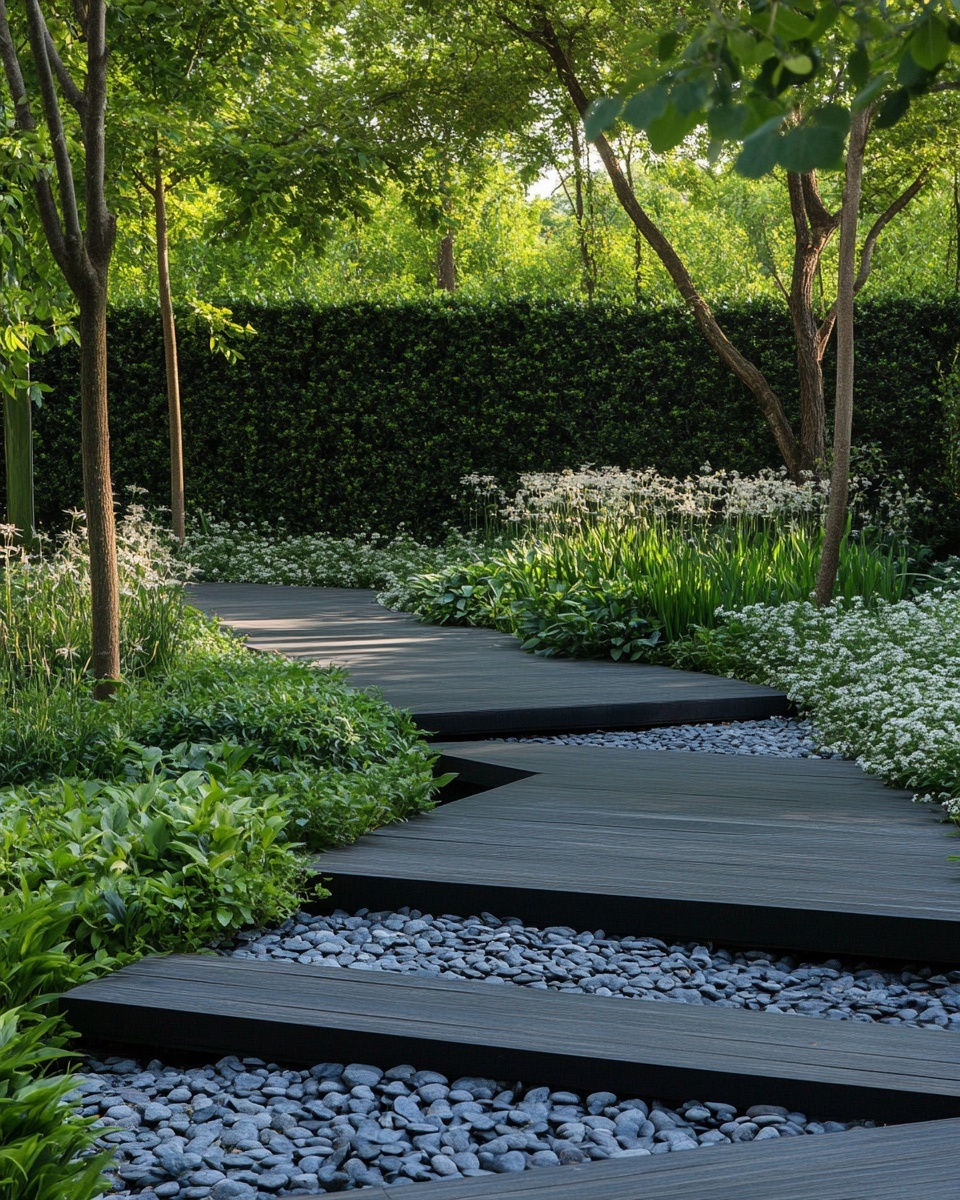
- Rocks/Pebbles: For creating pathways, borders, or focal points, contributing to a natural, minimalist garden design aesthetic.
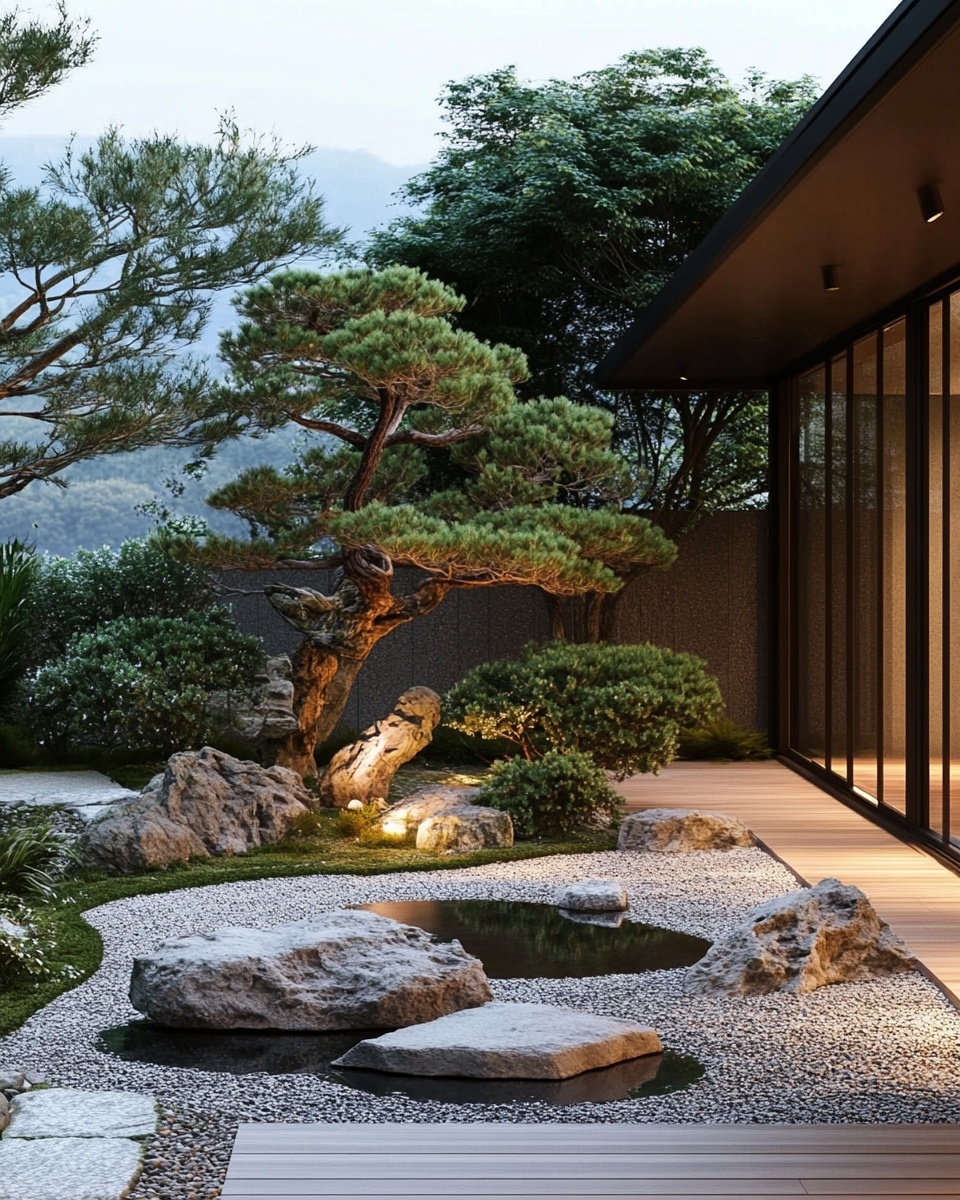
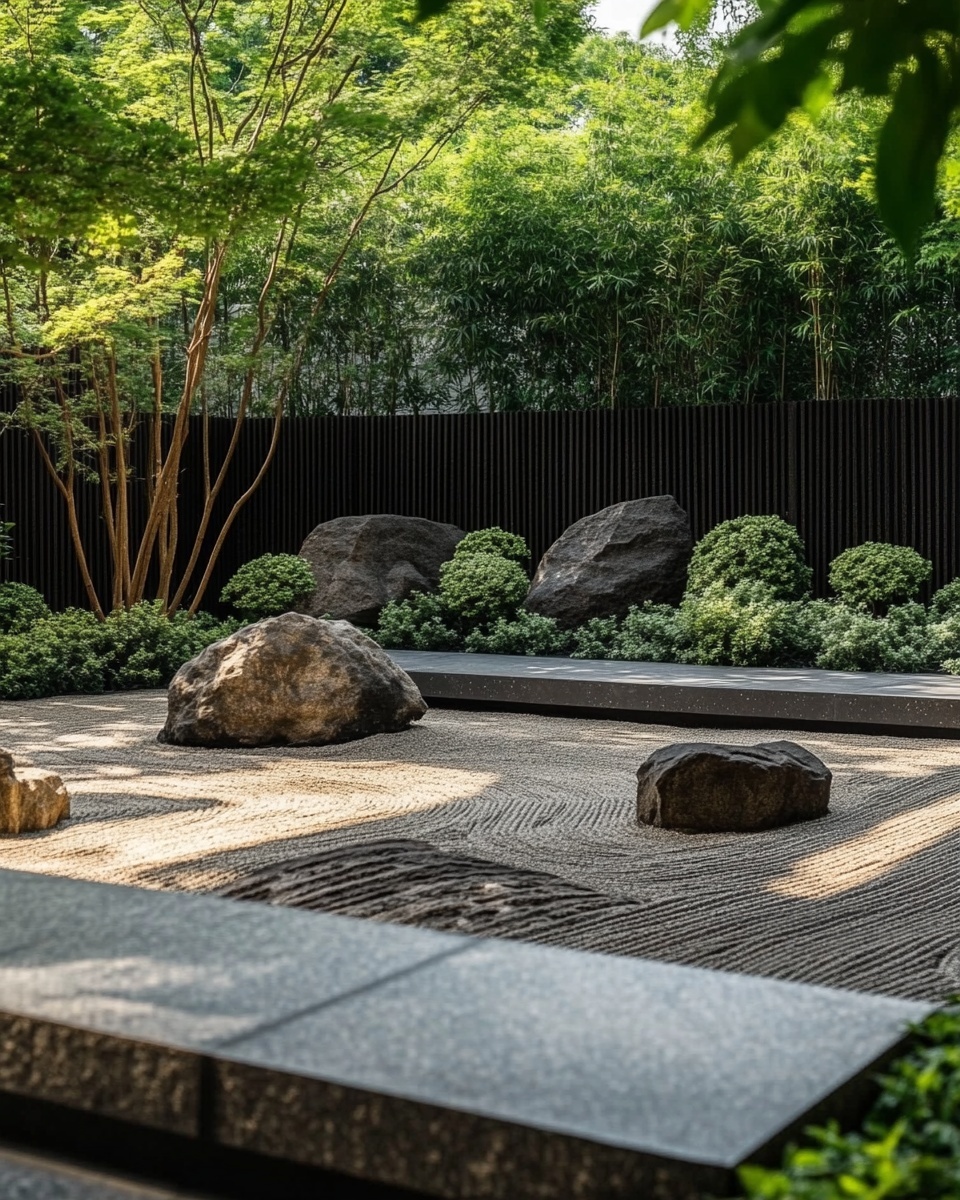
- Sand or Gravel: Perfect for creating raked patterns in Zen-inspired areas, promoting mindfulness.
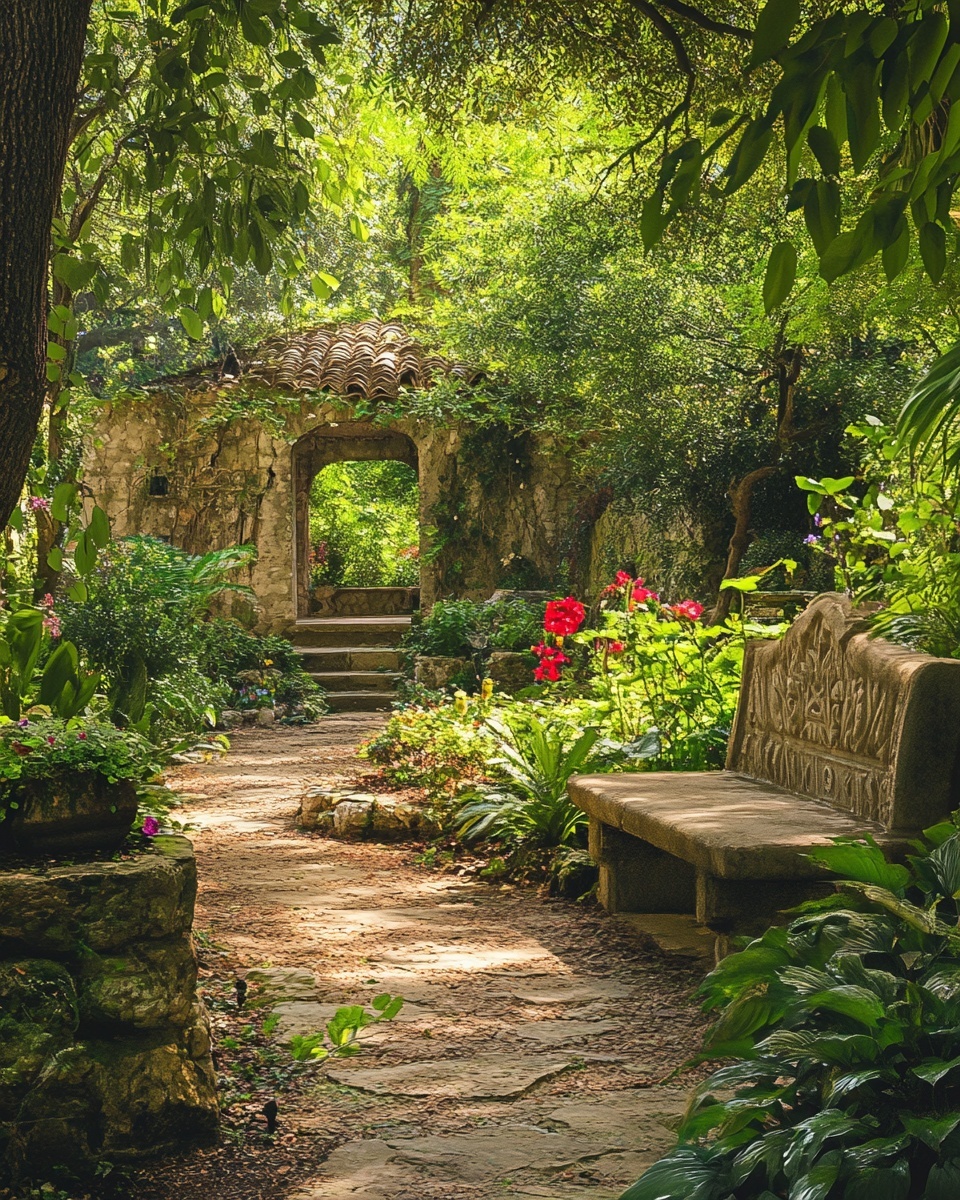
- Small Bench or Seating: A quiet spot to observe and enjoy your garden. Repurposed wooden pallets can make for charming, budget-friendly seating.
- Edging Material (Optional but Recommended): Defines garden beds and paths. Recycled plastic edging or natural stone are sustainable choices.
- Mulch: Organic mulches like shredded bark or straw help retain soil moisture (reducing watering needs by up to 30%), suppress weeds, and regulate soil temperature.
Eco-Friendly/Budget Alternatives:
Instead of buying new plastic containers, consider upcycling old tires, wooden crates, or even sturdy buckets for planting. For natural fertilizers, your kitchen scraps can be transformed into nutrient-rich compost (check out our guide on Organic Fertilizer Recipes for Herb Gardens). For watering, a rain barrel collects free, chlorine-free water.
Time & Effort Overview
Embarking on a garden design project might seem daunting, but it’s often more about consistent, small efforts than large, infrequent ones. For a small serene garden (50-100 sq ft or a few containers), expect the initial setup to take approximately 8-16 hours spread over 1-2 weekends. This includes planning, soil preparation, and planting. This is significantly less than, for instance, starting a full vegetable garden from scratch, which can demand 30-40 hours for initial bed preparation.
Growth & Early Maintenance:
Most plants, especially ornamental grasses or smaller shrubs chosen for a peaceful garden, establish within 2-4 weeks. During this period, plan on 15-30 minutes of light maintenance (watering, checking for pests) every 2-3 days. This is exceptionally manageable for even the busiest individuals.
Ongoing Maintenance:
Once established, a well-designed serene garden is surprisingly low-maintenance. Expect to dedicate 1-2 hours per month for weeding, light pruning, and occasional feeding. This is about 50% less time than a flower garden requiring deadheading and frequent adjustments.
Difficulty Level: Beginner to Intermediate. The core principles are easy to grasp, and plant selection can dictate much of the complexity. Opting for hardy, native, or drought-tolerant plants keeps the difficulty firmly in the beginner range.
Step-by-Step Gardening Process
1. Plan Your Serene Oasis
Start with a clear vision for your garden design. Consider sunlight patterns, existing features, and how you envision using the space. Sketch out your ideas, noting plant placements, pathways, and seating areas. Think about color palettes and textures that evoke calm. A basic layout on paper can save you hours of readjustment later.
2. Prepare the Site
Clear any existing weeds, debris, or unwanted plants. If planting in-ground, turn the soil to a depth of about 6-8 inches. Incorporate 2-4 inches of compost to enrich the soil, improving its structure and nutrient content. For container gardens, fill pots with a quality potting mix, leaving an inch or two from the rim.
3. Choose Your Plants Mindfully
Select plants that align with your serene garden vision. Focus on varied textures (e.g., feathery ornamental grasses, smooth hosta leaves), calming colors (greens, whites, soft blues), and subtle fragrances (lavender, jasmine). Consider plants with year-round interest. For Zen gardens, mosses and carefully placed dwarf conifers work beautifully.
4. Plant with Precision
Dig holes twice as wide as the plant's root ball and just as deep. Gently remove the plant from its container, teasing out any circling roots. Place the plant in the hole, ensuring the top of the root ball is level with the surrounding soil. Backfill with soil, gently firming it around the base to remove air pockets. Don’t worry if the roots look a bit messy initially; they'll quickly adjust.
5. Water Thoroughly
Immediately after planting, give your new garden a deep watering. This helps settle the soil and provides essential hydration to the roots. Ensure water reaches deep into the root zone.
6. Mulch for Maintenance Reduction
Apply a 2-4 inch layer of organic mulch around your plants, keeping it a few inches away from stems. This is a game-changer! Mulch retains moisture, suppresses weeds, and regulates soil temperature, dramatically reducing your watering needs and weeding chores.
7. Add Your Personal Sanctuary Touches
Incorporate your chosen decorative elements. Lay down stepping stones, arrange pebbles in artistic patterns, or place your garden bench. This is where your garden design truly takes shape and reflects your personal aesthetic.
Growth & Care Tips
Consistent care, especially in the initial stages, will ensure your serene garden flourishes.
- Watering Frequency: Most plants prefer deep, infrequent watering over shallow, frequent sprinkles. During dry spells or the first few weeks after planting, check soil moisture daily. Stick your finger an inch or two into the soil; if it feels dry, it's time to water. Established plants, especially drought-tolerant varieties, may only need watering once or twice a week, or even less frequently if mulched. Overwatering causes root rot in over 60% of common garden plant failures, so err on the side of caution.
- Sunlight Exposure: Understand your plants' needs. Most flowering plants require 6+ hours of direct sunlight, while shade-lovers thrive with less. Match the plant to the light conditions in your garden. For example, hostas prefer partial to full shade, while lavender demands full sun.
- Pruning: Regular, light pruning encourages bushier growth and more blooms. Remove any dead, diseased, or damaged branches. For ornamental grasses, a hard cutback in late winter or early spring often promotes vigorous new growth.
- Fertilization: Healthy soil is key. A balanced, slow-release organic fertilizer applied once or twice a growing season is often sufficient. If you’ve incorporated compost, additional feeding may not be needed, as compost slowly releases nutrients. A soil test performed by your local extension office can provide precise data on your soil's nutrient levels.
- Pest Prevention: Healthy plants are naturally more resilient. Encourage beneficial insects like ladybugs (they eat aphids!) by planting flowers they love. Inspect your plants regularly for any signs of pests. If infestations occur, use organic solutions like neem oil or insecticidal soap before resorting to chemical treatments.
Eco-Friendly & Sustainable Alternatives
Sustainability in garden design isn't just a trend; it's a responsible approach to nurturing our planet.
- Composting: Turn kitchen scraps and yard waste into nutrient-rich "black gold" for your garden. This reduces landfill waste and provides free, chemical-free fertilizer. Did you know a typical household can reduce its organic waste by 30% through composting?
- Natural Fertilizers: Beyond compost, consider using worm castings, bone meal, or kelp meal. These provide essential nutrients without the environmental impact of synthetic fertilizers.
- Water Conservation:
- Rain Barrels: Collect rainwater for irrigation. It's free and better for plants than chlorinated tap water.
- Drip Irrigation: Delivers water directly to the plant roots, minimizing evaporation and waste compared to overhead sprinklers. This can save up to 50% on water usage.
- Xeriscaping: Designing your garden with drought-tolerant plants native to your region can drastically reduce water needs.
- Alternatives for Small Spaces:
- Balcony Gardens: Planters, hanging baskets, and railing planters are perfect for urban dwellers. Optimize space with a well-thought-out Balcony Herb Garden Design Ideas.
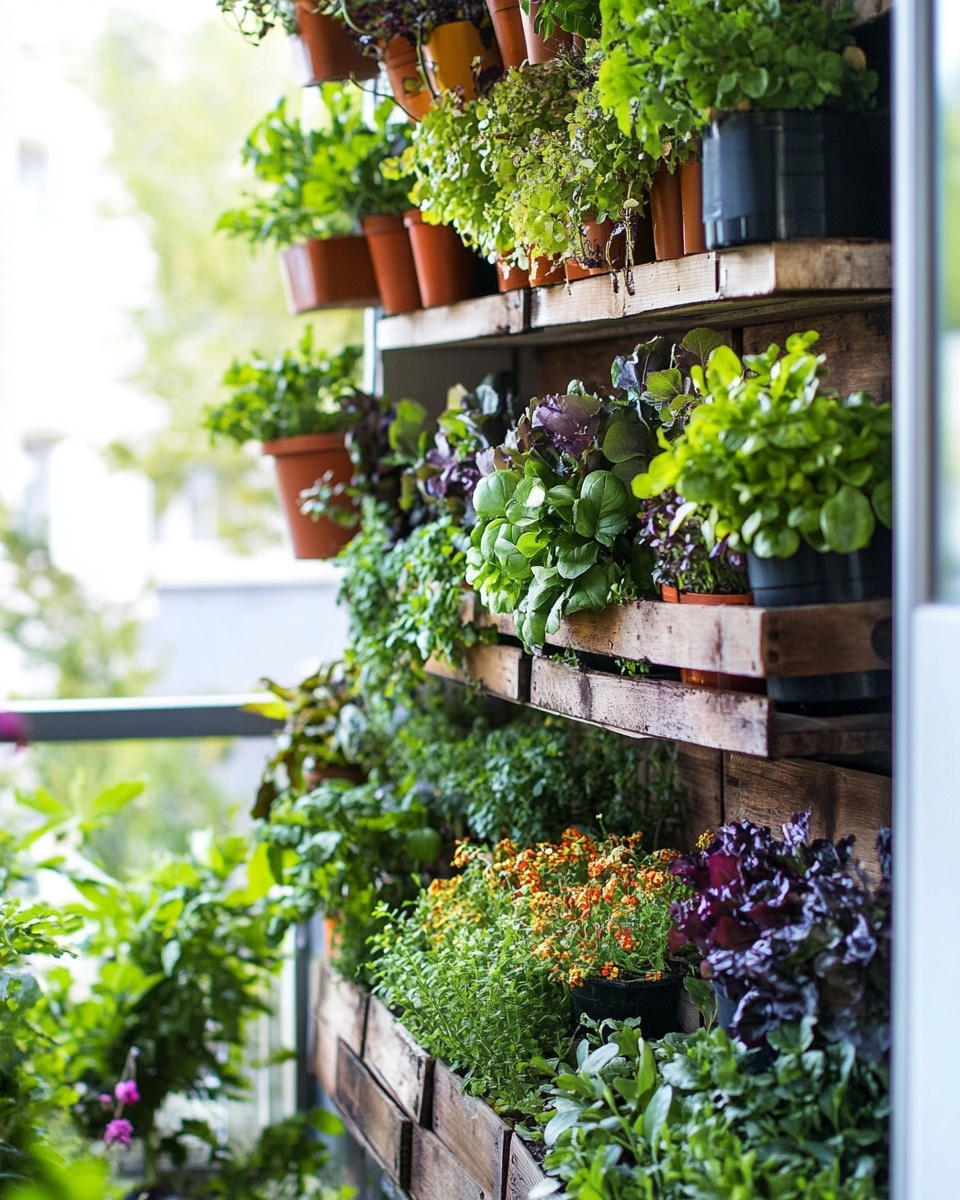
- Vertical Gardens: Maximize vertical space with wall planters or stacked containers. This is an excellent solution for growing herbs or small flowers. Discover more about Vertical Indoor Garden Ideas for Small Spaces.
- Container Gardening: Virtually anything can be grown in pots, allowing for flexibility and portability.
Creative Ideas & Uses
A serene garden is a canvas for your creativity, focusing on elements that calm and inspire.
- Aesthetic Plant Combination: Combine plants with varying heights and textures. For example, tall, swaying ornamental grasses provide movement, while broad-leafed hostas offer a grounding contrast. Consider a monochromatic palette of greens with splashes of white or soft blue for ultimate tranquility. Grouping plants in odd numbers (3, 5, 7) often creates a more natural and visually appealing arrangement.
- Repurpose Garden Materials: Old wooden ladders can become vertical plant displays. Broken terracotta pots can be artfully arranged in a rock garden. Driftwood or interesting stones found on nature walks can become natural sculptures. Get inspired by creative reuses on sites like Pinterest.
- Sound and Scent: Incorporate elements that engage more than just sight. A small water feature provides soothing sounds. Scented plants like lavender, jasmine, or scented geraniums (also known as Pelargonium genus, known for their aromatic foliage) release calming fragrances, especially in the evening.
- Lighting: Soft, strategic outdoor lighting can extend the enjoyment of your garden into the evening. Solar-powered lanterns or subtle string lights create a magical, peaceful ambiance.
- Zen Garden Elements: If you have a small, dedicated space, consider incorporating a mini Zen garden with raked sand or gravel and thoughtfully placed rocks. The act of raking itself can be a meditative practice.
Common Mistakes to Avoid
Even experienced gardeners make errors. Being aware of these pitfalls can save you time, money, and frustration in your serene garden journey.
- Overwatering: As mentioned, this is a top killer. Many new gardeners mistakenly believe more water is always better. Overwatering starves roots of oxygen, leading to rot. Always check soil moisture before adding more. Signs include yellowing leaves and wilting, which can paradoxically also be symptoms of underwatering – check the soil to differentiate!
- Ignoring Soil Preparation: "Planting in poor soil is like building a house on sand," as the old gardening adage goes. Insufficiently prepared soil lacks the nutrients and structure plants need to thrive. Dedicated time to soil amendment with compost will prevent many future problems. Data shows that well-amended soil can boost plant growth by up to 40%.
- Improper Plant Selection: Choosing plants that aren't suited to your climate, sunlight, or soil conditions is a recipe for struggle. Research each plant before you buy it. For instance, putting a sun-loving plant in deep shade is a common mistake leading to weak, leggy growth and no blooms.
- Planting Too Closely: It's tempting to fill your garden immediately, but remember plants grow! Overcrowding leads to poor air circulation (increasing disease risk), competition for resources, and stunted growth. Read plant tags for mature size and space accordingly.
- Neglecting Weeds in Early Stages: Weeds compete with your plants for water, nutrients, and light. Addressing them early and regularly is far easier than battling an overgrown invasion. A thick layer of mulch can prevent up to 70% of weed emergence.
- Lack of a Focal Point: A serene garden benefits from a clear focal point – a striking plant, a beautiful rock, or a small water feature – to draw the eye and create a sense of purpose. Without one, the garden can appear unstructured.
Maintenance & Storage Tips
Ensuring the longevity and beauty of your serene garden requires consistent, though minimal, effort. Knowing how to maintain your plants and store your tools properly will make your gardening journey smoother.
- Seasonal Care:
- Spring: Assess any winter damage, prune dead growth, and replenish mulch. This is an excellent time to add compost to refresh the soil.
- Summer: Regular watering is crucial during dry periods. Monitor for pests and diseases, and prune any spent flowers to encourage more blooms.
- Autumn: Tidy up fallen leaves (compost them!), cut back herbaceous perennials, and consider planting cool-season annuals or bulbs for spring color.
- Winter: For temperate climates, protect tender plants with frost cloths or bring potted plants indoors. Ensure evergreen plants receive occasional water during dry winter spells, as dormancy doesn't mean zero water.
- Tool Maintenance: Clean your tools after each use to prevent rust and the spread of diseases. Sharpen pruning shears annually for clean cuts, which are healthier for plants. Store tools in a dry place to extend their lifespan.
- Seed Storage: If you collect seeds or buy them for future use, store them in cool, dark, and dry conditions. An airtight container in the refrigerator is ideal. Label them with the date to track viability. Properly stored, many seeds remain viable for several years; a 2021 study found that germination rates for some common vegetable seeds stored optimally can exceed 80% after five years.
- Addressing Common Issues:
- Yellow Leaves: Often indicates overwatering, nutrient deficiency (especially nitrogen), or poor drainage. Check soil moisture first.
- Poor Soil Drainage: Amend heavy clay soils with organic matter like compost, sand, and perlite to improve drainage. For potted plants, ensure there are sufficient drainage holes.
- Wilting: Usually a sign of either too little or too much water. Feel the soil. If dry, water deeply. If soggy, allow it to dry out and check drainage.
Conclusion
Creating a serene garden is a deeply rewarding endeavor, offering not just beauty but a personal haven for relaxation and mindfulness. As we’ve explored, the journey of garden design is accessible to all, focusing on thoughtful plant choices, smart planning, and sustainable practices. From selecting the right tools to understanding the nuances of plant care, every step contributes to a space that nurtures both nature and your well-being. Remember, a garden is a living artwork, constantly evolving and inviting your touch. Embrace the process, learn from each experience, and savor the tranquility your efforts bring.
Ready to transform your outdoor space into a personal sanctuary? Dive in, get your hands dirty, and witness the magic of nature unfold. We'd love to see your serene garden designs! Share your photos and experiences using #MySereneGarden on social media. And for more inspiration, explore our other guides on PincraftPro.com!
FAQ
Q1: How do I choose the best plants for a low-maintenance serene garden design?
A1: Focus on native plants, which are adapted to your local climate and require less intervention. Drought-tolerant options like succulents, sedums, lavender, and many ornamental grasses are excellent choices. Also, consider slow-growing shrubs and perennials that don't need frequent pruning.
Q2: What's the ideal watering schedule for a newly planted serene garden?
A2: For the first 2-4 weeks after planting, water deeply every 2-3 days, or whenever the top inch of soil feels dry. This helps roots establish. After establishment, reduce frequency but maintain deep watering, checking soil moisture before each session. Overwatering is a common pitfall in garden design.
Q3: Can I create a Japanese-style Zen garden in a small backyard?
A3: Absolutely! Zen garden design elements, like raked sand or gravel, carefully placed rocks, and minimalist planting, can be adapted to very small spaces, including courtyards or even large containers. The key is simplicity and thoughtful placement.
Q4: How do I keep weeds out of my serene garden without using chemicals?
A4: The best defense is a good offense! Apply a 2-4 inch layer of organic mulch (shredded bark, straw, wood chips) around your plants. This suppresses weed growth and helps retain moisture. Hand-pulling weeds when they are small is also very effective.
Q5: What are some budget-friendly garden design ideas for a serene atmosphere?
A5: Repurpose household items for planters, collect interesting rocks or driftwood for decor, and propagate plants from cuttings. Choosing seeds over established plants for annuals, or opting for smaller, less expensive starter plants, can also save significant costs. Focus on one or two key elements rather than trying to buy everything at once.
Q6: My garden’s leaves are turning yellow. What could be wrong?
A6: Yellowing leaves often signal either overwatering (leading to root rot) or underwatering (dehydration). Check the soil moisture. Other causes include nutrient deficiencies, especially nitrogen, which can be remedied with a balanced organic fertilizer or compost.
Q7: How important is sunlight when planning my garden design?
A7: Sunlight is critically important! It's one of the most fundamental factors determining plant success. Most flowering plants need at least 6 hours of direct sun, while many foliage plants prefer partial shade. Observe your garden’s sun patterns throughout the day before selecting plants to ensure your garden design aligns with their specific light requirements.
Here are a few more resources you might find helpful in your gardening journey:
- If you're considering expanding your green thumb, explore our guide on How to Start a Vegetable Garden from Scratch.
- For those with limited space, don't miss our creative ideas for Balcony Herb Garden Design Ideas.
- And if you're curious about indoor growing, check out the Best Herbs to Grow Indoors Year-Round.