Introduction
Did you know that a well-designed garden walkway can increase your property value by as much as 10-15%, while also transforming a neglected yard into an inviting oasis? Many gardeners focus solely on plants, overlooking the critical role that garden walkways play in both aesthetics and functionality. These pathways aren't just for getting from point A to point B; they guide the eye, define spaces, and offer a crucial design element that elevates the entire outdoor experience. From rustic charm to sleek modernity, thoughtfully chosen garden walkways can make all the difference, creating accessible and beautiful outdoor rooms.
Tools & Materials Needed
Crafting the perfect garden walkways requires a blend of vision and practical resources. The exact tools and materials will vary based on your chosen style, but here’s a comprehensive list to get you started, complete with eco-friendly alternatives:
- Measuring Tape & Stakes: Essential for laying out your pathway’s dimensions and curves. Look for biodegradable stakes for minimal environmental impact.
- Shovel & Spade: For digging and leveling the ground. Consider ergonomic designs to save your back!
- Wheelbarrow: Invaluable for moving soil, gravel, or stones.
- Rake: For leveling aggregate and preparing the sub-base.
- Tamper (Hand or Plate Compactor): To ensure a solid, stable base, preventing future sinking or shifting.
- Edging Material: Defines your walkway and contains your chosen surface.
- Budget-friendly & Eco-friendly: Recycled plastic edging, reclaimed timber (e.g., old railway sleepers, untreated pallet wood), or natural stone borders (cobblestones, river rocks).
- Modern: Steel edging (durable, sleek), aluminum edging (lightweight, rust-resistant), or concrete pavers.
- Weed Barrier Fabric: Prevents weeds from pushing through your pathway material. Choose permeable, organic options that allow water drainage.
- Sub-base Material (Crushed Gravel or Road Base): Provides drainage and stability. Aim for recycled concrete aggregate if available in your area.
- Pathway Surface Material: This is where your style truly shines!
- Natural & Eco-conscious: Pea gravel (excellent drainage, soft underfoot), decomposed granite (compacts well, natural look), wood chips (renewable, provides nutrients as it breaks down), or stepping stones made from reclaimed concrete or natural flagstone.
- Modern & Durable: Concrete pavers (various colors and textures), natural stone pavers (granite, bluestone, slate – investment but lasts forever), bricks (classic, permeable options available), or even permeable asphalt for longer, more utilitarian paths.
- Sand (Optional, for Pavers): Helps to level and secure pavers. Use local, sustainably sourced sand.
- Gloves and Safety Glasses: Always protect yourself!
Time & Effort Overview
Designing and installing garden walkways can range from a weekend project to a multi-day endeavor, depending on the length, width, and complexity of your chosen pathway material. A simple gravel path might take just a day or two for an avid DIYer, while installing intricate stone pavers could easily span a week or more. Compared to building a raised garden bed, which might take a quick afternoon, a walkway requires more foundational work.
On average, anticipate the following:
- Simple Gravel or Stepping Stone Path: 1-2 days (beginner-intermediate difficulty). Requires consistent effort, especially during the digging and leveling phases.
- Paver or Brick Path: 3-5 days (intermediate-advanced difficulty). Precision in leveling and laying is key, making it more time-intensive and requiring a careful eye.
- Concrete Path: 2-4 days (advanced difficulty). Involves mixing and pouring concrete, which can be physically demanding and time-sensitive.
Regardless of the choice, preparing the sub-base is approximately 40% of the total effort, as proper groundwork ensures longevity and prevents common issues like uneven settling.
Step-by-Step Gardening Process
Let's break down the journey to creating stunning garden walkways. Don’t worry if some steps seem daunting; we’ll tackle them one by one.
1. Plan Your Path & Lay It Out
Begin by sketching your ideal garden walkway on paper, considering its purpose (e.g., access to a shed, a winding stroll through a flower bed) and the existing landscape. A meandering path can add charm, while straight lines offer modern efficiency. Once you have a concept, use your measuring tape, stakes, and string to mark the exact outline of your path in your garden. Walk the proposed path several times to get a feel for its flow and make adjustments. This preliminary step is crucial and can save you hours of rework later. Remember, a smoothly flowing path makes for a much more inviting journey!
2. Excavate the Trench
Now for the digging! Using your shovel, excavate the area marked out in step one. The depth of your trench will depend on your chosen pathway material. For gravel or decomposed granite, 4-6 inches is usually sufficient (2-3 inches for sub-base, 2-3 inches for surface material). For pavers or bricks, you'll need deeper — typically 6-8 inches (4-6 inches for sub-base, 1-2 inches for sand, and the height of your paver). Ensure the bottom of your trench is as level as possible, with a slight slope (about 1/4 inch per foot) away from any structures to encourage drainage. Don't worry if it's not perfectly flat; small imperfections can be corrected later.
3. Install Edging
Edging is your pathway's frame, essential for containing materials like gravel or sand and giving your garden walkways a clean, finished look. Place your chosen edging material along the interior perimeter of your excavated trench. Secure it firmly according to the manufacturer’s instructions, usually with stakes or by burying a portion of the material. For curves, flexible edging works wonders. This step defines the exact shape and boundaries of your garden walkways.
4. Lay Weed Barrier Fabric
To prevent pesky weeds from sprouting through your beautiful garden walkways, lay down a high-quality weed barrier fabric over the entire excavated area. Overlap the edges by at least 6 inches to ensure no gaps. You can secure it with landscape staples, making sure it conforms to the trench's shape. This simple addition saves significant maintenance time in the long run.
5. Add and Compact the Sub-Base
Now, it’s time for the muscle work! Spread your crushed gravel or road base evenly over the weed barrier. Aim for a consistent depth, usually 2-6 inches depending on your pathway material. This sub-base provides crucial drainage and a stable foundation, preventing your garden walkways from sinking or shifting over time. Once spread, compact it thoroughly using a hand tamper or a rented plate compactor. Compact in layers if your sub-base is deep. You want it firm and solid – this is the backbone of your robust garden walkways.
6. Add Pathway Surface Material
Finally, the fun part – adding your chosen surface!
- For Gravel/Decomposed Granite: Spread a 2-3 inch layer evenly over the compacted sub-base. Rake it smooth. For decomposed granite, mist it lightly with water and re-compact for a firm finish.
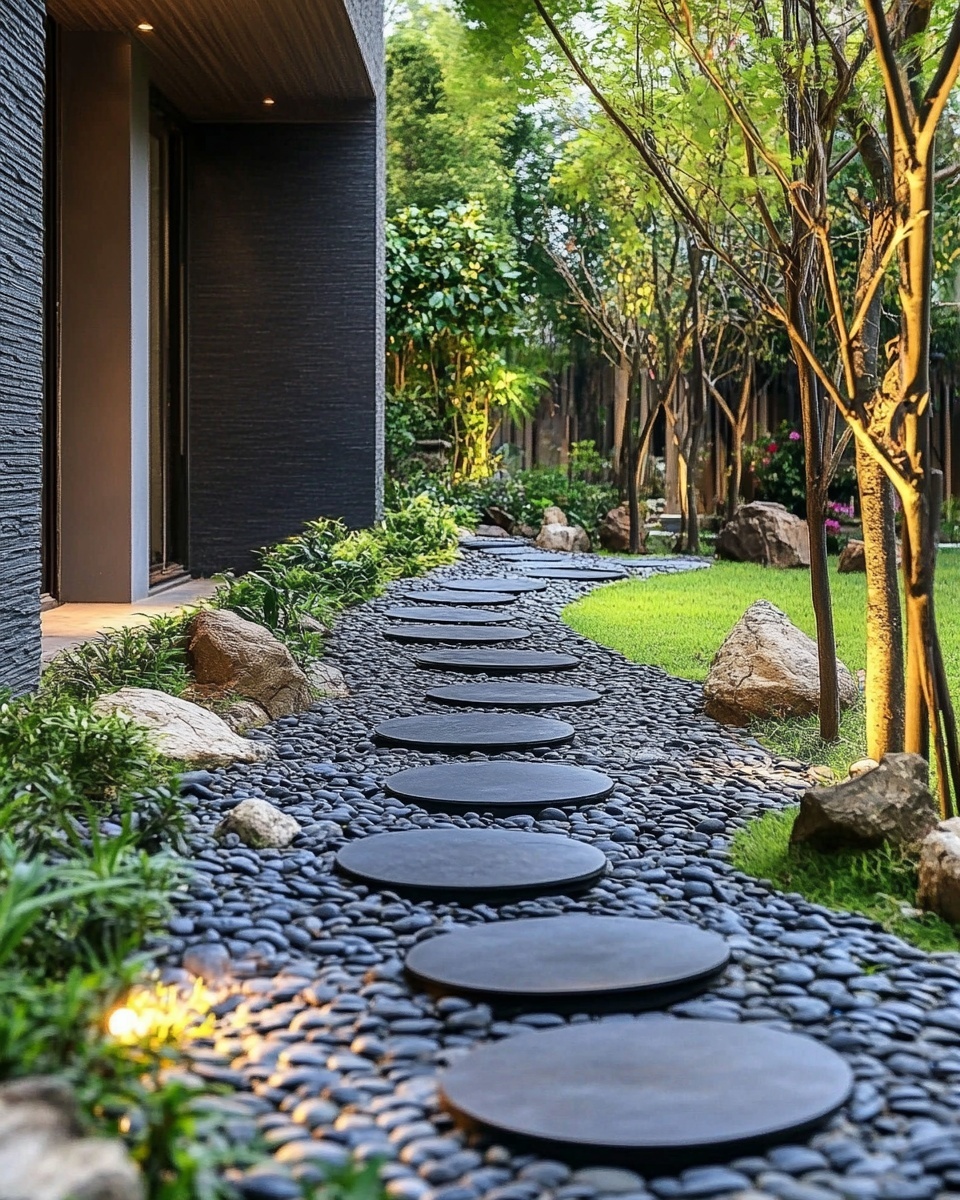
- For Stepping Stones: Place stones directly onto the sub-base or a thin layer of sand. Ensure they are level and spaced appropriately for a comfortable stride. You might need to add or remove small amounts of material under each stone to get it perfectly stable.
- For Pavers/Bricks: Spread a 1-2 inch layer of coarse sand over the compacted sub-base. Level this sand bed precisely using a screed or long, straight board. Carefully place your pavers or bricks onto the sand, gently tapping them into place with a rubber mallet. Use a level frequently to ensure an even surface. Once all pavers are laid, sweep sand into the gaps to lock them in.
7. Final Touches & Cleanup
Once your pathway material is in place, clean up any stray materials from your surrounding garden. Water your new garden walkways gently to settle any loose particles. For paver paths, you might need to sweep polymeric sand into the joints and mist it according to product instructions to create a strong bond. Stand back and admire your handiwork! Your garden walkways are now ready to be enjoyed.
Growth & Care Tips
While garden walkways don't grow in the traditional sense, their longevity and aesthetic appeal are heavily dependent on proper care. Think of it as cultivating durability!
- Weed Prevention: Even with a barrier, occasional weeds might sneak through. Address them promptly by hand-pulling or with an organic horticultural vinegar spray. Regular spot checks, perhaps monthly, are far more effective than tackling an overgrown path. Research suggests that a well-maintained weed barrier can reduce pathway weeding by up to 80%.
- Drainage Check: After heavy rainfall, observe how water drains from your garden walkways. Puddles indicate poor drainage or an uneven surface. Re-leveling small sections or adding more aggregate might be necessary. Good drainage prevents erosion and moss growth.
- Edging Maintenance: Check your edging periodically for shifting or damage. Re-stake or reinforce as needed to keep your pathway materials contained.
- Surface Replenishment: For gravel or wood chip paths, you might need to top up the surface layer every 1-3 years, especially in high-traffic areas, to maintain a fresh look and comfortable walking surface.
- Cleaning: Sweep off debris regularly. For paved garden walkways, occasional power washing (on a low setting) can remove dirt and grime, but be careful not to blast out jointing sand. Avoid harsh chemicals as they can stain or leach into surrounding soil.
Eco-Friendly & Sustainable Alternatives
Sustainability isn't just a buzzword; it's a core principle of thoughtful gardening. When creating your garden walkways, consider these green options:
- Recycled Materials: Instead of new concrete, seek out reclaimed bricks, salvaged flagstones, or crushed recycled concrete aggregate for your sub-base. Many municipalities offer recycled landscape materials at a lower cost.
- Permeable Surfaces: Opt for materials that allow water to filter through, such as gravel, decomposed granite, or permeable pavers. This reduces stormwater runoff, replenishes groundwater, and lessens the burden on local drainage systems. Traditional concrete can contribute to significant runoff issues, washing away valuable topsoil.
- Local Sourcing: Choose materials sourced locally to reduce your carbon footprint associated with transportation. For instance, if you live near a quarry that produces local stone, that's often a more sustainable choice than imported materials.
- Living Pathways: For less-trafficked areas, consider planting low-growing, drought-tolerant groundcovers like creeping thyme or Irish moss directly between large stepping stones. These living garden walkways add beauty and habitat while requiring minimal care.
- Water Conservation: While not directly related to the walkway material itself, consider collecting rainwater for watering surrounding garden beds. Tools like rain barrels can significantly reduce household water usage.
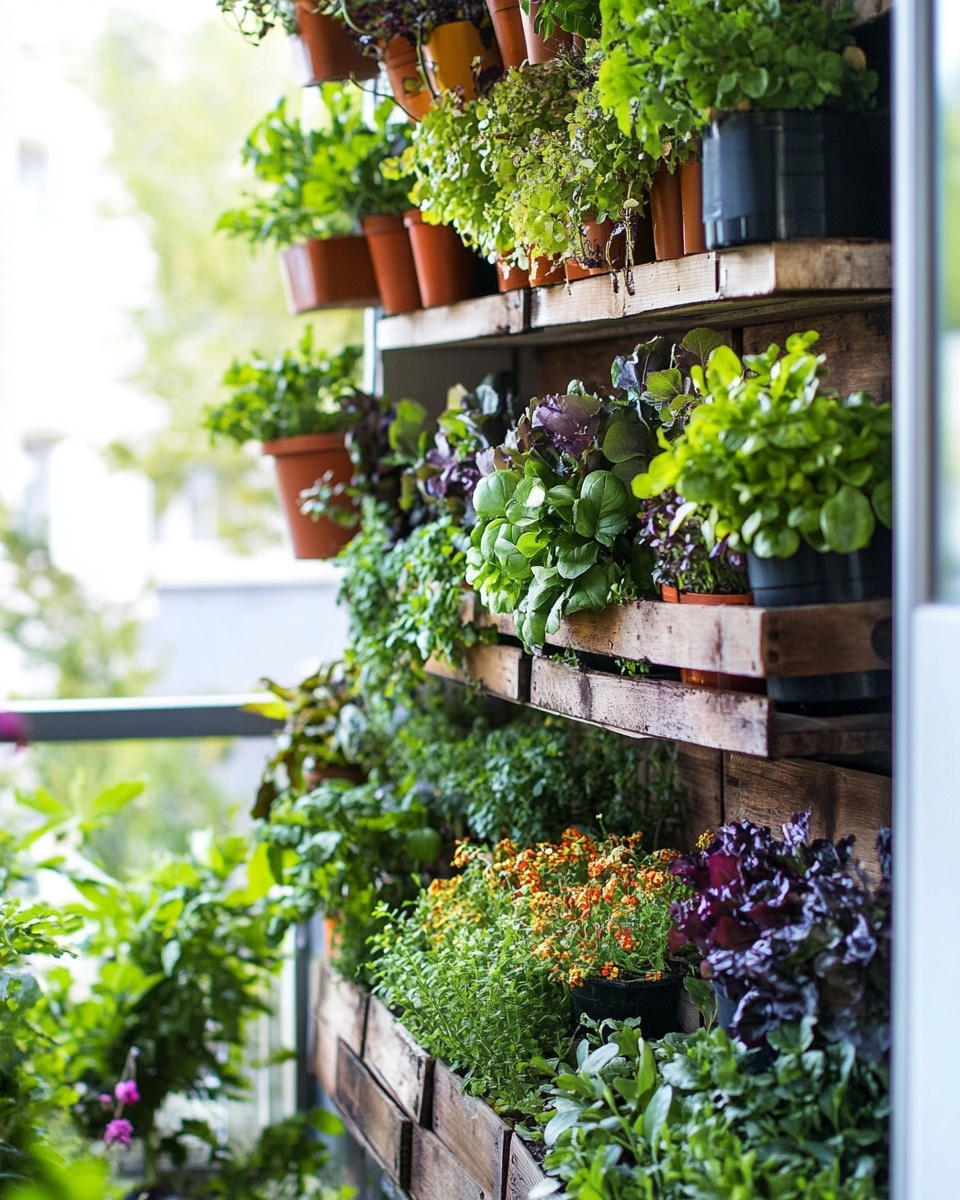
For small spaces, like a balcony, rethink traditional garden walkways. Compact, portable modular pavers or strategically placed large succulent pots can create a pathway illusion. Consider a vertical garden on a nearby wall to draw the eye, making the small "walkway" feel more expansive. Explore articles like "Vertical Indoor Garden Ideas for Small Spaces" for inspiration.
Creative Ideas & Uses
Garden walkways are not merely functional; they are canvases for creativity. They can be design statements that define your outdoor sanctuary.
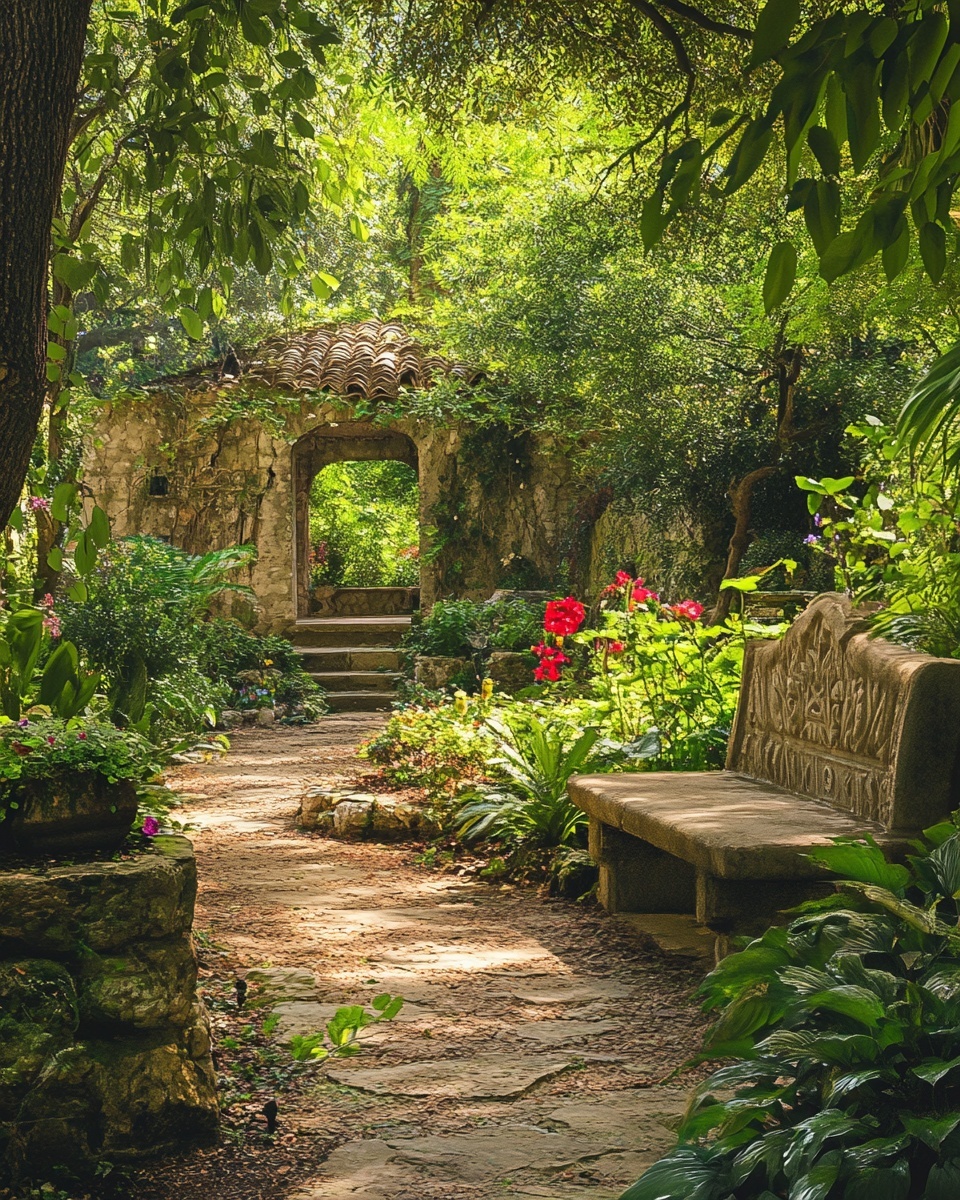
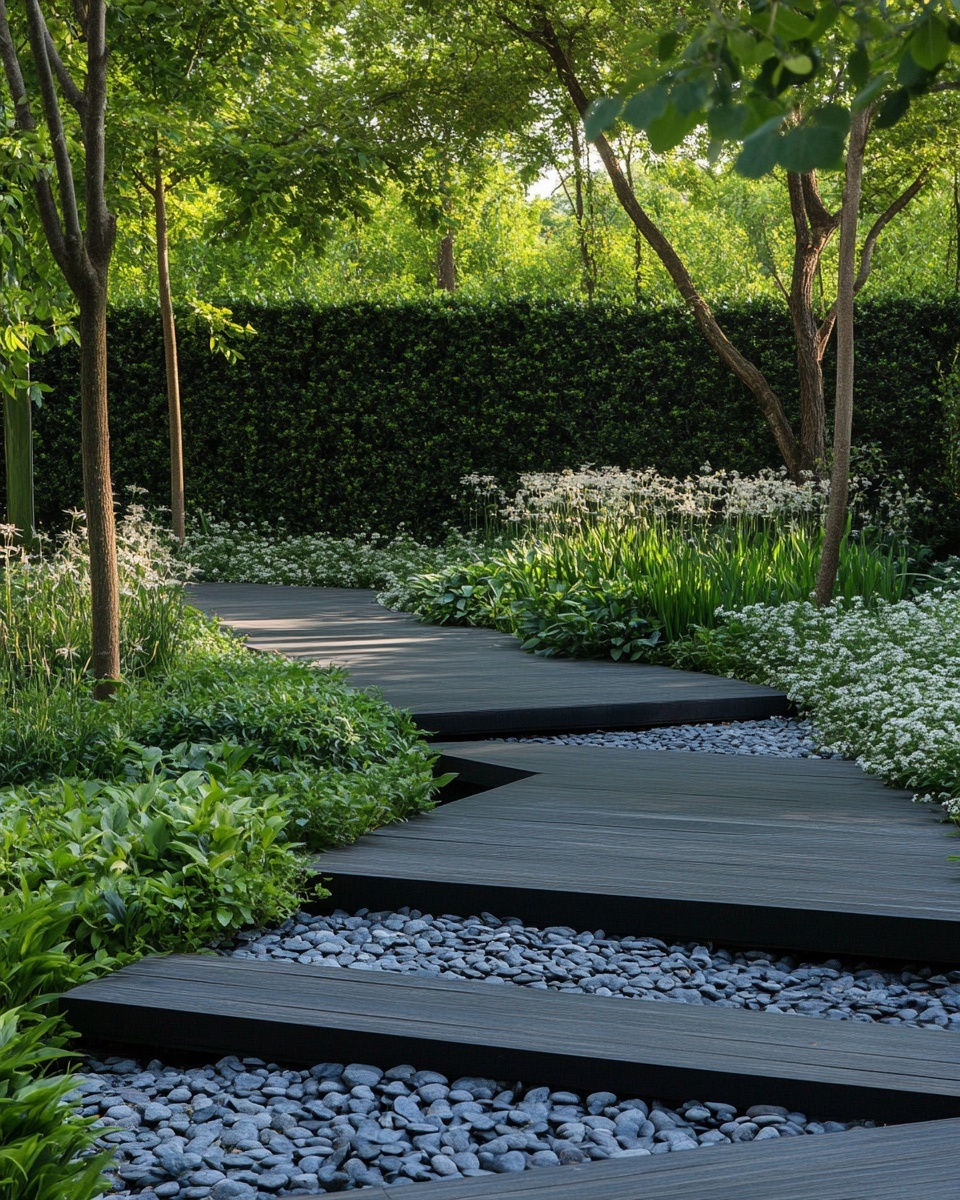
- Themed Pathways: Design your garden walkways to complement a specific garden style. A Japanese garden might feature zig-zag paths with smooth river stones, while a cottage garden could embrace irregular flagstone paths bordered by overflowing blooms.
- Lighting Integration: Embed solar-powered path lights or low-voltage LED strips along your garden walkways for enchanting nighttime ambiance and safety. Strategic lighting can highlight architectural elements or illuminate unique plants.
- Artistic Inlays: Incorporate mosaic patterns or decorative gravel within wider paver or concrete paths. You could even create a hopscotch path for youthful visitors!
- Material Contrasts: Combine different materials for visual interest. For instance, a main paver path with small gravel "shoulders" or borders can create a sophisticated look.
- Soundscapes: Imagine your garden walkways with purpose. A gravel path provides a gentle crunch underfoot, while smooth stepping stones offer silent passage. Consider bordering with plants that rustle in the breeze, adding an auditory layer to the journey.
- Repurposing: Don't throw away old patio slabs! Break them into irregular pieces and use them as stepping stones for a whimsical, mosaic-like garden walkway. Old bricks can be cleaned and laid in a herringbone pattern. Need inspiration for unique garden elements? Check out Pinterest for stunning visual ideas: https://www.pinterest.com/janatjanay47/.
Common Mistakes to Avoid
Even seasoned gardeners can stumble, but knowing common pitfalls helps you create perfect garden walkways from the start.
- Insufficient Sub-base Preparation: This is perhaps the biggest culprit for shoddy garden walkways. Skipping or skimping on proper excavation, weed barrier, and sub-base compaction will lead to shifting, sinking, and weeds – often within the first year. A solid foundation prevents 90% of future pathway problems.
- Poor Drainage: Failure to create a slight slope for water runoff can result in standing puddles, moss growth, erosion, and even damage to nearby plant roots. Standing water can also degrade certain pathway materials faster.
- Ignoring Edging: Without proper edging, gravel, sand, or smaller pavers will inevitably migrate into your garden beds, creating a messy and high-maintenance situation. Edging is a small investment that yields huge returns in tidiness.
- Uneven Surfaces: Walkways should be comfortable and safe to walk on. An uneven surface not only looks amateurish but can also be a tripping hazard. Take your time with leveling each layer.
- Overly Narrow Paths: While space might be a constraint, pathways that are too narrow (less than 3 feet for a main path) feel constricted and aren’t comfortable for two people to walk side-by-side. Aim for a minimum of 36 inches for primary garden walkways.
- Ignoring Local Regulations: Some municipalities have rules about impervious surfaces and drainage. Always check local building codes before embarking on a major hardscaping project involving extensive garden walkways.
Maintenance & Storage Tips
Maintaining your garden walkways ensures they remain beautiful and functional for years.
- Seasonal Checks: In spring, inspect your pathways for winter damage – shifted pavers, eroded gravel, or emerging weeds. In the fall, clear all fallen leaves and debris to prevent staining and slippery surfaces.
- Weed Control (Ongoing): Consistent, light weeding is far easier than battling an established weed patch. Consider a handheld weeding tool for efficiency.
- Moss and Algae Removal: In shady, damp areas, moss and algae can make surfaces slippery. A stiff brush and a diluted white vinegar solution can effectively remove them without harsh chemicals. For persistent issues, a pressure washer at a low setting can work wonders, especially on stone or concrete.
- Crack Repair (Paved Paths): Small cracks in concrete or asphalt garden walkways should be repaired promptly to prevent them from expanding due to water infiltration and freeze-thaw cycles. Use appropriate crack filler compounds available at most hardware stores.
- Joint Sand Replenishment: For paver paths, the sand between the joints can erode over time. Periodically sweep fresh polymeric sand into the joints and activate it with water to maintain stability.
- Tool Care: Clean your shovels, rakes, and tampers after each use. Store them in a dry place to prevent rust, ensuring they’re ready for your next project, or for any minor repairs to your garden walkways.
Conclusion
Transforming your outdoor space with thoughtful garden walkways is one of the most impactful upgrades you can make. From defining distinct garden rooms to adding a touch of elegance and accessibility, these pathways are more than just functional routes—they are integral to your garden's overall design and health. We've explored the essential tools, debunked common myths, and armed you with step-by-step guidance, along with sustainable choices to create garden walkways that are both stunning and eco-conscious. Remember, a little planning and effort in the beginning yield years of enjoyment.
Are you ready to redefine your garden with beautiful garden walkways? Share your project plans or photos with us! We love seeing how our community transforms their spaces. Dive in, get your hands dirty, and create the garden pathways of your dreams. For more inspiration on nurturing your green thumb, explore our other guides like "How to Start a Vegetable Garden from Scratch" or "Easy Indoor Gardening Setup for Beginners."
FAQ
Q1: How wide should garden walkways be?
A: For main garden walkways, aim for at least 36 inches (about 90 cm) wide to comfortably allow two people to walk side-by-side or for easy passage with a wheelbarrow. Secondary or winding paths can be 24-30 inches wide.
Q2: What's the best material for low-maintenance garden walkways?
A: Decomposed granite, pea gravel (with good edging), and natural stepping stones are excellent low-maintenance options. Permeable pavers also offer durability with less upkeep than traditional concrete, especially if you maintain the joint sand.
Q3: How do I prevent weeds in my garden walkways?
A: The best defense is a good offense! Proper trench excavation, a high-quality weed barrier fabric, and a sufficient depth of sub-base and surface material are key. For pavers, polymeric sand in the joints creates an extra barrier. Regular light weeding also makes a huge difference.
Q4: Can I build garden walkways on a slope?
A: Yes, but it requires careful planning. For gentle slopes, a slight incline is fine, ensuring good drainage. For steeper slopes, consider terracing your garden walkways with steps or embedding risers to create a stable, safe ascent or descent.
Q5: Are DIY garden walkways durable?
A: Absolutely! With proper planning, quality materials, and meticulous sub-base preparation and compaction, DIY garden walkways can be incredibly durable and last for many years. The key is to not cut corners, especially on the foundation.
Q6: What about lighting for garden walkways?
A: Low-voltage LED path lights or solar-powered lights are fantastic for aesthetics and safety along garden walkways after dark. Strategically place them every few feet or at turns to illuminate the path effectively without being blinding.
Q7: How do I clean moss and algae from my garden walkways?
A: For moss and algae, a stiff-bristled brush and a solution of equal parts white vinegar and water often work wonders. For tougher buildup on sturdy materials like pavers or concrete, a pressure washer on a low setting can be effective. Always test in an inconspicuous area first.
Explore more gardening insights:
- Want to grow your own edibles? Check out our guide on "How to Start a Vegetable Garden from Scratch".
- For those just starting their green journey, read about an "Easy Indoor Gardening Setup for Beginners".
- Interested in maximizing small spaces? Our tips on "Vertical Indoor Garden Ideas for Small Spaces" can spark new inspiration.
- If you're a fan of fresh herbs, don't miss our article on "DIY Indoor Herb Garden for Small Kitchens".