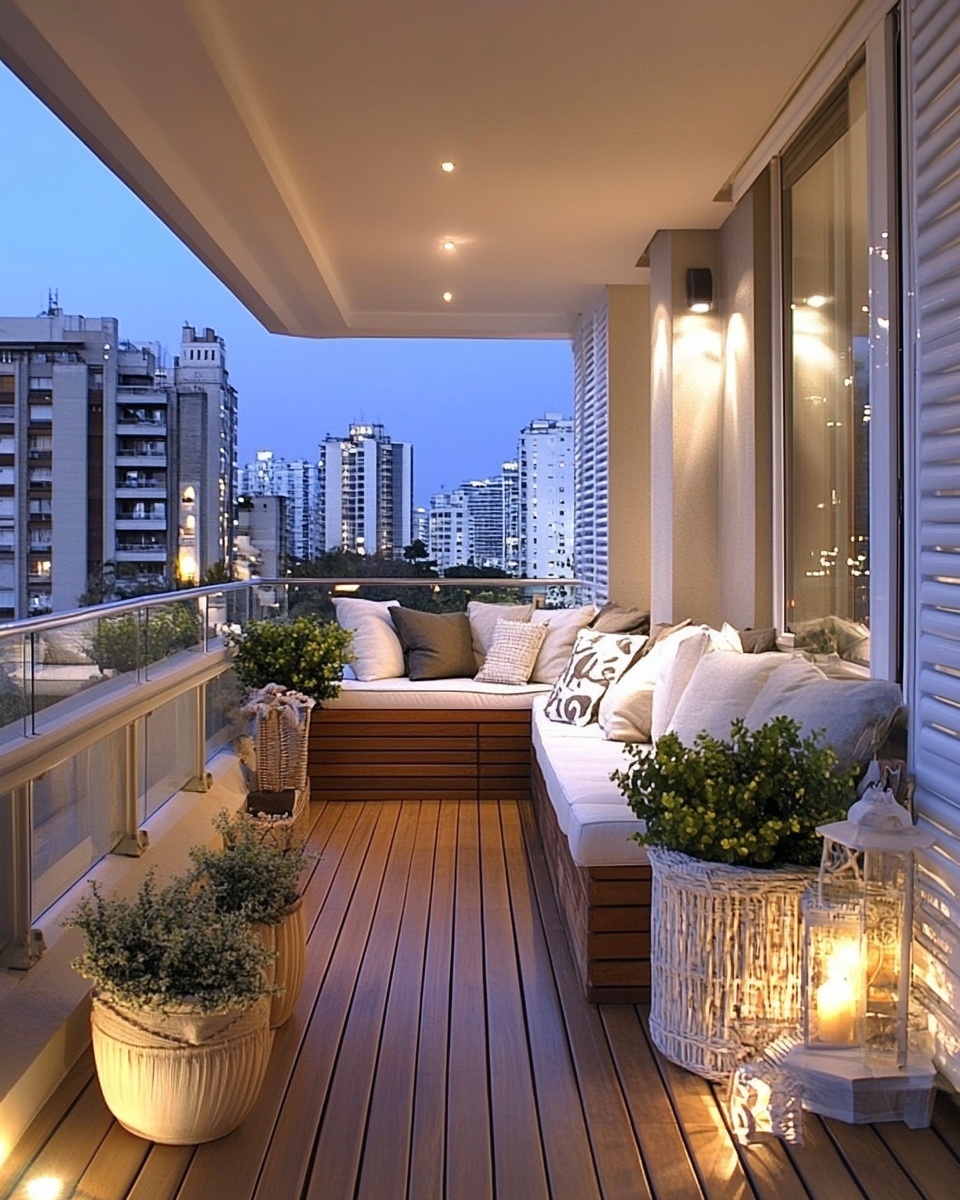
Have you ever looked at your compact outdoor space and thought a flourishing garden was merely a pipe dream? Research indicates that urban green spaces are vital for mental well-being, yet over 80% of urban dwellers feel limited by their small outdoor areas. This challenge often leads to missed opportunities for enjoying fresh produce or vibrant blossoms right at home. But what if we told you that even the smallest balcony or patio offers incredible potential for a thriving green oasis? With a bit of creativity and the right approach to patio ideas, you can transform a neglected corner into a verdant paradise.
Gone are the days when gardening required sprawling backyards. Today, innovations in urban gardening, combined with clever design and strategic plant choices, make it entirely possible to cultivate a lush garden even in constricted environments. We’re talking about maximizing vertical space, selecting container-friendly varieties, and embracing smart multi-functional solutions. Integrating natural elements into your daily life can significantly boost mood and air quality, and it starts with reimagining your available footprint. Let's delve into exciting patio ideas that prove size is no barrier to gardening greatness.
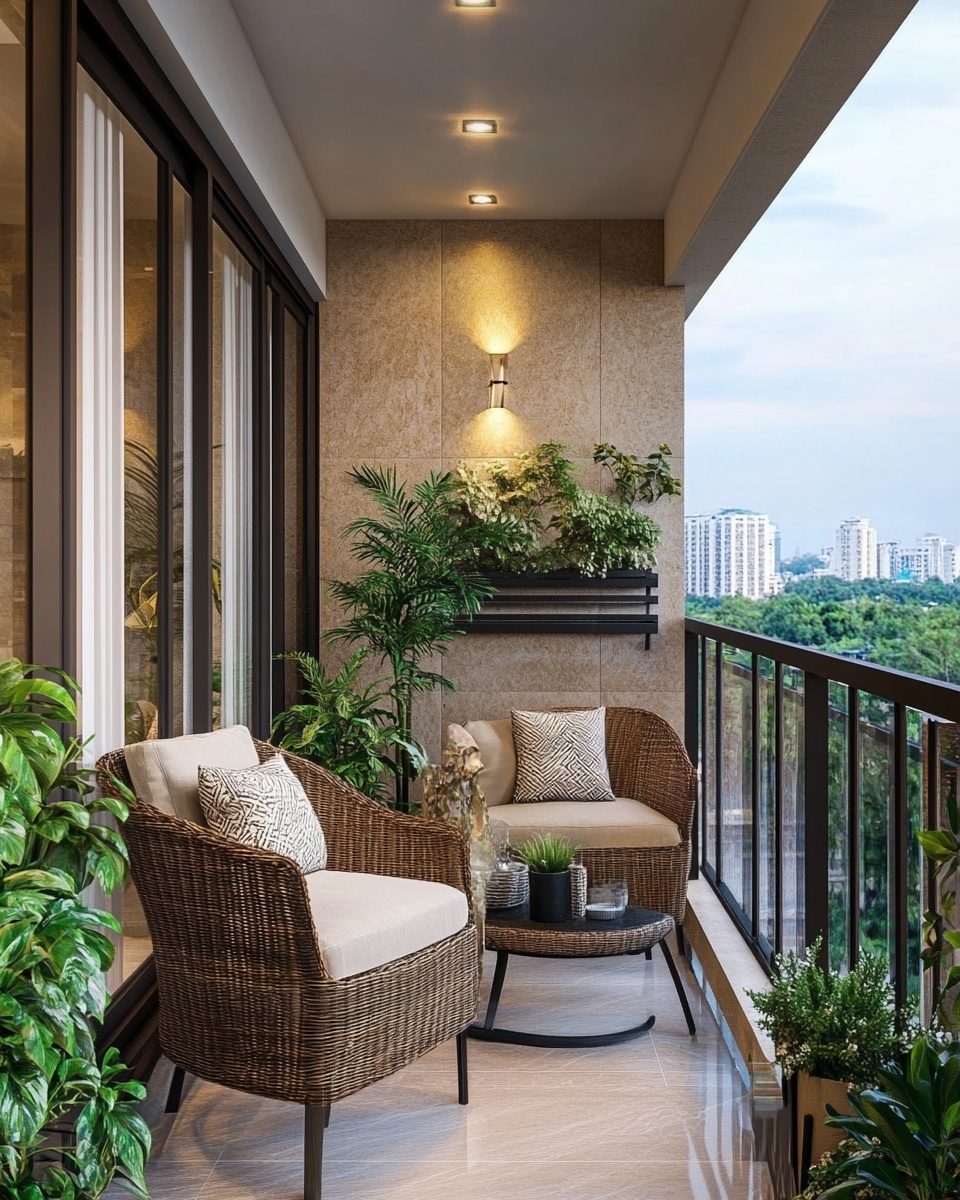
Tools & Materials Needed
To embark on your small-space gardening journey and execute these fantastic patio ideas, gathering the right equipment is key. Don't worry, you won't need a shed full of heavy machinery!
- Containers: A variety of pots, planters, and hanging baskets are essential. Look for lightweight, durable options made from recycled plastics or terracotta. Consider fabric grow bags as an eco-friendly and affordable alternative – they promote air pruning and excellent drainage. Vertical planters or tiered shelves are also game-changers for maximizing limited floor space.
- Potting Mix: A high-quality, well-draining potting mix is crucial for container gardening. Avoid using garden soil, which can compact and harbor pests. For an eco-friendly option, seek out organic potting mixes enriched with compost and perlite. You can also make your own by mixing equal parts coir, compost, and perlite.
- Seeds or Seedlings: Choose dwarf varieties of vegetables, herbs, or flowers that are well-suited for containers and smaller spaces. For example, 'Patio' tomatoes or 'Thumbelina' carrots are excellent choices. Starting with seedlings saves time and often results in higher success rates for beginners.
- Small Trowel & Hand Cultivator: These compact tools are perfect for working in pots and raised beds.
- Watering Can with a Fine Rose: A gentle watering can prevents soil erosion and delicate seedling damage. For budget-conscious gardeners, a repurposed plastic bottle with small holes poked in the lid works surprisingly well.
- Pruning Shears/Snips: Essential for maintaining plant shape, encouraging bushier growth, and harvesting.
- Gloves: Protect your hands from dirt and thorns.
- Fertilizer: Organic, slow-release granular fertilizer or a liquid feed for regular use. Composted kitchen scraps are a fantastic, free alternative!
- Optional but Recommended:
- Vertical Garden Structure: A trellis, wall-mounted planter, or tiered shelving unit.
- Grow Lights: If your space lacks sufficient natural sunlight, especially during colder months.
- Soil Moisture Meter: A small device that helps prevent over or under-watering.
Time & Effort Overview
Embarking on a small-space garden, whether it's a bustling balcony or a cozy patio garden, is surprisingly time-efficient, especially when compared to traditional in-ground gardening. Most initial setups can be completed within a single weekend, around 4-6 hours, depending on the complexity of your chosen patio ideas.
- Planting: For a typical balcony setup featuring 5-7 containers, expect to spend about 2-3 hours initially on planting seeds or transplanting seedlings.
- Growth: Many fast-growing herbs like radishes or leafy greens like lettuce can be ready for harvest in as little as 3-4 weeks from seed, growing approximately 30% faster than some larger garden varieties due to optimal container conditions. Fruiting plants like tomatoes or peppers will take around 8-12 weeks to mature.
- Maintenance: This is where the beauty of small-space gardening truly shines. Daily check-ins (10-15 minutes) for watering and light pest inspection, plus a weekly dedicated session (30-60 minutes) for pruning, feeding, and harvesting, are usually sufficient. This is significantly less demanding than maintaining a large garden plot.
- Difficulty Level: We'd classify this project as beginner-friendly to intermediate. While selecting the right plants and understanding basic care is simple, scaling up and optimizing every inch of space can require a little more planning and experience. However, with the right guidance, anyone can start.
Step-by-Step Gardening Process
Step 1: Planning Your Layout for Optimal Patio Ideas
Before you even touch soil, measure your space and observe its sunlight patterns throughout the day. South-facing patios generally receive the most sun, ideal for veggies and herbs. If you have less sun, focus on shade-tolerant varieties. Sketch out where your pots, vertical planters, or hanging baskets will go. Consider how much space each plant needs to thrive. For example, a tomato plant in a 5-gallon pot needs significantly more room than a small herb like chives. This initial planning, driven by smart patio ideas, is crucial for success.
Step 2: Selecting Your Plants
Choose plants that match your space's sunlight and your commitment level. For sunny spots, think dwarf tomatoes, peppers, strawberries, basil, rosemary, and thyme. Shadier areas are perfect for leafy greens like lettuce and spinach, mint, parsley, and even some compact fuchsias. Don’t worry if you’re unsure; start with a few easy-to-grow herbs like basil and mint to build confidence. Data shows that basil, mint, and cilantro have a 90% success rate for first-time gardeners in containers.
Step 3: Preparing Your Containers and Soil
Ensure all containers have drainage holes to prevent root rot. If a pot lacks them, drill a few holes in the bottom. Fill containers with your quality potting mix, leaving about an inch of space from the rim. For larger plants, a slightly heavier mix with some added compost will provide better stability and nutrients.
Step 4: Planting Seeds or Seedlings
If planting seeds, follow package instructions for depth and spacing. For seedlings, carefully remove them from their nursery pots, gently loosen any compacted roots, and place them in the prepared holes. Backfill with soil, gently pressing down around the base of the plant to remove air pockets. Don’t worry if a few tiny leaves get buried; this often promotes stronger stem growth for some varieties.
Step 5: Initial Watering & Mulching
Water thoroughly immediately after planting until water drains from the bottom of the pot. This helps settle the soil around the roots. Consider adding a thin layer of mulch (like shredded leaves, straw, or small pebbles) to the top of the soil. This helps retain moisture, regulate soil temperature, and suppresses weeds — a small effort that yields big benefits.
Growth & Care Tips
Consistent care is the backbone of a vibrant small-space garden. These tips are vital for ensuring your chosen patio ideas flourish.
- Watering Frequency: Container plants dry out faster than in-ground gardens. Check the soil moisture daily by sticking your finger an inch or two into the soil. If it feels dry, it's time to water. Overwatering causes root rot in over 60% of houseplants, so ensure good drainage. In hot weather, you might need to water twice a day. Early morning is generally best.
- Sunlight Exposure: Most vegetables and herbs require at least 6-8 hours of direct sunlight daily to thrive. If your patio is partly shaded, rotate pots regularly to ensure all sides of the plant get adequate light. Utilize reflective surfaces near plants to amplify available light if needed.
- Pruning: Regularly pinch back leggy growth, especially on herbs like basil and mint, to encourage bushier, more productive plants. For flowering plants, deadhead spent blooms to encourage new flowers. This simple act can extend flowering periods by up to 25%.
- Fertilization: Since nutrients leach out of pots with watering, regular feeding is essential. Use a balanced liquid fertilizer every 2-4 weeks, especially for fruiting plants. Organic granular fertilizers can also be incorporated into the potting mix at the start of the season.
- Pest Prevention: Regularly inspect your plants for signs of pests like aphids or spider mites. Early detection makes control much easier. A simple spray of neem oil solution or insecticidal soap can be effective. Companion planting with herbs like marigolds or strong-smelling herbs can also deter pests naturally.
Eco-Friendly & Sustainable Alternatives
Making your small-space garden eco-friendly and sustainable is not only good for the planet but can also save you money. These patio ideas integrate green practices seamlessly.
- Composting: Start a small-scale compost system for your kitchen scraps and garden trimmings. A worm bin (vermicomposting) is perfect for small spaces like balconies and produces nutrient-rich worm castings, a fantastic natural fertilizer.
- Natural Fertilizers: Beyond composting, explore DIY organic fertilizers. Used coffee grounds add nitrogen, banana peels provide potassium, and crushed eggshells offer calcium. Check out our guide on Organic Fertilizer Recipes for Herb Gardens for more ideas.
- Water Conservation:
- Rain Barrels: Install a small rain barrel if permissible and practical to collect rainwater for your plants – it's free and chlorine-free!
- Drip Irrigation/Self-Watering Pots: These systems deliver water directly to the plant roots, minimizing evaporation and waste.
- Mulching: As mentioned earlier, a layer of mulch significantly reduces water evaporation from the soil surface.
- Recycled/Repurposed Containers: Transform old tires, plastic bottles, tin cans, or wooden pallets into unique planters. This adds character and reduces waste. Explore DIY Indoor Herb Garden with Recycled Containers for inspiration.
- Native & Drought-Tolerant Plants: Choose plant varieties native to your region or those known for their low water requirements. This reduces the need for constant watering and supports local biodiversity.
Creative Ideas & Uses
Transforming your small space into a green haven is as much about aesthetics as it is about growth. Let these patio ideas spark your imagination!
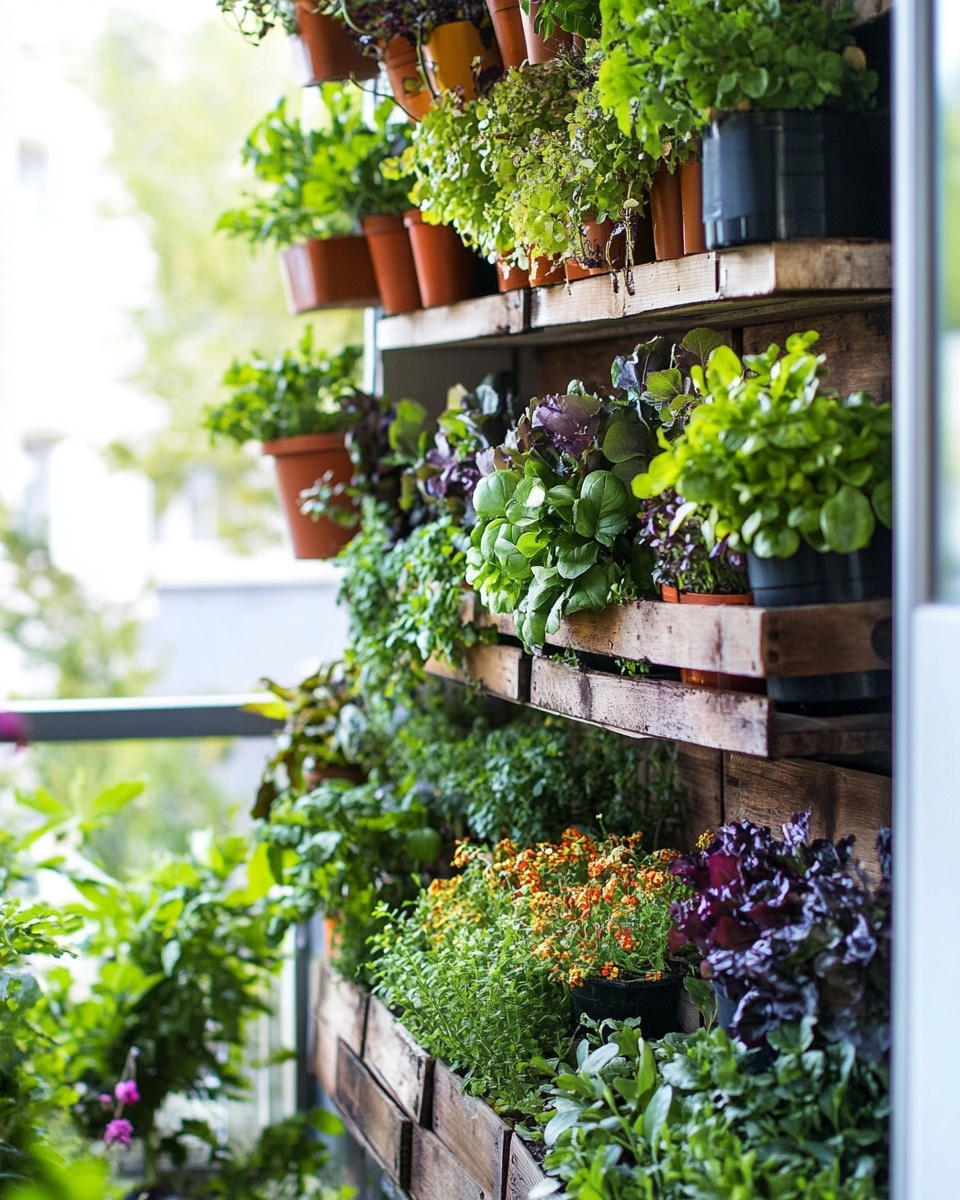
- Vertical Gardens Galore: Embrace verticality! Wall-mounted planters, repurposed shoe organizers, or custom-built pallet gardens can turn a blank wall into a living tapestry. This not only maximizes planting space but also creates a stunning focal point. Imagine a wall of lush herbs or cascading petunias. For inspiration, check out Vertical Balcony Herb Garden Design Ideas.
- Multi-functional Furniture: Invest in benches with built-in planters or tables that double as potting stations. This is especially good for tiny patios where every inch counts. Stackable planters are another smart solution, creating a tiered garden in a minimal footprint.
- Layered Planting for Visual Appeal: Combine plants with varying heights, textures, and colors in a single large container. For instance, plant tall ornamental grasses in the back, trailing petunias over the sides, and a mid-height colorful coleus in between. This creates depth and visual interest, making your small garden feel larger and more dynamic.
- Lighting Ambiance: Don't forget ambient lighting! Solar-powered string lights, lanterns, or small spotlights can highlight your plants and extend the enjoyment of your patio into the evening. This transforms your garden into an enchanting outdoor living room.
- Repurposed Decor: Give everyday items a new life. An old bicycle can become a charming planter holder, vintage teacups can house succulents, and colorful glass bottles can be used as decorative accents. For more decor inspirations, visit this Pinterest board.
- Edible Landscaping: Integrate edible plants into your ornamental designs. Cherry tomatoes can trail beautifully, colorful chard adds visual pop, and herbs can be tucked into flower beds, allowing you to harvest fresh ingredients steps from your door.
Common Mistakes to Avoid
Even seasoned gardeners make mistakes, but knowing the pitfalls can help you navigate your small-space garden journey more smoothly. Avoiding these common errors ensures your patio ideas thrive.
- Overwatering/Underwatering: This is by far the most common killer of container plants. As mentioned, overwatering can lead to root rot. Conversely, underwatering, especially in hot weather, can cause wilting and stunted growth. Expert Tip: A soil moisture meter is a wise investment, or simply check the soil with your finger before watering. If the top 1-2 inches are dry, it's likely time to water.
- Insufficient Drainage: Pots without drainage holes become waterlogged death traps for roots. Always ensure adequate drainage. If a pot lacks holes, drill them! Without proper drainage, soil remains saturated, suffocating roots and leading to fungal diseases.
- Ignoring Sunlight Requirements: Placing a sun-loving plant in deep shade or a shade-lover in scorching sun is a recipe for disaster. Observe your space for a few days to understand its light patterns before planting. Most edibles need at least 6-8 hours of direct sun. Plants receiving inadequate light often stretch (become "leggy") in search of sun, producing weak stems and few flowers or fruits.
- Overcrowding Containers: While you might be tempted to put many plants in one pot, overcrowding leads to competition for nutrients, water, and light. This results in stunted growth and increased susceptibility to pests and diseases. Give each plant sufficient space based on its mature size. A good rule of thumb: ensure there's enough space for air to circulate between plants.
- Neglecting Fertilization: Container plants exhaust soil nutrients much faster than in-ground plants. Failing to fertilize regularly will lead to nutrient deficiencies, visible as yellowing leaves or poor growth. Consistent, diluted feeding is better than infrequent, heavy doses.
- Using Garden Soil in Pots: Garden soil is too dense and doesn't drain well in containers, leading to compaction and root suffocation. Always use a high-quality potting mix specifically formulated for containers.
Maintenance & Storage Tips
Long-term success in your small-space garden, particularly with these patio ideas, goes beyond just planting. Thoughtful maintenance and smart preparation for seasonal changes will ensure your green haven flourishes year after year.
- Seasonal Rotation: As seasons change, some plants might thrive better indoors or in a sheltered spot. Move tender herbs or small citrus trees indoors during colder months. For annuals that have completed their life cycle, remove them promptly to free up space for new plantings.
- Pruning for Health: Regular pruning isn't just for aesthetics; it promotes air circulation (reducing fungal issues), encourages new growth, and helps maintain plant vigor. Remove any yellowing, diseased, or dead leaves immediately.
- Soil Rejuvenation: After a growing season, the potting mix in your containers can deplete its nutrients and structure. Before replanting, consider partially replacing old soil with fresh potting mix or amending it with compost and a slow-release granular fertilizer. This revitalizes the growing medium.
- Pest and Disease Management: Stay vigilant. Inspect your plants regularly for any signs of pests (small insects, chewed leaves, sticky residue) or diseases (spots, mildew, wilting). Isolate affected plants if possible and treat with organic solutions like neem oil or insecticidal soap at the first sign of trouble. Early intervention is key.
- Tool Care: Clean your gardening tools after each use. A quick wipe down prevents rust and the spread of plant diseases. Sharpen pruning shears annually for clean cuts.
- Seed Storage: If you're saving seeds from your harvest or buying packets for next season, store them in a cool, dry, dark place in airtight containers. Properly stored seeds can remain viable for several years.
- Winterizing Pots: For terracotta or ceramic pots, empty them and store them upside down in a garage or shed over winter to prevent cracking due to freezing and thawing cycles. Plastic pots are generally more resilient but storing them away can extend their lifespan.
Conclusion
Transforming a small balcony or patio into a vibrant, productive garden is not just a possibility; it's an incredibly rewarding journey that brings nature closer to home. By embracing clever patio ideas like vertical gardening, smart container choices, and eco-conscious practices, you can cultivate a space that not only looks beautiful but also provides fresh herbs, vegetables, and a tranquil escape. We’ve explored everything from essential tools to seasonal care, dispelling the myth that you need vast expanses of land to garden successfully. The benefits—from improved air quality and mental well-being to the sheer joy of harvesting your own food—are immense.
So, what are you waiting for? Grab a pot, choose your favorite plant, and start digging! Your compact outdoor space holds untold potential. We encourage you to share your progress and triumphs. Snap a photo of your blooming balcony or your burgeoning herb garden and tag us on social media! Let your small space inspire big dreams.
FAQ
Q1: What are the best plants for a beginner patio garden with limited sun?
A1: For limited sun patio ideas, leafy greens (lettuce, spinach, kale), herbs (mint, parsley, cilantro), and shade-tolerant flowers like impatiens or fuchsias are excellent choices. They tolerate 3-4 hours of direct sun or bright indirect light.
Q2: How often should I water my container plants?
A2: Watering frequency largely depends on plant type, pot size, and weather. A good rule of thumb for your patio garden is to check the top 1-2 inches of soil daily. If it's dry, water thoroughly until it drains from the bottom. Deeper, less frequent watering is generally better than shallow, frequent watering. A moisture meter can also be very helpful.
Q3: Can I grow vegetables on a small balcony or patio?
A3: Absolutely! Many vegetables are perfectly suited for small spaces. Look for "dwarf," "patio," or "bush" varieties of tomatoes, peppers, cucumbers, and squashes. Root vegetables like carrots and radishes, and leafy greens, also flourish in containers, making them perfect patio ideas.
Q4: What's the secret to keeping pests away from my patio garden?
A4: Prevention is key! Regularly inspect your plants, ensure good air circulation, and practice companion planting (e.g., marigolds deter nematodes). If pests appear, use organic solutions like neem oil or insecticidal soap. Healthy plants are naturally more resistant to pests.
Q5: How can I maximize vertical space in my small garden?
A5: Vertical gardening is a game-changer for small patio ideas! Use tiered planters, wall-mounted grow bags, trellises for climbing plants (like beans or small cucumbers), or repurposed pallet gardens. This expands your growing area upwards, creating a lush, multi-dimensional garden.
Q6: Is it better to start plants from seeds or purchase seedlings?
A6: Both options have merits for your patio garden. Seeds are more economical and offer a wider variety, but they require more time and care. Seedlings provide an instant garden and a higher success rate for beginners. Consider starting small and easy-to-grow seeds like lettuce or radishes, and buying seedlings for more challenging plants like tomatoes.
Q7: What are some eco-friendly alternatives for garden soil in pots?
A7: Instead of traditional garden soil, use organic potting mixes that often contain coco coir or compost. You can also make your own by mixing compost, perlite, and a soilless medium. These environmentally conscious options support healthy root development and promote sustainable gardening practices among your patio ideas.
Here are some other guides you might find useful for cultivating your green oasis:
- Dive Deeper into Balcony Gardening: If these patio ideas have inspired you to explore more specific layouts, our post on Balcony Herb Garden Design Ideas offers fantastic visual and practical advice to create your dream balcony garden.
- Starting Fresh? For those completely new to gardening, checking out How to Start a Vegetable Garden from Scratch provides a comprehensive foundation that can be adapted to smaller spaces.
- Herbs in Small Spaces: Ready to populate your patio with aromatic plants? Our guide to Herbs That Grow Well in Small Spaces details the best varieties and how to care for them.
- Space-Saving Flower Ideas: Beyond edibles, you can also consider flowers! Get more inspiration for designing beautiful flower displays even in compact areas with our Small Space Flower Garden Design Ideas.
- Vertical Gardening Inspiration: To truly unlock the potential of your small outdoor area, explore Vertical Indoor Garden Ideas for Small Spaces, which offers innovative ways to grow upwards, even though the article focuses on indoor spaces, it can provide great ideas.