Introduction
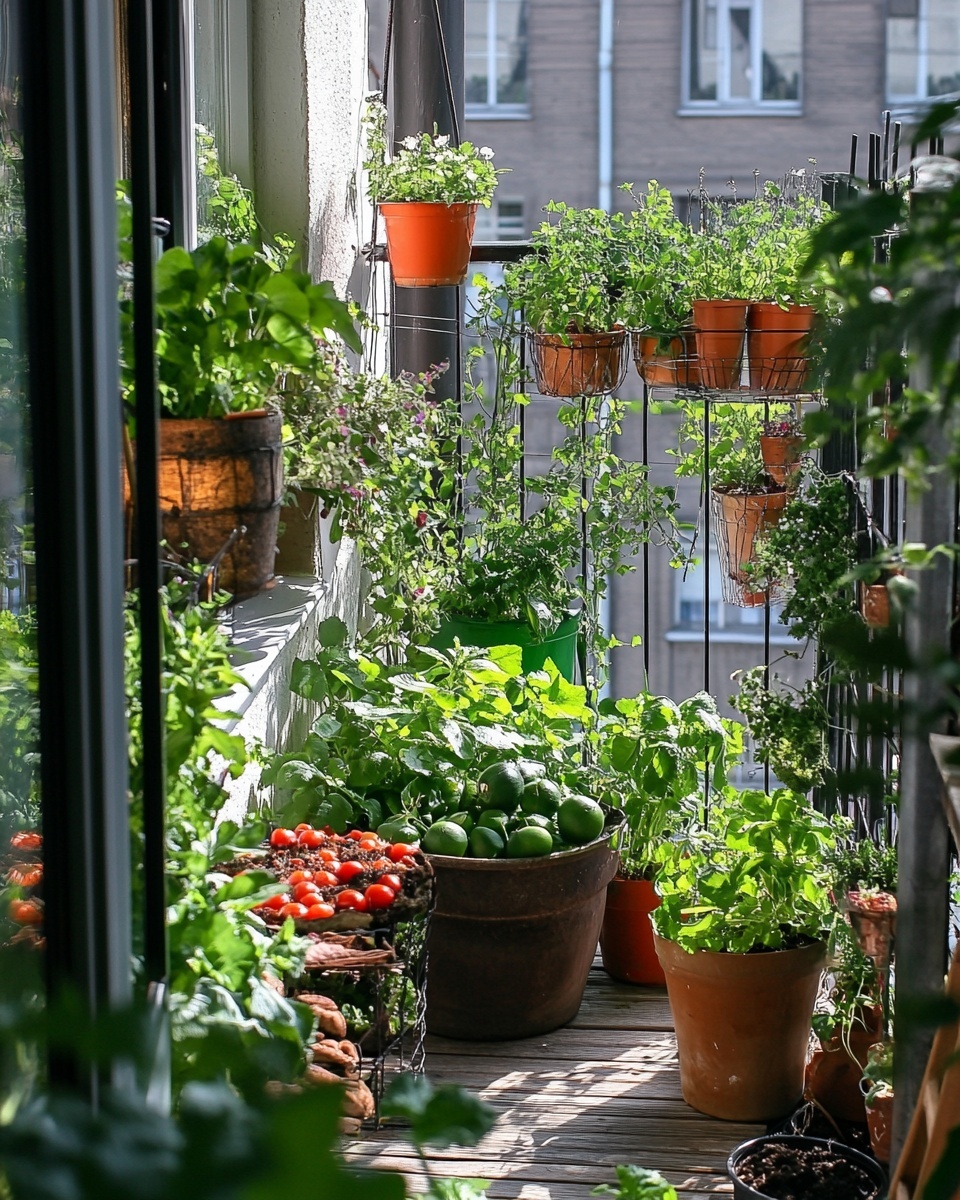
Do you dream of harvesting fresh, aromatic herbs for your culinary adventures but believe your small city apartment means this dream is out of reach? Think again! Contrary to popular belief, cultivating a thriving balcony herb garden for apartments is not only possible but incredibly rewarding. Studies show that urban gardening, even on a small scale, can significantly improve mental well-being by reducing stress levels by up to 20%. Today, we’ll dive deep into transforming your compact outdoor space into a verdant oasis, brimming with fragrant herbs. You don't need acres of land; just a little know-how, the right tools, and a dash of gardening passion will get you started on your journey to fresh, home-grown flavor.
Tools & Materials Needed
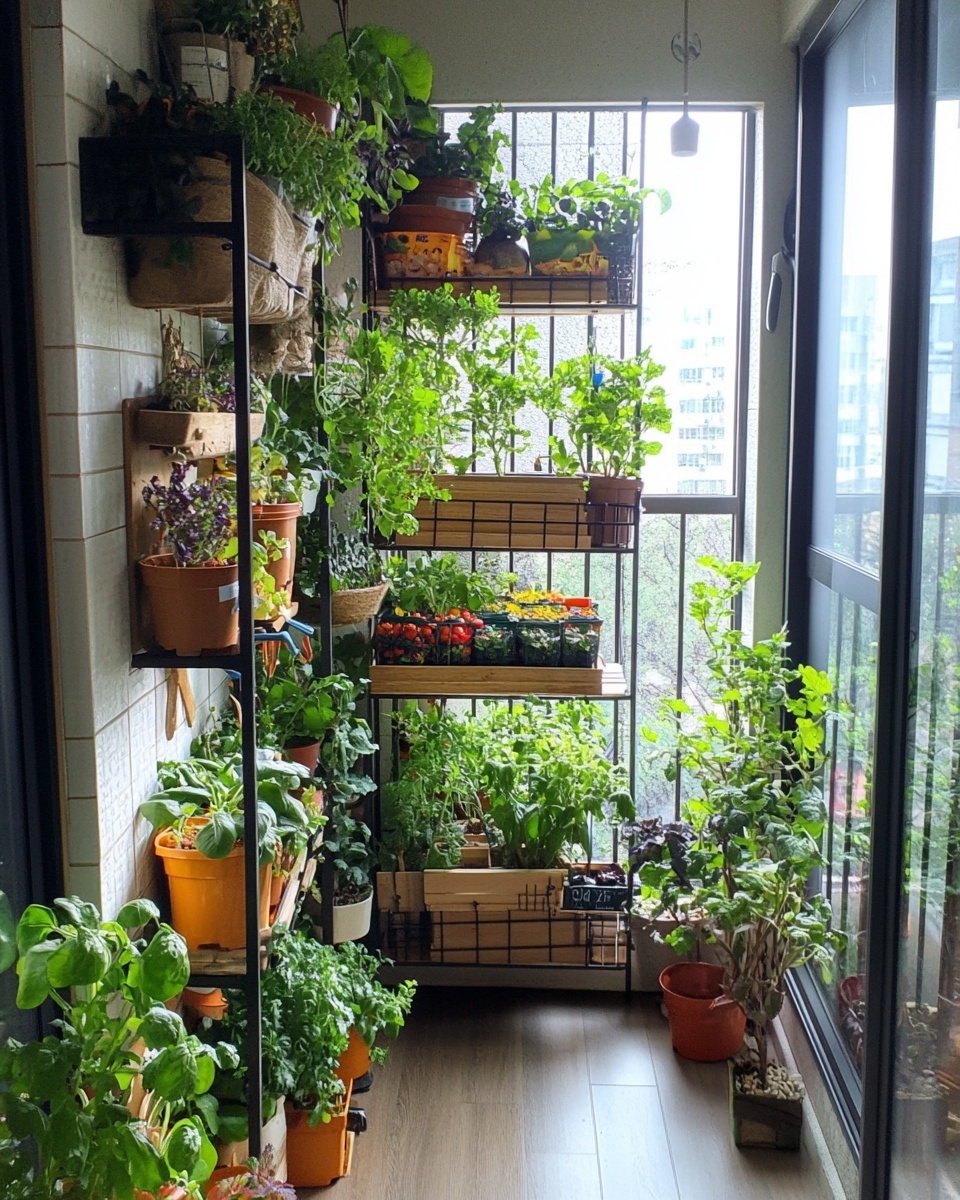
Embarking on your balcony herb garden adventure requires a thoughtful selection of tools and materials. Choosing wisely not only sets you up for success but also helps you cultivate an eco-friendly space.
- Pots and Planters: Variety is key! Opt for terracotta for good drainage, ceramic for aesthetics, or repurposed plastic containers for an eco-friendly twist. Self-watering planters are excellent for busy gardeners, and vertical planters (like wall-mounted pockets or tiered shelves) are fantastic for maximizing space, especially in a balcony herb garden for apartments. Consider containers with a minimum of 6-inch depth for most herbs, as their roots need room to grow.
- Quality Potting Mix: Forget garden soil! It’s too dense for containers. Look for a well-draining, nutrient-rich potting mix specifically designed for potted plants. A good mix will often contain perlite or vermiculite for aeration and peat or coco coir for moisture retention. For a budget-friendly option, you can mix your own: 60% coco coir/peat moss, 20% compost, and 20% perlite.
- Herb Seeds or Seedlings: Starting from seedlings gives you a head start, often shaving weeks off the growth time. For seeds, opt for open-pollinated or organic varieties. Popular choices for a balcony herb garden for apartments include basil, mint, rosemary, thyme, chives, and parsley.
- Small Trowel and Hand Pruners: Essential for planting and harvesting. A good quality stainless steel trowel will last for years, and sharp pruners ensure clean cuts, promoting healthier plant growth.
- Watering Can with a Fine Rose Sprinkler: Gentle watering is crucial, especially for young seedlings and delicate herbs. A fine rose sprinkler prevents soil displacement and protects tender leaves.
- Gardening Gloves: Protect your hands from soil and potential irritants.
- Organic Fertilizer: A balanced, slow-release organic fertilizer or compost tea will give your herbs the boost they need. Worm castings are a fantastic, natural, and budget-friendly option.
- Drainage Trays/Saucers: To catch excess water and prevent drips onto your balcony floor or neighbors below.
Time & Effort Overview
Creating and maintaining a thriving balcony herb garden is a surprisingly manageable endeavor, perfectly suited for even the busiest schedules.
- Initial Setup (Planting): Expect to dedicate about 2-4 hours for the initial planting of a small balcony herb garden for apartments. This includes selecting pots, preparing soil, and sowing seeds or transplanting seedlings.
- Daily Check-ins: 5-10 minutes each day. This involves checking soil moisture, observing plant health, and a quick harvest if needed.
- Weekly Maintenance: 30-60 minutes. This includes thorough watering, light pruning, and pest checks.
- Monthly Fertilization: 10-15 minutes. Most herbs benefit from a light feeding every 3-4 weeks during their active growing season.
Comparatively, many common culinary herbs like basil and mint can show significant growth within 2-3 weeks from seedlings, growing approximately 30% faster than some slower-growing vegetables. The difficulty level for a basic balcony herb garden for apartments is firmly in the beginner category. With consistent care and attention, anyone can achieve a productive and beautiful space.
Step-by-Step Gardening Process
Let’s get your hands dirty and begin cultivating your very own fragrant oasis!
Prepare Your Pots
First, ensure your chosen pots have drainage holes. If not, drill a few or add a layer of gravel at the bottom. This prevents waterlogging, which can be the death of many herbs. Then, fill your pots with your chosen quality potting mix, leaving about an inch of space from the rim.
Plant Your Seeds or Seedlings
If using seeds, follow the packet instructions for planting depth and spacing. For seedlings, gently remove them from their nursery pots, being careful not to damage the roots. Create a small hole in your potting mix, place the seedling, and gently backfill with soil, lightly firming it around the base. Don't worry if the roots look a little tangled; they'll usually sort themselves out in their new home.
Initial Watering
After planting, give your herbs a good, thorough watering until you see water draining from the bottom of the pot. This helps settle the soil around the roots. For seeds, use your watering can with the fine rose to avoid disturbing them.
Position for Sunlight
Place your newly planted herbs in a spot on your balcony that receives adequate sunlight. Most herbs thrive with at least 6 hours of direct sunlight per day. If your balcony gets less sun, choose shade-tolerant herbs like mint, parsley, or chives.
Regular Watering
Check the soil moisture daily by sticking your finger about an inch deep. If it feels dry, it's time to water. Water deeply until water drains from the bottom. Overwatering is a common mistake; 60% of houseplant problems, including herbs, are attributed to improper watering. Here’s how to fix it: if the soil is consistently soggy, try larger drainage holes or repotting with better drainage.
Pruning and Harvesting
Once your herbs have established themselves and grown a few inches tall, start pruning. Regularly pinching off the top leaves encourages bushier growth and prevents leggy plants. This also gives you fresh herbs to enjoy! For leafy herbs like basil and mint, harvest by pinching off the top sets of leaves. For stem herbs like rosemary and thyme, snip off the tips.
Growth & Care Tips
Consistent care is the secret to a verdant and productive balcony herb garden for apartments.
- Watering Frequency: As a general rule, an established herb garden often needs watering every 1-3 days, depending on the plant type, pot size, and weather. In hot, dry conditions, daily watering might be necessary. Always check the soil first.
- Sunlight Exposure: Most culinary herbs are Mediterranean in origin and love sunlight, needing a minimum of 6 hours of direct sun daily. Basil, rosemary, thyme, oregano, and lavender fall into this category. If your balcony is shadier, consider herbs like mint, parsley, cilantro, and chives, which tolerate partial shade (3-5 hours of direct sun).
- Pruning for Abundance: Regular pruning is paramount. It encourages lateral growth, making your plants bushier and increasing yield. For example, consistent harvesting of basil can increase production by up to 50% over its lifespan. Pinch back flowers as they appear, especially on basil, to send energy back into leaf production.
- Fertilization Schedule: While herbs aren't heavy feeders, they benefit from occasional boosting. Every 3-4 weeks during the growing season, feed them with a diluted liquid organic fertilizer or a handful of worm castings. Over-fertilizing can lead to lush foliage but diminished flavor.
- Pest Prevention: Vigilance is your best defense. Inspect your herbs regularly for signs of pests like aphids or spider mites. A simple spray of insecticidal soap or neem oil is often enough to deter them. Companion planting specific herbs, like placing marigolds near your garden, can naturally deter various pests.
Eco-Friendly & Sustainable Alternatives
Cultivating a sustainable balcony herb garden for apartments means making conscious choices that benefit both your plants and the planet.
- Composting in Small Spaces: Even a balcony can host a small worm farm (vermicompost bin) or a compact bokashi compost system. These convert kitchen scraps into nutrient-rich compost and “compost tea,” reducing waste and providing fantastic organic fertilizer.
- DIY Organic Fertilizers: Instead of store-bought chemicals, brew your own compost tea or use coffee grounds (for acid-loving plants), eggshells (for calcium), or Epsom salts (for magnesium) in moderation. You can find excellent recipes for organic fertilizers for your herb garden at https://pincraftpro.com/organic-fertilizer-recipes-for-herb-gardens/.
- Water Conservation: Use self-watering planters or add a layer of mulch (like coco coir or dried leaves) to the top of your soil to reduce evaporation. Collect rainwater if feasible. Grouping plants with similar watering needs together can also help optimize water use.
- Repurposing Containers: Give new life to old plastic bottles, tin cans, or wooden crates by transforming them into planters. Ensure they have adequate drainage. This DIY approach not only saves money but also reduces waste. Explore creative ideas at https://pincraftpro.com/diy-indoor-herb-garden-with-recycled-containers/.
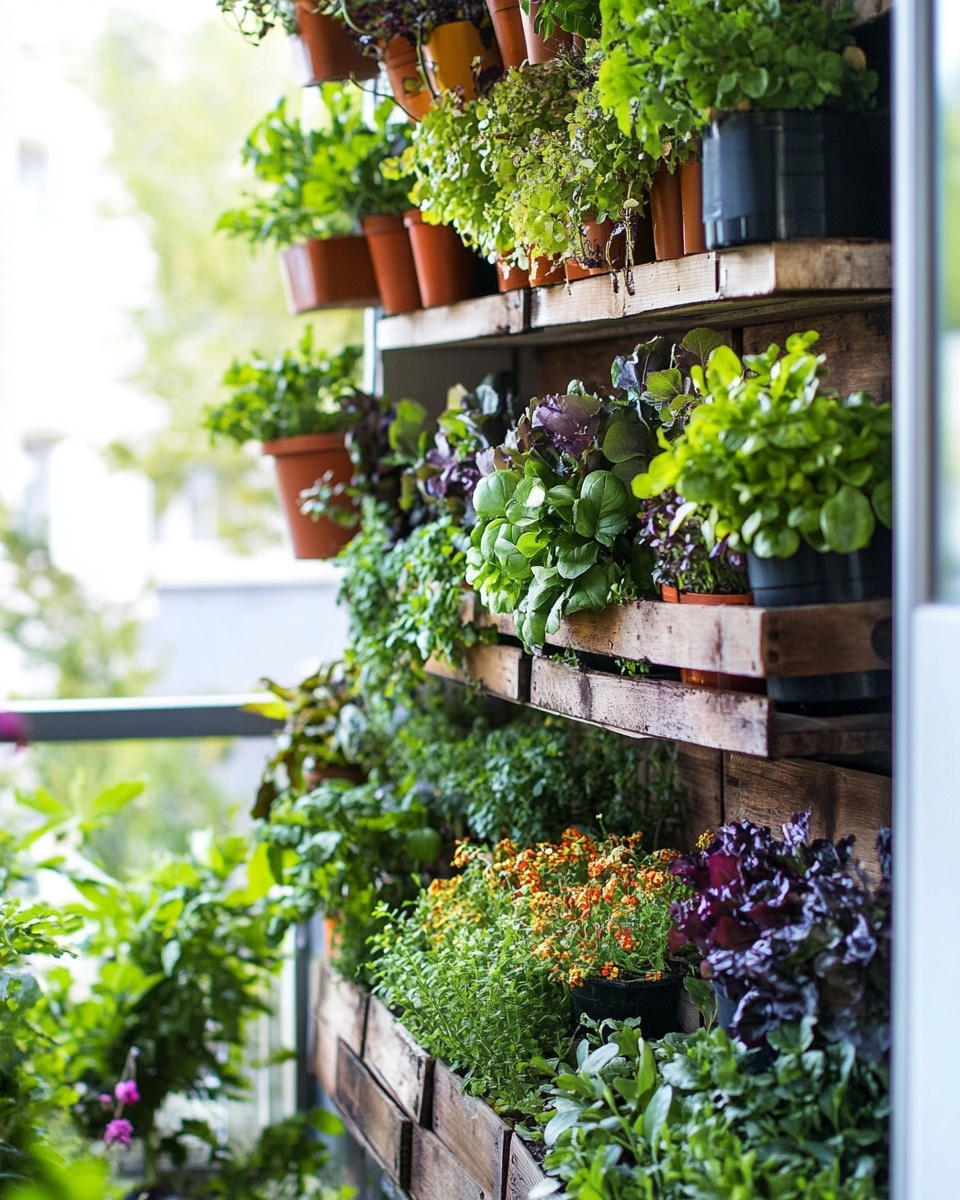
- Vertical Gardening Solutions: This is a game-changer for small balconies. From stacking planters to wall-mounted felt pockets or pallet gardens, vertical designs maximize your growing area without taking up precious floor space, making your balcony herb garden for apartments incredibly efficient. Learn more about vertical designs at https://pincraftpro.com/vertical-balcony-herb-garden-design-ideas/.
Creative Ideas & Uses
Beyond functionality, your balcony herb garden for apartments can also be a beautiful and inspiring part of your living space.
- Aesthetic Groupings: Combine herbs with varied foliage textures and colors. For instance, the feathery dill next to the broad leaves of basil, or the delicate chives contrasting with strong rosemary needles. Add small decorative elements like painted stones or miniature statuettes.
- Repurposed Charm: Get creative with your planters. Old leaky teacups can become adorable homes for small succulents or thyme. Vintage colanders make excellent hanging baskets, perfect for a quirky touch on your balcony railing. Discover how to create DIY hanging herb planters for balconies for a unique display.
- Design for Ambiance: Consider how light interacts with your plants throughout the day. Add small, solar-powered fairy lights to illuminate your herbs at night, creating a magical atmosphere. Position taller plants toward the back and shorter, cascading herbs like creeping thyme near the edges to create depth and visual interest. For more inspiration, check out https://www.pinterest.com/janatjanay47/.
- Culinary Combinations: Group herbs you frequently use together in cooking. A "Pizza Garden" with oregano, basil, and thyme, or a "Cocktail Garden" with mint, lemon balm, and rosemary, makes harvesting a breeze and inspires new culinary creations. You might also explore best companion herbs to grow together for synergistic benefits.
- Sensory Experience: Place fragrant herbs like lavender, mint, and lemon balm where you'll brush past them often, releasing their delightful aromas. This turns your balcony into a fragrant retreat.
Common Mistakes to Avoid
Even seasoned gardeners make mistakes, especially when venturing into container gardening. Knowing what to watch out for can save you a lot of headache and heartbreak in your balcony herb garden for apartments.
- Overwatering: This is arguably the most common killer of container plants. Constantly soggy soil suffocates roots, leading to root rot. Data suggests root rot accounts for about 60% of plant deaths in beginner gardens. Prevention: Always check the soil moisture before watering. Let the top inch or two dry out. Ensure pots have excellent drainage.
- Underwatering: The opposite extreme. Herbs will wilt, yellow, and eventually die if they don't receive enough water. Prevention: Consistent moisture (not soggy!) is key. In hot weather, especially with terracotta pots, daily checks are crucial.
- Insufficient Sunlight: Most herbs demand at least 6 hours of direct sunlight. Placing them in a perpetually shady spot will result in spindly, weak growth and poor flavor. Prevention: Observe your balcony's sun patterns throughout the day and choose herbs suitable for the light conditions. Rotate pots if necessary to ensure even exposure.
- Over-fertilizing: While essential, too much fertilizer can burn roots, leading to yellowing leaves and reduced plant vigor. More isn't always better. Prevention: Use organic fertilizers sparingly and at diluted strengths. Remember, herbs are not heavy feeders.
- Ignoring Pests: A small pest problem can quickly escalate into an infestation, especially in the confined space of a balcony. Prevention: Regular inspection (check both sides of leaves) is vital. Act immediately at the first sign of pests. Organic solutions like insecticidal soap are effective and safe.
- Using Garden Soil: Garden soil is heavy, compacts easily, and lacks the necessary drainage and aeration for potted plants. It often contains weed seeds and pathogens. Prevention: Always use a high-quality potting mix specifically formulated for containers.
Maintenance & Storage Tips
Ensuring the longevity and productivity of your balcony herb garden for apartments involves consistent care and smart storage.
- Long-Term Plant Health:
- Pruning for Rejuvenation: For woody herbs like rosemary and thyme, prune them annually to remove old, woody growth and encourage fresh new shoots. For leafy herbs like mint and basil, continuous harvesting acts as pruning.
- Repotting: As herbs grow, they may become root-bound. When roots start circling the bottom of the pot or growing out of drainage holes, it's time to move to a slightly larger pot. This usually happens every 1-2 years for perennial herbs.
- Soil Amendment: Over time, nutrients in potting mix deplete. Top-dress your pots with a layer of fresh compost or worm castings every spring to replenish vital nutrients.
- Seed Storage: If you're saving seeds or have leftover packets, store them in a cool, dry, dark place in airtight containers. This maintains viability for longer, potentially for several years. Label them clearly with the date.
- Seasonal Care:
- Winter Protection: If you live in a region with cold winters, bring tender herbs (like basil) indoors or provide protection (e.g., horticultural fleece) for hardy herbs. Other herbs like parsley or chives can often survive with minimal effort. Learn how to grow herbs indoors and move them to a balcony.
- Summer Heat: During intense summer heat, move sensitive herbs to a shadier spot during the hottest part of the day, or increase watering frequency. Ensure good air circulation to prevent fungal issues.
- Addressing Common Issues:
- Yellow Leaves: Often indicates overwatering or nutrient deficiency. Check soil moisture first. If dry, water. If wet, let it dry out. If neither, consider a light feeding.
- Poor Soil Drainage: If water sits on top of the soil or drains very slowly, the soil might be compacted or the drainage holes are blocked. Gently aerate the soil with a chopstick or check and clear drainage holes. Repotting with fresh, well-draining soil is often the best solution.
Conclusion
You’ve embarked on an exciting journey, proving that a lack of sprawling green space is no barrier to cultivating a vibrant balcony herb garden for apartments. From selecting the right tools and understanding optimal sunlight to mastering watering techniques and preventing common pitfalls, you now possess the knowledge to transform your balcony into a fragrant, productive haven. Imagine the joy of snipping fresh basil for your pasta, or plucking mint for your evening tea, all from your urban sanctuary. The benefits extend beyond culinary delights; tending to plants is a therapeutic act, connecting you with nature and enriching your daily life. Don't let your small space deter you – start planting today, share your blossoming creations on social media (use #MyBalconyHerbGarden!), and join our community of urban gardeners. Your green thumb awaits!
FAQ
Q1: What are the best herbs for a beginner balcony herb garden for apartments?
A1: For beginners, start with resilient and easy-to-grow herbs. Mint, basil, chives, parsley, and rosemary are excellent choices as they are generally forgiving and adapt well to container life on a balcony.
Q2: How much sun does a balcony herb garden need?
A2: Most culinary herbs, like those in a typical balcony herb garden for apartments, thrive on at least 6 hours of direct sunlight per day. If your balcony is shadier, opt for herbs like mint, cilantro, and parsley, which can tolerate partial shade (3-5 hours of sun).
Q3: How often should I water my balcony herbs?
A3: Watering frequency depends on weather, pot size, and herb type. A good rule of thumb is to check the soil daily: stick your finger about an inch deep. If it feels dry, water thoroughly until it drains from the bottom. Avoid overwatering; consistency is key. You can find more targeted tips at https://pincraftpro.com/how-to-water-balcony-herbs-without-overwatering/.
Q4: Can I grow herbs from seeds or should I buy seedlings?
A4: Both methods work! Starting from seedlings offers a faster start, especially for new gardeners, and is ideal for a quick balcony herb garden for apartments. Growing from seeds is more economical and allows for a wider variety of choices but requires a bit more patience and care during germination.
Q5: What kind of soil is best for balcony herbs?
A5: Always use a high-quality potting mix specifically designed for containers. It provides the necessary drainage, aeration, and nutrients that garden soil lacks, which is crucial for the confined space of a balcony herb garden for apartments.
Q6: My herbs are getting leggy. What should I do?
A6: Leggy growth often indicates insufficient sunlight or a need for pruning. Ensure your herbs are getting enough light. Regularly pinch back the top growth to encourage bushier, more compact growth. This redirects the plant's energy to produce more leaves rather than just height.
Q7: How do I keep pests away from my balcony herb garden?
A7: The best defense is a good offense! Regularly inspect your plants for any signs of pests. If you spot them, organic solutions like insecticidal soap or neem oil are effective. Companion planting with pest-deterring flowers like marigolds can also help.
Explore More Gardening Adventures!
If you've enjoyed cultivating your new balcony herb garden for apartments, you might be interested in expanding your green horizons.
- Want more ideas for making the most of a compact space? Check out our guide on Vertical Balcony Herb Garden Design Ideas for innovative solutions.
- For those curious about starting small indoors before moving outdoors, our article on How to Grow Herbs Indoors & Move Them to Balcony offers practical advice.
- Ready to get serious about specific herbs even in your small space? Don't miss our insights on Herbs That Grow Well in Small Spaces.
- Considering different design elements beyond just herbs? Dive into Balcony Herb Garden Design Ideas.
- Looking for even more ways to DIY and save money? Our post on DIY Balcony Herb Garden With Recycled Containers is perfect for creative gardeners.