Introduction
Did you know nearly 35% of U.S. households now engage in some form of home food production, a significant jump that shows our growing desire for fresh, homegrown produce? What if I told you that transforming your backyard into a thriving source of delicious vegetables is not only achievable but also incredibly straightforward, even if you’ve never put a seed in the ground before? Forget the struggle of taming a vast, uneven plot; the secret lies in mastering the raised bed system, an ingenious method that simplifies soil management, pest control, and ensures a bountiful backyard vegetable garden without the back-breaking effort. Raised beds aren't just a trend; they’re a proven, data-backed approach to gardening success, offering superior drainage and warmer soil temperatures earlier in the season, which can extend your growing window by weeks!
Tools & Materials Needed
Getting started with your raised bed backyard vegetable garden requires a few key items, but don't worry, many can be repurposed or found affordably. Think of this as your gardening toolkit, designed for efficiency and long-term success.
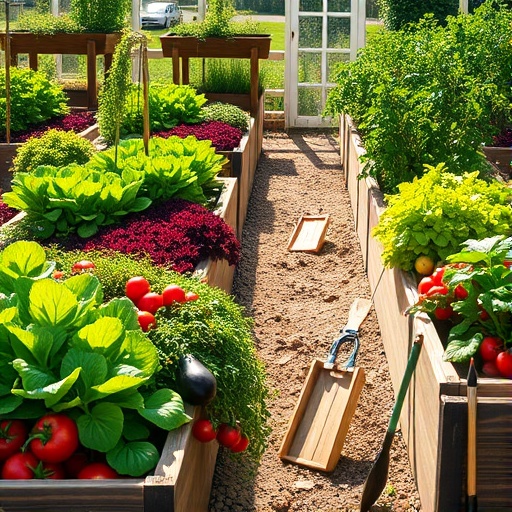
- Raised Bed Frame: You can purchase kits made from cedar (naturally rot-resistant and beautiful), redwood, or recycled plastic. For a budget-friendly and eco-conscious alternative, consider untreated pine, composite decking, or even repurposed cinder blocks. Standard dimensions like 4×8 feet or 4×4 feet are popular for accessibility and reach. Aim for a depth of at least 10-12 inches to allow for good root development.
- Cardboard (untreated): A fantastic, free weed barrier. Make sure it's free of glossy finishes or heavy inks.
- High-Quality Potting Mix or Raised Bed Soil Blend: This is crucial. Don't use heavy garden soil straight from your yard. A good blend provides optimal drainage and nutrients. You'll need a mix of compost (for fertility), coco coir or peat moss (for moisture retention), and perlite or vermiculite (for aeration). Aim for a ratio of 50-60% compost, 30-40% coco coir/peat, and 10-20% perlite, or buy a ready-made raised bed mix.
- Gardening Shovel or Spade: For moving soil and digging planting holes.
- Hand Trowel: Essential for precision planting and weeding.
- Gardening Fork: Helps loosen and aerate soil.
- Gardening Gloves: Protect your hands from dirt, thorns, and blisters.
- Watering Can or Hose with a Gentle Sprayer: Consistent moisture is key.
- Seeds or Seedlings: Start with easy-to-grow vegetables like lettuce, radishes, bush beans, or cherry tomatoes. (A great resource for beginner-friendly vegetables is right here on our site!)
- Optional but Recommended:
- Drill/Screwdriver: If assembling a raised bed kit.
- Wheelbarrow: For easily transporting soil and compost.
- Garden Fabric/Weed Barrier: An alternative to cardboard if you prefer.
- Organic Fertilizer: For a nutrient boost, especially if your soil blend is light on nutrients. A granular organic option works well.
Time & Effort Overview
Starting a raised bed backyard vegetable garden is surprisingly time-efficient. For most beginners, setting up a standard 4×8 foot raised bed from scratch takes about 2-4 hours, including assembly and soil filling. Planting your initial batch of seeds or seedlings might add another 1-2 hours.
The real beauty lies in the ongoing maintenance. Raised beds reduce weeding time by up to 70% compared to traditional in-ground gardens because fewer weed seeds can settle. Watering is also more efficient, potentially cutting water usage by 20-30% due to better water retention and direct root absorption.
This project is decidedly beginner-friendly. You'll see quick rewards with fast-growing crops like radishes ready in just 3-4 weeks, significantly faster than some perennial herbs which can take months to establish a harvestable yield. With raised beds, you bypass common challenges like poor native soil and extensive tilling, making it an ideal entry point into successful food gardening.
Step-by-Step Gardening Process
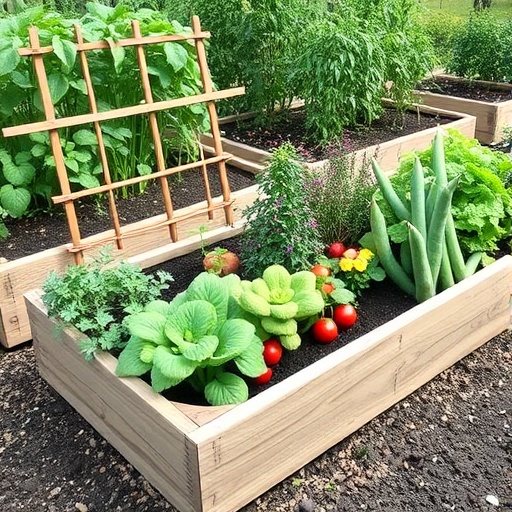
Ready to embark on your exciting journey to a plentiful backyard vegetable garden? Here’s your straightforward guide:
Step 1: Choose Your Site
Location is everything! Pick a spot in your yard that receives at least 6-8 hours of direct sunlight daily for most vegetables. Observe your yard throughout the day to confirm. Ensure easy access to a water source and make sure the ground is relatively level.
Step 2: Assemble Your Raised Bed
Follow the manufacturer’s instructions carefully if using a kit. If building your own, ensure the construction is sturdy. Place the assembled frame directly on your chosen site. Don't worry if the ground isn't perfectly flat; you can slightly level it or shim with rocks if needed.
Step 3: Prepare the Base Layer
Line the bottom of your raised bed with several layers of untreated cardboard. This acts as an excellent weed barrier, suppressing existing grass and weeds. It will also break down over time, adding organic matter to your soil. Overlap the edges to ensure no gaps.
Step 4: Fill with High-Quality Soil
This is where your plants will thrive! Start by adding a layer of coarse organic material like small branches or straw (optional, but helps with drainage and reduces the amount of expensive soil needed). Then, fill the bed with your prepared soil mix or a high-quality raised bed blend. Fill it to about an inch or two from the top. Gently moisten the soil as you fill to help it settle.
Step 5: Plan Your Planting Layout
Before planting, visualize where each vegetable will go. Consider companion planting (planting beneficial plants together) and plant spacing. Taller plants should go on the north side of the bed so they don't shade shorter plants. This step is a fun way to design your backyard vegetable garden!
Step 6: Plant Your Seeds or Seedlings
Follow the planting depth and spacing instructions on your seed packets or seedling tags. For seeds, make small furrows or holes, drop in seeds, and lightly cover with soil. For seedlings, dig a hole slightly larger than the root ball, gently place the seedling, and backfill with soil. Lightly firm the soil around the base.
Step 7: Initial Watering
After planting, give your entire raised bed a good, gentle watering. Use a watering can with a fine rose or a hose with a shower setting to avoid dislodging seeds or tender seedlings. The goal is to moisten the soil thoroughly, ensuring water reaches the bottom.
Step 8: Label Your Plants
Don't underestimate this step! Use plant markers or homemade labels to identify what you’ve planted. This is especially helpful for beginners and ensures you don't mistake a weed for a valuable crop. Here’s how to fix that common "what did I plant here?" dilemma down the line!
Growth & Care Tips
Once your backyard vegetable garden is planted, consistent care is paramount for a luscious harvest.
- Watering Frequency: Raised beds tend to dry out faster than in-ground gardens due to increased airflow and drainage. Check the soil moisture daily by sticking your finger an inch or two into the soil. If it feels dry, it's time to water. Aim for deep, infrequent watering rather than shallow, frequent sprinkles. This encourages roots to grow deeper, making plants more resilient. On average, most raised beds need watering 2-3 times a week, but hot, windy weather might require daily watering.
- Sunlight Exposure: As noted, most vegetables need 6-8 hours of direct sun. If the plants are looking leggy or failing to produce flowers/fruit, it might be a sign they need more light.
- Pruning: For certain crops like tomatoes and some peppers, strategic pruning can improve air circulation and fruit production. For indeterminate tomatoes, consider pinching off suckers (small shoots growing between the main stem and a leaf branch) to direct energy into fruit. Studies show this can increase fruit yield by 10-20% and reduce disease incidence.
- Fertilization: Even with nutrient-rich soil, your plants will eventually deplete available nutrients. About 4-6 weeks after planting, consider a liquid organic fertilizer application or top-dress with a layer of compost. Follow the product's instructions. A balanced NPK (Nitrogen-Phosphorus-Potassium) fertilizer with micronutrients is ideal.
- Pest Prevention: Vigilance is your best defense. Regularly inspect your plants for signs of pests (chewed leaves, sticky residue, small insects). Catching them early makes control much easier.
- Manual Removal: Handpick larger pests like tomato hornworms.
- Organic Sprays: For aphids or spider mites, a diluted neem oil or insecticidal soap spray can be very effective.
- Companion Planting: Marigolds or nasturtiums can deter certain pests.
- Beneficial Insects: Attract ladybugs and lacewings by planting flowers like dill or cilantro.
Eco-Friendly & Sustainable Alternatives
Cultivating a backyard vegetable garden can be a truly sustainable endeavor. Here's how to maximize your eco-impact:
- Composting: Start a compost pile for kitchen scraps and yard waste. This transforms "waste" into nutrient-rich soil amendment, reducing landfill contributions and enriching your garden for free! It’s a closed-loop system that savvy gardeners swear by.
- Natural Fertilizers: Beyond your own compost, explore options like worm castings, aged animal manures (from herbivores like chickens or cows), or homemade "compost tea" for liquid boosts. These improve soil structure and microbial life, unlike synthetic fertilizers that can deplete it.
- Water Conservation:
- Drip Irrigation: This system delivers water directly to the plant roots, minimizing evaporation and runoff. It can save up to 50% of water compared to overhead watering.
- Mulching: Apply a 2-4 inch layer of organic mulch (shredded leaves, straw, wood chips) around your plants. This significantly reduces water evaporation, suppresses weeds, and moderates soil temperature.
- Rain Barrels: Collect rainwater from your gutters to use for your garden. It’s free, chlorine-free, and your plants will love it.
- Alternatives for Small Spaces: Don’t have a large backyard? You can still enjoy homegrown produce!
- Container Gardening: Many vegetables like bush beans, carrots, peppers, and determinate tomatoes thrive in pots. Choose containers with good drainage.
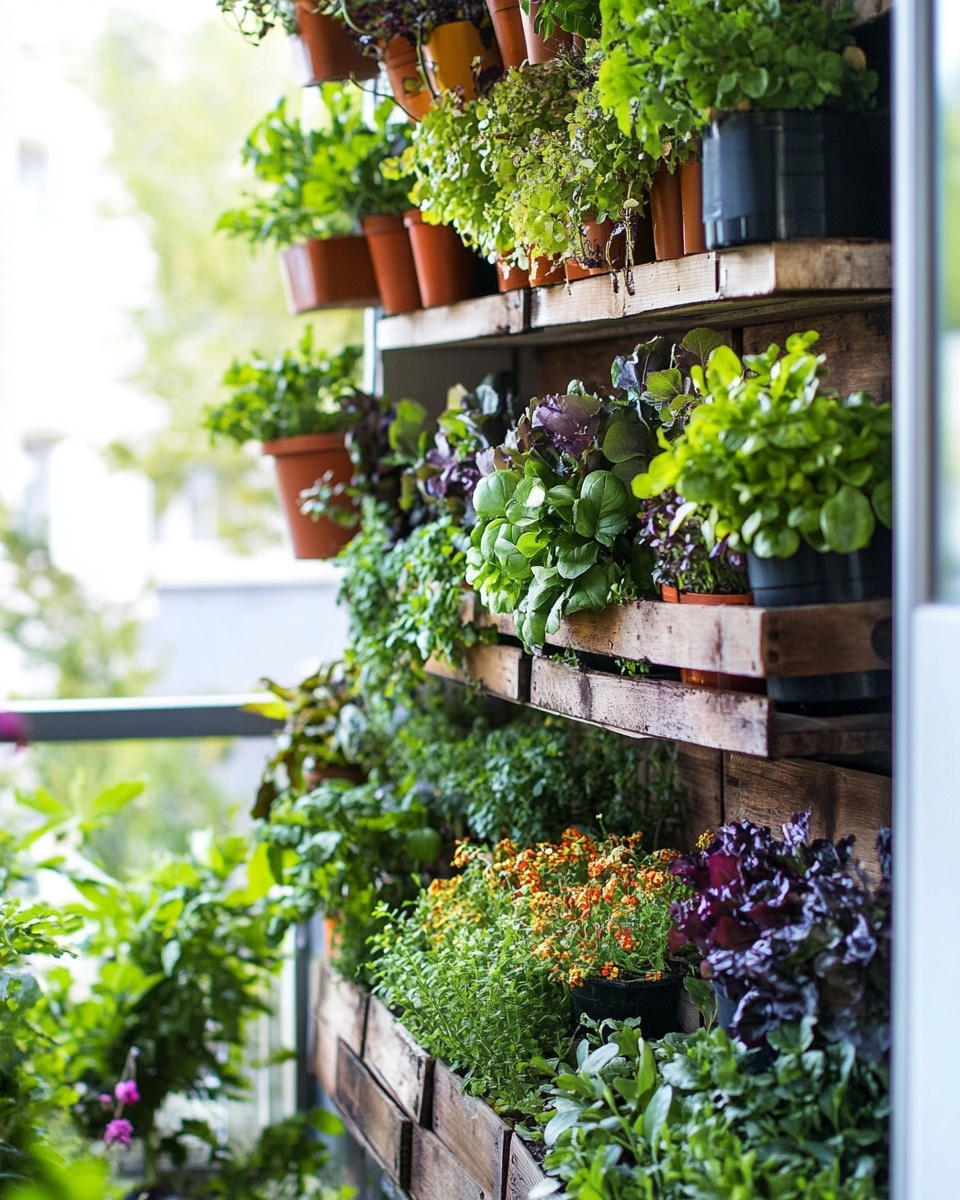
- Vertical Gardens: Utilize vertical space with stacked planters, wall-mounted pockets, or trellises for climbing plants like cucumbers or pole beans. This is perfect for balconies or small patios. Discover more ideas at "Vertical Indoor Garden Ideas for Small Spaces".
- Balcony Gardens: Maximize your balcony space with compact varieties and clever planting. Our guide on "Balcony Herb Garden Design Ideas" offers fantastic inspiration.
Creative Ideas & Uses
A raised bed isn't just about growing food; it's an opportunity to inject personality and creativity into your landscape.
- Decorative Elements: Integrate small decorative elements like solar garden lights, whimsical plant markers, or small garden sculptures. These add character and make your backyard vegetable garden a focal point.
- Repurpose Materials: Use old bricks or pavers to create a decorative edge around your raised bed. You could even use reclaimed wood for building the bed itself, giving it a rustic, charming appeal.
- Aesthetic Plant Combinations: Don't just think utility; think beauty!
- Plant colorful leafy greens like 'Red Romaine' lettuce or 'Bright Lights' chard alongside vibrant edible flowers such as nasturtiums or pansies. These add visual appeal and can even be incorporated into salads.
- Consider the height and texture of plants. Taller plants like staked tomatoes can create a backdrop for shorter, bushier plants like peppers or basil.
- Think about sensory appeal: plant fragrant herbs like rosemary or mint along the edges, where you're more likely to brush against them and release their delightful scents. This enhances the overall experience of your backyard vegetable garden.
- Seasonal Rotation for Continuous Harvests: Design your planting schedule to rotate crops throughout the season. After harvesting cool-season crops like lettuce and radishes in spring, plant warm-season crops like bush beans or summer squash in the same spot. This maximizes your yield and keeps your bed productive from spring to fall.
Common Mistakes to Avoid
Even seasoned gardeners make mistakes, but knowing the common pitfalls can help you steer clear.
- Poor Site Selection: Planting in a shady spot is a primary reason for low yields. Most fruiting vegetables (tomatoes, peppers, squash) absolutely need 6-8 hours of direct sun. Without it, you'll get leafy growth but little fruit. Data shows inadequate sunlight is responsible for up to 40% of stunted plant growth in beginner gardens.
- Using Native Soil: Filling your raised bed with heavy, compacted garden soil from your yard will negate many of a raised bed's benefits. It won't drain well, will compact over time, and could introduce weed seeds or diseases. Always opt for a light, fertile, well-draining raised bed mix.
- Overwatering/Underwatering: This is probably the most common mistake. Overwatering causes root rot in an estimated 60% of plant failures, while underwatering stresses plants, making them susceptible to pests and disease. Feel the soil! Water when the top inch or two is dry, ensuring water reaches the root zone.
- Ignoring Plant Spacing: While tempting to squeeze in more plants, overcrowding leads to poor air circulation, increased disease, and competition for nutrients and sunlight. Plants won't reach their full potential. Follow package recommendations; healthy, well-spaced plants yield more than many struggling ones.
- Neglecting Early Pest & Disease Management: A small issue can quickly become an infestation or widespread disease. Regular inspection (daily or every other day) allows you to act fast. Don’t wait until your plants are severely damaged. Early intervention with organic methods is key.
- Planting Too Early: Starting tender plants like tomatoes and peppers before the last frost date can lead to frost damage and stunted growth. Check your local last frost date and be patient!
Maintenance & Storage Tips
A successful backyard vegetable garden is a long-term commitment. Thoughtful maintenance ensures continued health and prolific harvests.
- Year-Round Soil Health: Regularly amend your soil with compost. Each spring, before planting, add a fresh 1-2 inch layer of compost and gently work it into the top few inches. This replenishes nutrients and improves soil structure.
- Crop Rotation: If you plan on growing the same raised bed for multiple seasons, rotate your crops. Avoid planting the same type of vegetable (e.g., tomatoes) in the same spot year after year. This prevents nutrient depletion and reduces the buildup of specific soil-borne pests and diseases. For instance, follow heavy feeders with legumes to replenish nitrogen.
- Dealing with Yellow Leaves: Yellowing leaves can indicate a few things:
- Nutrient Deficiency: Often nitrogen. Apply a balanced liquid fertilizer or more compost.
- Overwatering: If leaves are also wilting or soft, reduce watering frequency.
- Pests/Disease: Inspect closely for any signs.
- Natural Lifespan: Older leaves at the bottom of the plant naturally yellow and die. Remove these to improve air circulation.
- Poor Soil Drainage: If your raised bed has standing water or soggy soil, it means drainage is an issue. This could be due to compacted soil beneath the bed or too much heavy component (like clay) in your mix. Improving drainage is critical. You might need to dig out some soil, add more perlite or coarse organic matter, and ensure your cardboard layer isn't suffocating the bottom.
- Seed Storage: If you have leftover seeds, proper storage is crucial for viability. Store them in a cool, dark, and dry place (e.g., a sealed container in the refrigerator). Label them clearly with the date acquired. Properly stored, many seeds remain viable for 2-5 years.
- End-of-Season Cleanup: After the growing season, remove all spent plants. This prevents overwintering pests and diseases. Add this plant material (unless diseased) to your compost pile. You can then add a layer of compost and a cover crop (like winter rye or clover) to protect the soil over winter, or simply cover it with straw.
Conclusion
Congratulations! You now have a comprehensive roadmap to establishing a thriving and rewarding raised bed backyard vegetable garden. From selecting the perfect sunny spot to nurturing your plants and sustainably managing your resources, every step in this guide is designed for your success. Imagine the satisfaction of harvesting fresh, organic produce just steps from your door, knowing exactly where it came from and how it was grown. This isn't just about growing food; it's about connecting with nature, reducing your grocery bill, and enjoying the freshest flavors imaginable. Don't let hesitation hold you back! Take that first step, dig in, and start planting today. We'd love to see your progress – snap some photos of your burgeoning garden and share them with us on Pinterest using #PincraftProGarden, and let's inspire each other! Explore more of our guides to deepen your gardening knowledge and become a true green thumb.
FAQ
Q1: How deep should a raised bed be for vegetables?
A: For most vegetables like lettuce, radishes, and herbs, 6-8 inches is sufficient. However, for root crops like carrots and potatoes, and larger plants like tomatoes and peppers, a minimum of 10-12 inches is recommended for optimal root development and growth in your backyard vegetable garden.
Q2: What is the best soil mix for a raised vegetable garden?
A: The ideal raised bed soil mix is a blend of roughly 50-60% high-quality compost, 30-40% coco coir or peat moss (for moisture retention), and 10-20% perlite or vermiculite (for drainage and aeration). Avoid using heavy native garden soil alone.
Q3: How often should I water my raised bed garden?
A: Raised beds typically need more frequent watering than in-ground gardens. Check the soil daily by feeling the top inch or two; if it's dry, water deeply. This usually translates to 2-3 times per week, but hot, dry weather may require daily watering.
Q4: Can I grow any vegetable in a raised bed?
A: Almost any vegetable can thrive in a raised bed! However, large vining plants like certain pumpkins or watermelons might take up a lot of space. For beginners, stick to compact varieties of popular vegetables like lettuce, spinach, radishes, bush beans, peppers, and determinate tomatoes.
Q5: How do I prevent weeds in my raised bed?
A: Start by laying a weed barrier (like untreated cardboard or landscape fabric) at the bottom before adding soil. Then, a 2-4 inch layer of organic mulch on the soil surface will significantly suppress weeds. Any stray weeds that emerge are much easier to pull from the loose soil.
Q6: Do I need to fertilize my raised bed garden?
A: Yes, even with good initial soil mix, plants will deplete nutrients. About 4-6 weeks after planting, apply a balanced organic liquid fertilizer or top-dress with an inch of compost. Reapply every 4-6 weeks throughout the growing season for robust plant health.
Q7: Is a raised bed better than an in-ground garden for a beginner?
A: Absolutely! Raised beds offer numerous advantages for beginners: better drainage, warmer soil for earlier planting, easier weed control, improved pest management, and the ability to customize soil conditions perfectly. These factors significantly increase the chances of a successful and bountiful backyard vegetable garden.
For more fantastic gardening resources, cultivate your knowledge further with these articles:
- Ready to consider what plants thrive in your new setup? Check out our guide on "Best Vegetables to Grow for Beginners" for easy wins.
- If you're eager to expand your growing skills beyond raised beds, our comprehensive guide, "How to Start a Vegetable Garden from Scratch", will be invaluable.
- Looking to add fragrant herbs to your productive space? Explore "Best Companion Herbs to Grow Together" for harmonious planting.