Introduction
Did you know that over 40% of urban dwellers express a desire to grow their own food but feel limited by space? This common challenge doesn't have to be a barrier to cultivating beautiful and productive garden ideas, even in the smallest homes. Whether you're dreaming of fresh herbs for your kitchen or vibrant flowers to brighten a balcony, innovative home gardening solutions are more accessible than ever. Let's dig into smart strategies and ingenious garden ideas that transform cramped corners into lush landscapes.
Tools & Materials Needed
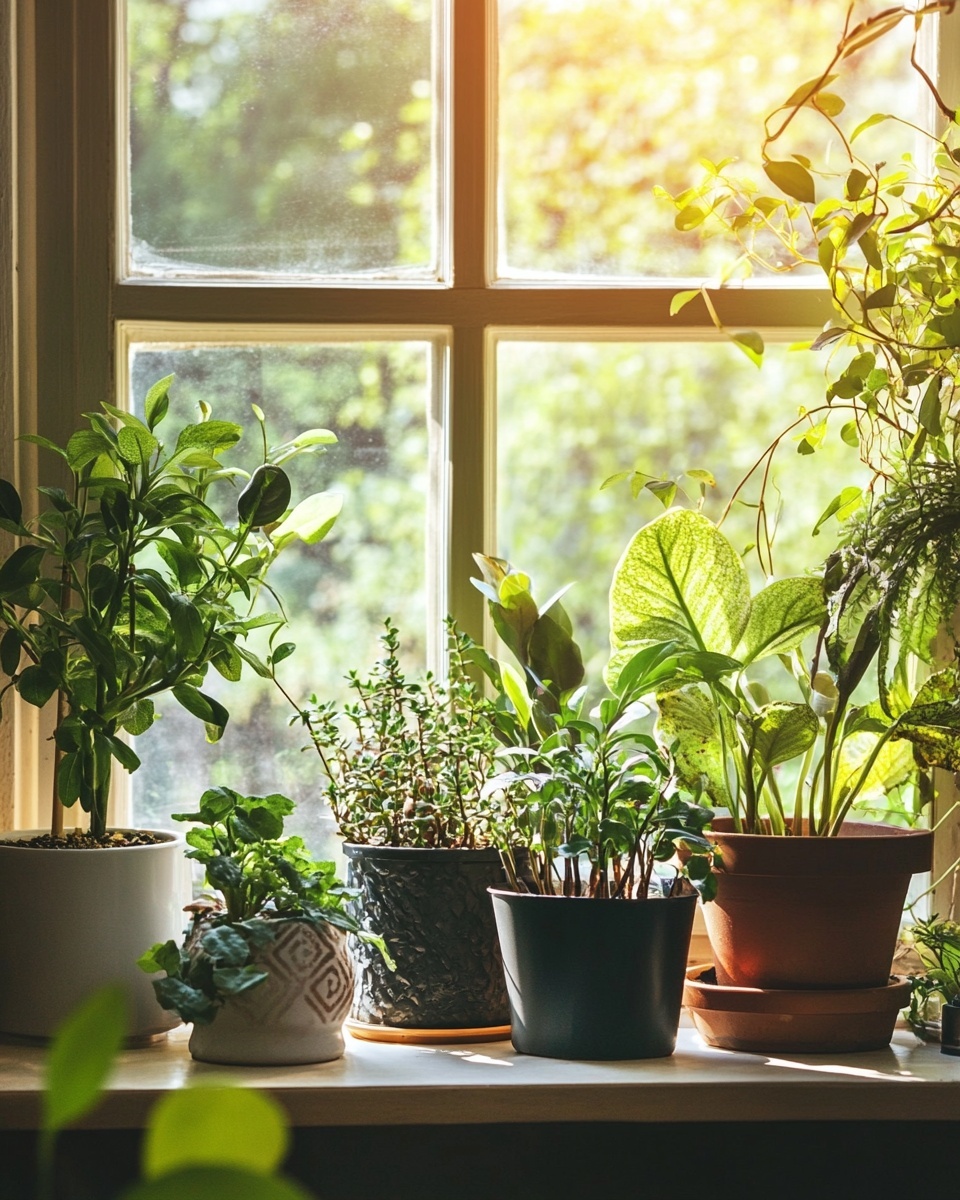
Embarking on your home gardening journey requires a thoughtful selection of tools and materials. Choosing wisely can make all the difference in your gardening success, especially when space is a premium.
- Containers & Planters:
- Tiered Planters: Excellent for maximizing vertical space. Look for ones made from recycled plastic or sustainably sourced wood.
- Fabric Grow Bags: Lightweight, breathable, and promote healthier root systems by air-pruning. An eco-friendly alternative to traditional plastic pots.
- Window Boxes: Perfect for herbs and shallow-rooted vegetables. Consider self-watering options to reduce frequent watering.
- Repurposed Items: Old tires, wooden pallets, plastic bottles, or even sturdy tin cans can become unique planters. Just ensure adequate drainage!
- Seeds & Seedlings:
- Organic Seeds: Opt for non-GMO, organic seeds from reputable suppliers. They often boast better germination rates and resilience.
- Seedling Trays: Biodegradable peat pots or coir pots are excellent for starting seeds, reducing transplant shock.
- Fast-Growing Varieties: For quick gratification, choose varieties known for rapid growth, like radishes, lettuce, or basil.
- Growing Medium:
- Potting Mix: A high-quality, well-draining potting mix is crucial. Look for organic blends containing coir, perlite, and compost. Avoid heavy garden soil, which compacts easily in containers.
- Compost: Incorporate homemade or store-bought organic compost to enrich your soil and provide essential nutrients. It's a goldmine for plant health!
- Basic Hand Tools:
- Hand Trowel: For digging, scooping soil, and transplanting.
- Hand Cultivator/Fork: To loosen soil and mix in amendments.
- Pruning Shears: Essential for trimming, harvesting, and maintaining plant shape. Small, sharp snips are ideal for indoor use.
- Watering Equipment:
- Small Watering Can: With a fine rose attachment for gentle watering.
- Spray Bottle: For misting humidity-loving plants and seedlings.
- Drip Trays: To collect excess water and protect surfaces.
- Optional but Recommended:
- Grow Lights: If natural light is insufficient, a small LED grow light (full-spectrum) can make a huge difference, especially for indoor garden ideas.
- Fertilizer: Organic liquid fertilizers (like fish emulsion or seaweed extract) or slow-release granular options to replenish nutrients.
- Plant Tags: To keep track of what you've planted where.
For budget-conscious gardeners, many items can be sourced cheaply or even free. Repurpose plastic containers for seedling starting, use old milk jugs for watering, or create DIY plant supports from fallen branches. Your creativity is your best asset!
Time & Effort Overview
The beauty of embracing smart garden ideas in a home setting is the flexibility it offers in terms of time and effort. Most small-scale projects are remarkably beginner-friendly.
- Initial Setup (Planting): Depending on the complexity of your chosen project (e.g., a simple window box vs. a multi-tiered vertical garden), initial setup typically takes 2-4 hours. Starting with seedlings can cut this down to about an hour, compared to germinating seeds from scratch.
- Daily Maintenance: A quick check of your plants for watering needs, pests, or general health usually takes 5-10 minutes per day. This is significantly less than the 30-45 minutes a traditional outdoor garden might demand.
- Weekly Maintenance: This might involve fertilizing, pruning, or minor pest management, requiring about 30 minutes to 1 hour per week.
- Growth Rate Comparison: You'll find many popular home garden ideas, such as growing herbs like basil or cilantro, produce a harvest within 3-4 weeks from seeds, growing approximately 25% faster than some traditional garden vegetables like bell peppers. This quick turnaround provides continuous encouragement.
- Difficulty Level: Most of the garden ideas we'll cover are firmly in the beginner to intermediate category. The key to making them easy is starting small and understanding your plants' basic needs.
Overall, home gardening is a rewarding hobby that demands consistent, but often brief, bursts of attention. It's not about back-breaking labor; it's about mindful cultivation.
Preparing Your Soil
The foundation of any successful garden, large or small, is good soil. For container gardens, using a high-quality potting mix is paramount.
- Choose the Right Mix: Select a well-draining, lightweight potting mix specifically formulated for containers. Avoid heavy garden soil, which can compact and suffocate roots.
- Enhance with Compost: Mix in a layer of organic compost to provide essential nutrients and improve soil structure. About 1 part compost to 3 parts potting mix works wonders.
- Ensure Drainage: Always use containers with drainage holes. If your chosen pot doesn't have any, drill a few yourself. Proper drainage prevents waterlogging and root rot.
Planting Your Seeds or Seedlings
This is where your garden ideas begin to take shape!
- Seed Depth: For seeds, follow package instructions precisely. A general rule of thumb is to plant seeds at a depth twice their diameter. Cover lightly with soil.
- Spacing: Avoid overcrowding. Even in small containers, plants need room to grow. Refer to seed packets for recommended spacing. If planting seedlings, gently tease apart roots if they are root-bound before placing them in the prepared hole.
- Gentle Watering: After planting, water thoroughly but gently to settle the soil around the seeds or roots. A fine spray from a watering can is ideal.
Providing Initial Care
The first few days are critical for establishing your young plants.
- Consistent Moisture: Keep the soil consistently moist but never soggy. Check daily by feeling the top inch of soil.
- Light Exposure: Position your containers in an area that receives the appropriate amount of light for your chosen plants. Most herbs and vegetables need at least 6 hours of direct sunlight.
- Protection: If starting seeds, consider covering pots with plastic wrap or a clear dome to create a mini-greenhouse effect, fostering humidity until germination. Remove once sprouts appear. Don’t worry if some seeds don't sprout immediately; gardening requires patience! Here’s how to fix poor germination: ensure seeds are fresh and planted at the correct depth.
Ongoing Maintenance
Once your plants are established, the routine shifts to nurturing their growth.
- Watering: This is often the trickiest part. Water when the top inch of soil feels dry. For deeper pots, you might need to check a few inches down. Consistency is key.
- Fertilizing: Container plants deplete nutrients faster than inground plants. Begin fertilizing at half-strength every 2-4 weeks after plants have established.
- Pruning: Remove dead or yellowing leaves and pinch back leggy growth to encourage bushier plants and more yields.
- Pest Checks: Regularly inspect your plants for signs of pests or diseases. Early detection makes prevention easier. A simple spray of neem oil or insecticidal soap can often address minor issues.
Growth & Care Tips
Nurturing your home garden ideas involves a blend of science and intuition. Here’s how to ensure your plants thrive:
- Watering Frequency: The golden rule is to water thoroughly when the top inch of soil feels dry to the touch, and let excess drain away. Overwatering is a common killer, causing root rot in an estimated 60% of houseplants. Under-watering, on the other hand, leads to wilting. The frequency depends on plant type, pot size, and environmental conditions. Smaller pots dry out faster.
- Sunlight Exposure: Most edible plants require at least 6-8 hours of direct sunlight per day. If you have less, consider growing shade-tolerant vegetables like lettuce, spinach, or kale. For indoor garden ideas, supplement with a full-spectrum LED grow light set on a timer for 12-16 hours daily. Plants convert light into energy via photosynthesis, so adequate light is non-negotiable for robust growth.
- Pruning: Regular pruning encourages bushier growth, increases yields, and maintains plant health. For herbs, 'pinch back' the top few sets of leaves to encourage lateral branching. For fruiting plants, remove any yellowing or diseased leaves promptly. This directs the plant's energy towards producing fruit or healthy new growth.
- Fertilization: Container plants constantly use up soil nutrients. Begin fertilizing with a balanced, all-purpose liquid fertilizer at half-strength every 2-4 weeks once plants are established. Organic options like worm castings or diluted compost tea provide a slow, steady release of nutrients, promoting vibrant foliage and strong roots without chemical overload.
- Pest Prevention: Integrated Pest Management (IPM) is key.
- Inspect Regularly: Catch problems early.
- Good Air Circulation: Helps prevent fungal diseases.
- Companion Planting: Certain plants deter pests. Marigolds, for instance, repel nematodes and other harmful insects.
- Natural Remedies: A spray of neem oil solution (1-2 tablespoons per gallon of water) can effectively deter common pests like aphids and spider mites, suffocating them without harming beneficial insects if applied correctly.
Eco-Friendly & Sustainable Alternatives
Embracing sustainable practices in your home garden ideas not only benefits the planet but also often results in healthier, more vibrant plants.
- Composting at Home: Transform kitchen scraps (fruit/veg peels, coffee grounds, eggshells) and garden waste into nutrient-rich compost. A small countertop composter or a worm bin (vermicomposting) is perfect for apartment dwellers. Compost enriches soil, reduces waste by up to 30%, and minimizes reliance on chemical fertilizers.
- Natural Fertilizers: Beyond homemade compost, explore other organic amendments like:
- Fish Emulsion: A fast-acting liquid fertilizer rich in nitrogen.
- Seaweed Extract: Provides trace minerals and growth hormones.
- Used Coffee Grounds: Add a nitrogen boost and slightly acidify the soil, great for plants like blueberries or hydrangeas.
- Eggshell Powder: A slow-release calcium source, essential for disease prevention like blossom end rot in tomatoes.
- Water Conservation:
- Rainwater Harvesting: Collect rainwater in a small barrel for watering your plants. It's free and better for plants than chlorinated tap water.
- Drip Irrigation/Self-Watering Planters: Deliver water directly to the root zone, reducing evaporation by up to 50% compared to overhead watering.
- Mulch: A layer of shredded leaves, straw, or wood chips helps retain soil moisture, suppress weeds, and regulate soil temperature.
- Alternatives for Small Spaces:
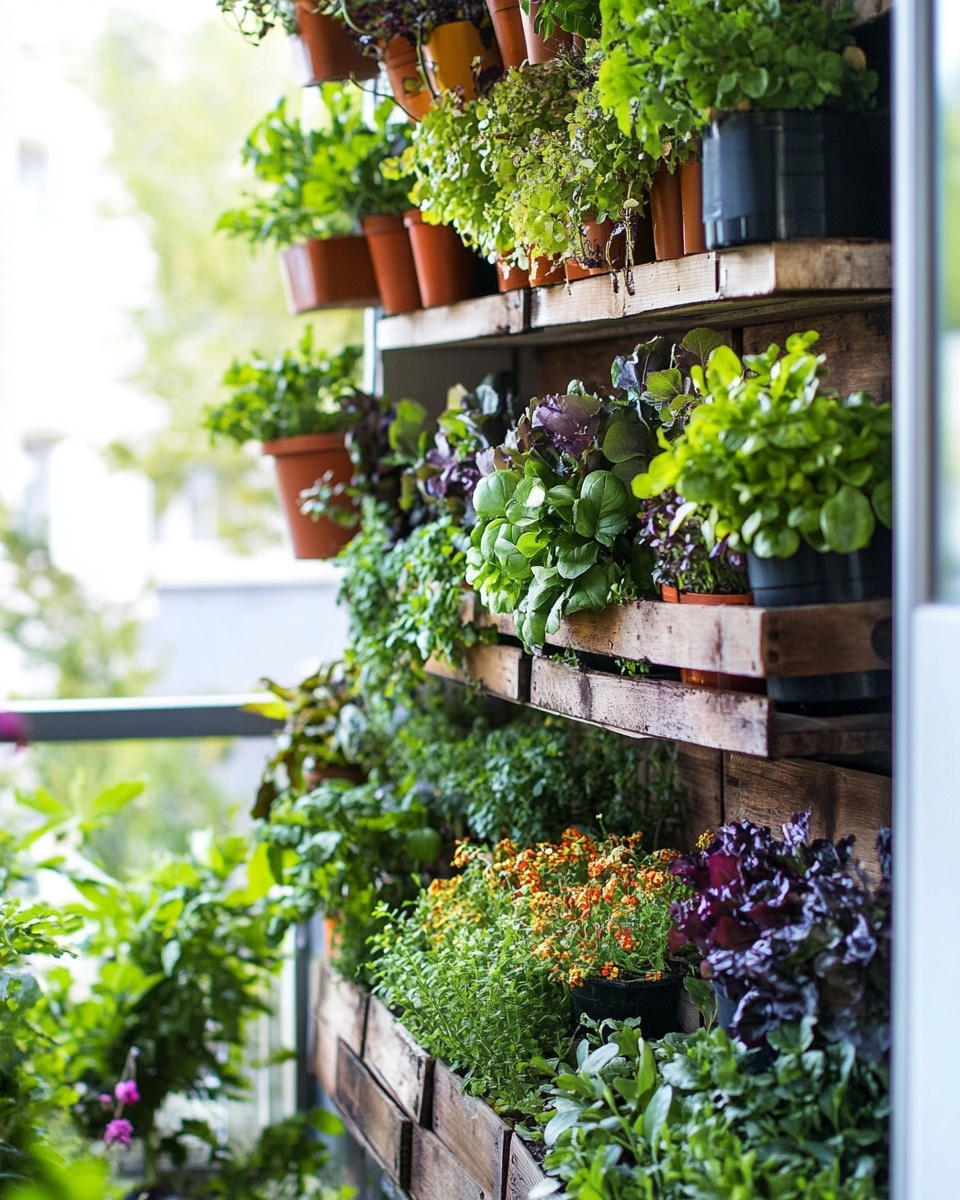
- Vertical Gardens: Utilize wall space with pocket planters, repurposed pallet gardens, or tiered shelving. Visit "Vertical Indoor Garden Ideas for Small Spaces" for inspiration.
- Container Gardening: Any pot, bucket, or grow bag can become a home for plants. Focus on dwarf varieties specifically bred for containers.
- Hydroponics/Aeroponics: These soilless growing systems use nutrient-rich water, significantly reducing water usage and allowing for faster growth in compact areas.
- Balcony Gardens: Create a vibrant oasis using railing planters, hanging baskets, and stackable pots. Explore "Balcony Herb Garden Design Ideas" for more in-depth advice.
By integrating these eco-conscious practices, your home garden ideas will not only flourish but also contribute to a healthier environment.
Creative Ideas & Uses
Beyond just growing, infuse your home garden ideas with creativity to make them truly yours!
- Decorating with Plants:
- Plant Galleries: Arrange a collection of small potted plants on floating shelves, using varying heights and textures for visual interest.
- Terrariums: Create miniature self-contained ecosystems in glass containers, perfect for low-maintenance plants like mosses, ferns, or small succulents.
- Living Walls: Attach vertical planters to an interior wall for a stunning, natural art piece. This not only adds greenery but can also improve indoor air quality.
- Unique Planters: Think outside the terracotta pot! Repurpose vintage tea tins, old colanders, or even broken china as charming planters. Ensure they have drainage.
- Repurposing Garden Materials:
- Old Ladders: Transform an old wooden ladder into a vertical display shelf for plants, adding rustic charm to a sunny corner.
- Pallet Gardens: Disassemble wooden pallets to create vertical planters or raised garden beds.
- Driftwood & Stones: Use natural elements found on walks to create unique plant supports or decorative mulch.
- Combining Plants Aesthetically:
- Thriller, Filler, Spiller: This classic container gardening technique involves a 'thriller' (a tall, dramatic plant), 'filler' (medium-height plants that fill space), and 'spiller' (trailing plants that cascade over the pot's edge).
- Color & Texture Contrast: Pair plants with contrasting foliage colors (e.g., dark green basil with purple-leafed oxalis) or leaf textures (e.g., feathery dill with broad-leafed lettuce) for dynamic displays.
- Herb & Flower Mixes: Combine edible herbs like rosemary and thyme with colorful edible flowers like nasturtiums or pansies for a beautiful and productive display. Explore different companion planting themes to enhance your garden's health and beauty. You might find some excellent suggestions on Pinterest for visual inspiration. A visit to a site like https://www.pinterest.com/janatjanay47/ can spark countless design ideas.
Common Mistakes to Avoid
Even seasoned gardeners make mistakes, especially when exploring new garden ideas in a limited space. Being aware of these pitfalls can save you time, effort, and plant casualties.
- Overwatering: This is by far the most common mistake. Constantly wet soil deprives roots of oxygen, leading to root rot. Studies show that overwatering accounts for approximately 60% of houseplant deaths. Prevention: Stick your finger into the soil. Water only when the top inch or two feels dry. Ensure all pots have drainage holes.
- Insufficient Light: Many plants, especially edibles, need abundant light. Placing a sun-loving plant in a dim corner will result in leggy, weak growth and poor yields. Prevention: Research your plant's light requirements and place it in the brightest available spot, or invest in an affordable grow light. A south-facing window is often ideal.
- Overcrowding: While tempting to squeeze many plants into a small space, overcrowding leads to poor air circulation, competition for nutrients, and increased susceptibility to pests and diseases. Prevention: Follow recommended spacing guidelines on seed packets or plant tags, even if it means fewer plants. Quality over quantity!
- Neglecting Drainage: Without proper drainage, water sits at the bottom of the pot, fostering anaerobic conditions that kill roots. Prevention: Always use pots with drainage holes and add a layer of gravel at the bottom only if specified for very deep containers where aeration is a concern, as it can sometimes create a perched water table if not done correctly. A good potting mix is often sufficient.
- Ignoring Plant Needs (Lazy Research): Different plants have different requirements for soil pH, humidity, and temperature. Planting a desert succulent next to a tropical fern is a recipe for failure. Prevention: Before buying, spend a few minutes researching your chosen plants. Understanding their specific needs is the first step to successful garden ideas.
- Using Garden Soil in Containers: Garden soil is heavy, compacts easily, and often contains pathogens or weed seeds not suitable for containers. Prevention: Always use a sterile, specially formulated potting mix for container gardening.
Maintenance & Storage Tips
Long-term success with your garden ideas, especially in a home setting, hinges on consistent maintenance and smart storage solutions.
- Long-Term Plant Health:
- Repotting: As plants grow, they may become root-bound. Repot into a slightly larger container when you see roots circling the drainage holes or emerging from the soil surface. This typically happens every 1-2 years for most perennials.
- Seasonal Rotation: If you have outdoor containers, rotate them periodically to ensure even sun exposure and prevent plants from leaning towards the light source.
- Pest Vigilance: Continue regular inspections. Early detection and treatment prevent outbreaks. A consistent regimen of wiping leaves and ensuring good air circulation reduces common issues.
- Seed Storage: Proper seed storage ensures viability for future planting.
- Cool, Dark, Dry: Store seeds in airtight containers (glass jars, sealed bags) in a cool, dark, and dry place. A refrigerator or freezer drawer is excellent. Humidity and temperature fluctuations are the enemies of seed longevity.
- Labeling: Always label your seeds with the plant type and date of collection/purchase.
- Seasonal Care:
- Winterizing: For outdoor container plants that aren’t frost-hardy, consider bringing them indoors or providing winter protection like burlap wraps or frost cloths. For edible gardens, remove spent annuals and prepare your soil for the next season.
- Perennial Care: Prune back dead foliage on perennials in late fall or early spring to encourage new growth.
- Solutions for Common Issues:
- Yellow Leaves: Often signals overwatering (bottom leaves) or nutrient deficiency (overall yellowing). Check soil moisture and consider a balanced fertilizer.
- Poor Soil Drainage: If water sits on top of the soil for too long, it's a drainage issue. Solution: Carefully unpot the plant, add more perlite or coarse sand to your potting mix, and ensure drainage holes are not blocked.
- Leggy Growth: Usually indicates insufficient light. Solution: Move the plant to a brighter location or supplement with a grow light. Prune back leggy stems to encourage bushier growth.
Conclusion
Bringing nature into your home with intelligent garden ideas is more than just a hobby—it's an investment in your well-being, your environment, and your culinary adventures. We've explored everything from essential tools and sustainable practices to creative designs and common pitfalls, equipping you with the knowledge to transform even the smallest spaces into thriving green havens. Remember, every plant started and every seed sown is a step towards a more connected, healthier, and aesthetically rich home.
Are you ready to cultivate your own urban oasis? Take the plunge and start planting today! Share your progress and newfound garden ideas with us in the comments below, or tag us on social media. Your green journey begins now!
FAQ
Q1: What are the best plants for beginners to incorporate into their home garden ideas?
A1: For beginners, start with resilient and fast-growing plants. Herbs like basil, mint, chives, and easy-to-grow vegetables such as lettuce, radishes, and cherry tomatoes are fantastic choices. Succulents and snake plants are also low-maintenance options for indoor garden ideas.
Q2: How do I know if I'm overwatering or underwatering my plants?
A2: A simple finger test is best. Stick your finger about an inch or two into the soil. If it feels dry, it's time to water. If it's moist, hold off. Signs of overwatering include yellowing leaves (especially lower ones) and wilting with moist soil. Underwatering presents as wilting with dry, crumbly soil. Proper watering is crucial for healthy garden ideas.
Q3: Can I grow vegetables indoors with limited sunlight?
A3: Yes, you can! While most vegetables prefer full sun, you can successfully grow leafy greens like lettuce, spinach, and kale in lower light conditions. For more demanding plants, invest in a full-spectrum LED grow light, which can simulate natural sunlight and significantly boost your indoor garden ideas.
Q4: What's the cheapest way to start a home garden?
A4: Start with seeds instead of seedlings, as they are far more economical. Repurpose containers like old milk jugs, plastic bottles, or tin cans for planters. Make your own compost from kitchen scraps. Look for free soil amendments like fallen leaves or grass clippings from neighbors. Embracing DIY garden ideas can save you a lot.
Q5: How can I prevent pests in my indoor or small-space garden?
A5: Good air circulation and regular inspection are your first lines of defense. If you spot pests, try natural remedies like a diluted neem oil spray or insecticidal soap. Companion planting (e.g., placing marigolds near vegetables) can also deter pests.
Q6: What type of soil is best for container gardening?
A6: Opt for a high-quality, well-draining potting mix. These mixes typically contain peat moss, coir, perlite, and vermiculite, providing the ideal balance of moisture retention and aeration for container-bound roots. Avoid using heavy garden soil, which compacts easily in pots.
Q7: How often should I fertilize my container plants?
A7: Container plants need more frequent fertilization than those in the ground. Start with a balanced liquid fertilizer at half-strength every 2-4 weeks after your plants have established. Organic options like fish emulsion or compost tea are excellent for continuous feeding for your garden ideas.
For more fantastic tips on cultivating your green thumb, explore some of our other articles:
- Looking for smart lighting solutions for your indoor plants? Check out our guide on "Indoor Herb Garden Lighting Tips".
- Ready to get your hands dirty with edibles? Discover the "Best Vegetables to Grow for Beginners".
- If you're eager to make the most of your balcony space, don't miss our creative "Balcony Herb Garden Design Ideas".
- Considering a vertical garden for ultimate space-saving? Our article on "Vertical Indoor Garden Ideas for Small Spaces" has you covered.
- And for those just starting out with indoor gardening, here's an "Easy Indoor Gardening Setup for Beginners".