Introduction
Did you know that carefully selected plant pairings can increase your garden's yield by up to 20% and significantly reduce pest damage naturally? Many gardeners tirelessly battle pests and diseases, often without realizing that nature already offers an elegant, organic solution. Welcome to the powerful world of companion planting, a cornerstone of effective organic gardening tips that will revolutionize your approach to cultivation. Forget harsh chemicals and endless toil; this ancient practice leverages biodiversity to create a harmonious ecosystem right in your backyard. By strategically placing specific plants together, you enhance growth, deter unwanted visitors, and even improve soil health. Ready to unlock the secrets of a flourishing garden with this smart, sustainable method? Let’s dig in!
Tools & Materials Needed
To embark on your companion planting journey, you won't need an arsenal of expensive equipment. Most of these items are likely already in your shed or readily available.
- Hand Trowel and Cultivator: Essential for digging planting holes, mixing soil amendments, and light weeding. Look for ergonomically designed options for comfort during longer gardening sessions.
- Gardening Gloves: Protect your hands from dirt, thorns, and potential irritants. Opt for breathable, durable materials.
- Quality Organic Seeds or Seedlings: The stars of your garden! Choose disease-resistant varieties and ensure they are suitable for your local climate. For budget-friendly alternatives, consider seed exchanges with fellow gardeners or collecting seeds from mature plants.
- Organic Potting Mix or Compost: Healthy soil is the foundation of healthy plants. A good quality, nutrient-rich soil blend is crucial. You can also make your own compost from kitchen scraps and yard waste, reducing costs and enriching your soil ecologically. (Learn more about organic fertilizer recipes for herb gardens to supercharge your soil!)
- Watering Can or Hose with a Gentle Sprayer: Consistent moisture is vital. A watering can is perfect for delicate seedlings, while a hose with a sprayer works well for larger areas. Consider a rainwater harvesting barrel for an eco-friendly and cost-saving alternative.
- Plant Labels: Keep track of what you’ve planted, especially in a diverse companion garden. Wooden sticks or recycled plastic tags work wonderfully.
- Measuring Tape: To ensure appropriate spacing between companion plants.
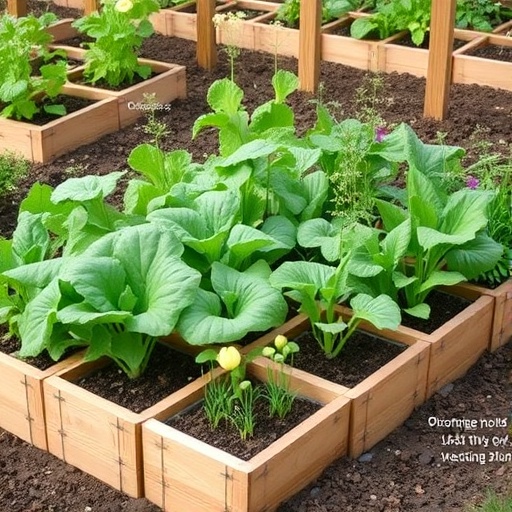
- Optional – Raised Beds: If your soil is poor or you have mobility issues, raised beds offer excellent drainage and control over soil conditions. You can build these from reclaimed wood or repurpose old tires for an incredibly budget-friendly option.
Time & Effort Overview
Companion planting is a relatively low-effort, high-reward gardening strategy. The initial setup requires slightly more planning than haphazard planting, but the long-term benefits in terms of pest control and plant health save considerable time and effort.
- Planning Phase: 2-4 hours initially, depending on garden size. This involves researching compatible plant pairs and drawing up a garden plan.
- Planting: 1-3 hours for a small to medium-sized bed. This is comparable to traditional planting but involves more strategic placement.
- Maintenance: Similar to regular gardening, approximately 1-2 hours per week for weeding, watering, and monitoring. However, companion planting often leads to less time spent on pest management. For instance, a well-planned companion garden might reduce reliance on manual pest removal by 30-50% compared to monoculture gardening.
- Difficulty Level: Beginner-friendly. While there's a learning curve for understanding plant interactions, the basic principles are easy to grasp, making it one of the best organic gardening tips for novices.
Step-by-Step Gardening Process
Ready to transform your garden into a thriving ecosystem? Here’s a step-by-step guide to successful companion planting:
Research and Plan Your Plant Pairings
Start by identifying which plants you want to grow and then research their best companions. For example, tomatoes love basil, carrots thrive near rosemary, and corn, beans, and squash form the famous "Three Sisters" planting. Create a simple sketch of your garden layout, mapping where each plant will go. This proactive planning is a critical organic gardening tip. Don’t worry if your initial plan isn’t perfect; gardening is an ongoing learning process!
Prepare Your Soil
Dig your garden beds to a depth of at least 8-12 inches. Incorporate a generous amount of organic compost or well-rotted manure. This improves soil structure, drainage, and nutrient availability, setting the stage for robust plant growth. A healthy soil microbiome is vital for nutrient uptake and disease resistance. Aim for a slightly acidic to neutral pH (6.0-7.0) for most vegetables.
Plant Your Main Crops
Once your soil is ready, plant your primary vegetables or flowers according to your plan. Ensure proper spacing as indicated on seed packets or plant tags. This gives each plant adequate room to grow, reducing competition for resources and improving air circulation, which helps prevent fungal diseases.
Introduce Companion Plants
Now, strategically place your companion plants around your main crops. For instance, plant basil near your tomato plants. Marigolds can be interspersed throughout beds to deter nematodes and other pests. Chives often help repel aphids from roses. Plant aromatic herbs like mint (in a contained pot, as it can spread aggressively!) or catnip nearby to confuse pests with their strong scents.
Water Thoroughly After Planting
After all your plants are in the ground, give them a good, deep watering. This helps settle the soil around the roots and reduces transplant shock. For newly planted seedlings, ensure the soil remains consistently moist but not waterlogged.
Mulch Around Plants
Apply a layer of organic mulch (like straw, shredded leaves, or wood chips) around your plants. Mulch helps retain soil moisture, suppresses weeds, and regulates soil temperature. As it decomposes, it also adds organic matter to the soil, further enhancing its fertility – a core principle of organic gardening tips.
Growth & Care Tips
Maintaining your companion garden involves consistent, mindful practices.
- Watering Frequency: Most plants need 1 inch of water per week, either from rain or irrigation. Check soil moisture regularly by sticking your finger about an inch deep. Water if it feels dry. Early morning watering is best, allowing foliage to dry before nightfall, which reduces fungal issues.
- Sunlight Exposure: Ensure all your chosen plants receive their required amount of sunlight. Most vegetables need 6-8 hours of direct sun daily. Tall plants can provide beneficial partial shade for shade-loving companions.
- Pruning: Regularly prune away dead or diseased leaves to improve air circulation and prevent the spread of pathogens. For fruiting plants like tomatoes, strategic pruning can direct energy towards fruit production.
- Fertilization: Rely on organic fertilizers. Compost tea, worm castings, or balanced organic granular feeds can nourish your plants. Soil testing (which can be done annually) helps you understand specific nutrient deficiencies. For example, a soil test might reveal a need for more phosphorus, crucial for flowering and fruiting.
- Pest Prevention: Companion planting is your first line of defense! Strong-smelling plants (herbs, onions, garlic) deter many pests. Nectar-rich flowers (dill, cosmos, marigolds) attract beneficial insects like ladybugs (which devour aphids) and parasitic wasps. Healthy plant growth is naturally more resistant to pests, emphasizing the value of good organic gardening tips.
Eco-Friendly & Sustainable Alternatives
Embracing eco-friendly practices elevates your garden’s sustainability.
- Composting: Turn kitchen scraps and yard waste into nutrient-rich compost. It’s free, reduces landfill waste, and provides unparalleled soil amendment.
- Natural Fertilizers: Beyond compost, consider Epsom salts for magnesium-loving plants, seaweed emulsion for trace minerals, or fish emulsion for a nitrogen boost. Avoid synthetic chemicals that can harm beneficial soil organisms and pollinators.
- Water Conservation: Implement drip irrigation or soaker hoses to deliver water directly to the root zone, minimizing evaporation. Collect rainwater in barrels to water your plants.
- Pest Control: Use insecticidal soaps or neem oil as a last resort for stubborn pests. Encourage natural predators like birds and frogs by providing water sources and shelter.
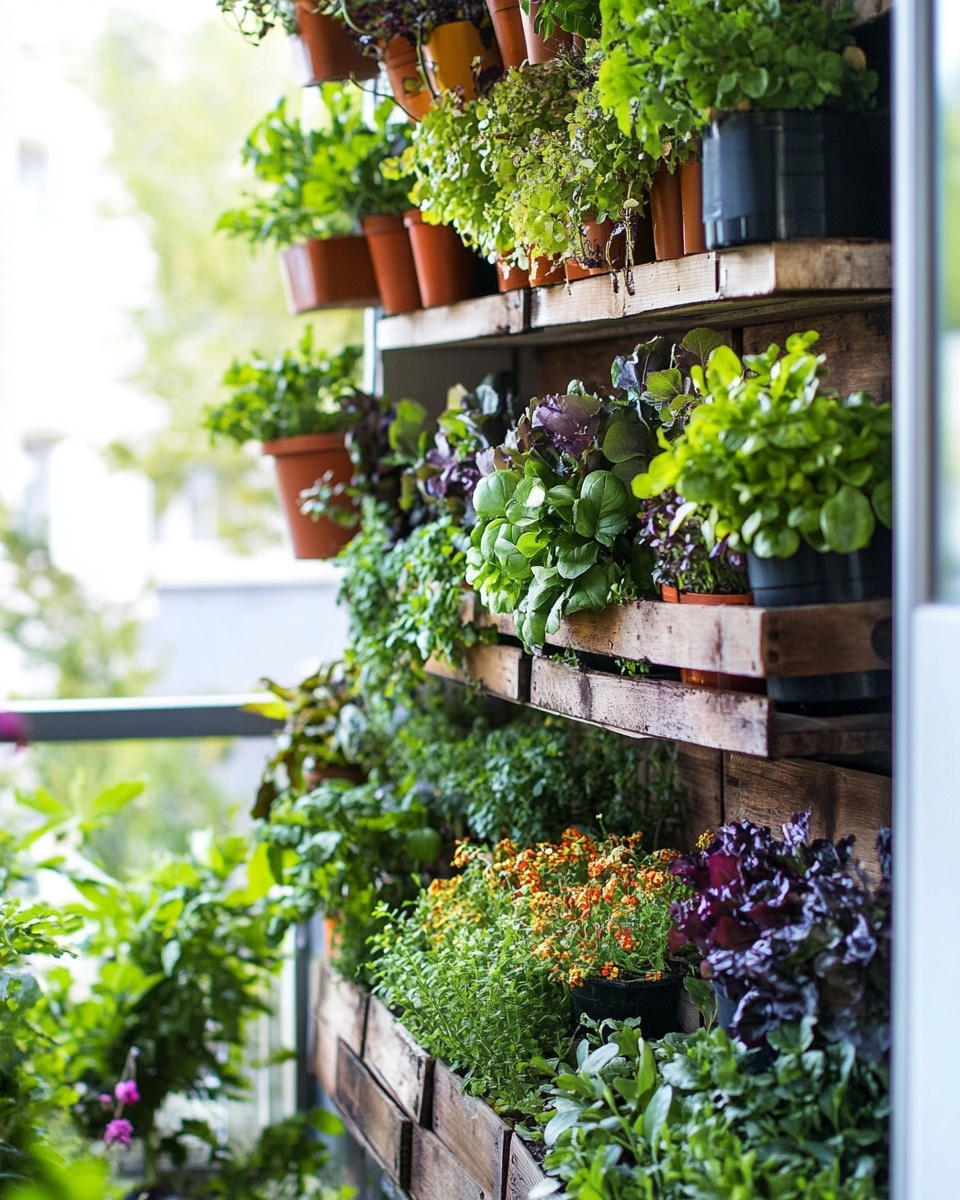
- Small Spaces: For smaller areas, vertical gardening systems, raised garden beds, or container gardening are excellent options. Many companion pairs, like basil and tomatoes, can happily thrive in large pots on a balcony. Explore ideas for DIY indoor herb garden for small kitchens or herbs that grow well in small spaces.
Creative Ideas & Uses
Companion planting isn’t just practical; it can also be incredibly aesthetic and yield surprising benefits beyond the garden bed.
- Edible Landscaping: Combine beautiful edible plants and their companions into your ornamental flower beds. Imagine rosemary (deters carrot rust fly) alongside vibrant marigolds (nematode control) outlining a productive carrot patch.
- Herb Spirals: Build a compact, visually appealing herb spiral that facilitates companion planting. Thyme and oregano can cascade down, while basil and parsley thrive in different moisture zones, all benefiting each other and providing a focal point.
- Pollinator Havens: Design a section of your garden specifically for attracting pollinators with companion flower pairings like sunflowers and zinnias, which not only look cheerful but also bring in essential bees and butterflies. This boosts overall fruit and vegetable production.
- Repurposed Planters: Get creative with repurposed containers! Old tires can become vibrant potato beds with corn as a companion. Even wooden pallets can be transformed into vertical herb gardens, perfect for companion herb pairs like cilantro and cosmos (attracts beneficials).
- Themed Gardens: Create a "pizza garden" with tomatoes, basil, oregano, and peppers, all thriving together. Or a "salad garden" with lettuce, radishes, and chives. Combining these plants allows for convenient harvesting and ensures a cohesive culinary theme.
Common Mistakes to Avoid
Even with the best intentions, gardeners can stumble. Knowing these common pitfalls will save you headaches and improve your success rate.
- Incorrect Pairings: Not all plants are friends! For example, members of the Brassica family (cabbage, broccoli) don’t typically do well planted near strawberries or tomatoes, as they can inhibit growth. Always double-check compatibility charts before planting. A common mistake is planting fennel near almost any other vegetable, as it tends to stunt the growth of many companions.
- Overcrowding: Even with companions, plants need space to breathe. Overcrowding leads to poor air circulation, which can invite fungal diseases, and increased competition for light, water, and nutrients. This can negate the benefits of companion planting.
- Ignoring Soil Needs: Each plant has specific soil requirements. While companion plants can share some, radical differences in pH or nutrient needs can make successful growth challenging for one of the partners. For example, blueberries require very acidic soil, which most vegetables would not tolerate.
- Neglecting Drainage: Poor drainage is a silent killer, leading to root rot in 60% of cases for susceptible plants. Ensure your soil is well-draining, especially in containers. Adding perlite or sand can improve drainage in heavy clay soils.
- Introducing Invasive Companions Uncontrolled: While mint is a great pest deterrent, it’s notoriously invasive. Plant it in a separate pot buried in the ground to prevent it from taking over your garden beds.
- Forgetting to Water Consistently: Drought stress weakens plants, making them more susceptible to pests and diseases, regardless of companion planting benefits. Inconsistent watering is a major cause of blossom end rot in tomatoes and peppers.
Maintenance & Storage Tips
Long-term success in companion planting heavily relies on consistent maintenance and proper storage.
- Rotation: While companion planting helps, it’s still wise to rotate your major crops annually. This prevents the buildup of soil-borne diseases and pest populations specific to certain plant families.
- Seasonal Care: As seasons change, so do your garden’s needs. In cooler months, consider planting cool-season companions like lettuce and spinach. In warmer months, focus on heat-tolerant pairs.
- Seed Saving: If you’re growing heirloom varieties, consider saving seeds from your healthiest plants. Store them in cool, dark, and dry conditions for future planting. This reduces cost and preserves genetic diversity.
- Dealing with Yellow Leaves: Yellow leaves often indicate a nutrient deficiency (e.g., nitrogen), overwatering (roots are suffocating), or underwatering. Assess your watering habits and consider a balanced organic fertilizer.
- Poor Soil Drainage: If you notice water pooling or plants struggling despite adequate watering, your soil might have poor drainage. Amend heavy clay soils with compost and perlite to improve aeration and drainage. For container gardens, ensure pots have sufficient drainage holes.
- Winterizing: In colder climates, consider covering non-hardy companion plants with frost blankets or bringing potted plants indoors. You might also want to plant a cover crop (like clover) in empty beds for winter to protect and enrich the soil.
Conclusion
Embracing companion planting is more than just a gardening technique; it's a philosophy that restores balance and resilience to your garden. By understanding the symbiotic relationships between plants, you can dramatically improve yield, naturally deter pests, and cultivate a healthier, more vibrant ecosystem. This guide provides actionable, data-driven organic gardening tips to get you started on one of the most rewarding gardening journeys. Beyond the practical benefits, there's immense joy in seeing your garden thrive, knowing you’ve nurtured it sustainably.
So, are you ready to unlock the magic of plant partnerships? Don’t wait! Pick a few companion pairs from this guide and start experimenting in your garden today. Share your successes and questions in the comments below – we’d love to see your flourishing companion gardens!
FAQ
Q1: What are the absolute best companion plant pairings for beginners adopting organic gardening tips?
A1: For beginners, a few reliable pairings include: tomatoes with basil (improves tomato flavor and deters flies), carrots with rosemary (deters carrot rust fly), marigolds with almost any vegetable (repels nematodes and other pests), and the "Three Sisters" – corn, beans, and squash (corn provides a stalk for beans to climb, beans fix nitrogen, and squash shades the soil, suppressing weeds). These combinations offer robust benefits with minimal effort.
Q2: Can companion planting really eliminate the need for pesticides?
A2: While companion planting can significantly reduce and often eliminate the need for synthetic pesticides, it's not a magic bullet for every single pest. It creates a more resilient ecosystem, attracting beneficial insects and deterring many common pests. For severe infestations, organic solutions like neem oil or insecticidal soap might still be necessary as a last resort, but overall, it's a powerful preventative measure for healthy organic gardening.
Q3: How do I know if two plants are bad companions?
A3: A good rule of thumb is to avoid planting members of the same family too close, as they often attract similar pests and diseases, increasing competition. Another cautionary sign is when one plant significantly outcompetes or inhibits the growth of another. For instance, black walnuts produce a chemical that inhibits the growth of many plants. Specific examples like fennel being detrimental to most vegetables, or members of the Brassica family inhibiting strawberries, are also key to remember. Always consult a reputable companion planting chart when in doubt.
Q4: How does companion planting specifically help with soil health, one of your key organic gardening tips?
A4: Companion planting improves soil health in several ways. Legumes like beans and peas fix nitrogen in the soil, making it available for neighboring plants. Deep-rooted plants can break up compacted soil, improving aeration and drainage. Additionally, some companion plants, like certain cover crops or flowers, can act as living mulches, suppressing weeds and retaining soil moisture, which in turn nurtures beneficial soil microorganisms.
Q5: Can I grow companion plants in containers or raised beds?
A5: Absolutely! Companion planting is highly effective in containers and raised beds. Many successful pairings, such as tomatoes and basil or peppers and marigolds, thrive in these confined spaces. The key is to ensure the containers are large enough for both plants to grow without being overcrowded, and that there is adequate drainage and consistent moisture. This is a perfect way to integrate organic gardening tips into urban or small-space gardening.
Q6: What's the best watering schedule for a companion planted garden?
A6: The ideal watering schedule largely depends on your climate, soil type, and the specific needs of your plants, but consistency is key. Generally, deep watering less frequently is better than shallow watering often. Aim for about 1 inch of water per week, either from rainfall or irrigation. Always check the soil moisture before watering; if the top inch or two feels dry, it's time to water. Companion planting might slightly alter water needs as some plants can shade the soil for others, reducing evaporation.
Q7: What are some good companion plants for attracting beneficial insects?
A7: To attract beneficial insects, focus on plants with small flowers that provide easy access to nectar and pollen. Excellent choices include dill, fennel, cilantro, parsley (when allowed to flower), cosmos, marigolds, and yarrow. These plants draw in hoverflies, ladybugs, lacewings, and predatory wasps, which are powerful allies in keeping pest populations in check naturally. This is a fundamental organic gardening tip for effective pest management.
Here are some other helpful articles that might pique your interest:
- Ready to get started in the garden? Check out our Beginner's Guide to Starting a Vegetable Garden from Scratch for a comprehensive walkthrough.
- If you're eager to try more sustainable growing methods, you'll love our insights on Organic Greenhouse Gardening Tips.
- Looking to combine beauty and utility? Discover the Best Companion Herbs to Grow Together for a fragrant and productive space.
- Even small spaces can yield big results! Learn more about Herbs That Grow Well in Small Spaces.
- For those just dipping their toes into growing edibles, our guide on the Best Vegetables to Grow for Beginners is a fantastic starting point.