Introduction
Have you ever wondered if urban dwellings or small outdoor spaces inherently restrict your ability to grow your own fresh, organic produce? Many believe a sprawling backyard is crucial for a thriving vegetable patch, but data reveals that nearly 80% of urban residents express a desire to grow their own food, often hindered by perceived space constraints. The truth is, revolutionary gardening techniques like container vegetable gardening offer a vibrant, productive solution for even the most compact patios, balconies, or backyards. Imagine stepping out onto your patio and harvesting ripe tomatoes, crisp lettuce, or fragrant herbs just steps from your kitchen. This guide will not only dismantle the myth that you need vast land to garden but will also equip you with the knowledge and confidence to create a flourishing container vegetable garden, transforming your outdoor living into a verdant, edible oasis.
Tools & Materials Needed
Embarking on your container vegetable gardening journey requires a thoughtful selection of tools and materials to ensure your plants thrive. Think of these as your building blocks for a successful harvest.
- Pots and Containers: This is where the magic begins! Select containers with drainage holes to prevent waterlogging. Options include terracotta pots (porous, good for aeration), plastic pots (lighter, retain moisture better), fabric grow bags (excellent for root aeration and preventing circling roots), or elevated garden beds for larger setups. Aim for containers that are at least 12-18 inches deep for most vegetables, though shallow-rooted greens can do well in 6-8 inch depths. For eco-friendly or budget-friendly alternatives, consider repurposing old buckets, laundry baskets (drill holes!), or even old tires if aesthetic isn't a primary concern. Just ensure they're food-safe and thoroughly cleaned.
- Potting Mix: Forget garden soil; it's too dense for containers. A high-quality, well-draining potting mix is essential. Look for mixes specifically formulated for containers, often containing perlite, vermiculite, and compost. These ingredients provide optimal aeration, drainage, and nutrient retention. An eco-friendly alternative is to create your own by mixing equal parts
compost, coco coir (a sustainable alternative to peat moss), and perlite for excellent drainage and water retention. - Seeds or Seedlings: Decide if you want to start from scratch with seeds or get a head start with established seedlings. Seeds are more cost-effective and offer greater variety, while seedlings provide quicker gratification. Choose varieties labeled "compact," "bush," or "patio" for best results in containers.
- Gardening Trowel: A small hand trowel is perfect for scooping soil and digging planting holes.
- Watering Can or Hose with a Gentle Sprayer: Consistent moisture is key for container plants. A watering can allows for precise watering, while a hose with a gentle sprayer is efficient for larger setups.
- Pruning Shears/Snips: Essential for harvesting, deadheading, and shaping your plants.
- Slow-Release Organic Fertilizer: Container plants deplete nutrients faster. A good organic slow-release fertilizer will provide continuous nourishment.
- Gardening Gloves: Protect your hands from dirt and thorns.
- Optional but Recommended:
- Plant Labels: To keep track of what you've planted where.
- Stakes or Cages: For vining plants like tomatoes or cucumbers to provide support.
- Castors/Dolly: If you plan to move heavier pots around your patio for optimal sun exposure.
Time & Effort Overview
Container vegetable gardening is wonderfully adaptable, requiring varying levels of commitment depending on your ambition. The initial setup for a small patio garden (3-5 pots) can typically be completed in a single afternoon, roughly 2-3 hours. This involves selecting containers, filling them with potting mix, and planting your chosen seeds or seedlings.
Maintenance is generally a daily or every-other-day commitment, primarily focused on watering. Unlike in-ground gardens, container plants dry out significantly faster due to increased exposure to air and sun. Expect to spend 10-20 minutes daily on watering and quick inspections. This daily interaction often builds into a relaxing routine.
In terms of growth, many container-friendly vegetables offer rapid returns. Leafy greens like lettuce and spinach can be ready for harvest in as little as 30-45 days, growing approximately 30% faster than their in-ground counterparts in optimal conditions due to focused nutrient delivery and consistent watering. Bush beans mature in 50-60 days, while determinate tomatoes can yield fruit in 60-80 days. This makes container vegetable gardening a fantastic project for beginners, earning it an "easy to intermediate" difficulty rating. The biggest challenge lies in consistent watering and monitoring for pests, but with a watchful eye, success is well within reach for anyone, regardless of prior gardening experience.
Preparing Your Containers
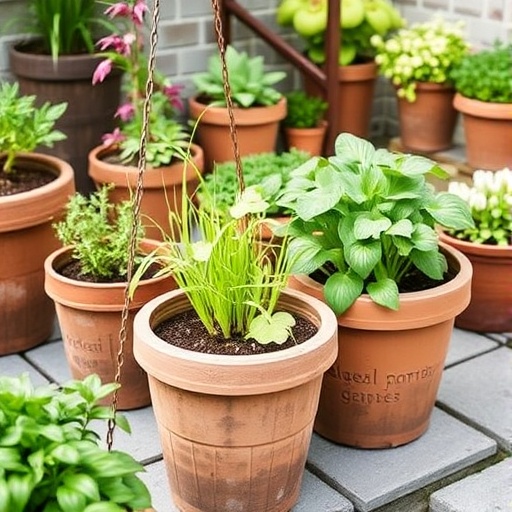
First things first, make sure your containers are clean. If you’re reusing pots, a good scrub with soap and water, followed by a light bleach solution (1 part bleach to 9 parts water) and a thorough rinse, will sterilize them and prevent disease spread. Ensure every container has adequate drainage holes at the bottom. If not, drill 3-5 holes for optimal water flow. This tiny step prevents 60% of common container gardening issues.
Selecting the Right Potting Mix
Fill your chosen containers with a high-quality potting mix. Do not use garden soil, as it compacts easily in pots and stifles root growth. A premium potting mix designed for containers provides superior aeration and drainage, essential for happy roots. Fill the pot to about an inch or two below the rim, leaving enough space for watering.
Planting Your Seeds or Seedlings
If planting seeds, follow package directions for depth and spacing. Create small indentations, drop in a few seeds, and gently cover with soil. If using seedlings, carefully remove them from their nursery pots, loosen any circling roots, and plant them at the same depth they were in their original container. Firm the soil gently around the base of the plant. Don’t worry if you damage a tiny root or two; plants are resilient!
Initial Watering
Immediately after planting, give your containers a thorough watering until water drains from the bottom. This settles the soil around the seeds or roots and provides them with essential moisture to begin growing.
Placement for Sunlight
Move your newly planted containers to their chosen spot on your patio. Most vegetables, especially fruiting ones like tomatoes and peppers, require at least 6-8 hours of direct sunlight per day. Observe your patio throughout the day to identify the sunniest spots. Leafy greens and root vegetables can tolerate slightly less sun, around 4-6 hours.
Growth & Care Tips
Consistent care is the cornerstone of a thriving container vegetable gardening project. Your plants are relying on you for survival, especially in the confined space of a pot.
- Watering Frequency: This is paramount. Container plants dry out much faster than those in the ground. On average, expect to water daily, sometimes twice a day during hot, windy weather. The best way to check is to stick your finger about an inch or two into the soil. If it feels dry, it's time to water. Water until you see it draining from the bottom of the pot. Overwatering is just as harmful as underwatering, leading to root rot in approximately 60% of cases reported by new gardeners.
- Sunlight Exposure: As mentioned, most vegetables are sun-worshippers! Tomatoes, peppers, squash, and beans need at least 6-8 hours of direct sunlight. Leafy greens (lettuce, spinach, kale) and many herbs can tolerate 4-6 hours. Strategically place your containers to maximize sun, or consider casters for easy relocation throughout the day.
- Pruning: Regular pruning encourages bushier growth and higher yields. For indeterminate tomatoes, pruning suckers (shoots that grow between the main stem and a leaf branch) directs energy to fruit production. For herbs, pinching back tips promotes new growth and prevents legginess.
- Fertilization: Container plants rapidly deplete nutrients from their limited soil volume. About 2-3 weeks after planting, begin a regular fertilization schedule. Use a balanced, water-soluble organic fertilizer every 2-4 weeks. Follow label instructions carefully. Compost tea or liquid seaweed are excellent organic choices that replenish micronutrients effectively.
- Pest Prevention: Vigilance is your best defense. Inspect your plants regularly for signs of pests (chewed leaves, sticky residue, visible insects). Early detection makes management easier. Companion planting (e.g., marigolds to deter nematodes near tomatoes) can help. For active infestations, try organic solutions like neem oil or insecticidal soap, targeting pests directly. Remember, a healthy plant is more resistant to pests.
Eco-Friendly & Sustainable Alternatives
Embracing sustainability in your container vegetable gardening practices not only benefits the environment but often leads to healthier plants and a more enjoyable gardening experience.
- Composting: Turn kitchen scraps and garden waste into nutrient-rich compost. A small countertop compost bin or a worm bin (vermicomposting) is perfect for apartment dwellers. This "black gold" can be mixed into your potting soil or used as a top dressing, significantly reducing the need for purchased fertilizers. The average household can divert over 500 lbs of organic waste from landfills annually through composting.
- Natural Fertilizers: Beyond your homemade compost, explore other organic options. Liquid seaweed and fish emulsion provide gentle, broad-spectrum nutrients. Used coffee grounds can add nitrogen and acidity, perfect for blueberries or acid-loving herbs. Epsom salts, in moderation, can boost magnesium for fruiting plants. You can find excellent organic fertilizer recipes to create your own effective plant food.
- Water Conservation: Implement smart watering techniques. Mulch the top of your containers with straw, coco coir, or wood chips to reduce evaporation by up to 30%. Consider self-watering planters or DIY wicking systems that provide consistent moisture. Collect rainwater in barrels for chemical-free irrigation.
- Recycled Containers: As mentioned earlier, give new life to old items! Food-grade buckets, large plastic bottles (cut and drainage holes added), or even old tires (ensure they are structurally sound and safe) can make excellent, cost-free planting vessels. This reduces waste and adds unique character.
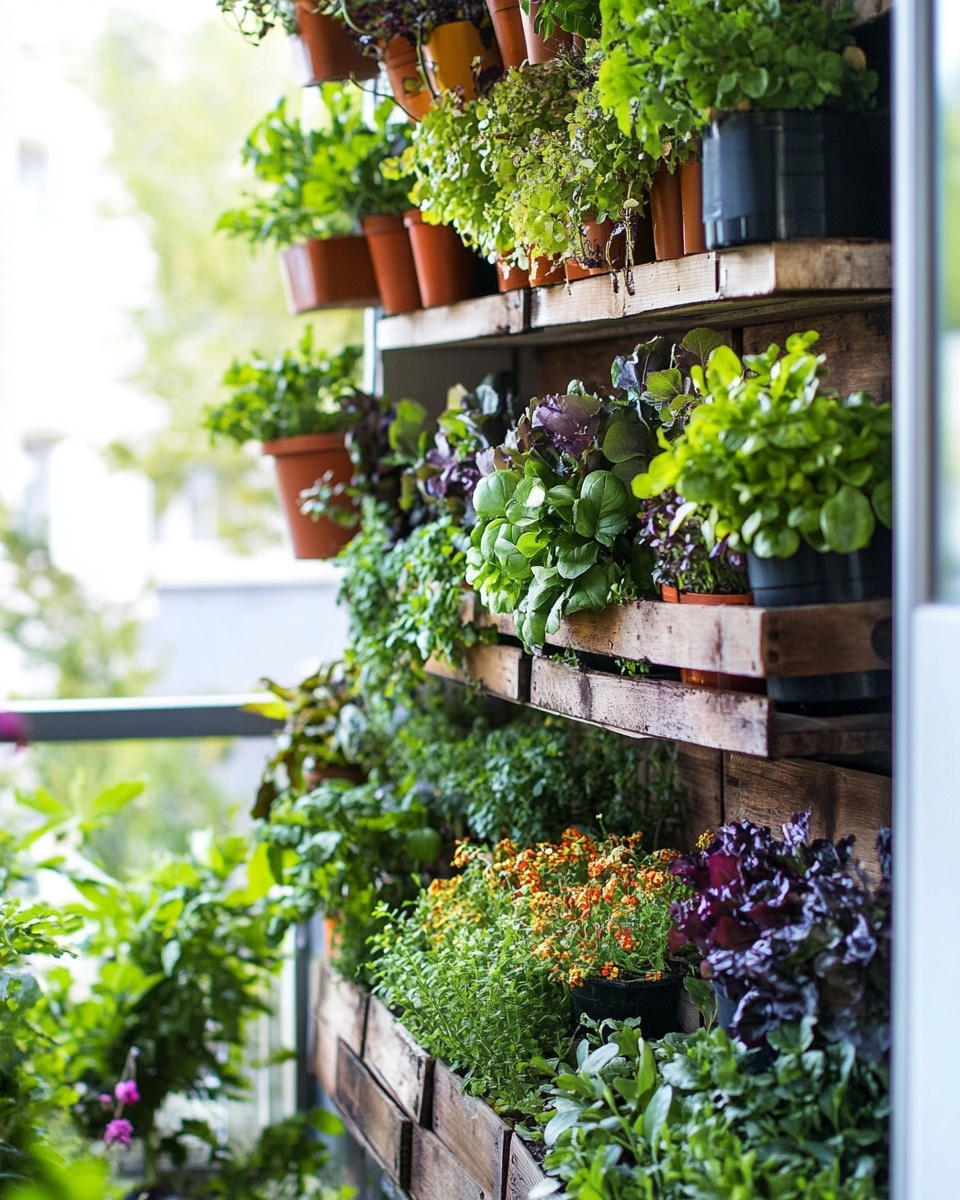
- Small Space Solutions: Not everyone has a sprawling patio. Vertical gardening systems, such as stacked planters, wall-mounted pockets, or tiered shelves, are perfect for maximizing growing space on small balconies or even indoors near a sunny window. Explore these ideas for creative small-space gardening.
Creative Ideas & Uses
Your container vegetable gardening isn't just about food; it's an extension of your living space. Infuse personality and maximize utility with these creative ideas:
- Designing Your Edible Landscape: Think beyond simple rows. Mix herbs, vegetables, and even edible flowers (like nasturtiums or pansies) in the same container for a visually appealing and biodiverse arrangement. A "pizza garden" with tomatoes, oregano, basil, and bell peppers in a large tub is both thematic and delicious. Use varying container heights to create visual interest – taller plants like staked tomatoes at the back, bushier herbs in the middle, and trailing nasturtiums along the front.
- Repurposing Materials for Aesthetics: Old wooden crates can be lined and used as rustic planters. Paint terracotta pots in vibrant colors or soothing pastels to match your outdoor decor. Use old metal watering cans or vintage colanders as decorative hanging planters for herbs (just add drainage). An old step ladder can be transformed into a tiered plant display, perfect for an array of small herb pots.
- Integrating with Outdoor Decor: Position your most attractive containers strategically to enhance your patio. Use plants with interesting foliage, like Swiss chard with its colorful stems, or ornamental peppers, as living decor. Consider adding string lights around your plant display for a magical evening ambiance. A small table and chairs nestled amongst your vibrant containers create a charming spot for morning coffee and fresh harvests.
Common Mistakes to Avoid
Even seasoned gardeners make mistakes, but being aware of common pitfalls in container vegetable gardening can save you heartache and boost your success rate.
- Using Garden Soil in Containers: This is a top offender. Garden soil is too heavy and compacts quickly in pots, suffocating roots and preventing proper drainage. It also often contains weed seeds and pathogens. Always use a lightweight, well-draining potting mix.
- Lack of Drainage Holes: Without drainage, your containers become bathtubs for your plants, leading to waterlogged roots and inevitable root rot. Root rot is responsible for the demise of approximately 60% of struggling container plants. Always ensure sufficient drainage holes.
- Under- and Overwatering: Both extremes are damaging. Underwatering causes wilting and nutrient stress, while overwatering leads to root rot and fungal diseases. Get into the habit of checking soil moisture daily by hand.
- Ignoring Fertilization: Container plants are in a closed system; their nutrients are finite. Unlike in-ground gardens where soil microbes constantly replenish soil health, pots require external nutrient input. Skipping fertilizer will lead to stunted growth and poor yields.
- Too Small Containers: While it's called 'container gardening,' the container needs to be adequately sized for the mature plant. Too-small pots restrict root growth, leading to nutrient deficiencies, rapid drying out, and unstable plants. A cherry tomato in a 5-gallon container will thrive; the same plant in a 1-gallon pot will struggle to produce.
- Insufficient Sunlight: Most vegetables need full sun (6-8 hours). Placing sun-loving plants in a shady corner will result in leggy, unproductive plants. Be honest about the light conditions on your patio before selecting plants.
Maintenance & Storage Tips
Ensuring the longevity and productivity of your container vegetable gardening efforts, even through seasonal changes, involves consistent maintenance and smart storage strategies.
- Long-Term Plant Health: Regularly rotate your containers to ensure all sides of the plant receive adequate sunlight. Deadhead spent flowers (for herbs) and harvest mature vegetables promptly to encourage continuous production. Inspect leaves frequently for any discoloration or spots; yellow leaves, for example, often indicate a nutrient deficiency (like nitrogen) or overwatering. A quick test for soil pH with a home kit can also reveal underlying nutrient uptake issues.
- Pest and Disease Management: Beyond early detection, practice good garden hygiene. Remove any fallen leaves or plant debris from your containers to prevent fungal growth. If a plant shows signs of a severe disease, it's sometimes best to remove and dispose of it to prevent spread to other healthy plants. For persistent pests, consider introducing beneficial insects or using organic insecticidal sprays as a last resort.
- Seasonal Care: As seasons change, so do your plants' needs.
- Summer: Increase watering frequency, possibly adding shade cloths during extreme heat waves to prevent scorching.
- Autumn: Harvest remaining produce, and consider planting cool-season crops like kale or spinach.
- Winter: For tender perennials or herbs, consider bringing them indoors if your climate experiences hard freezes. For annuals, clean out containers, sterilize them, and store them for the next season.
- Seed Storage: If you're saving seeds or have leftover packets, proper storage ensures viability for future seasons. Store seeds in a cool, dark, and dry place. An airtight container in the refrigerator or freezer is ideal. Most seeds maintain good germination rates for 1-3 years when stored correctly. Label them clearly with the plant type and date acquired.
- Soil Management: Over time, potting mix can lose its structure and nutrients. While you can reuse potting mix, it's generally recommended to refresh it or use new mix each season, especially for heavy feeders. If reusing, amend old soil with fresh compost and a slow-release organic fertilizer to revitalize it. This helps prevent soilborne diseases and ensures optimal growth.
Conclusion
Embarking on container vegetable gardening isn't just about growing food; it’s about nurturing a connection to nature, cultivating self-sufficiency, and transforming your patio into a vibrant, productive sanctuary. We've explored everything from selecting the right containers and soil, understanding the time commitment, to mastering crucial growth and care tips. You now have the knowledge to avoid common pitfalls and embrace sustainable practices, ensuring a bountiful harvest right outside your door. The joy of harvesting your own chemical-free produce, fresh from the plant, is unparalleled. It’s an incredibly rewarding experience that tastes as good as it feels.
Are you ready to dig in and experience the profound satisfaction of growing your own food? Start small, learn as you go, and watch your patio flourish. Share your garden journey with us – we’d love to see your progress! What will be the first vegetable you plant in your new container garden?
FAQ
Q1: What are the best vegetables for container gardening on a patio?
A1: Many vegetables thrive in containers! Some of the best choices for container vegetable gardening include bush varieties of tomatoes, peppers, eggplants, bush beans, snap peas, radishes, carrots (short varieties), spinach, lettuce, kale, Swiss chard, and most herbs. Look for varieties labeled "patio," "dwarf," or "compact." For more ideas, check out our guide on how to start a vegetable garden from scratch.
Q2: How often should I water my container vegetable garden?
A2: The frequency depends on several factors: plant size, container size, type of container material, and weather conditions. Generally, you'll need to water daily, and sometimes twice a day during hot or windy spells. Always check the soil moisture by sticking your finger an inch or two deep; if it feels dry, it's time to water thoroughly until water drains from the bottom.
Q3: Can I use regular garden soil in my containers?
A3: No, it's highly recommended against using regular garden soil in your containers. Garden soil is too dense, compacts easily, and doesn't provide the necessary drainage or aeration for root development in confined spaces. Always use a high-quality, lightweight potting mix specifically designed for container gardening.
Q4: Do all vegetables need full sun in containers?
A4: Most fruiting vegetables like tomatoes, peppers, and cucumbers require at least 6-8 hours of direct sunlight per day to produce well. However, leafy greens (lettuce, spinach, kale) and many root vegetables (radishes, carrots) can tolerate partial shade, typically 4-6 hours of sun. Position your patio containers accordingly.
Q5: How do I prevent pests in my container garden?
A5: The best defense against pests in container vegetable gardening is regular inspection and maintaining healthy plants. Check your plants daily for any signs of trouble. You can employ organic methods like companion planting (e.g., marigolds), using neem oil, or insecticidal soap for active infestations. Avoiding overwatering and proper plant spacing also helps.
Q6: What size container is best for tomatoes?
A6: For most determinate (bush) tomato varieties suitable for container vegetable gardening, a 5-gallon container (or larger) is ideal. Indeterminate (vining) varieties will require even bigger pots, often 10-gallon or half whiskey barrels, along with sturdy support like a cage or stake.
Q7: Is it possible to grow vegetables in containers during winter?
A7: Yes, depending on your climate! In milder climates, you can grow cool-season crops like lettuce, spinach, kale, and some root vegetables. In colder climates, you might need to bring containers indoors to a sunny window or use cold frames or mini-greenhouses to extend your growing season. You might enjoy exploring articles like easy indoor gardening setup for beginners for more tips.
Explore More Gardening Adventures!
If you've enjoyed learning about container vegetable gardening for patios, you're in luck! We have a wealth of resources to help you further cultivate your green thumb. Dive deeper into starting your gardening journey with our comprehensive guide on How to Start a Vegetable Garden from Scratch. Discover which vegetables are perfect for newcomers in Best Vegetables to Grow for Beginners. For those with limited space, unleash your creativity with Vertical Indoor Garden Ideas for Small Spaces. For even more green inspiration and visual ideas, don't forget to visit our curated collection on Pinterest at https://www.pinterest.com/janatjanay47/. Happy planting!