Introduction
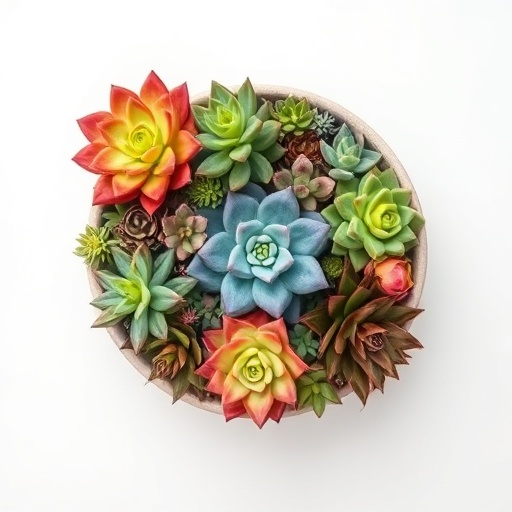
Did you know that integrating houseplants can boost your mood by up to 20% and improve indoor air quality by removing toxins? While general houseplants are great, imagine the serene beauty and sculptural elegance that indoor succulents garden ideas can bring to your living space. Far from being just decorative accents, strategically arranged succulents offer a low-maintenance yet high-impact way to connect with nature, even in the smallest urban apartment. Their unique shapes and vibrant colors promise a miniature desert oasis right on your windowsill or desk. Ready to transform your home with these resilient beauties, creating stunning, personalized arrangements that effortlessly thrive? Let's dive in and unlock the secrets to a captivating indoor succulent display.
Tools & Materials Needed
To embark on your journey creating picturesque indoor succulents garden ideas, gathering the right tools and materials is crucial. This isn't just about throwing a few plants into a pot; it's about crafting a thriving ecosystem.
- Planters/Containers: Opt for containers with drainage holes. Terra cotta, ceramic, or even repurposed items like old teacups or vintage wooden boxes (drilled for drainage) work wonders. For a budget-friendly option, consider upcycling glass jars by adding a layer of pebbles at the bottom to create a false drainage system (though true drainage is always best).
- Succulent Plants: Choose a variety of sizes, textures, and colors. Popular beginner-friendly options include Echeveria, Haworthia, Sedum, and Gasteria. Look for healthy plants with firm leaves and no signs of pests or disease.
- Cactus/Succulent Potting Mix: This specialized soil drains rapidly, preventing root rot, which is a common killer of succulents. It typically contains sand, perlite, or pumice. Avoid standard potting soil as it retains too much moisture.
- Pumice, Perlite, or Horticultural Sand: These amendments improve drainage when mixed with potting soil. Eco-friendly alternative: crushed lava rock or gritty chicken grit (unmedicated!).
- Small Shovel/Trowel: For scooping soil and transplanting.
- Gloves: Optional, but useful for handling spiky varieties or keeping hands clean.
- Pruning Shears/Scissors: For trimming roots or removing dead leaves.
- Decorative Elements: Pebbles, gravel, sand, small stones, sea glass, or even miniature figurines can elevate your arrangement's aesthetic. Consider small pieces of driftwood for a natural touch.
- Watering Can with a Narrow Spout: Allows for precise watering, preventing overwatering.
- Drainage Tray: Essential for catching excess water after watering.
Time & Effort Overview
Crafting beautiful indoor succulents garden ideas is surprisingly time-efficient, especially when compared to many other gardening projects. The initial setup usually takes about 1-2 hours, depending on the complexity of your chosen design and the number of plants. This is significantly faster than establishing a traditional herb garden, for example, which often requires more intricate soil preparation and seed starting.
Once established, succulents demand minimal attention. They typically require watering only once every 2-4 weeks, making their maintenance roughly 75% less frequent than that of typical leafy houseplants. The difficulty level for creating most indoor succulent arrangements is beginner to intermediate. While the plants themselves are forgiving, thoughtful arrangement and proper potting techniques do require a little careful consideration.
Step-by-Step Gardening Process
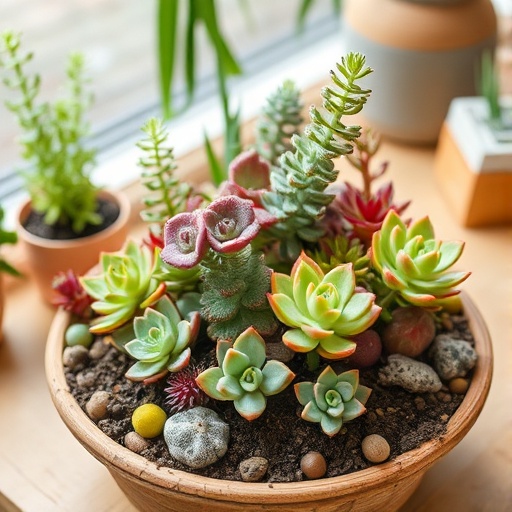
Ready to bring your indoor succulents garden ideas to life? Follow these clear steps to create a stunning and thriving arrangement.
Choosing Your Succulents and Container
Start by selecting healthy succulents that complement each other in terms of color, texture, and growth habit. Consider plants with varying heights and forms. Pick a container with adequate drainage holes; if yours doesn't have them, use a drill to create them or choose plants that tolerate more moisture and add a generous layer of drainage material.
Preparing the Potting Mix
A successful indoor succulents garden hinges on excellent drainage. Mix your specialized cactus/succulent potting mix with additional perlite or pumice at a 2:1 ratio (two parts soil to one part amendment). This ensures the soil won't stay waterlogged, preventing root rot.
Adding a Drainage Layer (Optional but Recommended)
While some debate its necessity, adding a thin layer (about 1 inch) of gravel or small stones at the bottom of your pot before the soil can provide an extra buffer against overwatering, especially for containers with limited drainage. Don’t worry if you skip this; the gritty soil mix is the primary defense.
Planting Your Succulents
Gently remove each succulent from its nursery pot. Loosen any tightly bound roots at the bottom. Position the largest or tallest succulent first, usually in the center or back of the arrangement. Then, strategically place smaller or trailing succulents around it, playing with symmetry or asymmetry as desired. Ensure that the base of each succulent's leaves is just above the soil line and not buried.
Filling with Soil
Carefully backfill around the succulents with your prepared potting mix. Use your small shovel or hands to gently pat down the soil around the base of each plant, ensuring they are stable. Leave about an inch of space from the rim of the container for watering.
Adding Decorative Elements
This is where your indoor succulents garden truly comes alive! Once the plants are securely in place, add a top dressing of decorative gravel, pebbles, or sand. This not only enhances the visual appeal but also helps to keep the bottom leaves of the succulents dry, reducing the risk of rot.
Initial Watering (After a Few Days)
Unlike other plants, do not water your newly potted succulents immediately. Give them a few days (3-5 days is ideal) to acclimate to their new home and for any disturbed roots to heal. This prevents potential rot from moisture entering fresh wounds.
Growth & Care Tips
Maintaining your indoor succulents garden is delightfully simple, primarily due to their natural adaptations to arid environments. Here's how to ensure your arrangement thrives:
- Watering Frequency: This is perhaps the most critical aspect. Succulents store water in their leaves and stems, making them highly susceptible to overwatering. Water only when the soil is completely dry to the touch, usually every 2-4 weeks. During winter dormancy, reduce watering even further, perhaps once a month. A common mistake is to water on a schedule; instead, water based on soil moisture. Studies show overwatering accounts for premature death in nearly 70% of houseplants.
- Sunlight Exposure: Succulents adore bright light! Place your arrangement in a location that receives at least 4-6 hours of direct sunlight daily, ideally a south-facing window. If natural light is insufficient, consider a grow light. Pale, stretched-out growth (etiolation) is a clear sign your succulents need more light.
- Pruning: Only prune to remove dead or dying leaves. Use clean, sharp scissors or shears. This encourages new growth and keeps your arrangement looking tidy.
- Fertilization: Succulents are not heavy feeders. Fertilize sparingly, if at all, during their active growing season (spring and summer) using a diluted, balanced liquid fertilizer specifically formulated for succulents or cacti. Over-fertilization can harm them.
- Pest Prevention: Succulents are generally pest-resistant, but mealybugs or spider mites can occasionally appear, especially in humid or dusty conditions. Inspect your plants regularly. If you spot pests, isolate the plant and treat it with rubbing alcohol on a cotton swab or a gentle insecticidal soap. A healthy plant environment is your best defense.
Eco-Friendly & Sustainable Alternatives
Embracing eco-conscious practices while nurturing your indoor succulents garden is surprisingly easy and rewarding.
- Repurposing Containers: Instead of buying new, look for unique containers at thrift stores or around your home. Old coffee mugs, tin cans (with drainage holes added), or even empty candle jars can be transformed into charming succulent homes. This reduces waste and adds character.
- Homemade Potting Mix: While specialized succulent mix is excellent, you can create your own by mixing high-quality potting soil with perlite, pumice, or coarse sand in a 1:1:1 ratio. Consider sourcing components locally to reduce transportation emissions.
- Water Conservation: Succulents inherently conserve water. Further reduce your footprint by collecting rainwater for irrigation or using water from ablution. When watering, ensure it drains thoroughly, preventing wastage.
- Propagating New Plants: Grow your collection sustainably by propagating new plants from leaf or stem cuttings from existing succulents. This means fewer purchases from nurseries, saving resources and money. Learn more about propagation techniques from experts like those at https://www.pinterest.com/janatjanay47/.
- Natural Pest Control: Instead of chemical pesticides, opt for natural solutions like neem oil or diluted rubbing alcohol for pest issues. Companion planting isn’t usually relevant for indoor succulents, but maintaining plant health reduces susceptibility.
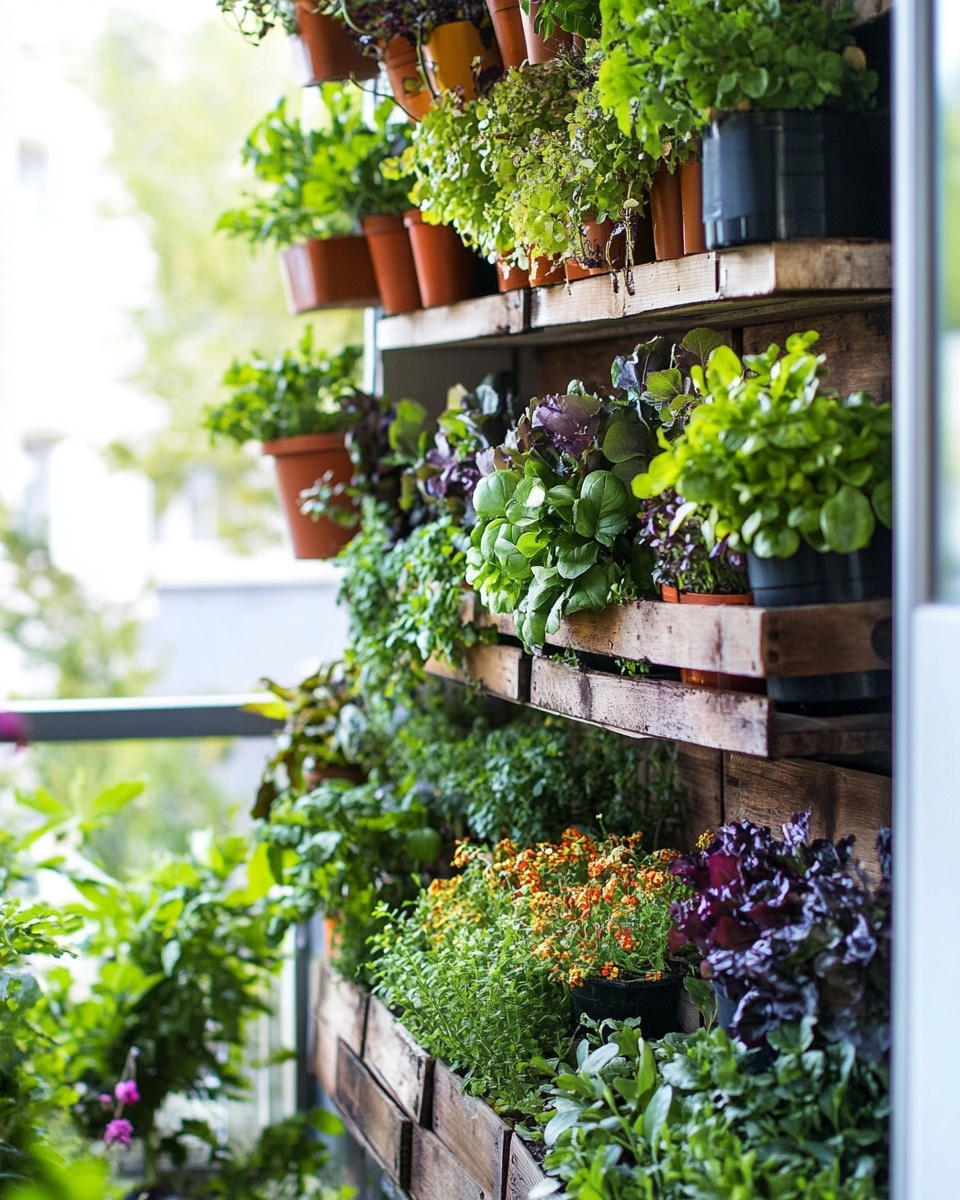
For urban dwellers or those with limited space, indoor succulents garden ideas are perfectly suited for small apartments. Consider vertical planters or wall-mounted displays to maximize space without sacrificing greenery.
Creative Ideas & Uses
Indoor succulents garden ideas go far beyond simple potted plants. They are living art pieces waiting to be designed.
- Terrariums and Dish Gardens: Create miniature landscapes in glass containers (open terrariums are best for succulents to ensure air circulation). Combine different succulent varieties with decorative sand layers, pebbles, and small figurines to tell a story or evoke a specific theme.
- Living Wall Art: Mount succulents in special frames or wall planters for a striking vertical display. This is an excellent way to incorporate greenery when floor or shelf space is limited. Choose varieties that don't grow too large.
- Table Centerpieces: A low, wide succulent arrangement can make a stunning, long-lasting centerpiece for a dining table or coffee table. The vibrant hues and unique forms add a sophisticated touch without obstructing views.
- Repurposed Items as Planters: Think outside the box! Old birdcages, tiered dessert stands, or even hollowed-out log sections can become unique homes for your succulents. Just remember to ensure proper drainage.
- Succulent Coasters: For a whimsical touch, tiny succulent cuttings can be rooted directly into small, shallow containers and used as charming, temporary coasters (ensure they are sealed to protect surfaces).
- Combine with Other Plants: While succulents primarily need dry conditions, some arrangements can successfully combine them with other drought-tolerant plants like air plants for a diverse textural display, provided watering is managed carefully.
Common Mistakes to Avoid
Even experienced gardeners can make errors. Understanding common pitfalls will significantly increase your success with indoor succulents garden ideas.
- Overwatering: This is by far the most frequent killer. Overwatering causes root rot in over 60% of houseplant fatalities, especially for succulents. Always check the soil moisture before watering. When in doubt, wait another day.
- Insufficient Drainage: Using pots without drainage holes or heavy, water-retentive soil mixes traps moisture around the roots, leading to rot. Good drainage is non-negotiable.
- Lack of Light: Succulents, by nature, thrive in bright, sunny conditions. Placing them in low-light environments causes them to stretch, become pale, and weaken (etiolation). They essentially "reach" for light, losing their compact, appealing form.
- Incorrect Soil: Standard potting soil is too rich and holds too much moisture for succulents. Always use a specialized cactus/succulent mix.
- Neglecting Acclimation: Rapid changes in environment (light, temperature) can shock new plants. Allow newly acquired succulents to acclimate gradually to their new spot.
- Too Much Fertilizer: Succulents are adapted to nutrient-poor soils. Excessive fertilization can burn their roots and lead to leggy, unhealthy growth.
Maintenance & Storage Tips
Long-term health for your indoor succulents garden relies on consistent, thoughtful maintenance.
- Leaf Drop: A few falling lower leaves are normal, especially as new growth emerges. However, excessive leaf drop, particularly soft, mushy leaves, indicates overwatering. Dry, shriveled leaves often point to under-watering, though this is less common with robust succulents.
- Repotting: Succulents don't typically outgrow their pots as quickly as other plants. Repot them every 1-2 years, or when they become root-bound, to refresh the soil and provide some fresh nutrients. Always use fresh succulent potting mix.
- Seasonal Care: In winter, most succulents enter a dormant phase. Reduce watering significantly and ensure they continue to receive ample light. Avoid fertilizing during this period.
- Pest Checks: Regularly inspect your plants for signs of pests, especially under leaves and in crevices, particularly when you water. Early detection makes treatment much easier.
- Cleaning Leaves: Dust can accumulate on succulent leaves, impeding photosynthesis. Gently wipe leaves with a soft, dry brush or a slightly damp cloth. Avoid commercial leaf shiners.
- Soil Drainage Issues: If you suspect drainage problems, gently unpot the succulent and inspect the roots. Trim any mushy, blackened roots (root rot) with sterilized scissors, allow the plant to air dry for a day or two, and then repot in fresh, gritty soil in a pot with good drainage.
Conclusion
Embarking on the journey of creating indoor succulents garden ideas is more than just a hobby; it’s an artistic expression and a pathway to a more tranquil home environment. From the initial thrill of selecting varied, captivating species to the satisfaction of watching your miniature landscape evolve, succulents offer enduring beauty with minimal fuss. We’ve covered everything from essential tools and eco-friendly choices to common pitfalls, empowering you to cultivate stunning, thriving arrangements. Remember, the key to success lies in understanding their need for well-draining soil and ample light, coupled with a 'less is more' approach to watering.
Now, it's your turn! Don't let hesitation prevent you from experiencing the joy of these resilient plants. Gather your materials, unleash your creativity, and start designing your unique indoor succulent sanctuary today. We’d love to see your creations! Share your beautiful indoor succulents garden ideas with our community by tagging us on social media or leaving a comment below. Happy gardening!
FAQ
Q1: How often should I water my indoor succulents garden?
A1: Generally, water your indoor succulents garden when the soil is completely dry to the touch, typically every 2-4 weeks. During winter dormancy, reduce watering to once per month. Always err on the side of under-watering rather than overwatering.
Q2: What is the best soil mix for indoor succulents?
A2: The best soil mix is a specialized cactus or succulent potting mix, which contains a high percentage of inorganic amendments like perlite, pumice, or coarse sand to ensure excellent drainage. Avoid dense, moisture-retentive standard potting soil for your indoor succulents garden.
Q3: Do indoor succulents need direct sunlight?
A3: Yes, most indoor succulents thrive on at least 4-6 hours of direct, bright sunlight daily. A south-facing window is usually ideal. Insufficient light will cause them to stretch and become leggy.
Q4: Can I use regular pots for my indoor succulents garden?
A4: You can use regular pots, but they must have drainage holes. Without proper drainage, water will sit at the bottom, invariably leading to root rot. Terra cotta pots are excellent as they allow for better airflow and evaporation.
Q5: Why are my succulent leaves turning yellow and mushy?
A5: Soft, yellow, and mushy leaves are almost always a sign of overwatering. Root rot has likely set in. Unpot the plant, inspect the roots, trim any rotten parts, and repot in fresh, dry succulent mix. Let it dry out for a few days before its first watering.
Q6: How do I prevent pests in my indoor succulents garden?
A6: The best prevention is regular inspection and maintaining healthy plants. If pests like mealybugs appear, treat them with a cotton swab dipped in rubbing alcohol or a gentle insecticidal soap. Avoid over-fertilizing, which can attract pests.
Q7: Can I grow succulents from leaves?
A7: Absolutely! Many succulent varieties can be propagated from a single leaf. Gently twist off a healthy leaf, let it callus for a few days, then place it on top of dry succulent soil. New pups will eventually sprout from the base of the leaf.
Discover More Gardening Insights:
- For those just starting their green journey, check out our guide on how to grow succulents indoors without overwatering, which complements these indoor succulents garden ideas!
- Thinking about bringing more green indoors? Explore our suggestions for Best Indoor Plants That Purify Air Naturally to enhance your home's air quality.
- If you're eager to expand your indoor gardening prowess, don't miss our comprehensive tips on Easy Indoor Gardening Setup For Beginners to ensure all your plants thrive.