Introduction
Does the thought of fresh, homegrown produce seem like a distant dream, reserved only for those with sprawling backyards and endless gardening plots? Think again! Only 15% of American households grow their own food, but a significant portion of those are thriving in compact spaces thanks to the power of container vegetable gardening. This innovative approach transforms even the smallest patio, balcony, or rooftop into a flourishing edible oasis, allowing you to harvest crisp lettuce, juicy tomatoes, and fragrant herbs right on your doorstep. Forget the limitations of traditional soil beds; growing vegetables in containers offers unparalleled flexibility, control, and a deeply satisfying connection to your food source. As an expert in sustainable living and a seasoned urban gardener, I'm here to show you how even a tiny footprint can yield a bountiful harvest.
Tools & Materials Needed
Embarking on your container vegetable gardening journey is surprisingly straightforward once you have the right essentials. You don't need a huge budget or an arsenal of specialized equipment.
- Containers: This is where the "container" in container vegetable gardening shines! Choose pots, grow bags, or recycled containers at least 6-12 inches deep for most vegetables. Larger plants like tomatoes or peppers will appreciate 15-20 gallon containers.
- Eco-friendly/Budget Alternative: Repurpose old five-gallon buckets (drill drainage holes!), plastic storage bins, or even sturdy laundry baskets. Terracotta pots look great but can dry out quickly. Fabric grow bags are excellent for aeration and preventing root circling.
- Potting Mix: A high-quality, well-draining potting mix is non-negotiable. Avoid using garden soil, as it compacts easily in pots, suffocating roots. Look for mixes containing perlite, vermiculite, and compost.
- Eco-friendly Alternative: Make your own with equal parts compost, coco coir (a sustainable alternative to peat moss), and perlite for excellent drainage and nutrition.
- Seeds or Seedlings: For beginners, starting with seedlings from a local nursery can significantly boost success rates. However, seeds offer a wider variety and are more budget-friendly.
- Tip: Check seed packets for "container-friendly" or "bush" varieties, specifically bred for compact growth.
- Hand Trowel and Small Spade: Essential for scooping soil, planting, and light weeding.
- Watering Can or Hose with a Gentle Sprayer: Consistent, gentle watering is crucial.
- Fertilizer: Organic, slow-release granular fertilizer or liquid feed (like fish emulsion or a balanced organic vegetable fertilizer) will provide the necessary nutrients.
- Pruning Shears/Snips: For harvesting and maintaining plant shape.
- Gardening Gloves: Protect your hands from dirt and thorns.
- Sunlight Meter (Optional but Recommended): Helps you determine the best placement for your plants, ensuring they get the vital 6-8 hours of direct sunlight most vegetables need.
Time & Effort Overview
Don't let perceived time commitment deter you from starting your container vegetable garden. This method is incredibly efficient!
Initial Setup: Expect to spend 2-4 hours for initial setup, including gathering supplies, mixing soil, and planting your first batch of seeds or seedlings.
Daily/Weekly Maintenance: This is where container gardening truly shines for busy individuals.
- Watering: Daily in hot weather, every 2-3 days otherwise. (5-10 minutes/day)
- Checking for Pests/Diseases: Quick visual inspection (2-3 minutes/day). Early detection is key!
- Harvesting: As needed, often 2-3 times a week for leafy greens. (10-20 minutes/week)
- Feeding: Every 2-4 weeks, depending on your fertilizer. (5 minutes/session)
Total Weekly Commitment: On average, you're looking at about 1-2 hours of active gardening per week once established. This is significantly less than a traditional in-ground garden, which can demand 5+ hours weekly, especially during peak season.
Difficulty Level: Beginner-Friendly. Container vegetable gardening is one of the most forgiving ways to start gardening. You have greater control over soil conditions, watering, and pest management, making it excellent for learning the ropes.
Step-by-Step Gardening Process
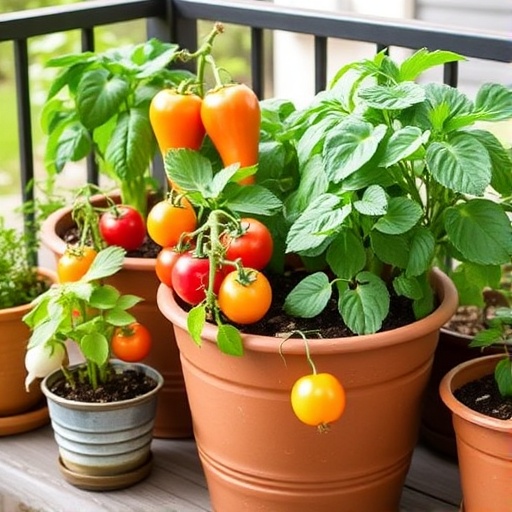
Ready to get your hands dirty? Let's walk through the process of setting up your vibrant new container vegetable garden.
Step 1: Choose Your Crops Wisely
The first step to thriving container vegetable gardening is selecting plants that perform well in pots. Focus on compact varieties. Great choices include:
- Greens: Lettuce, spinach, kale (bush varieties)
- Herbs: Basil, mint, parsley, cilantro, thyme (check out our guide on "Best Herbs to Grow on a Sunny Balcony")
- Fruiting Vegetables: Cherry tomatoes, bush beans, small peppers, radishes, carrots (short varieties)
- Strawberries: Specifically chosen for containers.
Expert Tip: Research specific mature sizes and sunlight requirements for each plant before buying seeds or seedlings.
Step 2: Prepare Your Containers
Ensure all your chosen containers have adequate drainage holes at the bottom. If they don't, manually drill several 1/2-inch holes. This is crucial for preventing root rot, which accounts for up to 60% of plant failures in pots due to overwatering.
Pro Tip: To prevent soil from washing out, place a piece of permeable landscape fabric or a coffee filter over the drainage holes before adding soil. Avoid using gravel; it doesn't improve drainage and can create a perched water table.
Step 3: Fill with Quality Potting Mix
Fill your containers with your selected high-quality potting mix, leaving approximately an inch of space from the rim. Gently moisten the soil throughout. This ensures even hydration and prevents dry pockets after planting.
Step 4: Plant Your Seeds or Seedlings
If planting seeds, follow the depth and spacing instructions on the seed packet. For seedlings, gently remove them from their nursery pots, loosen any circling roots, and plant them at the same depth they were in their original container. Firm the soil gently around the base of the plant.
Don't worry if… a few roots break off while handling seedlings; plants are resilient! Just be gentle.
Step 5: Water Thoroughly After Planting
Immediately after planting, give your containers a good, deep watering until water drains from the bottom. This helps settle the soil and provides initial hydration for your new plants.
Step 6: Optimal Placement for Sunlight
Move your freshly planted containers to their sunniest spot. Most vegetables need at least 6-8 hours of direct sunlight daily to thrive and produce abundantly. Observe the sun's path throughout the day to find the ideal location. If you’re unsure, a simple sunlight meter can confirm.
Growth & Care Tips
Consistent care is the backbone of a productive container vegetable garden.
Watering Frequency: This is often the most critical factor. Container plants dry out much faster than in-ground plants due to increased air exposure.
- Rule of Thumb: Check the soil daily by sticking your finger about an inch deep. If it feels dry, it’s time to water.
- Data Point: Studies show that consistent, even moisture can increase vegetable yield by up to 20% compared to irregular watering patterns.
- How to Water: Water slowly and deeply until you see water drain from the bottom. Avoid shallow, frequent watering which encourages shallow root growth.
- When to Water: Early morning is ideal, allowing plants to absorb water before the heat of the day and reducing fungal issues.
Sunlight Exposure: As mentioned, 6-8 hours of direct sun is crucial. Rotatable plant caddies can help you maximize sun exposure by easily repositioning pots. If sunlight is limited, consider grow lights for a boost.
Pruning:
- Tomatoes: "Suckers" (new shoots growing between the main stem and a leaf branch) should be pinched off to redirect energy into fruit production.
- Herbs: Regular harvesting encourages bushier growth. Don't be afraid to snip!
- Yellow or Dead Leaves: Remove them promptly to improve air circulation and prevent disease.
Fertilization: Potting mix nutrients deplete faster than garden soil.
- Begin fertilizing 2-4 weeks after planting.
- Use a balanced organic liquid fertilizer every 2-4 weeks or a slow-release granular organic fertilizer as directed on the package. Nitrogen-rich fertilizers are great for leafy greens, while fruiting plants benefit from phosphorus and potassium.
Pest Prevention:
- Daily Inspection: Your best defense! Look under leaves for tiny insects or eggs.
- Organic Solutions: Introduce beneficial insects, use neem oil spray, or a simple soap and water solution for soft-bodied pests like aphids. Companion planting can also deter pests; consider planting marigolds near your vegetables. For more ideas consider how to leverage "Best Companion Herbs to Grow Together".
Eco-Friendly & Sustainable Alternatives
Make your container vegetable gardening practice even greener with these sustainable approaches:
- Composting: Start a small worm composter or a simple tumler for kitchen scraps. The "black gold" (compost) enriches your potting mix, reducing the need for bagged fertilizers and minimizing waste.
- Rainwater Harvesting: Collect rainwater in barrels or buckets. It’s naturally free of chlorine and other chemicals found in tap water, making it excellent for plants, and reduces your water bill.
- DIY Self-Watering Planters: Convert five-gallon buckets or plastic storage bins into self-watering reservoirs. These can reduce watering frequency by 50-70%, especially beneficial during hot spells.
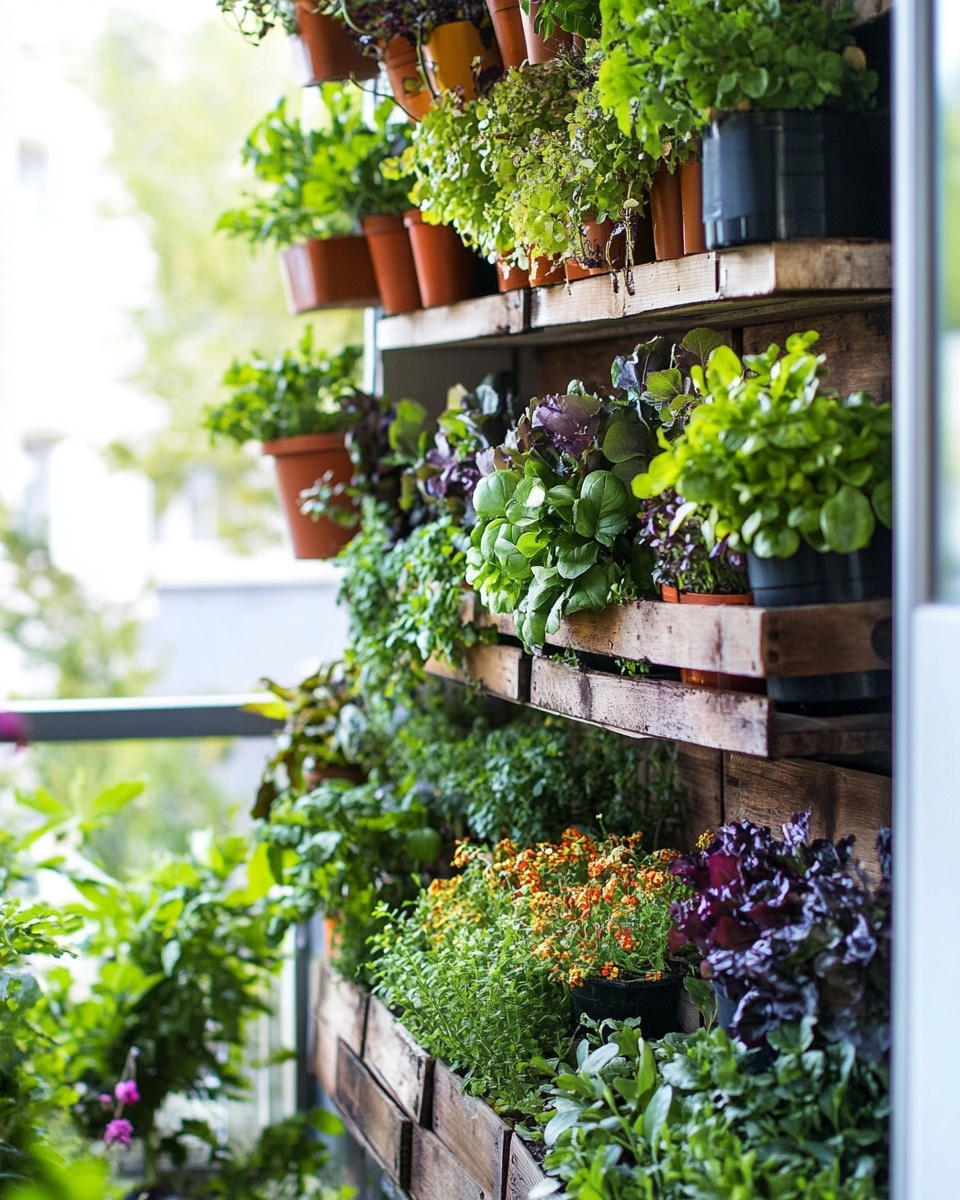
- Vertical Gardening: To maximize space, especially on balconies, explore vertical wall planters or stacked containers. This technique allows you to grow more in a smaller footprint. Our guide on "Vertical Indoor Garden Ideas for Small Spaces" offers fantastic inspiration.
- Seed Saving: For open-pollinated varieties, learn to save seeds from your harvests for the next season. This reduces costs and preserves unique plant genetics.
Creative Ideas & Uses
Decorate with Edibles: Integrate your container vegetable garden into your outdoor decor.
- Color Pop: Use colorful ceramic pots to create visual interest.
- Mixed Plantings: Combine a vibrant pepper plant with trailing nasturtiums (edible flowers!) for a stunning and productive display.
- Elevated Beds: Place containers on attractive stands or benches to bring them closer to eye level and create different heights.
Repurpose Materials:
- Old Pallets: Transform them into vertical herb gardens.
- Tiered Tins: Stack old coffee cans or food tins (with drainage holes) for a quirky tiered planter system.
- DIY Trellises: Use bamboo stakes, old wire hangers, or branches for climbing plants like cucumbers or small squash.
Aesthetic Combinations:
- "Salad Bowl" Look: Plant different varieties of lettuce and greens together in one wide shallow container for a beautiful and easy-to-harvest arrangement.
- Edible Flowers: Incorporate edible flowers like pansies, calendula, or borage for both beauty and culinary delight.
Common Mistakes to Avoid
Even experienced gardeners make errors! Learning from common pitfalls can save you time and frustration.
- Overwatering: The #1 killer of container plants. As mentioned, lack of proper drainage and too much water leads to root rot. If leaves yellow and wilt, but the soil is still wet, you're likely overwatering.
- Underwatering: Conversely, letting plants completely dry out stunts growth and can lead to blossom end rot in tomatoes and peppers. Aim for consistent moisture.
- Too Small Containers: Trying to grow a full-sized tomato in a 1-gallon pot is a recipe for disappointment. Plants become root-bound, nutrient-deprived, and stressed. Always choose appropriately sized containers.
- Inadequate Sunlight: While some plants tolerate partial shade, most fruiting vegetables require full sun. Placing them in a perpetually shady spot will result in spindly growth and poor yields.
- Using Garden Soil: Garden soil is heavy, compacts easily, and often contains weed seeds and pathogens. It’s simply not designed for container life. Always opt for a specialized potting mix.
- Ignoring Pests: A small infestation can quickly become a major problem. Daily checks are crucial. Missing early signs can lead to larger battles that might require more aggressive treatments.
- Lack of Fertilization: Container plants are "heavy feeders." Their confined root systems quickly exhaust the limited nutrients in potting mix. Regular feeding is essential for sustained growth and production.
Maintenance & Storage Tips
Ensuring your plants remain healthy and productive throughout the season and preparing for the next harvest is key to long-term success.
Long-Term Plant Health:
- Repotting: As plants grow, they may become root-bound. If you notice roots circling the drainage holes or growth slowing dramatically, it might be time to move to a larger pot or refresh the soil.
- Mulching: A thin layer of straw, shredded leaves, or wood chips on top of the soil helps retain moisture, regulate soil temperature, and suppresses weeds.
- Seasonal Rotation: If you plan on gardening year after year, consider rotating your crops to prevent nutrient depletion and pest buildup in specific containers.
Seed Storage:
- If you saved seeds or have leftover packets, store them in a cool, dark, and dry place (like a sealed jar in the refrigerator) to maintain viability for future seasons. Proper storage can keep seeds viable for 1-5 years, depending on the type.
End-of-Season Care:
- Container Cleaning: After harvesting your last crops, empty the containers, scrub them clean with a mild soap and water solution (or a diluted bleach solution for terracotta) to kill off any disease pathogens. Store them dry.
- Compost Old Soil: Don't reuse old potting mix immediately for the next season's vegetables, as it's likely depleted of nutrients and might harbor pests. Instead, add it to your compost pile so it can be rejuvenated.
Solutions for Common Issues:
- Yellow Leaves: Could be overwatering, underwatering, or nutrient deficiency. Check soil moisture first, then consider a balanced fertilizer.
- Poor Soil Drainage: If water sits on top for too long, the soil is too compact. Fork the top inch or two, and next time, use a higher-quality potting mix with more perlite or vermiculite.
- Leggy Plants: This often indicates insufficient light. Move plants to a sunnier spot or provide supplemental lighting.
Conclusion
You’ve now gained the knowledge and confidence to transform your urban dwelling into a vibrant, food-producing haven. Container vegetable gardening isn't just a hobby; it's a statement: a commitment to fresh flavors, sustainable living, and the incredible satisfaction of eating what you grow. The data consistently shows the nutritional and mental health benefits of home gardening, and now you have all the tools to reap those rewards. So, what are you waiting for? Grab a pot, some soil, and your favorite seeds, and start planting today! Share your progress with us on social media using #MyContainerGarden, and let us know what delicious produce you're harvesting.
FAQ
Q1: What are the best vegetables for container vegetable gardening for beginners?
A1: For those just starting their container vegetable gardening adventure, leafy greens like lettuce, spinach, and kale are excellent. Bush beans, radishes, carrots (short varieties), and cherry tomatoes are also very forgiving and productive in pots. Herbs such as basil, mint, and parsley thrive in containers too. For more tips on which plants are easiest to grow, check out our post on "Best Vegetables to Grow for Beginners".
Q2: How much sunlight do my container vegetables really need?
A2: Most fruiting vegetables, like tomatoes, peppers, and cucumbers, require at least 6-8 hours of direct sunlight per day. Leafy greens and many herbs can tolerate 4-6 hours of direct sun or even partial shade, but they'll grow more vigorously with more light. Insufficient light is a common reason for poor yields in container vegetable gardening.
Q3: How often should I water my container plants?
A3: Watering frequency depends on several factors: plant size, container size, temperature, humidity, and wind. As a general rule for container vegetable gardening, check the soil daily by sticking your finger an inch or two deep. If it feels dry, water thoroughly until water drains from the bottom. Deeper, less frequent watering is better than shallow, daily sprinkles, as it encourages stronger root development.
Q4: Can I use regular garden soil in my containers?
A4: No, it's highly recommended to use a high-quality potting mix specifically designed for containers. Garden soil is too dense for pots; it compacts easily, lacks adequate drainage, and can introduce pests and diseases. Potting mix provides the ideal balance of aeration, moisture retention, and nutrients that container vegetable gardening demands.
Q5: My plants look sickly and yellow. What could be wrong?
A5: Yellow leaves are a common sign of stress in container plants. It could indicate overwatering (most common!), underwatering, or a nutrient deficiency. First, check the soil moisture. If it's soggy, reduce watering. If it's bone dry, water deeply. If moisture seems balanced, your plants might need a boost of balanced organic fertilizer. Poor light or pest infestation can also cause yellowing.
Q6: How can I keep pests away from my container vegetable garden naturally?
A6: Natural pest control starts with daily inspection. Hand-picking larger pests and spraying with a mild soap solution for smaller ones like aphids can be effective. Introduce beneficial insects like ladybugs, or use organic neem oil. Companion planting, such as marigolds or strong-scented herbs like basil and mint, can deter many common garden pests. Consider our guide on "Organic Fertilizer Recipes for Herb Gardens" for healthier soil and stronger plants.
Q7: Do I need to fertilize container plants, or is potting mix enough?
A7: Yes, regular fertilization is crucial for container vegetable gardening. While potting mix provides initial nutrients, they are quickly depleted because of the limited soil volume and frequent watering. Start fertilizing 2-4 weeks after planting with a balanced organic liquid or slow-release granular fertilizer, following the product's instructions for consistent nutrient supply.
Explore More Gardening Goodness!
Ready to expand your green thumb knowledge? Check out these related articles for even more tips and inspiration:
- For a comprehensive guide to starting from scratch, delve into: "How to Start a Vegetable Garden from Scratch"
- If you're eager to build a dedicated space for your herbs, you'll love: "How to Start a Kitchen Herb Garden"
- Discover ingenious ways to maximize your growing potential with: "DIY Indoor Herb Garden with Recycled Containers"
And don't forget to visit our friends at Pinterest for more visual inspiration for your container garden designs!