Introduction
Did you know that over 80% of urban gardeners wish they had more space, often leading to a lack of satisfaction with their backyard harvests? Many believe you need acres of land to cultivate a thriving edible garden, but this couldn't be further from the truth. With some smart planning, even the smallest backyard or patio can become a bountiful food source. The secret? Clever small vegetable garden ideas, especially those incorporating raised beds. These structures aren’t just aesthetically pleasing; they offer a myriad of benefits, from better soil control to easier pest management, making gardening accessible to everyone. Let's delve into how you can construct your very own raised bed and transform your gardening dreams into a delicious reality.
Tools & Materials Needed
Building a raised bed for your small vegetable garden is a rewarding project that doesn't require an arsenal of specialized tools. Here's what you'll need, along with some eco-friendly alternatives:
- Lumber: Choose untreated, rot-resistant wood like cedar, redwood, or juniper. Pine is a budget-friendly option but will decompose faster (expect 3-5 years compared to cedar's 10-15). Alternatively, you can use recycled composite decking, natural stone, or even reclaimed bricks for a truly sustainable build. For a typical 4×8 foot raised bed, you’ll need four 2x8x8 planks.
- Measuring Tape & Pencil: For accurate cuts and markings.
- Saw: A miter saw is ideal for precise cuts, but a circular saw or even a hand saw will work.
- Drill & Screws: Galvanized or exterior-grade screws (2.5-3 inches long) will resist rust and provide a strong hold. Consider using a cordless drill for convenience.
- Corner Brackets (Optional): Metal corner brackets can add extra stability and a decorative touch.
- Weed Barrier Fabric or Cardboard: To prevent weeds from growing up into your raised bed. Recycled cardboard boxes are a fantastic and biodegradable option.
- Gardening Gloves: Protect your hands!
- Wheelbarrow & Shovel: For mixing and moving soil.
- Quality Potting Mix: This is crucial! Don't skimp here. A good blend usually contains compost, peat moss (or coco coir as a sustainable alternative), and perlite or vermiculite for drainage. Aim for a mix that's rich in organic matter. For a 4x8x0.5 ft bed, you'll need approximately 16 cubic feet of soil.
- Seeds or Seedlings: Your choice of vegetables! Consider compact varieties perfect for small vegetable garden ideas.
Time & Effort Overview
Setting up a raised garden bed is surprisingly quick and straightforward, making it one of the most accessible small vegetable garden ideas. Building the basic 4×8 foot frame typically takes 1-2 hours for a beginner, while filling it and planting can add another 1-3 hours, depending on your meticulousness and soil volume. Overall, you can have your new garden bed ready for planting in a single afternoon.
Compared to cultivating an in-ground garden, which often requires significant digging and soil amendment across a larger area, a raised bed prepares much faster. Plants also tend to establish quicker in well-drained, nutrient-rich raised bed soil. The difficulty level for this project is firmly beginner. If you can use a drill and a saw, you're more than capable! Maintenance, once established, is moderate, mainly involving regular watering, weeding, and feeding.
Step-by-Step Gardening Process
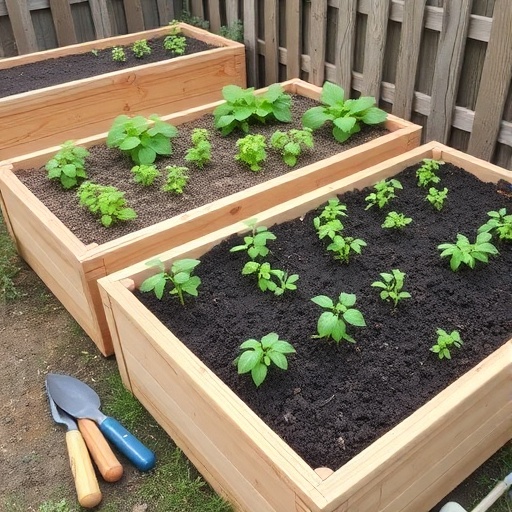
Ready to get your hands dirty? Let's construct that perfect raised bed for your small vegetable garden ideas.
Step 1: Choose Your Site & Measure
First, pick a sunny spot. Most vegetables need at least 6-8 hours of direct sunlight daily to thrive. Measure out the area for your raised bed. A common and manageable size is 4 feet wide by 8 feet long, which allows you to reach the center from either long side without stepping on the soil. Mark the corners with stakes.
Step 2: Prepare the Foundation
Clear the chosen area of any large debris, rocks, or persistent weeds. Don't worry if it's not perfectly level, but try to get it as flat as possible. This step prevents weeds from competing with your vegetables. If your area is extremely weedy, consider laying down a weed barrier fabric or a thick layer of flattened cardboard boxes directly on the ground. This will suppress existing weeds and eventually break down, adding organic matter.
Step 3: Cut Your Lumber
Using your saw, cut your 2×8 lumber. For a 4×8 foot bed, you'll need two 8-foot pieces and two 4-foot pieces. If you're building a multi-level bed or a different size, adjust your cuts accordingly. Always double-check your measurements before cutting!
Step 4: Assemble the Frame
This is where your raised bed takes shape. Stand two long pieces and two short pieces to form a rectangle. The ends of the shorter pieces should butt up against the inside of the longer pieces. Drill pilot holes near the corners to prevent the wood from splitting, then secure the joints with your galvanized screws. Use two screws per corner for a strong connection. Don't worry if the corners aren't absolutely perfect; a little imperfection won't stop your veggies from growing! You can also use metal corner brackets for extra reinforcement and a cleaner look.
Step 5: Fill with Quality Soil
This is a critical step for successful small vegetable garden ideas. Fill your newly built raised bed with a good quality soil mix. Start with a layer of uncomposted organic matter at the bottom if you laid down cardboard (like small branches or leaves) to help with drainage and decomposition. Then, combine a mix of good topsoil, well-rotted compost, and some perlite or coco coir for aeration. A common ratio is 60% topsoil, 30% compost, and 10% perlite/coco coir. Mix it thoroughly with your shovel right inside the bed. Fill it to about 1-2 inches from the top of the frame. This rich, loose soil is a haven for plant roots.
Step 6: Planting Your Vegetables
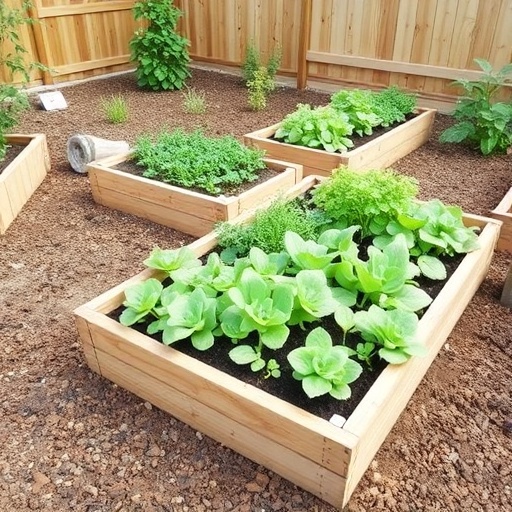
Now for the fun part: planting! Research which vegetables thrive in your climate and space. For small vegetable garden ideas, consider compact varieties of popular veggies like bush beans, determinate tomatoes, radishes, lettuce, spinach, carrots, and various herbs. Arrange your plants or sow seeds according to their spacing requirements. Plant your taller plants on the north side of the bed so they don't shade out shorter plants. Water thoroughly after planting. Here’s how to fix common spacing issues: if you've planted too close, gently thin out seedlings to give the strongest ones room to grow.
Growth & Care Tips
Consistent care is key to a productive small vegetable garden idea in a raised bed.
- Watering Frequency: Raised beds tend to dry out faster than in-ground gardens because they're elevated and exposed to more air. Check the soil moisture daily, especially during hot, dry periods. Water deeply and consistently, aiming for 1 inch of water per week, either from rain or irrigation. Early morning watering is best to prevent fungal diseases and reduce evaporation. Automated drip irrigation systems can save time and water.
- Sunlight Exposure: As mentioned, most vegetables require 6-8 hours of direct sunlight. Observe your chosen spot throughout the day to ensure it gets adequate light. Insufficient light can lead to leggy plants and reduced yields.
- Pruning: Some plants, like tomatoes and indeterminate squash varieties, benefit from pruning to improve air circulation and direct energy to fruit production. Research specific pruning needs for your chosen plants.
- Fertilization: With well-draining soil, nutrients might leach out more quickly. Supplement with organic fertilizers every 4-6 weeks, or side-dress with compost throughout the growing season. A soil test every couple of years can help determine specific nutrient deficiencies. Data suggests regular soil amendments can increase yields by 20-30% in raised beds.
- Pest Prevention: Raised beds often have fewer soil-borne pests. Companion planting (e.g., marigolds to deter nematodes, basil near tomatoes) is an excellent organic pest control method. Regular inspection of your plants for early signs of pests or diseases allows for quick intervention, using organic sprays like neem oil if absolutely necessary.
- Support Structures: For climbing plants like pole beans, cucumbers, or indeterminate tomatoes, install trellises, stakes, or cages at the time of planting to provide support as they grow. This is particularly important for maximizing vertical space in small vegetable garden ideas.
Eco-Friendly & Sustainable Alternatives
Embracing sustainability in your small vegetable garden idea is both beneficial for the environment and often more cost-effective.
- Composting: Start a small compost pile or use a vermicompost bin. Kitchen scraps and garden waste can be turned into rich, nutrient-dense compost for your raised bed. This reduces waste and enriches your soil naturally, improving water retention by up to 20% compared to unamended soil.
- Water Conservation: Install a rain barrel to collect rainwater for your garden. This reduces reliance on municipal water and can save you money. Drip irrigation or soaker hoses deliver water directly to the root zone, minimizing evaporation. Mulching around your plants with straw, shredded leaves, or wood chips also helps retain soil moisture and suppresses weeds, cutting down on watering needs by approximately 30%.
- Natural Fertilizers: Instead of synthetic chemicals, opt for organic compost, worm castings, fish emulsion, or comfrey tea for plant nutrition. These improve soil structure and microbial life.
- Alternatives for Small Spaces: If a raised bed structure is still too large, consider:
- Balcony Gardens: Use containers or fabric grow bags on balconies.
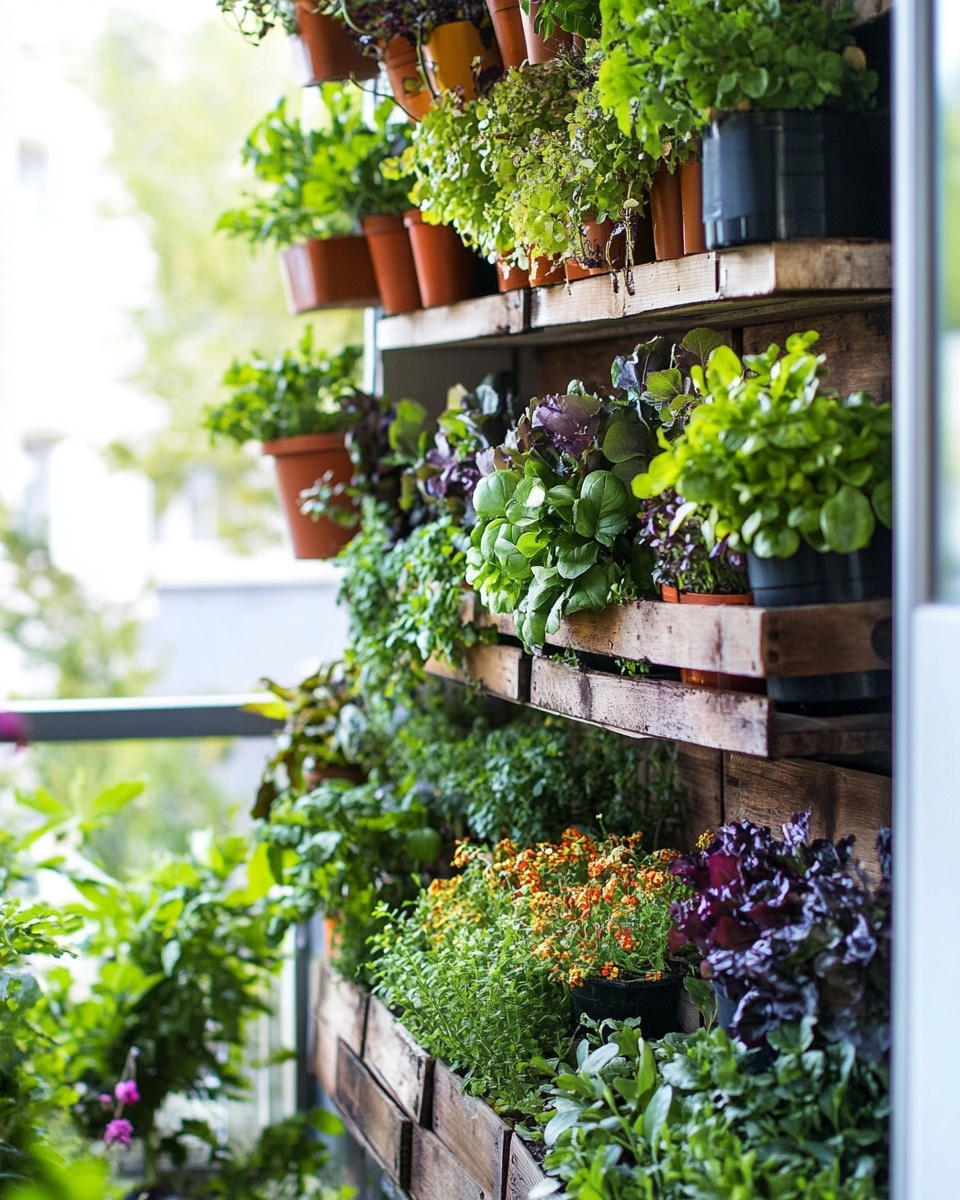
- Vertical Gardens: Utilize wall space with tiered planters or repurposed pallets. This is fantastic for small vegetable garden ideas where ground space is minimal.
- Container Gardening: Almost any vegetable can be grown in a pot, provided it's large enough. Just ensure good drainage.
Creative Ideas & Uses
A raised bed isn't just for growing; it's a canvas for your creativity, especially when maximizing small vegetable garden ideas.
- Design Elements:
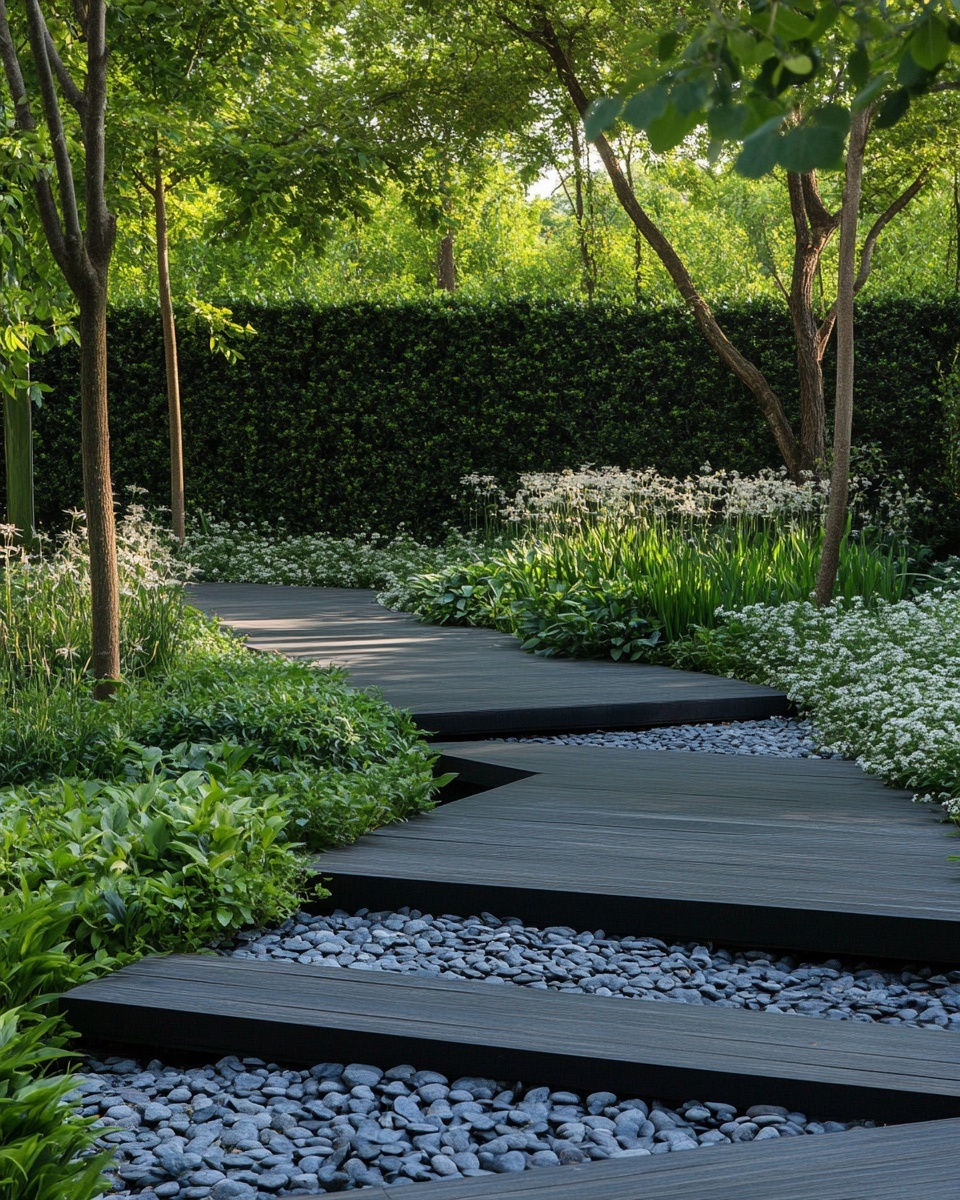
- Pathways: Create a clear path around your raised bed with stepping stones, wood chips, or gravel to prevent soil compaction and add visual appeal.
- Edging: Line the top edges of your raised beds with a wider plank to create a convenient seating area while gardening, or a place to set tools.
- Color Theme: Choose vegetables and flowers with complementary colors, such as purple basil, red lettuce, and yellow peppers, to create a stunning visual display.
- Repurpose & Integrate:
- Compost Integration: Build a small compost bin directly next to your raised bed, integrating it into the garden design.
- Water Feature: A small, self-contained water feature nearby can attract beneficial insects and create a soothing ambiance.
- Companion Planting for Beauty & Yield: Don't just think about what grows together well, but what looks good together. Plant vibrant marigolds or nasturtiums alongside your vegetables; they add a pop of color and can deter pests. Consider placing fragrant herbs like lavender or rosemary around the edge not only for their scent but also to attract pollinators. This dual-purpose approach enhances both the aesthetics and productivity of your small vegetable garden ideas.
Common Mistakes to Avoid
Even seasoned gardeners make mistakes. Here are some frequent pitfalls and how to steer clear of them during your small vegetable garden idea journey:
- Overwatering: This is a top killer, accounting for root rot in an estimated 60% of plant casualties. Always check the soil moisture before watering. Stick your finger 1-2 inches deep; if it feels damp, hold off. Raised beds, while draining well, can still be overwatered, especially in cooler weather.
- Poor Soil Quality: Don't just fill your bed with native soil from your yard, which might be compacted or nutrient-deficient. Investing in a quality raised bed mix rich in organic matter is crucial. It’s the foundation of plant health, influencing everything from nutrient uptake to disease resistance.
- Insufficient Sunlight: Planting shade-loving vegetables in full sun or sun-loving vegetables in too much shade will lead to disappointing results. Research each plant's specific light requirements and choose your site accordingly. Over 70% of gardening failures can be traced back to incorrect light conditions.
- Overcrowding: While you want to maximize space in a small vegetable garden, packing too many plants into a raised bed will lead to competition for nutrients, water, and light, resulting in smaller, less productive plants. Follow spacing guidelines on seed packets or plant tags, and when in doubt, give them a little more room.
- Neglecting Pest and Disease Control: Ignoring early signs of pests or diseases allows them to spread rapidly. Regular daily or weekly inspections are essential for catching problems before they escalate. Early intervention with organic solutions is far more effective than trying to manage a full-blown infestation.
Maintenance & Storage Tips
Long-term success for your small vegetable garden ideas involves consistent maintenance and smart storage.
- Seasonal Care:
- Spring: Amend your soil with fresh compost before planting. This replenishes nutrients depleted by previous crops.
- Summer: Regular watering, weeding, and succession planting (planting new crops as old ones finish) to maximize yields.
- Fall: Clear out spent plants. If you're not planting a cover crop, turn the soil gently and add a layer of compost to overwinter, allowing it to break down and nourish the soil for spring.
- Winter: For most regions, raised beds might be dormant. Consider growing cold-hardy greens or using row covers to extend the season.
- Soil Health: Over time, the soil in your raised bed will compact and nutrients will deplete. Aim to top-dress with 1-2 inches of fresh compost annually. This maintains fertility and structure. If drainage becomes an issue, gently aerate the soil with a fork, being careful not to disturb roots too much.
- Tool Storage: Keep your gardening tools clean and dry to prevent rust. A small garden shed or even a waterproof storage bin near your raised bed makes access easy and prolongs tool life.
- Seed Storage: If you save seeds, ensure they are thoroughly dry before storing them in airtight containers in a cool, dark, and dry place. Proper storage maintains viability for future seasons.
- Addressing Issues:
- Yellow Leaves: Often indicates a nutrient deficiency (like nitrogen) or over/underwatering. Assess your watering schedule and consider a balanced organic fertilizer.
- Poor Soil Drainage: If water puddles, you may have used too much clay or heavy topsoil. Work in more organic matter like compost, coco coir, or perlite to improve permeability.
Conclusion
Building a raised bed is one of the most effective and rewarding small vegetable garden ideas you can implement. It offers superior control over soil conditions, reduces back strain, and can dramatically increase your gardening success, even in limited spaces. From the first measurement to the joyful harvest, every step of this journey brings you closer to fresh, homegrown produce. Don't let space constraints stop you from experiencing the incredible satisfaction of growing your own food.
Ready to dig in? Share your raised bed creations with us on social media using #MyPincraftGarden! What will be the first vegetable you plant in your new bed? If you're looking for even more inspiration, explore our beginner-friendly guides on starting seeds or selecting the best vegetables for your region.
FAQ
Q1: What are the best vegetables for small vegetable garden ideas in raised beds?
A: Excellent choices include bush beans, spinach, lettuce, radishes, carrots, determinate tomato varieties, compact cucumbers, and most herbs. These produce well in confined spaces and smaller soil volumes.
Q2: How deep should a raised bed be for vegetables?
A: For most vegetables, a depth of 10-12 inches is sufficient. Deeper-rooted crops like carrots or potatoes will appreciate 18-24 inches. However, even 6 inches can effectively grow shallow-rooted plants like lettuce and spinach.
Q3: Can I put a raised bed directly on concrete?
A: Yes! If placing on concrete or a patio, it's essential to ensure excellent drainage. Drill drainage holes in the bottom of your bed if it has a solid bottom, and add a layer of gravel before your soil mix. Using a weed barrier isn't necessary here, as weeds won't grow through concrete.
Q4: How often should I add new soil or compost to my raised bed?
A: Annually, before your main planting season, replenish the soil by adding a 1-2 inch layer of fresh, well-rotted compost. This boosts nutrients and organic matter, accounting for compaction and nutrient depletion.
Q5: What are some budget-friendly small vegetable garden ideas for raised beds?
A: Use reclaimed materials like concrete blocks, untreated pallets, or even old tires (though be aware of chemicals in tires) for the bed structure. For soil, focus on mixing your compost if possible, and seek out local sources for free wood chips or leaves to amend the soil.
Q6: How do I prevent pests in my raised vegetable garden?
A: Start with healthy soil and strong plants, as they are less susceptible. Implement companion planting, regularly inspect your plants, and use physical barriers like row covers. Organic pest control methods like neem oil or insecticidal soap are good last resorts.
Q7: Will my raised bed attract more weeds than an in-ground garden?
A: Generally, no. A properly prepared raised bed with weed barrier fabric or cardboard at the bottom, and filled with clean soil, should have significantly fewer weeds than an in-ground garden. Any weeds that do appear are typically easier to spot and remove due to the elevated bed.
Explore More Gardening Delights:
- Thinking about starting from scratch? Dive into our guide: How to Start a Vegetable Garden from Scratch
- Discover easy-to-grow veggies perfect for beginners: Best Vegetables to Grow for Beginners
- Want to grow food in even tighter spots? Check out our tips on Vertical Indoor Garden Ideas for Small Spaces
- For more inspiration and visual guides on creative gardening, head over to our Pinterest! https://www.pinterest.com/janatjanay47/
- Optimize your greenhouse productivity with How to Design a Productive Greenhouse Layout