Introduction
Did you know that over 80% of urban dwellers dream of growing their own fresh produce but feel limited by space? The good news is that you don't need a sprawling backyard to cultivate a thriving edible landscape. With strategic container vegetable gardening, you can transform even the smallest balcony, patio, or windowsill into a productive food source. This comprehensive guide will show you how to harness the power of pots and planters to grow delicious, nutritious vegetables, demonstrating that self-sufficiency and fresh flavors are well within reach, no matter your living situation. We'll explore practical tips and data-driven insights to make your container gardening journey a success.
Tools & Materials Needed
Embarking on your container vegetable gardening adventure requires a few essential items. Think of these as your basic kit for success:
- Containers: The stars of the show! Choose pots, grow bags, or planters with drainage holes. Terra cotta pots look beautiful and allow roots to breathe, but plastic retains moisture better, which can be advantageous in hot climates. Fabric grow bags are an excellent eco-friendly and budget-friendly alternative that promotes air-pruning of roots, leading to healthier plants. Ensure containers are at least 10-12 inches deep for most vegetables; larger is generally better for root crops and vining plants like tomatoes.
- Potting Mix: This is crucial. Do not use garden soil, as it compacts in containers, suffocating roots. Opt for a high-quality, lightweight potting mix specifically formulated for containers. Look for mixes that contain perlite, vermiculite, and compost for good drainage and nutrient retention. An eco-friendly tip: blend your own by mixing coconut coir, compost, and perlite.
- Seeds or Seedlings: For beginners, starting with seedlings (young plants from a nursery) often yields quicker results and boosts confidence. For more variety and cost savings, consider seeds. Check the seed packet for "dwarf" or "bush" varieties, specifically bred for smaller spaces or containers.
- Small Trowel: Essential for digging planting holes and moving soil.
- Watering Can or Hose with a Gentle Sprayer: Consistent watering is key. A watering can offers precision, while a gentle sprayer is efficient for multiple containers.
- Gardening Gloves: Protect your hands from dirt and thorns.
- Pruners or Shears: For harvesting and occasional pruning.
- Fertilizer: Container plants need more frequent feeding because nutrients leach out with watering. Choose an all-purpose organic liquid fertilizer or slow-release granular fertilizer.
- Stakes or Cages (optional but recommended): Especially for taller plants like tomatoes or vining cucumbers to provide support.
Time & Effort Overview
Container vegetable gardening is surprisingly time-efficient, making it ideal for busy individuals. Initial setup, including gathering materials and planting, typically takes just a few hours (2-4 hours, depending on the number of containers). Once established, daily maintenance usually boils down to 10-15 minutes for watering and a quick check for pests or problems. Weekly, you might spend 30-60 minutes on more thorough inspections, light pruning, or feeding.
Compared to traditional in-ground gardening, container plants often mature faster due to warmer soil temperatures within the pots, especially for heat-loving crops like peppers and eggplants. For example, container-grown bush beans can produce a harvest almost 30% faster than their in-ground counterparts in some climates. The overall difficulty level is beginner-friendly. The contained environment makes it easier to control soil conditions and specific plant needs, reducing the learning curve significantly.
Step-by-Step Gardening Process
1. Choose Your Vegetables Wisely
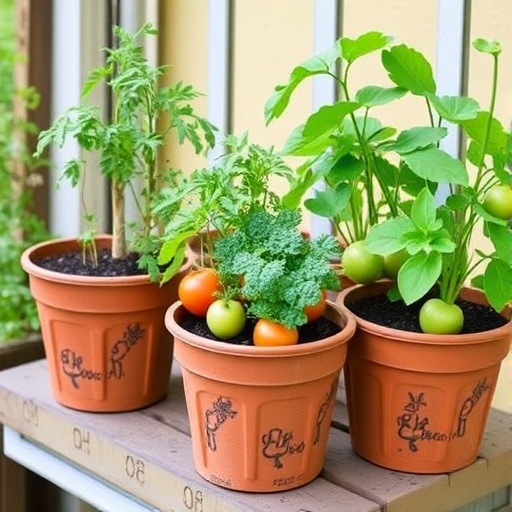
Start by selecting vegetables known to thrive in containers. Popular choices for container vegetable gardening include:
- Leafy Greens: Lettuce, spinach, arugula, kale, Swiss chard. These grow quickly and don't require deep roots.
- Herbs: Basil, mint, parsley, rosemary, thyme. Most herbs are excellent container candidates. You can even explore various herbs that grow well in small spaces.
- Bush Beans: Look for 'bush' varieties, not pole beans, for compact growth.
- Radishes: Quick and easy root crop.
- Carrots: Choose 'short' or 'round' varieties for containers.
- Peppers: Bell peppers, chili peppers – they love the warmth.
- Eggplant: Especially smaller, compact varieties.
- Tomatoes: 'Dwarf' or 'determinate' (bush) varieties are best. Cherry tomatoes are particularly rewarding. Want to know more? Check out how to grow tomatoes in pots.
- Cucumbers: Bush or 'patio' varieties that are less vining.
Consider your local climate and sunlight availability. Most vegetables need at least 6-8 hours of direct sunlight daily for optimal growth.
2. Prepare Your Containers
Ensure your selected containers have adequate drainage holes. If not, drill some yourself! Place a small piece of mesh or a coffee filter over the drainage holes to prevent soil from washing out while still allowing water to escape. This small step makes a big difference in preventing waterlogged roots, a common killer of container plants.
3. Fill with Quality Potting Mix
Fill your containers almost to the top (within an inch or two of the rim) with a good quality potting mix. Don't compact the soil too much; you want it light and airy to allow roots to establish easily. If you're using a mix with slow-release fertilizer, you might not need to fertilize for the first few weeks.
4. Plant Your Seeds or Seedlings
- For Seeds: Follow the instructions on the seed packet for planting depth and spacing. Plant a few extra seeds than you think you need, and thin them out later to the strongest seedlings.
- For Seedlings: Gently remove the seedling from its nursery pot. If the roots are tightly bound (root-bound), gently loosen them at the bottom. Dig a hole large enough to accommodate the root ball, place the seedling, and backfill with potting mix. Water gently immediately after planting to settle the soil. Don't worry if a few leaves look a bit droopy after transplanting; they usually perk up within a day or two.
5. Water Thoroughly
After planting, give your containers a deep watering until water drains from the bottom. This ensures the soil is thoroughly moist and helps settle the plants.
6. Provide Initial Support (If Needed)
For plants that will grow tall like tomatoes or peppers, install stakes or cages at the time of planting to avoid disturbing roots later. This proactive step saves you headaches down the line.
Growth & Care Tips
Consistent care is the backbone of successful container vegetable gardening.
- Watering Frequency: Container plants dry out faster than in-ground plants. Check soil moisture daily by sticking your finger about an inch into the soil. If it feels dry, it's time to water. In hot weather, you might need to water twice a day. Early morning is generally the best time to water. Data shows that consistent watering, rather than erratic cycles, significantly boosts plant productivity by up to 20% by reducing stress.
- Sunlight Exposure: Most vegetables require at least 6-8 hours of direct sunlight. Observe how sunlight moves across your space throughout the day and position your containers accordingly. If light is limited, consider rotating containers or using reflective surfaces to maximize light exposure.
- Pruning:
- Pinch Back Herbs: For bushier growth, regularly pinch back the top few leaves of herbs like basil.
- Remove Suckers from Tomatoes: For determinate (bush) tomatoes, remove any small shoots that emerge from the "armpit" where a branch meets the main stem. This redirects energy to fruit production.
- Harvest Regularly: The more you harvest leafy greens and determinant beans, the more they will produce.
- Fertilization: Since nutrients can leach out with frequent watering, container plants are typically "hungry." Begin fertilizing approximately 2-4 weeks after planting (or according to your potting mix's instructions). Use a balanced liquid organic fertilizer every 2-4 weeks, following the product's directions. Over-fertilizing can burn roots, so less is often more.
- Pest Prevention: Regularly inspect your plants for signs of pests (chewed leaves, sticky residue, visible insects). Early detection is key. Many common pests can be dislodged with a strong spray of water. For more persistent issues, consider organic solutions like neem oil or insecticidal soap. Companion planting, such as placing marigolds near your vegetables, can also deter pests.
Eco-Friendly & Sustainable Alternatives
Embrace sustainability in your container vegetable gardening to reduce your environmental footprint.
- Composting: Start a small vermicompost bin or a traditional compost pile if space allows. Your kitchen scraps and garden waste can become nutrient-rich soil amendments, reducing the need for purchased fertilizers. Composting reduces household waste by up to 30%, making your garden a part of a larger waste reduction effort.
- Natural Fertilizers: Beyond compost, consider DIY organic fertilizers like diluted fish emulsion, seaweed extract, or even used coffee grounds (for acid-loving plants). Check out these organic fertilizer recipes for herb gardens.
- Water Conservation: Use self-watering containers (which have a reservoir at the bottom) or incorporate water-absorbing crystals into your potting mix. Mulch the top of your soil with straw, wood chips, or shredded leaves to reduce evaporation and maintain consistent soil moisture by up to 25%. Collecting rainwater in barrels is another excellent way to water your plants sustainably.
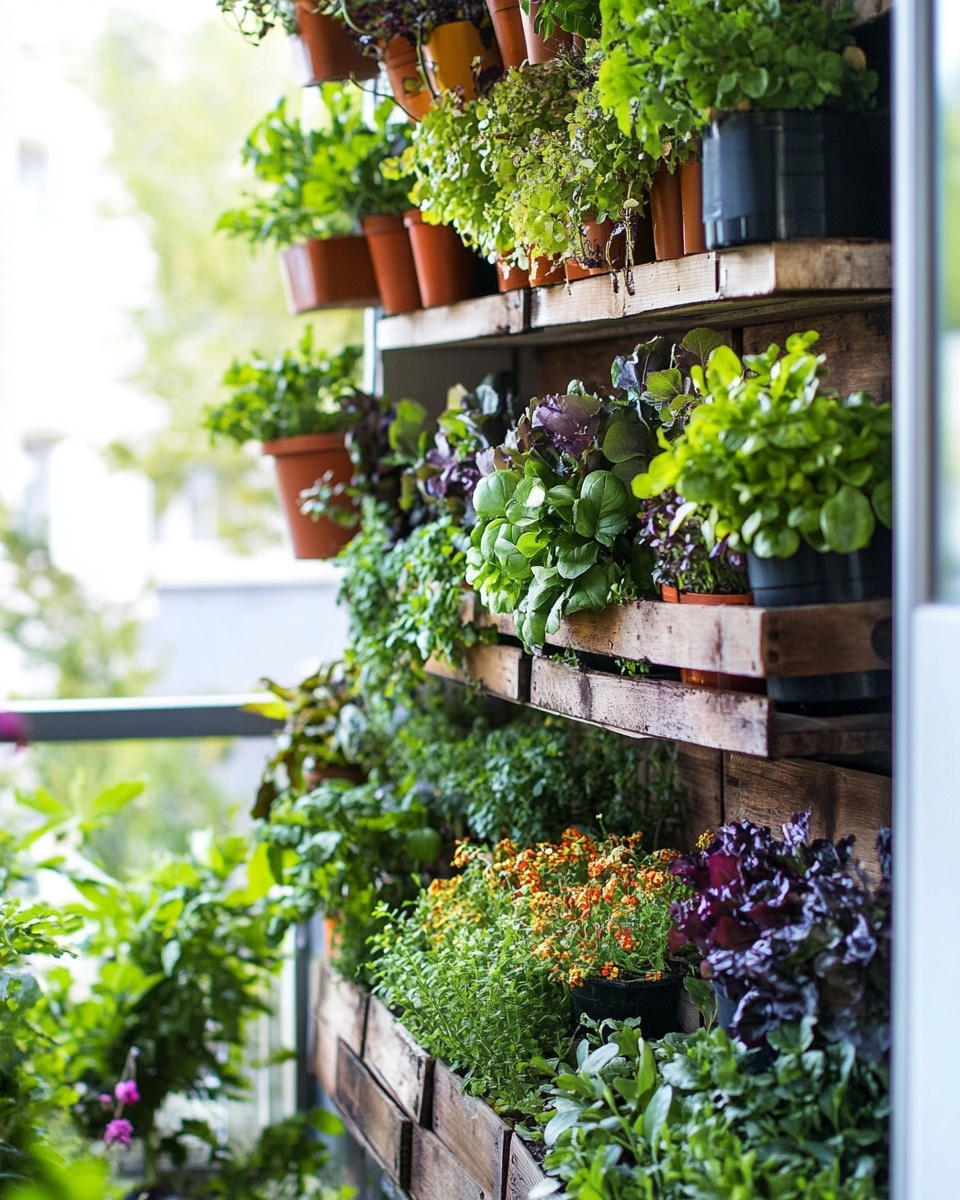
- Repurpose & Reuse: Don't buy new containers! Think outside the box: old tires (check for leaching concerns), five-gallon buckets, laundry baskets (lined with landscape fabric), or wooden pallets can be repurposed into planters. DIY indoor herb garden with recycled containers is a great example. Vertical gardens made from pallets or stacked containers are fantastic for maximizing space.
Creative Ideas & Uses
Container vegetable gardening isn't just about food; it's about creating beautiful, functional spaces.
- Edible Landscaping: Integrate your vegetable containers with ornamental plants. A bright red tomato plant can be as decorative as a flowering petunia. Lettuce with varying leaf colors (red, green, speckled) can create stunning visual patterns.
- Vertical Gardens: For minimal footprint, install vertical planters or stack containers. Imagine a wall of lush herbs or cascading strawberry plants! Explore vertical indoor garden ideas for small spaces.
- Aesthetic Groupings: Group containers of different sizes and shapes for visual interest. Use risers or small tables to create varying heights. Incorporate decorative elements like small garden statues, wind chimes, or solar lights.
- Color-Coordinated Crops: Plant vegetables with similar color palettes together, like various shades of purple basil, purple kale, and purple peppers, for a striking display.
- Herb Spirals: Construct a simple herb spiral using bricks or stones. This allows you to grow a variety of herbs, catering to their different drainage and sun needs, in a compact, visually appealing structure.
Common Mistakes to Avoid
Even experienced gardeners make mistakes! Learning from common pitfalls can save you time and frustration in your container vegetable gardening journey.
- Too Small Containers: This is perhaps the most frequent error. Small containers restrict root growth, lead to rapid drying out, and stunt plant development. Tomatoes, for instance, need at least 5-gallon (18-liter) containers to thrive; anything smaller significantly reduces yield and increases pest susceptibility.
- Using Garden Soil: As mentioned, dense garden soil compacts in pots, leading to poor drainage and aeration. This suffocates roots and is a major cause of root rot, impacting over 60% of houseplants when improper soil is used. Always use high-quality potting mix.
- Inadequate Drainage: Containers without proper drainage holes will waterlog plants, causing root rot. Ensure excess water can freely escape.
- Under or Over-watering: Both are detrimental. Underwatering causes wilting and stress, while overwatering deprives roots of oxygen. Stick to the "finger test" before watering.
- Insufficient Sunlight: Most vegetables are sun-lovers. Placing them in too much shade will result in leggy plants, sparse foliage, and little to no fruit production.
- Neglecting Fertilization: Container plants consume nutrients quickly. Without regular feeding, they will become nutrient deficient, showing symptoms like yellowing leaves or stunted growth.
- Ignoring Pest & Disease Signs: A small pest problem can quickly escalate. Regularly inspect your plants and act quickly at the first sign of trouble. Early intervention is 90% effective in controlling most garden issues.
Maintenance & Storage Tips
Long-term success in container vegetable gardening involves routine maintenance and smart storage.
- Seasonal Refresh: At the end of the growing season, empty your containers. Dispose of old potting mix (unless you're composting it) or sterilize it if you suspect disease. Clean and sterilize your containers with a diluted bleach solution (1 part bleach to 9 parts water) to kill any pathogens before storing them for the winter or reusing them.
- Tool Care: Clean your gardening tools after each use. Wipe off soil and store them in a dry place to prevent rust. Sharpen pruners annually.
- Seed Storage: If you save seeds or have leftover packets, store them in a cool, dark, and dry place. An airtight container in the refrigerator is ideal for maintaining viability for longer periods. Label everything with the date and plant type.
- Troubleshooting Common Issues:
- Yellow Leaves: Could be overwatering (root rot), underwatering, or nutrient deficiency (especially nitrogen). Check moisture levels first, then consider fertilizing.
- Stunted Growth: Likely insufficient sunlight, small container size, or nutrient deficiency.
- Pests: As mentioned, regular inspection and organic treatments are key.
- Poor Drainage: If water sits on top of the soil, the drainage holes might be blocked, or the potting mix is too dense. You might need to repot with better soil or clear the holes.
Conclusion
Embracing container vegetable gardening is a rewarding journey that empowers you to grow your own fresh, flavorful food, even in compact spaces. From the initial thrill of planting to the satisfaction of your first harvest, this simple yet impactful practice connects you with nature, enhances your culinary adventures, and contributes to a more sustainable lifestyle. By understanding the right tools, following a few straightforward steps, and avoiding common pitfalls, you’re now equipped to cultivate a vibrant, productive container garden.
So, what are you waiting for? Grab a pot, pick your favorite vegetable, and start planting today! Share your container gardening successes with us on social media using #ContainerVeggieGarden, and let’s grow together! We’d love to see what you harvest.
FAQ
Q1: How much sunlight do container vegetables really need?
A1: Most fruiting vegetables like tomatoes, peppers, and cucumbers need at least 6-8 hours of direct sunlight daily for optimal production. Leafy greens and herbs can often tolerate 4-6 hours, but more sun usually means more vigorous growth for your container vegetable gardening efforts.
Q2: What are the best vegetables for beginners in containers?
A2: For those new to container vegetable gardening, I recommend starting with leafy greens (lettuce, spinach, kale), radishes, bush beans, and herbs like basil and mint. These are relatively low-maintenance and offer quick rewards. For more options, check out our guide on the best vegetables to grow for beginners.
Q3: How often should I fertilize my container plants?
A3: Since nutrients leach out faster in pots, fertilize container vegetables every 2-4 weeks with a balanced liquid organic fertilizer. Always follow the product's instructions to avoid over-fertilization.
Q4: Can I use regular garden soil in my containers?
A4: No, it's strongly advised against using regular garden soil. It's too heavy and compacts in containers, leading to poor drainage and aeration, which can suffocate plant roots. Always use a high-quality potting mix specifically designed for container vegetable gardening.
Q5: My container plants are wilting even after watering. What's wrong?
A5: Wilting can indicate both underwatering and overwatering. Check the soil moisture by sticking your finger in. If it's bone dry, water deeply. If it's soggy, you might be overwatering, leading to root rot. Ensure good drainage. Insufficient sunlight or extreme heat can also cause wilting.
Q6: What's the ideal container size for tomatoes?
A6: For dwarf or bush tomato varieties, a 5-gallon container (around 12 inches in diameter and depth) is the minimum. Larger indeterminate varieties benefit from 10-20 gallon containers to support their extensive root systems and fruit production.
Q7: How do I deter pests organically in my container garden?
A7: Organic pest control for container vegetable gardening includes regularly inspecting plants, hand-picking larger pests, using strong water sprays to dislodge smaller ones, and applying organic solutions like neem oil or insecticidal soap. Companion planting with herbs or marigolds can also help naturally repel pests.
For more inspiring ideas and practical guides for your garden, consider exploring these related articles:
- Looking to start your gardening journey from scratch? Our guide on how to start a vegetable garden from scratch provides a comprehensive overview.
- If you're eager to know which vegetables yield the best results in your small space, take a look at our best vegetables to grow for beginners.
- For those with a penchant for herbs, discover creative ways to utilize tight spaces in our guide on balcony herb garden design ideas.
- Want to optimize your plant partnerships? Learn about beneficial pairings in our discussion on best companion herbs to grow together.
- And for further visual inspiration, be sure to check out our collection of gardening ideas on our Pinterest board at https://www.pinterest.com/janatjanay47/.