Introduction
Did you know that green spaces, even small ones, can reduce stress levels by up to 20% and improve air quality in urban environments? Many believe that an exquisite garden requires vast outdoor plots, but what if I told you that your compact balcony space holds untapped potential for a flourishing floral paradise? Transforming your small outdoor nook into a vibrant balcony & rooftop gardens doesn't just add aesthetic charm; it creates a personal sanctuary, enhances local biodiversity, and can even become a rewarding hobby. Forget what you think you know about gardening limitations; we're about to dive into how even the tiniest balcony can bloom beautifully!
Tools & Materials Needed
Embarking on your balcony gardening adventure is exciting, and having the right tools makes all the difference. Think of these as your artist's palette for creating a masterpiece in miniature.
- Pots and Planters: Variety is key! Opt for terracotta for breathability, plastic for lightweight mobility, or even stylish self-watering planters. Consider hanging baskets, railing planters, and vertical garden systems to maximize your space. For eco-friendly options, repurpose old tires, wooden crates, or plastic bottles into unique containers.
- Quality Potting Mix: This isn't your average garden soil. A good potting mix is light, well-draining, and nutrient-rich. Look for blends with perlite or vermiculite for aeration and peat moss or coco coir for moisture retention. A budget-friendly alternative is to create your own mix using compost, sand, and existing garden soil if it’s healthy.
- Seeds or Starter Plants: Choose flowers well-suited for your balcony's sunlight conditions. For sunny balconies, petunias, marigolds, and zinnia thrive. Shadier spots might prefer impatiens, fuchsias, or begonias. Starter plants offer instant gratification, while seeds are a more economical and rewarding journey.
- Watering Can: A small, easy-to-handle watering can with a fine rose attachment is essential for gentle, even watering, especially for seedlings.
- Gardening Gloves: Protect your hands from dirt, thorns, and potential irritants.
- Hand Trowel and Cultivator: These compact tools are perfect for digging small holes, mixing soil, and weeding in confined spaces.
- Pruning Shears: Essential for deadheading (removing spent blooms to encourage new ones) and trimming back leggy growth.
- Fertilizer: Organic, slow-release granules or a liquid feed will provide essential nutrients. Consider making homemade compost tea for an eco-friendly boost!
- Drainage Trays/Saucers: Crucial for preventing water runoff and protecting surfaces below your balcony & rooftop gardens.
- Optional: Small garden stakes or trellises for climbing plants, decorative pebbles or mulch for aesthetics and moisture retention, and a spray bottle for misting.
Time & Effort Overview
Don't let the idea of gardening intimidate you; balcony & rooftop gardens can be incredibly flexible in terms of commitment. Most balcony flower gardens fall into the beginner to intermediate difficulty level, especially if you start with established plants.
- Initial Setup (Planting): Expect to spend 2-4 hours for a decent-sized balcony garden from scratch, including assembling containers, filling with soil, and planting. If you’re just adding a few pots, it might be as little as 30 minutes.
- Daily Maintenance: Depending on your plant choices and climate, daily watering might be necessary, taking 5-15 minutes.
- Weekly Maintenance: Around 30 minutes to an hour for deadheading, checking for pests, and light pruning.
- Monthly Maintenance: About 1-2 hours for fertilizing, repotting, or more intensive pruning.
- Growth Rate Comparison: Many popular balcony flowers like petunias and impatiens offer continuous blooms throughout the growing season, often showing significant new growth within 2-3 weeks of planting. This is about 30% faster visible progress compared to some slower-growing perennials or herbs.
You’ll find this is a wonderfully manageable hobby that fits into even the busiest schedules.
Step-by-Step Gardening Process
Ready to bring some vibrant life to your outdoor space? Follow these steps, and you'll be enjoying your beautiful balcony & rooftop gardens in no time!
Choosing the Right Plants for Your Balcony
First, assess your balcony's sunlight exposure. Does it get full sun (6+ hours), partial sun (3-6 hours), or shade (<3 hours)? This is the single most important factor. For example, pelargoniums (geraniums) adore full sun, while begonias prefer shade. Also, consider mature plant size and choose varieties labeled "compact" or "dwarf" for small spaces.
Preparing Your Containers
Ensure all your chosen pots and planters have drainage holes. If not, drill some! Good drainage is paramount to prevent root rot. Place a layer of broken pottery shards, gravel, or even coffee filters over the drainage holes to prevent soil from washing out. This ensures your plants' roots don't sit in soggy soil.
Filling with Potting Mix
Fill your containers with high-quality potting mix, leaving about an inch or two from the rim. Don't compact the soil too much; you want it light and airy to allow for healthy root development. A good potting mix is designed to provide optimal aeration and moisture retention.
Planting Your Flowers
Gently remove starter plants from their nursery pots, being careful not to damage the roots. If the roots are tightly coiled (pot-bound), gently tease them apart. Dig a hole large enough for the plant's root ball, place the plant, and backfill with potting mix, ensuring the plant is at the same depth as it was in its original container. For seeds, follow package instructions for depth and spacing. Don’t worry if it looks sparse at first; they will fill in!
Initial Watering
After planting, give your new garden a thorough watering until water drains from the bottom of the pots. This settles the soil around the roots and eliminates air pockets. Be gentle, especially with seeds or delicate seedlings.
Arranging Your Balcony Garden
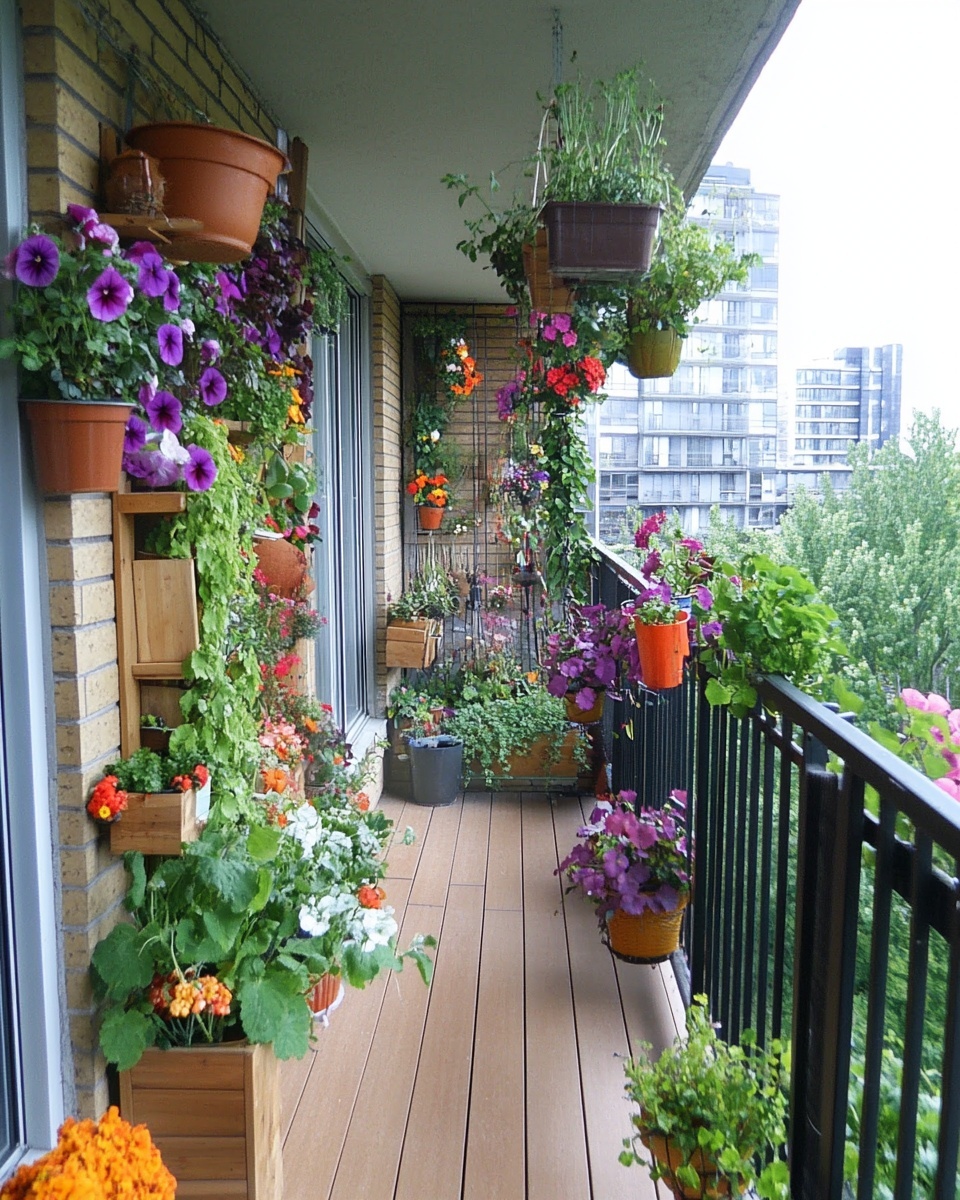
Now for the fun part: aesthetics! Place taller plants at the back or center of arrangements, with shorter, trailing plants along the edges. Mix textures and colors for visual interest. Consider vertical elements like hanging planters or small trellises to draw the eye upwards and maximize vertical space in your balcony & rooftop gardens.
Growth & Care Tips
Consistent care is the secret to a thriving balcony garden. Here’s how to keep your blooms happy and healthy.
- Watering Frequency: The golden rule: check the soil moisture daily. Stick your finger an inch or two into the soil. If it feels dry, it's time to water. Container plants dry out much faster than in-ground gardens, especially on sunny or windy balconies. Overwatering causes root rot in over 60% of houseplants and container plants, so err on the side of slightly dry rather than consistently soggy. Water thoroughly until it drains from the bottom.
- Sunlight Exposure: Most flowering plants need at least 6 hours of direct sunlight to bloom profusely. If your balcony is shadier, choose shade-tolerant plants. Rotate your pots occasionally to ensure all sides of the plant receive adequate light.
- Pruning: Regularly "deadhead" your flowers by pinching or snipping off spent blooms. This encourages the plant to put energy into producing more flowers rather than developing seeds. Pruning leggy stems will also promote bushier growth.
- Fertilization: Container plants quickly deplete soil nutrients. Feed your plants every 2-4 weeks with a balanced liquid fertilizer or incorporate a slow-release granular fertilizer into the potting mix at the beginning of the season. Follow package directions carefully to avoid over-fertilizing.
- Pest Prevention: Inspect your plants regularly for signs of pests like aphids, spider mites, or mealybugs. Early detection is key. Often, a strong spray of water can dislodge many pests. For more persistent issues, use insecticidal soap or neem oil. Consider companion planting with marigolds or nasturtiums, which can deter some pests naturally.
Eco-Friendly & Sustainable Alternatives
Gardening on your balcony can be an act of environmental stewardship. Here's how to make your balcony & rooftop gardens even greener:
- Composting: Even in a small space, you can start a worm composter or a small enclosed composter for kitchen scraps (fruit/veg peels, coffee grounds). This creates nutrient-rich compost for your plants and reduces household waste.
- Natural Fertilizers: Beyond compost, consider using diluted fish emulsion, seaweed extract, or even Epsom salts (for magnesium) as organic nutrient boosts. Used coffee grounds (acid-loving plants) and crushed eggshells (calcium) can also be worked into the soil.
- Water Conservation: Install drip irrigation systems for consistent, efficient watering, or use self-watering planters that reduce evaporation. Collect rainwater if possible; your plants will love the unchlorinated water. Mulching the top of your pots with wood chips or decorative pebbles also helps retain soil moisture.
- Repurpose & Reuse: Instead of buying new, look for creative ways to repurpose items into planters – old galvanized tubs, wooden wine boxes, or even discarded plastic containers can become charming homes for your flowers. This not only saves money but also gives your garden a unique, personal touch.
- Attract Pollinators: Plant flowers that attract bees and butterflies, such as Cosmos, Zinnia, Marigold, and Lavender. This supports local ecosystems, even in urban settings.
Creative Ideas & Uses
Your balcony is a blank canvas! Let your creativity bloom alongside your flowers.
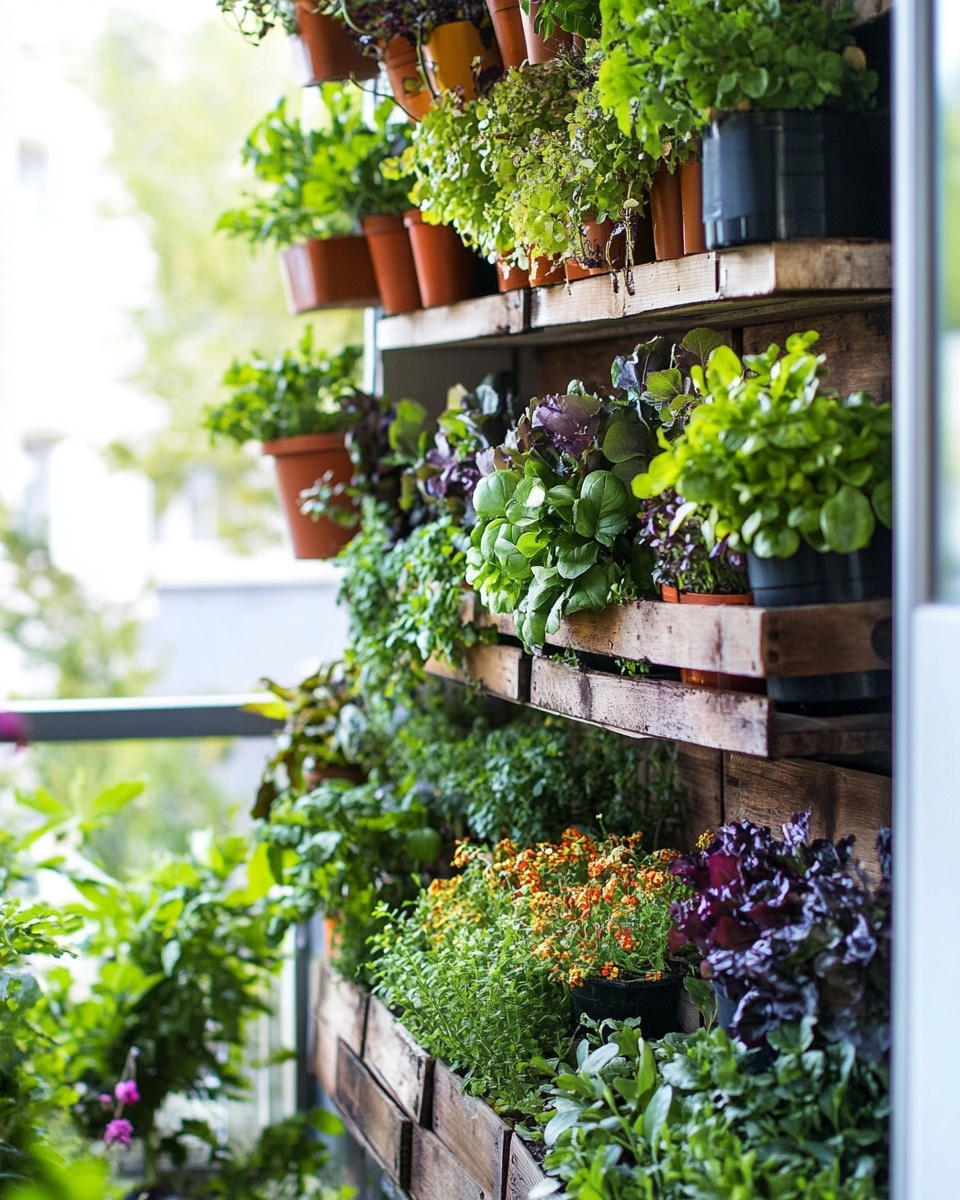
- Vertical Garden Walls: Maximize limited space by installing vertical planters or shelving units. Think "living wall" using pocket planters or repurposed pallet gardens. This is a fantastic way to add lushness without taking up floor space, perfect for small balcony & rooftop gardens.
- Theme Your Garden: Dedicate your space to a specific theme. A "butterfly garden" with nectar-rich flowers, a "fragrant garden" with jasmine and sweet alyssum, or a "color-themed garden" in shades of blue and purple.
- Lighting for Ambiance: Incorporate string lights, solar-powered lanterns, or even small battery-operated spotlights to highlight your plants in the evening. This extends the usability and beauty of your balcony far past sunset.
- DIY Decor: Paint plain terracotta pots, add decorative stones, or create small DIY labels for your plants. A small vintage watering can or miniature garden gnome can add a touch of personality.
- Edible Flowers: Integrate edible flowers like nasturtiums, violas, or calendula. They add beauty to your garden and a gourmet touch to your salads!
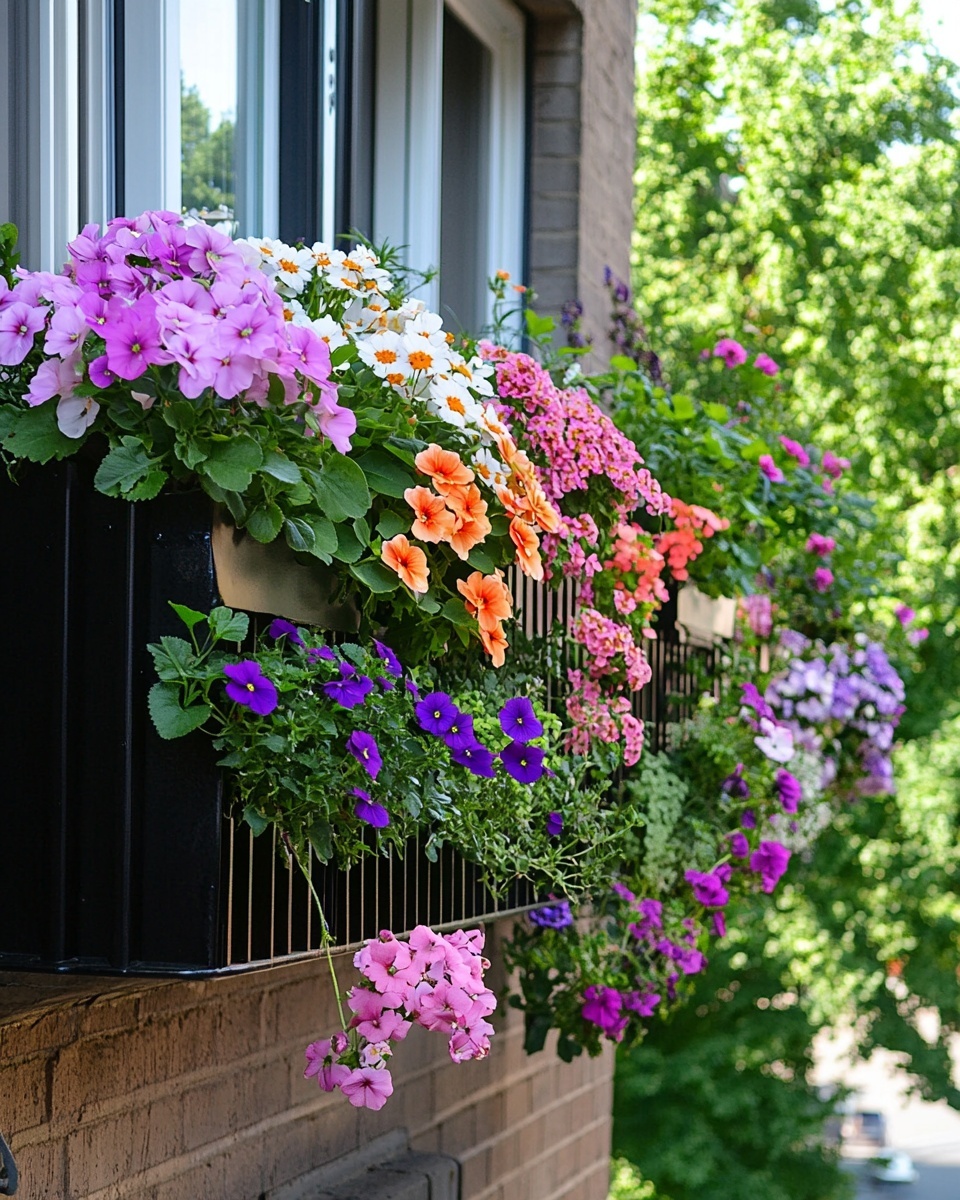
- Combine Plants Aesthetically: Use the "thriller, filler, spiller" technique for container arrangements. A "thriller" is a tall, dramatic plant (e.g., Canna Lily), a "filler" adds volume (e.g., Petunias), and a "spiller" trails over the edge (e.g., Sweet Potato Vine).
Common Mistakes to Avoid
Even seasoned gardeners make errors. Being aware of these pitfalls can save you a lot of headache (and heartache over wilting plants!).
- Overwatering/Underwatering: As mentioned, this is a top killer. Consistent moisture, not constant saturation, is the goal. A common mistake is watering on a schedule instead of checking soil moisture.
- Ignoring Drainage: Pots without adequate drainage holes lead to waterlogged roots, suffocating them. Studies show poor drainage is a major contributor to plant failure in container gardening.
- Wrong Plant for the Light: Trying to force a sun-loving plant into a shady spot (or vice versa) is a recipe for disappointment. Always match plant needs to your balcony's conditions.
- Too Small Pots: Plants need room to grow. A pot that is too small will stunt growth, require excessive watering, and make plants more susceptible to nutrient deficiencies. Upgrade pot sizes as your plants grow.
- Neglecting Fertilization: Container plants are "heavy feeders" because their nutrients are contained in a limited volume of soil. Without regular feeding, they will become weak and stop blooming effectively.
- Skipping Deadheading: Leaving spent flowers on the plant tells it to produce seeds, diverting energy from new bloom production. Deadheading is like a continuous "reset" button for more flowers.
- Pest Infestations Left Untreated: A small pest problem can quickly escalate. Regularly inspect your plants and act immediately if you spot unwelcome visitors.
Maintenance & Storage Tips
Long-term success in your balcony & rooftop gardens comes from thoughtful maintenance.
- Seasonal Care: As seasons change, adjust your care. In colder months, bring tender plants indoors or provide frost protection. In warmer months, ensure adequate watering and potential shade during peak heat.
- Repotting: As plants grow, their roots fill the pot. Signs include water running straight through, stunted growth, or roots emerging from drainage holes. Repot into a slightly larger container with fresh potting mix every 1-2 years.
- Soil Rejuvenation: For annuals, completely replace the potting mix each year. For perennials, you can amend the existing soil by top-dressing with fresh compost and slow-release fertilizer. Potting mix loses its structure and nutrients over time.
- Managing Yellow Leaves: Yellow leaves often indicate overwatering, underwatering, or nutrient deficiency. Assess your watering habits first. If soil moisture is correct, consider adding a balanced fertilizer.
- Winterizing Pots: Empty and clean terracotta pots before winter to prevent freezing and cracking. Store plastic pots out of direct sunlight to prevent degradation.
- Seed Storage: If you're saving seeds, ensure they are thoroughly dry before storing them in airtight containers in a cool, dark, dry place. Label them with the plant type and date.
Conclusion
Creating vibrant balcony & rooftop gardens is an incredibly rewarding endeavor, transforming even the smallest urban space into a flourishing haven. We’ve explored everything from selecting the right tools and plants to eco-friendly practices and clever design ideas. Remember, gardening is a journey of learning and discovery, and every bloom is a testament to your patience and care. Don’t hesitate to experiment and find what works best for your unique space.
Are you ready to sprinkle some magic on your balcony? Get started today and watch your small space burst into life! We'd love to see your creations. Share your tips and photos in the comments below!
FAQ
Q1: What are the best low-maintenance flowers for balcony & rooftop gardens?
A1: For low-maintenance, consider petunias, impatiens (for shade), marigolds, zinnias, and portulaca. They are generally resilient and offer continuous blooms with minimal fuss, just requiring regular watering and occasional deadheading.
Q2: How much sunlight do balcony flowers typically need?
A2: Most flowering plants need at least 6 hours of direct sunlight daily to produce abundant blooms. However, shade-loving flowers like impatiens, fuchsias, and begonias thrive with less, needing only 2-4 hours of indirect light.
Q3: How often should I water my container plants on a balcony?
A3: Watering frequency depends on the plant, pot size, and weather. A good rule of thumb is to check the soil daily by sticking your finger an inch or two deep. If it feels dry, water thoroughly until it drains from the bottom. In hot, sunny weather, this might be daily; in cooler weather, every few days.
Q4: Can I grow vegetables or herbs alongside my flowers in a balcony & rooftop gardens?
A4: Absolutely! Many herbs like basil, mint, and rosemary, and compact vegetables like cherry tomatoes, lettuce, and radishes, thrive in pots and can be beautiful additions to your flower garden. Just ensure their light and water needs are compatible. You might find our tips on best herbs to grow on a sunny balcony or herbs that grow well in shade or partial sun particularly useful.
Q5: What kind of potting mix is best for flower containers?
A5: A high-quality, well-draining potting mix is essential. Look for mixes containing peat moss or coco coir for moisture retention, and perlite or vermiculite for aeration. Avoid using heavy garden soil, which can compact and impede drainage in pots.
Q6: How do I protect my balcony plants from strong winds?
A6: Strong winds can damage plants and dry out soil quickly. Place heavier pots on the outer edges of your balcony, use windbreaks like trellises or screens, and choose wind-tolerant plants. Smaller, delicate plants can be temporarily moved to a more sheltered spot during stormy weather.
Q7: My plants aren't blooming. What could be wrong?
A7: Lack of blooms often points to insufficient sunlight, inadequate fertilizer (especially phosphorus), or infrequent deadheading. Check your light conditions first, then ensure you're feeding your plants regularly. Promptly removing spent flowers will also encourage more blooms.
Further Reading for Your Gardening Journey:
If you're eager to expand your green thumb skills, we have more guides to help!
- Thinking about starting with simpler plants? Our guide on Easy Flowers to Grow for Beginners offers fantastic starting points.
- For those with very limited space or seeking unique designs, check out Small Space Flower Garden Design Ideas to ignite your creativity.
- To learn more about nurturing specific culinary plants on your balcony, take a look at How to Start a Balcony Herb Garden in Small Spaces.
- Want to incorporate vertical elements? You'll love the inspirations in our Vertical Balcony Herb Garden Design Ideas article.
- And for general flower care throughout the season, our Flower Gardening Tips for Every Season will ensure your blooms stay vibrant year-round.
Explore more inspiring garden ideas and connect with other enthusiasts on our Pinterest board!