Introduction
Did you know that well-designed garden spaces can increase your home's perceived value by up to 15%? Beyond the financial benefits, transforming your outdoor area into a beautiful haven profoundly impacts your well-being, providing a serene escape and a canvas for personal expression. Many believe gardening is solely about planting, but true garden ideas encompass much more: they're about crafting an experience, enhancing curb appeal, and creating functional beauty. This post is dedicated to unveiling how thoughtful design and strategic elements can elevate your external living space, turning a simple yard into a vibrant, personal oasis.
Tools & Materials Needed
Embarking on a garden transformation project requires a thoughtful selection of tools and materials to ensure both efficiency and sustainability. Here’s what you might need, along with some greener alternatives for the conscious gardener:
- Basic Hand Tools: A sturdy trowel, hand rake, and pruning shears are indispensable. Look for tools with ergonomic handles to reduce strain during extended use.
- Eco-friendly alternative: Opt for tools made from recycled materials or sustainable bamboo.
- Larger Gardening Tools: A shovel, rake, and wheelbarrow will make larger tasks, like moving soil or mulch, significantly easier.
- Budget-friendly tip: Check local second-hand stores or community tool-sharing programs before buying new.
- Planting Essentials:
- Seeds/Starts: Choose varieties that thrive in your local climate. Consider native plants which require less water and maintenance once established.
- Soil: A high-quality organic potting mix is crucial for container gardens. For in-ground beds, consider amending your existing soil with compost.
- Eco-friendly alternative: Make your own compost using kitchen scraps and yard waste. This enriches your soil naturally and reduces landfill waste.
- Containers/Planters: From terra cotta to glazed ceramic, choose pots that complement your garden aesthetic and have adequate drainage.
- Budget/Eco-friendly alternative: Repurpose old tires, wooden crates, tin cans, or even old boots into quirky and unique planters.
- Decorative Elements:
- Stones/Pebbles: Ideal for pathways, borders, or creating dry river beds.
- Garden Art: Sculptures, wind chimes, or ceramic pieces add personality.
- Lighting: Solar-powered lanterns or string lights can transform your garden into a magical evening space.
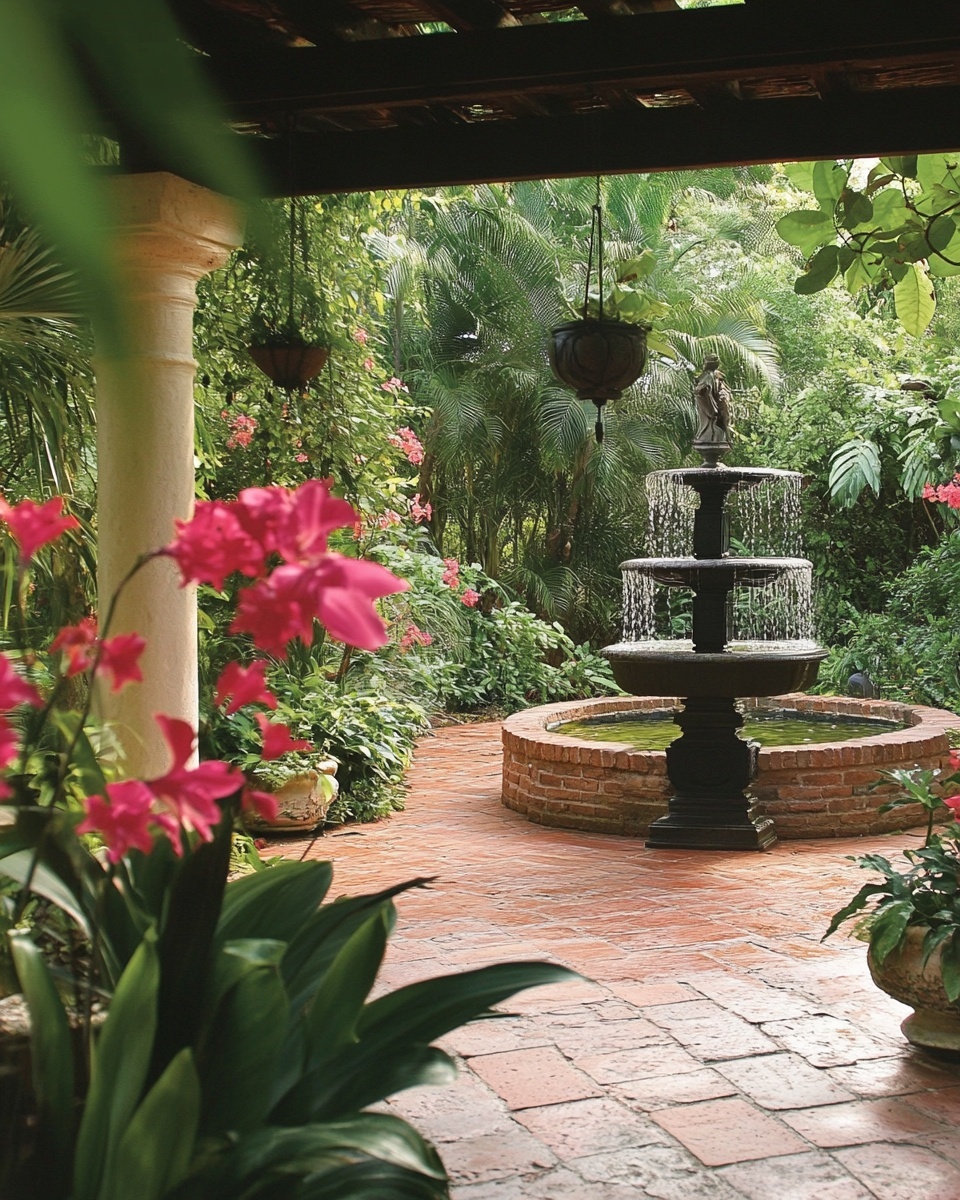
- Water Features: A small bird bath or a mini-fountain can add soothing sounds and attract wildlife.
- Lumber/Trellises: For raised garden beds, arbors, or supporting climbing plants.
- Sustainable choice: Use reclaimed wood or naturally rot-resistant cedar.
- Safety Gear: Gloves, knee pads, and appropriate footwear protect you while you work.
"Investing in quality tools not only makes gardening more enjoyable but also ensures they last for years, reducing waste," emphasizes our resident garden expert, Dr. Elara Vance.
Time & Effort Overview
A beautiful garden is a journey, not a destination, but understanding the time commitment helps in planning. Transforming your outdoor space can range from a few hours for small decorative updates to several weekends for larger landscaping projects.
- Initial Setup (1-3 days): This involves planning, soil preparation, purchasing materials, and initial planting. For instance, setting up a new raised garden bed typically takes a dedicated weekend.
- Planting (Varies): A small flower bed might take an hour, while planting an entire perennial border could take a full afternoon.
- Regular Maintenance (1-2 hours per week): This includes watering, weeding, pruning, and general tidying. Compared to high-maintenance annuals, perennial garden ideas often require 30% less weekly care once established.
- Seasonal Overhauls (1-2 days per season): Preparing for spring, tidying for fall, or winterizing plants.
- Difficulty Level:
- Beginner: Focus on container gardening, simple flower beds with resilient plants, and easy-to-install decorative elements.
- Intermediate: Raised beds, mixing perennials with annuals, small water features, and basic landscaping.
- Advanced: Extensive landscaping, designing complex plant ecosystems, building arbors, or installing irrigation systems.
Don't let the "advanced" category intimidate you; every expert gardener started as a beginner! The satisfaction of watching your garden flourish is worth every moment of effort.
Step-by-Step Gardening Process
Ready to bring your garden ideas to life? Follow these clear, actionable steps to build the garden of your dreams.
Step 1: Vision & Planning
Start with a clear vision. What do you want your garden to be? A tranquil retreat, a vibrant entertaining space, a productive vegetable patch? Sketch out your ideas. Measure your space. Consider sun exposure throughout the day. This foundational step impacts every decision. Don't worry if your initial sketches are messy; they're just a starting point!
Step 2: Site Preparation
Clear the area you'll be working on. Remove weeds, debris, and old plants. If you're establishing new beds, consider double digging to loosen compacted soil, or simply installing raised beds. Improving soil quality is critical. Amend with plenty of organic compost to provide vital nutrients. A well-prepared bed drains better and fosters stronger plant growth, often reducing water runoff by up to 20%.
Step 3: Hardscaping & Infrastructure
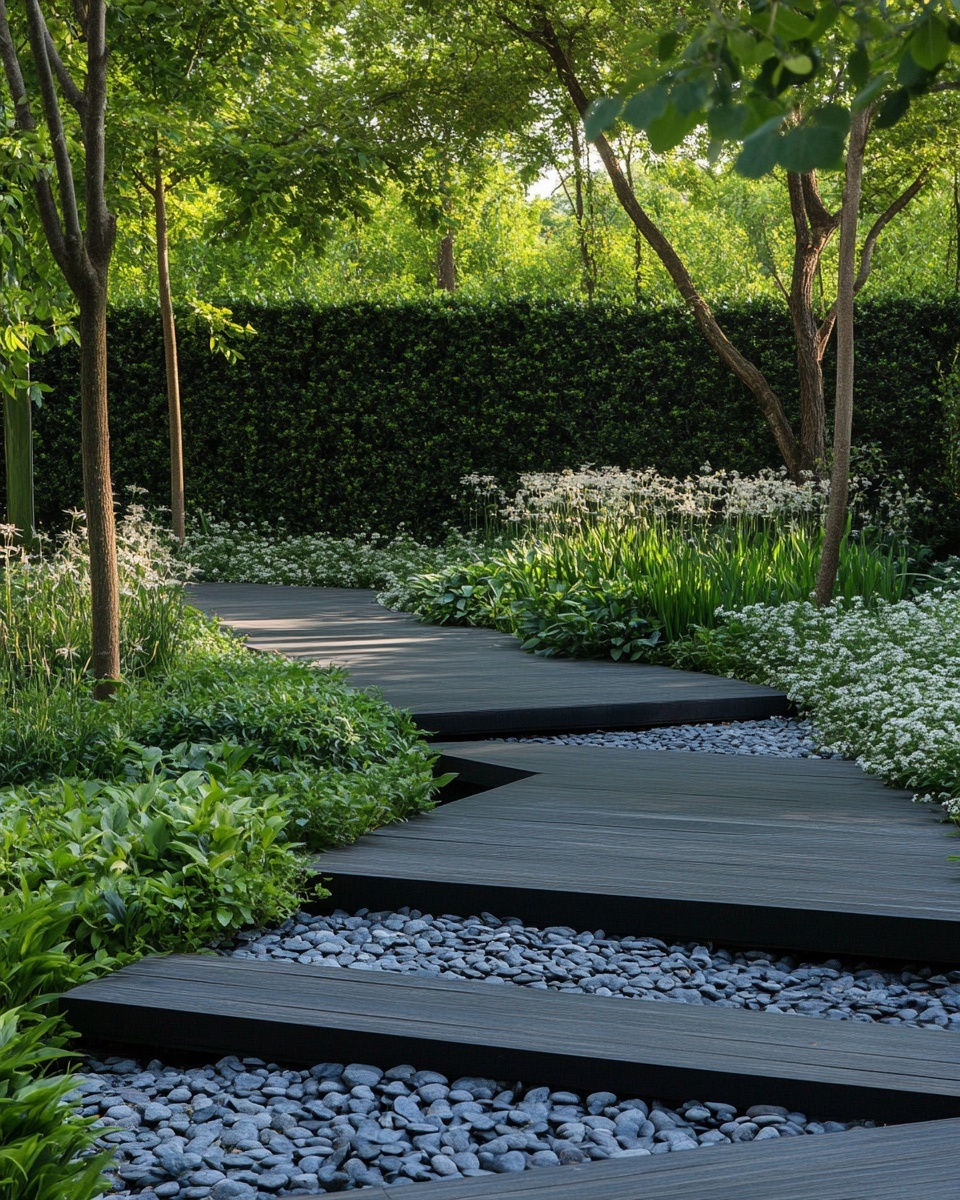
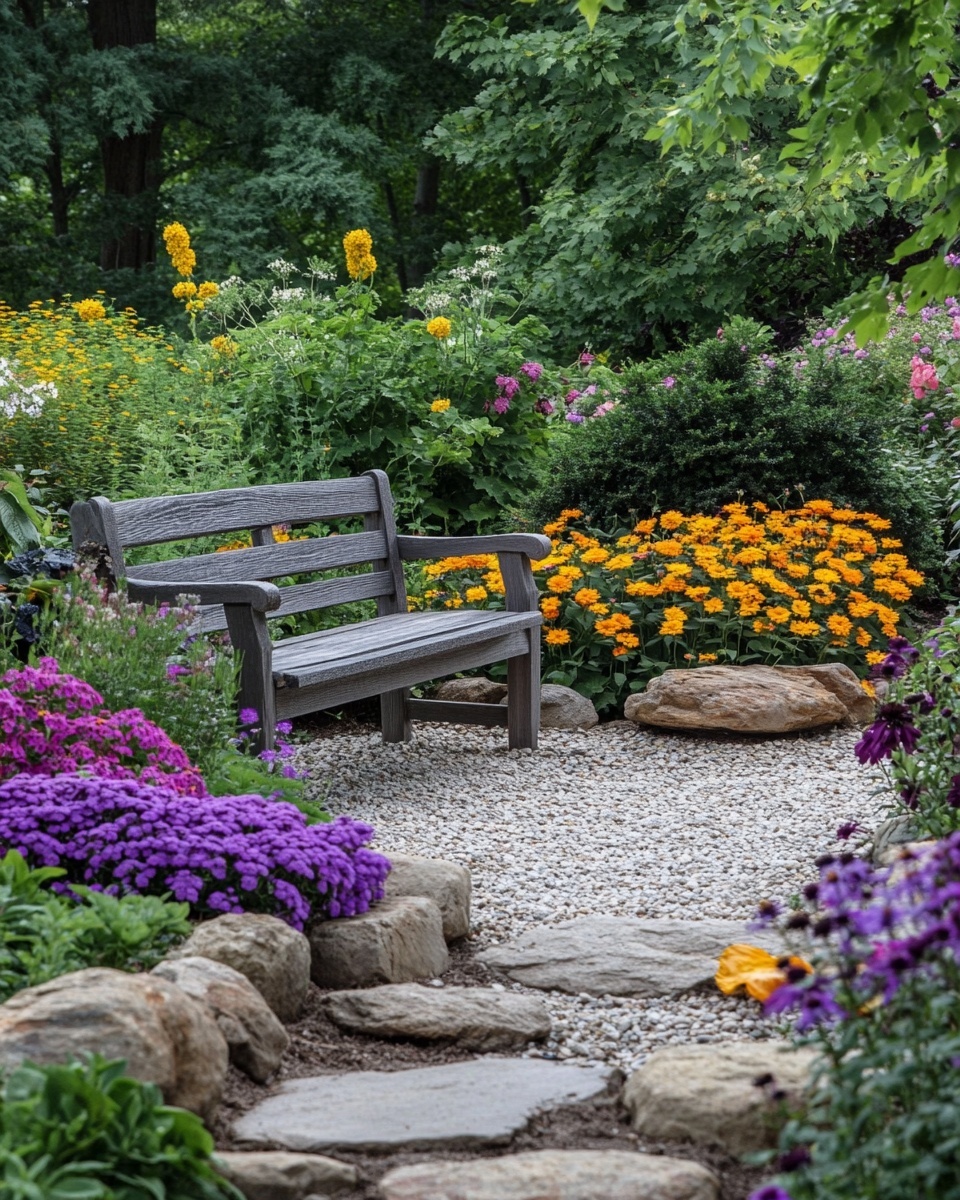
Before planting, install any permanent structures. This includes pathways, patios, raised beds, or trellises. If you're adding a small pond or a larger water feature, now is the time to dig it out and line it. Thinking about pathways? Consider permeable options like gravel or stepping stones to allow water to filter into the ground rather than running off.
Step 4: Plant Selection & Layout
Choose plants suitable for your climate, soil type, and the amount of sunlight your garden receives. Group plants with similar needs together ("right plant, right place"). Pay attention to mature size to avoid overcrowding. Place taller plants at the back, shorter ones in front. Consider bloom times for continuous color. Remember, variety in foliage texture and color adds year-round interest, even without flowers. This is where your garden ideas truly begin to take shape.
Step 5: Planting
Dig holes large enough to accommodate the plant's root ball. Gently remove the plant from its container, loosen any circling roots, and place it at the same level it was in the pot. Backfill with soil, gently firming it around the base. Water immediately and thoroughly to settle the soil and eliminate air pockets.
Step 6: Mulching
Apply a 2-4 inch layer of organic mulch around your plants. Mulch conserves soil moisture by reducing evaporation (some studies show up to a 50% reduction in watering needs), suppresses weeds, and moderates soil temperature. Popular options include wood chips, shredded bark, or straw.
Step 7: Initial Watering & Monitoring
After planting and mulching, ensure consistent watering for the first few weeks as plants establish. Monitor your new garden daily for signs of stress, pests, or disease. Early detection is key to quick resolution. Here’s how to fix common issues: if leaves are yellowing, check for overwatering or nutrient deficiency. If wilting, it might be underwatering or too much sun.
Growth & Care Tips
Once your garden is established, consistent care is paramount for its long-term health and beauty.
- Watering Frequency: Most newly planted gardens need consistent moisture. Check soil moisture by sticking your finger about an inch into the soil. If it feels dry, it’s time to water. Established plants often need less frequent, but deeper, watering. Early morning is generally the best time to water, minimizing evaporation and fungal diseases.
- Sunlight Exposure: Understand your plants' light requirements. "Full sun" means 6+ hours of direct sunlight, "partial sun" is 3-6 hours, and "shade" is less than 3 hours. Many common garden plants, like most vegetables, require at least 6-8 hours of direct sun daily for optimal growth.
- Pruning: Regular pruning encourages bushier growth, more flowers, and removes dead or diseased branches. For flowering plants, "deadheading" (removing spent blooms) redirects energy into producing more flowers rather than seeds.
- Fertilization: Healthy soil is the best fertilizer. However, some plants, especially heavy feeders like roses or tomatoes, benefit from supplemental feeding. Use organic granular fertilizers or compost tea. Conduct a soil test every few years to determine specific nutrient deficiencies.
- Pest Prevention: Integrate strategies for natural pest control. Companion planting (e.g., marigolds deterring nematodes) can be highly effective. Encourage beneficial insects like ladybugs and lacewings, which prey on common garden pests. Physical barriers like netting can also protect vulnerable crops. Regular inspection of your plants helps catch problems before they escalate.
Eco-Friendly & Sustainable Alternatives
Gardening doesn’t have to harm the planet; in fact, it can significantly contribute to local ecosystems. Embrace sustainable gardening practices with these ideas:
- Composting: Turn kitchen scraps and yard waste into nutrient-rich "black gold" for your garden. This diverts organic material from landfills and provides free, high-quality soil amendment.
- Natural Fertilizers: Instead of synthetic chemicals, rely on compost, worm castings, bone meal, or fish emulsion. These build healthy soil over time, supporting a thriving microbial ecosystem.
- Water Conservation:
- Rain Barrels: Collect rainwater from your downspouts to water your plants. This reduces reliance on treated tap water and lowers your water bill.
- Drip Irrigation: Delivers water directly to the plant roots, minimizing evaporation and runoff. It can reduce water usage by up to 50% compared to traditional sprinklers.
- Mulching: As mentioned, mulch is a water-saving superhero!
- Native Plants: Choose plants indigenous to your region. They are naturally adapted to local soil and climate conditions, requiring less water, fertilizer, and pest control.
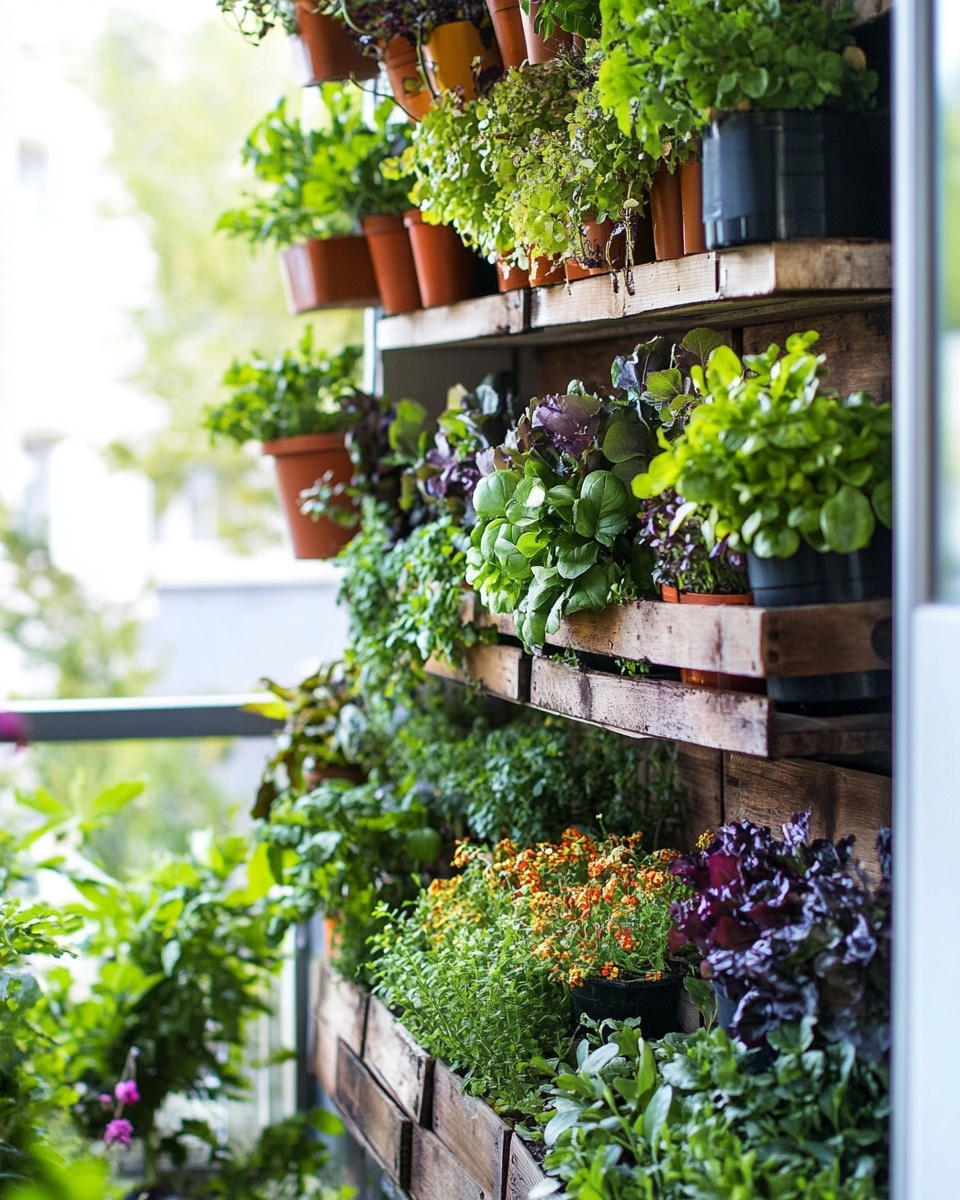
- Vertical Gardens: For small spaces like balconies or patios, vertical garden ideas are a game-changer. Stacked planters, wall-mounted pockets, or repurposed pallets can create impressive green displays in minimal footprint. Check out our guide on Vertical Indoor Garden Ideas for Small Spaces for more inspiration.
- Recycled Materials: Be creative! Old wooden ladders can become display shelves for potted plants, wine bottles can be edging, and tin cans can be painted and used as small hanging planters.
Creative Ideas & Uses
Beyond the basic planting, truly unique garden ideas emerge from creative expression and thoughtful design.
- Decorate with Plants:
- Container Groupings: Cluster pots of varying sizes and heights for a dynamic look. Use cascading plants, tall focal points, and filler plants to create mini-landscapes.
- Living Walls: Transform a bland fence or wall into a vibrant art piece with trailing vines, ferns, or succulents in wall-mounted planters.
- Espalier Fruit Trees: Train fruit trees to grow flat against a wall or trellis, saving space and creating a stunning focal point.
- Repurpose Garden Materials:
- Garden Art from Found Objects: An old bicycle can become a whimsical planter, or broken pottery can be mosaic art for stepping stones.
- Stone Features: Arrange stones and pebbles to form patterns, or create a dry creek bed that acts as a visual element and helps with drainage.
- Combine Plants Aesthetically:
- Color Theory: Use complementary colors (e.g., purple and yellow) for bold statements or analogous colors (e.g., blue, purple, magenta) for serene, harmonious blends.
- Texture Play: Mix fine-textured plants (like ferns) with coarse-textured ones (like hostas) to add depth and interest.
- Seasonal Interest: Design your garden so something is always blooming or providing visual appeal in every season. Think about spring bulbs, summer annuals, fall foliage, and winter evergreens.
- Outdoor Living Spaces:
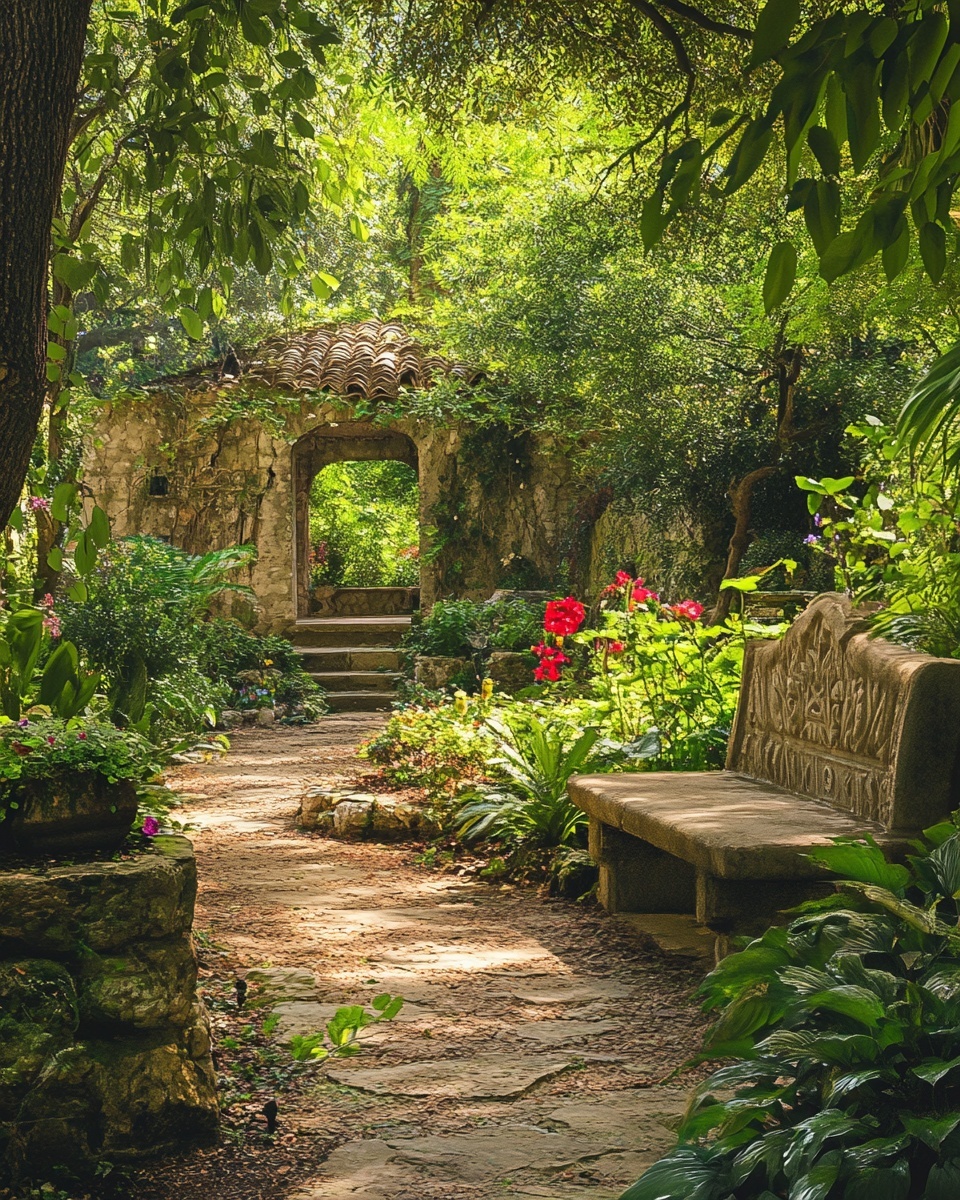
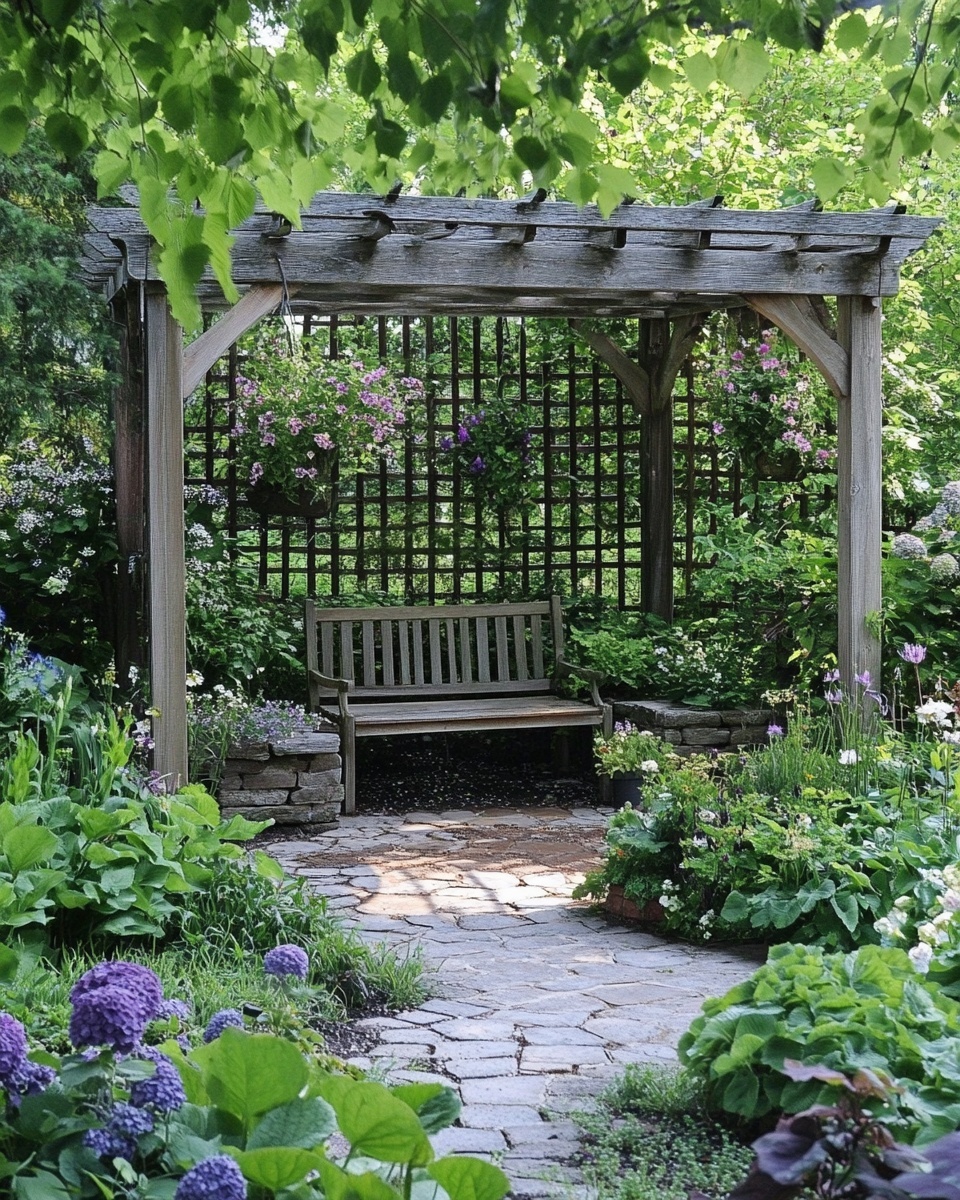
- Cozy Nooks: Create small, intimate seating areas tucked away with climbing roses or a small tree for shade.
- Edible Landscaping: Integrate edibles into your ornamental beds. Beautiful leafy greens like Swiss chard, colorful peppers, or fruit-bearing bushes can be both productive and attractive. Consider our post on Best Vegetables to Grow for Beginners for inspiration.
- Themed Gardens: A cottage garden, a zen garden, or a pollinator paradise – choose a theme that resonates with you and guide your plant and decor choices.
- Lighting Ambiance: Solar path lights, string lights draped over pergolas, or subtle spotlights highlighting key plants can turn your garden into a magical evening retreat. For more ideas on how to spruce up your space, check out Pinterest for endless garden inspirationboards: Janat Janay's Garden Boards.
Common Mistakes to Avoid
Even seasoned gardeners make mistakes! Learning from common pitfalls can save you time, effort, and heartache.
- Overwatering: This is arguably the biggest killer of garden plants, responsible for root rot in an estimated 60% of houseplants and many outdoor varieties. Wilting can signal both overwatering and underwatering, so always check soil moisture directly.
- Underwatering: While less immediately fatal, consistent underwatering stresses plants, making them susceptible to pests and disease.
- Ignoring Soil Health: Poor soil leads to poor plant growth. Skipping soil amendments or not testing your soil pH can result in stunted growth and nutrient deficiencies even if you water and fertilize correctly.
- Planting in the Wrong Spot: Placing sun-loving plants in shade or shade-loving plants in full sun will lead to weak, unhealthy specimens. "Right plant, right place" is a golden rule!
- Overcrowding: While tempting to fill every space, plants need room to grow to their mature size, ensuring good air circulation (to prevent fungal diseases) and access to light and nutrients.
- Ignoring Pest & Disease Signs: Early intervention is crucial. A small infestation can quickly become a major problem if left unchecked.
- Fertilizing Too Much: More isn't always better. Excessive fertilization can burn roots and lead to lush foliage but few flowers or fruits.
- Using the Wrong Tools: Trying to dig a large hole with a hand trowel is inefficient and frustrating. Having the right tool for the job makes gardening much more enjoyable.
Maintenance & Storage Tips
Ensuring the longevity and vitality of your garden space extends beyond the growing season. Proper maintenance and storage are key.
- Long-Term Plant Health:
- Regular Pruning: Beyond deadheading, strategic pruning helps maintain plant shape, promotes air circulation, and encourages vigorous growth. For shrubs, consider renewal pruning every few years to rejuvenate older growth.
- Mulch Replenishment: Break down over time, so replenish your mulch layer annually to continue benefiting from moisture retention and weed suppression.
- Pest & Disease Management: Stay vigilant. Address issues proactively with organic solutions like neem oil or insecticidal soap for pests. Remove affected plant parts immediately to prevent spread of disease.
- Weed Control: Consistent weeding is vital. Aim to remove weeds when they are small; they compete with your desired plants for water and nutrients.
- Seed Storage:
- Cool, Dry, Dark: Store seeds in airtight containers in a cool, dark, and dry place (e.g., a refrigerator or basement). Proper storage drastically improves germination rates for future planting seasons.
- Labeling: Always label your seed packets with the type of seed and the date of purchase or collection.
- Seasonal Care:
- Fall Clean-up: Rake leaves, cut back spent perennials, and clean out vegetable beds. This helps prevent pests and diseases from overwintering.
- Winter Protection: For tender plants in colder climates, apply extra mulch, use burlap wraps, or bring potted plants indoors.
- Spring Preparation: As temperatures rise, begin by clearing winter debris, amending soil, and preparing beds for new plantings.
- Solutions for Common Issues:
- Yellow Leaves: Can indicate overwatering (roots smothered), underwatering (lack of nutrients reaching leaves), or nutrient deficiency. Check soil moisture first, then consider a balanced fertilizer.
- Poor Soil Drainage: If water pools for hours after rain, your soil needs improvement. Amend with large amounts of organic matter, such as compost and aged manure, to improve its structure. For potted plants, ensure drainage holes are clear.
- Leggy Plants: Often a sign of insufficient light. Move plants to a brighter location or consider supplemental grow lights. Pruning can encourage bushier growth.
Conclusion
Transforming your outdoor space with thoughtful garden ideas is more than just a hobby—it's an investment in your well-being, your home's aesthetics, and the environment. By embracing sustainable practices, utilizing the right tools, and understanding the core principles of plant care, you can create a personalized sanctuary that brings joy and beauty year-round. From selecting the perfect plants to adding creative decorative touches, every step contributes to a vibrant, living masterpiece. We've explored everything from eco-friendly alternatives to common pitfalls, equipping you with the knowledge to cultivate success.
So, don't wait! Grab your trowel, sketch your vision, and start digging into your next garden project. What garden ideas are you most excited to implement? Share your plans and photos with us on social media using #MyGardenTransformation. And for more inspiration and tools to help you along the way, keep exploring our guides. Your beautiful garden awaits!
FAQ
Q1: How do I choose the right plants for my garden ideas?
A1: The best approach is to consider your climate zone (USDA hardiness zone is a great starting point), the amount of sunlight your garden receives, and your soil type. Opt for native plants if possible, as they are naturally adapted and require less maintenance. Also, think about the mature size of the plant to avoid future overcrowding.
Q2: What's the best watering schedule for garden plants?
A2: Generally, it's better to water deeply and less frequently than to water lightly every day. This encourages roots to grow deeper, making plants more drought-tolerant. Check the soil moisture by hand; if the top inch or two feels dry, it's time to water. Early morning watering is usually ideal.
Q3: Can I garden without a lot of space?
A3: Absolutely! Many superb garden ideas are specifically designed for small spaces. Consider vertical gardens, container gardening on patios or balconies, or raised beds that maximize planting area. Herbs and many vegetables thrive in pots. For more tiny-space gardening tips, check out our guide on Herbs That Grow Well in Small Spaces.
Q4: How important is soil quality for successful gardening?
A4: Soil quality is foundational. Healthy soil provides essential nutrients, proper drainage, and good aeration for roots. Amending your soil with organic compost is one of the single most impactful things you can do to improve plant health. A soil test can reveal specific deficiencies to address.
Q5: What are some budget-friendly garden ideas?
A5: You don't need to spend a fortune! Repurpose old items as planters, propagate plants from cuttings, buy seeds instead of expensive starts, make your own compost, and source free materials like fallen leaves for mulch. DIY garden art from found objects is another excellent way to add personality without breaking the bank.
Q6: How do I prevent pests naturally in my garden?
A6: Embrace organic pest control methods. Encourage beneficial insects by planting flowers they love, practice companion planting, maintain good garden hygiene (removing diseased leaves), and use organic sprays like neem oil as a last resort. Healthy, vigorous plants are also more resistant to pest attacks.
Q7: Should I fertilize my garden, and how often?
A7: A thriving garden starts with nutrient-rich soil. While healthy soil enriched with compost often provides sufficient nutrients, some plants, especially heavy feeders, benefit from supplemental fertilization. If you're looking for natural ways to boost your soil, explore our Organic Fertilizer Recipes for Herb Gardens. Always follow product instructions to avoid over-fertilization.
Explore More Gardening Insights:
- Growing Vegetables: If you're considering expanding your garden ideas to include fresh produce, our guide on How to Start a Vegetable Garden from Scratch offers detailed instructions.
- Indoor Greenery: For those with limited outdoor space or seeking year-round botanical beauty, don't miss our insights on Best Indoor Plants That Purify Air Naturally.
- Herbal Delights: Discover the joy of growing your own herbs with our tips on Best Herbs to Grow Indoors Year-Round.