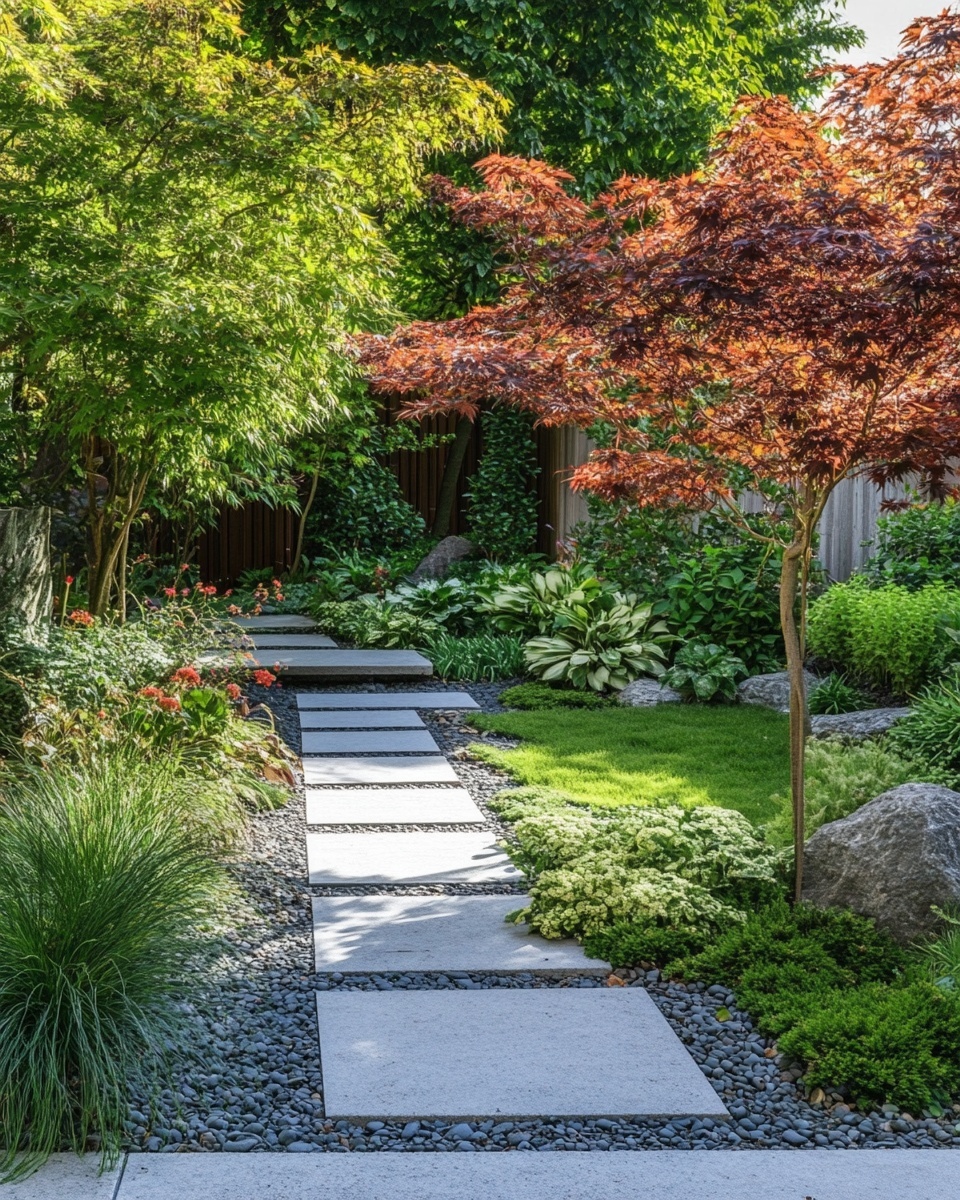
Do you ever wonder why some gardens seem to thrive effortlessly, bursting with vibrant colors and lush foliage, while others struggle despite similar efforts? The secret often lies not just in green thumbs, but in thoughtful garden design. It's estimated that a well-planned garden can increase property value by up to 20%, and significantly enhance personal well-being, yet many aspiring gardeners jump straight into planting without a cohesive layout. This article will unveil the magic behind creating breathtaking backyards, offering practical ideas and layouts that turn your outdoor space into a personal sanctuary. Whether you dream of a bountiful vegetable patch, a serene meditation space, or an inviting entertaining area, understanding the principles of effective garden design is your first step towards horticultural success. Let's dig in and cultivate the knowledge you need to design your dream garden!
Tools & Materials Needed
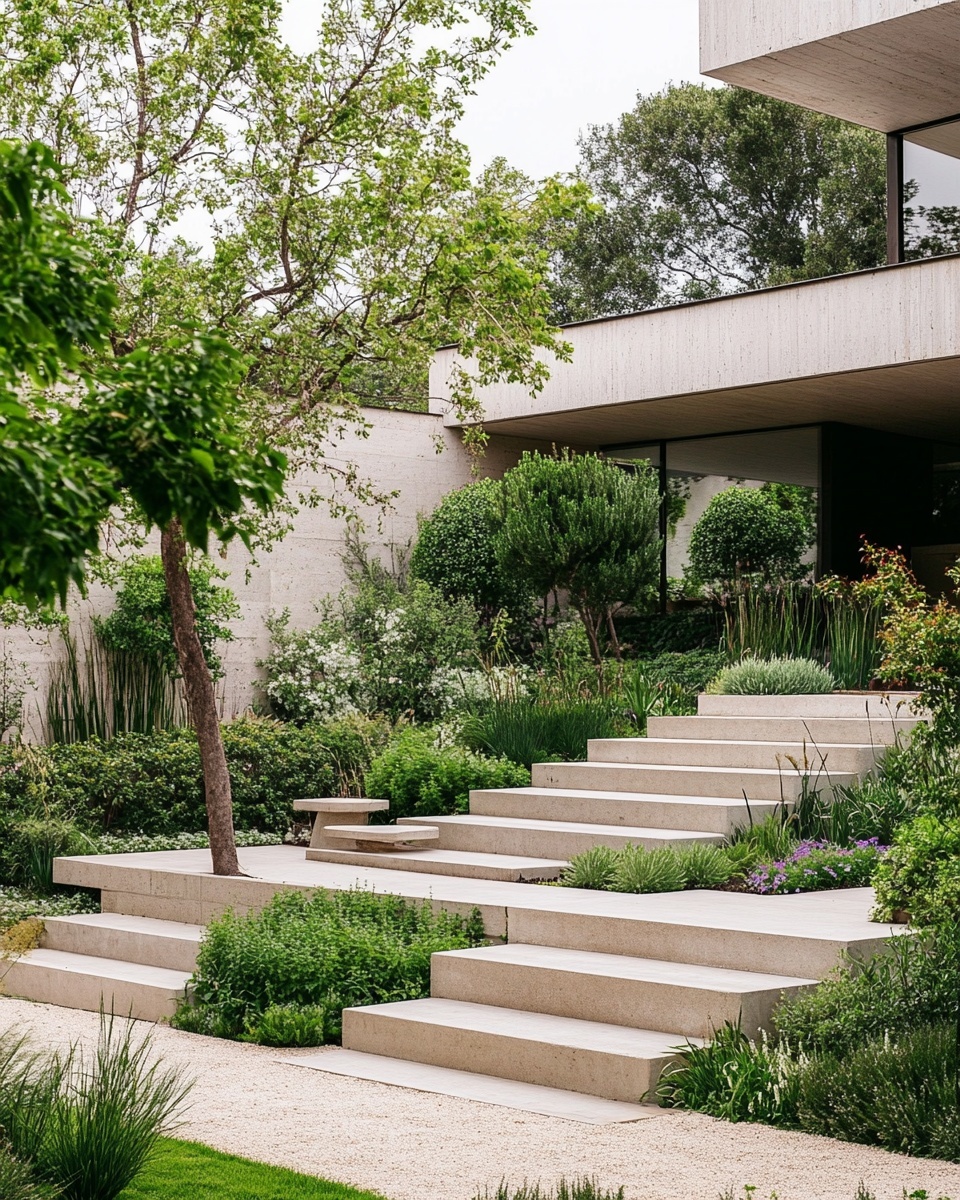
Embarking on a garden design project, no matter its scale, requires a few key items. Having the right tools makes the process smoother and more enjoyable.
- Measuring Tape (25-foot or longer): Essential for accurate layout planning and ensuring your design elements fit precisely.
- Graph Paper and Pencils/Colored Pencils: For sketching your initial garden design ideas and visualizing different layouts. A digital alternative like free online landscape planners can also be incredibly useful.
- Gardening Trowel & Spade: For digging small holes, planting, and general soil work. Opt for ergonomic handles to minimize strain.
- Pruning Shears: For shaping plants, removing dead growth, and maintaining plant health. Bypass pruners are typically best for live stems.
- Gardening Gloves: Protect your hands from thorns, dirt, and blisters. Look for durable, waterproof options.
- Wheelbarrow or Garden Cart: Invaluable for moving soil, compost, mulch, and plants around your space, saving your back from unnecessary heavy lifting.
- Level and String/Stakes: For creating straight lines, defining bed edges, and ensuring even ground if you’re planning pathways or structured beds.
- Soil Test Kit: A crucial, often overlooked tool. Knowing your soil's pH and nutrient levels is foundational to successful plant growth. Many local extension offices offer this service affordably.
- Compost or Organic Matter: To enrich your soil. Eco-friendly alternative: Start your own compost pile using kitchen scraps and yard waste.
- Mulch (wood chips, straw, shredded leaves): Suppresses weeds, retains moisture, and regulates soil temperature. Budget-friendly alternative: Collect fallen leaves in autumn.
- Selected Plants, Seeds, or Bulbs: Choose varieties suited to your climate, light conditions, and the aesthetic of your desired garden design. Consider native plants for ecological benefits and lower maintenance.
- Watering Can or Hose with a Gentle Sprayer: For consistent and adequate hydration.
Time & Effort Overview
The time and effort required for successful garden design can vary significantly, ranging from a few weekends to several months, depending on the complexity and scale of your project.
- Planning & Design Phase: This is arguably the most crucial step and can take anywhere from 20 hours to 40+ hours for a medium-sized garden (approx. 500 sq ft). This involves research, sketching, measuring, and selecting plants. For comparison, simply laying out a basic vegetable patch might take 5-10 hours.
- Preparation & Installation: This stage includes soil amendment, bed building, planting, and pathway creation. Expect this to consume 40 to 80 hours for an average backyard. Installing a complex hardscape (like a patio or intricate water feature) can double or triple this estimate.
- Initial Maintenance: The first few months after planting are critical. You'll spend 1-2 hours per week on watering, weeding, and pest monitoring as plants establish. This is more frequent than established gardens, which often require 30-60 minutes per week.
- Difficulty Level: This project is suitable for Intermediate Gardeners, but can be approached by Beginners with careful planning and by starting small. Advanced gardeners might tackle complex multi-zone designs or large-scale landscaping. Don't feel overwhelmed; even small, thoughtful changes can have a huge impact on your garden design.
Step-by-Step Gardening Process
1. Vision & Assessment: Define Your Dream Garden
Every great garden design begins with a clear vision. What do you want from your outdoor space? Is it a lively entertainment area, a tranquil reading nook, or a productive food garden?
- Brainstorm Ideas: Jot down everything you envision. Look at inspiration from magazines, Pinterest (like this helpful board: https://www.pinterest.com/janatjanay47/), and local botanical gardens.
- Analyze Your Space: Walk through your yard at different times of day. Note sunlight patterns (full sun, partial shade, deep shade), wind exposure, existing features (trees, fences, structures), and problem areas (poor drainage, slopes). This data-driven approach is vital.
- Measure and Sketch: Measure the dimensions of your garden. Use graph paper to draw a to-scale representation. Mark out existing elements. This becomes your canvas for your garden design.
2. Soil Safari: Understanding Your Earth
The foundation of any healthy garden is its soil. Ignoring this step can lead to disappointing results.
- Perform a Soil Test: This is non-negotiable! Send a sample to your local extension office or use a home kit. This tells you your soil type (sand, clay, loam), pH level, and nutrient deficiencies. Don’t worry if it's not perfect; we can fix it!
- Amend as Needed: Based on your soil test, incorporate organic matter like compost to improve drainage in clay soil, or water retention in sandy soil. For instance, soil that's too acidic might need lime, while alkaline soil benefits from sulfur compounds.
3. Layout Logic: Structuring Your Space
Now for the exciting part: planning the physical layout. This is where your garden design starts to take shape.
- Define Zones: Divide your garden into functional areas: a patio, a seating area, planting beds, a play zone, etc. Think about flow and transition between these zones.
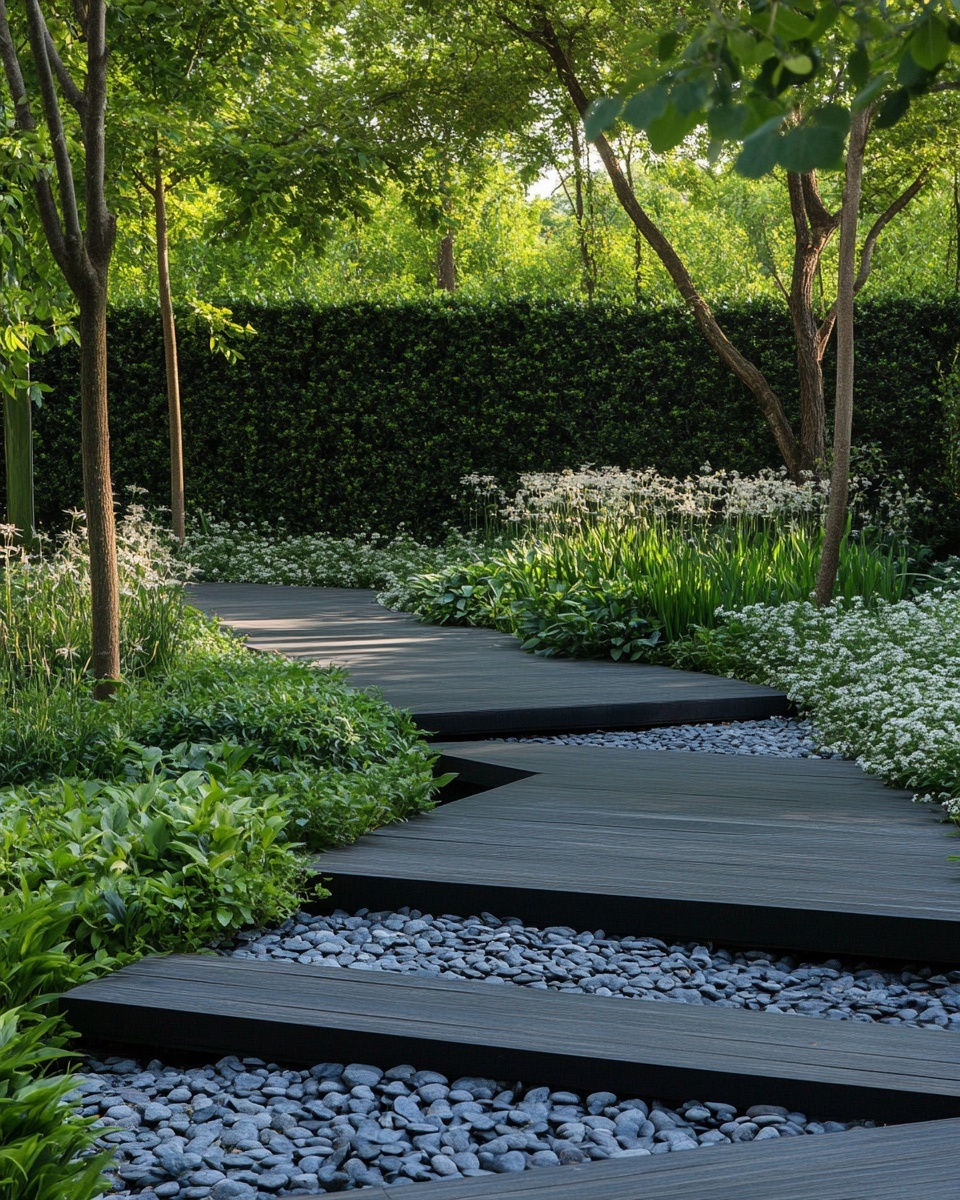
- Draw Design Elements: On your scaled map, sketch in pathways, planting beds, focal points (a bird bath, sculpture, or feature plant), and hardscaping elements. Consider the "bones" of your garden.
- Think in Layers: Design with varying heights in mind: tall trees, medium shrubs, lower perennials, and groundcovers. This creates visual interest and depth.
4. Plant Picks: Selecting Your Green Cast
Choosing the right plants for the right places is key to a low-maintenance, thriving garden design.
- Research Plants: Select plants that match your climate (USDA hardiness zone), soil conditions, and sun exposure identified in Step 2.
- Consider Plant Characteristics: Think about mature size, bloom times, foliage color, texture, and water needs. Group plants with similar requirements together.
- Balance Aesthetics & Function: A beautiful garden can also be productive. Consider edible plants, pollinator-attracting flowers, or fragrant herbs.
5. Preparation & Planting: Bringing the Vision to Life
With your plan in hand, it’s time to get your hands dirty!
- Prepare Beds: Clear weeds, remove debris, and deeply cultivate the soil, incorporating any necessary amendments from your soil test. Level the area as needed.
- Lay Out Plants: Before digging, position your potted plants on the prepared beds according to your design. Step back and assess the arrangement. Make adjustments now, it’s much easier than after planting!
- Plant with Care: Dig a hole twice as wide as the root ball and just as deep. Gently remove the plant from its container, loosen any circling roots, and place it in the hole. Backfill with soil, gently tamp down, and water thoroughly.
6. Initial Watering & Mulching: Establishing Good Habits
Proper initial care sets your new garden up for success.
- Deep Watering: Water newly planted areas deeply to settle the soil around the roots. For the first few weeks, aim for consistent moisture, checking soil dampness frequently.
- Apply Mulch: Spread a 2-4 inch layer of mulch over all bare soil in your planting beds, keeping it a few inches away from plant stems. This is brilliant for weed suppression and moisture retention!
Growth & Care Tips
Once your garden design is planted, continuous care ensures its beauty and health.
- Watering Frequency: Most plants prefer deep, infrequent watering over shallow, frequent sprinkles. Aim to water when the top 1-2 inches of soil feel dry to the touch. In general, established gardens need 1 inch of water per week, either from rain or irrigation. Overwatering causes root rot in over 60% of new plant failures, so always check soil moisture first!
- Sunlight Exposure: Continually monitor your plants’ response to sunlight. If plants are leggy or not flowering, they may need more sun. If leaves are scorched, they might be getting too much. Remember, even during the planning stage, careful consideration of light is a cornerstone of effective garden design.
- Pruning: Regularly prune dead, diseased, or damaged branches to promote healthy growth and air circulation. For flowering shrubs, prune after they bloom. For general shaping, do so in late winter or early spring before new growth emerges.
- Fertilization: Based on your initial soil test, fertilize judiciously. Over-fertilizing can harm plants and runoff pollutes water. Use slow-release organic fertilizers or compost tea. Most established gardens benefit from a balanced granular fertilizer once a year in spring.
- Pest Prevention: The best defense is a strong offense. Healthy plants are naturally more resistant to pests. Monitor your plants regularly for signs of trouble. Introduce beneficial insects like ladybugs, use neem oil as an organic deterrent, or practice companion planting (e.g., marigolds deter nematodes). A diverse garden design often resists pests better.
Eco-Friendly & Sustainable Alternatives
Incorporating sustainability into your gardening practices isn't just good for the planet; it often leads to a healthier, more resilient garden.
- Composting: Turn kitchen scraps and yard waste into nutrient-rich soil amendment. This reduces landfill waste and enriches your garden naturally. You can find excellent guides on composting for beginners.
- Natural Fertilizers: Beyond compost, consider using worm castings, kelp meal, or fish emulsion. These provide a slow release of nutrients and improve soil structure without harsh chemicals.
- Water Conservation:
- Rain Barrels: Collect rainwater from your roof for irrigation. Your plants will love the chlorine-free water.
- Drip Irrigation/Soaker Hoses: Deliver water directly to the plant roots, minimizing evaporation and runoff by up to 50% compared to overhead sprinklers.
- Xeriscaping: Choose drought-tolerant native plants that thrive with minimal supplemental watering once established. This is a brilliant garden design principle for arid regions.
- Alternatives for Small Spaces:
- Container Gardening: Nearly anything can be grown in pots! Use various sizes and materials to create visual interest.
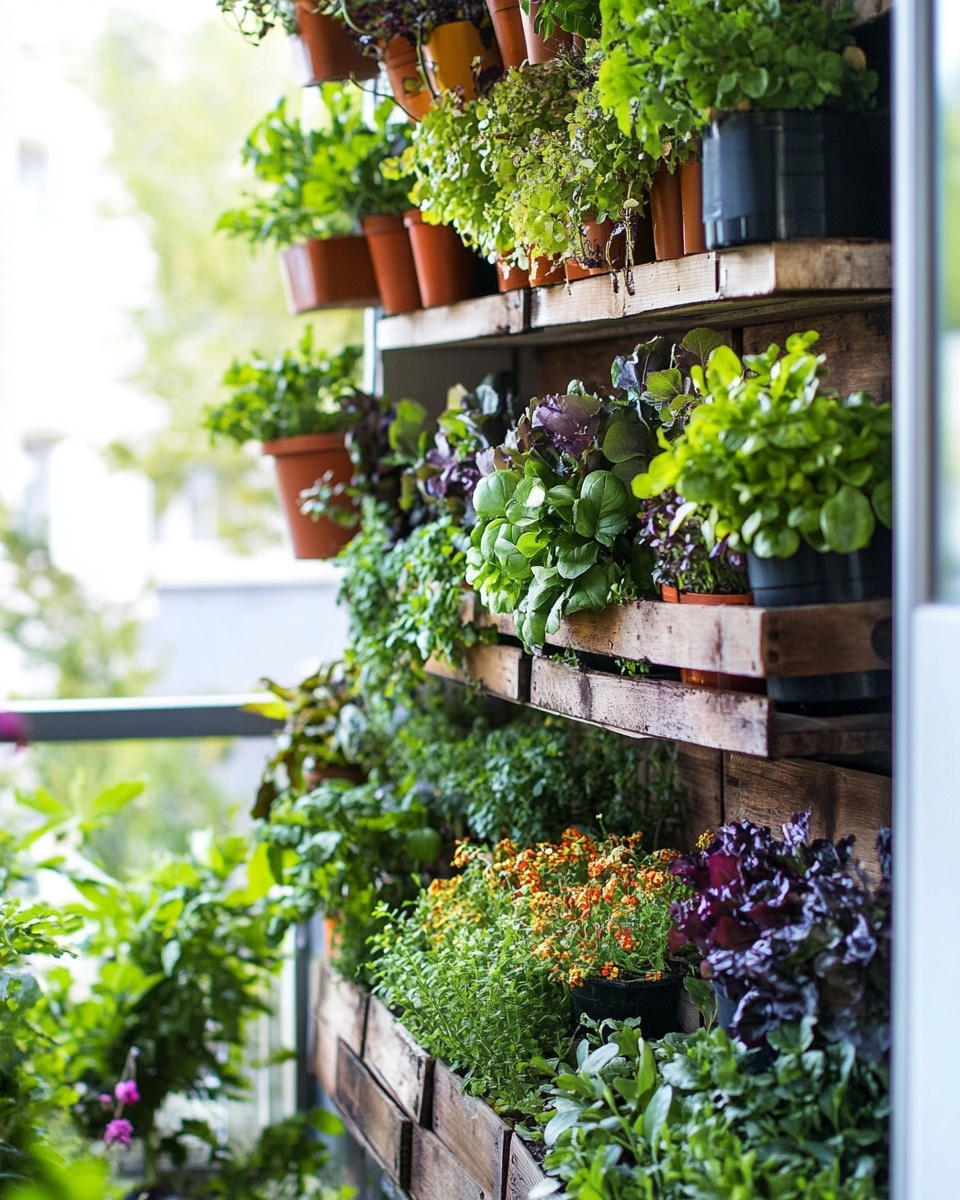
- Vertical Gardens: Maximize your growing area by going up. Trellises, wall planters, and tiered shelves are perfect for herbs, strawberries, or even small vegetables. See our guide on vertical indoor garden ideas for small spaces.
- Balcony Gardens: Transform your balcony into a vibrant oasis with creative planting. Explore balcony herb garden design ideas for inspiration.
Creative Ideas & Uses
A garden is more than just plants; it's an extension of your home and personality. Let your creativity bloom in your garden design!
- Decorate with Plants:
- Living Walls: Install a vertical planter system for stunning visual impact and to maximize small spaces.
- Container Groupings: Arrange pots of varying sizes, heights, and plant types to create dynamic displays. Use a bold focal pot and surround with complementary smaller ones.
- Edible Landscaping: Integrate beautiful edible plants like colorful Swiss chard, striking artichokes, or ornamental kales into your flower beds.
- Repurpose Garden Materials:
- Pallet Planters: Transform old wooden pallets into vertical herb gardens or tiered flower displays.
- Upcycled Containers: Use old tires (painted brightly!), tin cans, or even broken china for unique planters.
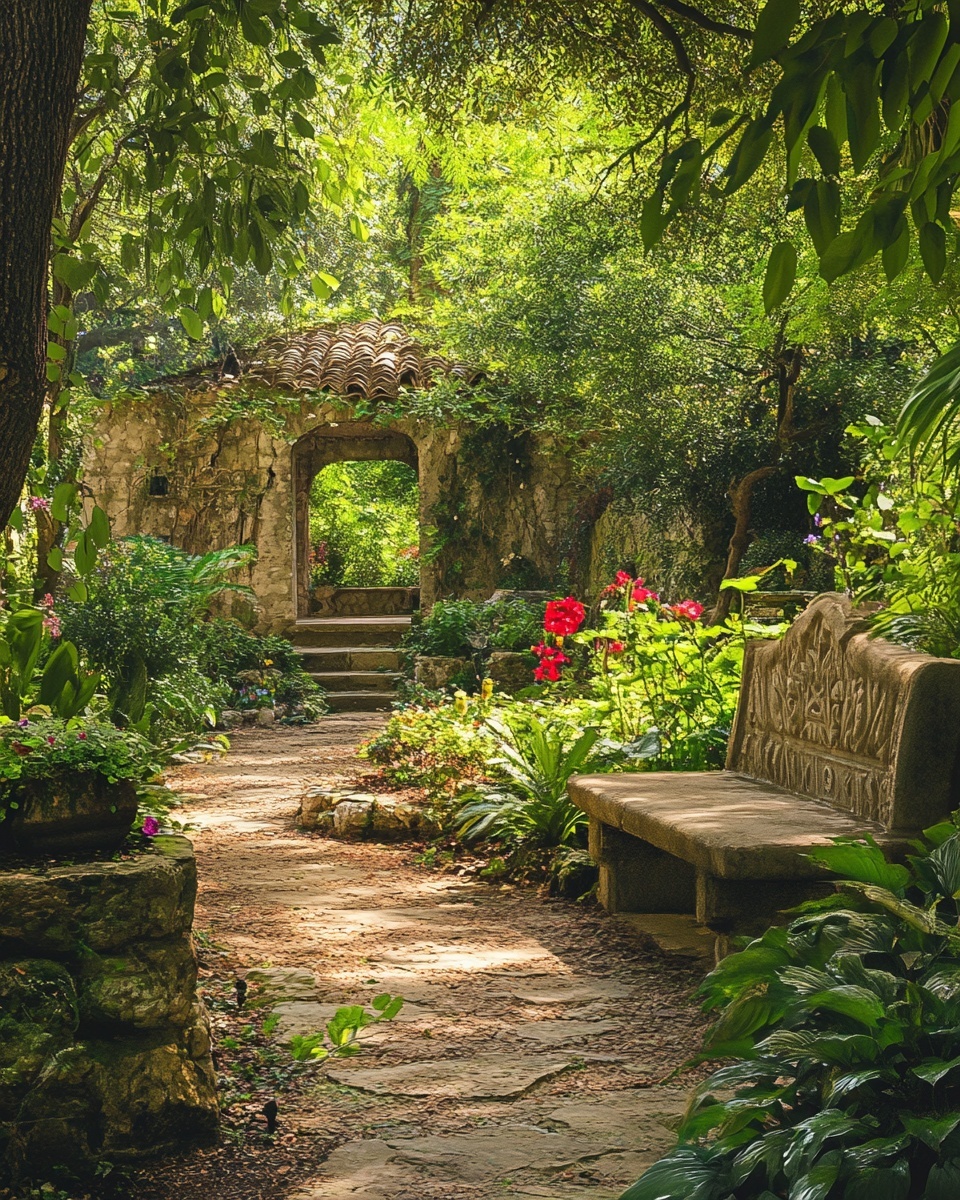
- Stone Paths: Collect interesting stones from your yard or local sources to create charming, rustic pathways.
- Combine Plants Aesthetically:
- Color Theory: Use a limited color palette for a serene look, or mix bold, contrasting colors for energy. Consider harmonious shades like purples and blues, or vibrant pairings like yellow and purple.
- Texture Play: Combine plants with different leaf textures – fine grasses, broad hosta leaves, feathery ferns – to add depth and interest.
- Focal Points: Strategically place a standout plant with unique foliage or an impressive bloom, or an interesting piece of garden art, to draw the eye and anchor a section of your garden design.
- Sensory Gardens: Incorporate plants with fragrant flowers (lavender, jasmine), interesting textures (lamb's ear), or plants that attract birds and butterflies for a multi-sensory experience.
Common Mistakes to Avoid
Even seasoned gardeners make errors. Being aware of common pitfalls can save you time, effort, and heartache.
- Ignoring the Soil: Planting in poor soil is like building a house on sand. Without proper soil amendment, plants will struggle, leading to nutrient deficiencies and disease. Data shows that 75% of plant failures can be traced back to incorrect soil conditions.
- Buying Plants on Impulse: It's tempting to grab pretty plants at the nursery, but if they aren't suited to your specific light and soil conditions, they won't thrive. Always check plant tags for sun, water, and zone requirements.
- Overwatering or Underwatering: Both extremes are detrimental. As mentioned, overwatering causes root rot in 60% of houseplants. Conversely, consistent under-watering stresses plants, making them susceptible to pests and disease. Get a soil moisture meter if unsure.
- Overcrowding Plants: While it might look sparse initially, plants grow! Planting them too close together restricts air circulation, leading to fungal diseases, and competition for nutrients and light. Always check mature sizes.
- Neglecting Vertical Space: Especially in smaller gardens, not utilizing walls or fences for vertical planting is a missed opportunity. This limits your garden design potential.
- Lack of a Focal Point: A well-designed garden needs a place for the eye to rest. Without a focal point, the space can feel chaotic or uninspiring. This could be a striking plant, a bench, a water feature, or an artistic sculpture.
- Unrealistic Expectations: Gardening takes time and patience. Your dream garden won't appear overnight. Embrace the journey and enjoy the process of watching your garden design evolve.
Maintenance & Storage Tips
Long-term success in your garden is all about consistent care and smart planning.
- Long-Term Plant Health:
- Regular Weeding: Weeds compete with your plants for nutrients and water. Nip them in the bud when they’re small.
- Deadheading: Remove spent flowers to encourage more blooms and prevent plants from putting energy into seed production.
- Pest and Disease Monitoring: Inspect your plants weekly. Early detection makes treatment much easier. Look for discolored leaves, unusual spots, or insect activity.
- Seasonal Pruning: Understand when each plant in your garden design needs pruning to promote vigour and shape.
- Winter Protection: For tender perennials or shrubs in colder climates, apply a layer of mulch around the base or cover with burlap to protect them from harsh winter conditions.
- Seed Storage: Store seeds in a cool, dark, dry place in airtight containers. Label them clearly with the date saved/purchased and variety. Properly stored seeds can remain viable for several years, with viability dropping by only 5-10% per year under ideal conditions.
- Tool Maintenance: Clean your tools after each use to prevent the spread of diseases and maintain their sharpness. Sharpen pruners and spades annually. Oil wooden handles to prevent cracking.
- Solutions for Common Issues:
- Yellow Leaves: Often signals overwatering (heavy, waterlogged soil) or nutrient deficiency (usually nitrogen). Check soil moisture first.
- Poor Soil Drainage: Amend with plenty of organic matter like compost. Consider raised beds if your soil is persistently waterlogged.
- Leggy Plants: Usually indicates insufficient light. Move the plant to a brighter location if possible, or supplement with grow lights.
- No Flowers/Fruit: Can be a sign of insufficient light, incorrect feeding (too much nitrogen, not enough phosphorus), or lack of pollination.
- Crop Rotation (for edibles): If you have a vegetable garden, rotate your crops annually to prevent soil-borne diseases and pest buildup, as well as to manage soil nutrient depletion. This is a smart long-term garden design strategy.
Conclusion
Creating a beautiful and thriving garden is an incredibly rewarding journey, a true testament to the power of thoughtful garden design. By moving beyond impulsive planting and embracing a data-driven approach—understanding your site, nurturing your soil, and choosing plants wisely—you can transform any outdoor space into a personal haven. We've explored everything from initial visioning and essential tools to sustainable practices and troubleshooting common issues. Remember, every garden tells a story, and with these insights, you're now equipped to write a captivating one in your own backyard. Don't let perfection be the enemy of good; start small, learn as you go, and most importantly, enjoy the process of cultivating your dream space! Now, what are you waiting for? Grab your trowel and let's get planting! Share your garden transformation photos with us; we'd love to see your progress!
FAQ
Q1: How do I choose the right plants for my specific garden design?
A1: The key is to match plants to your environmental conditions. First, determine your USDA hardiness zone. Then, assess your garden's sunlight exposure (full sun, part shade, full shade) and existing soil type. Look for plants that thrive in these exact conditions. Don't forget to consider mature plant size and water needs to ensure a cohesive and sustainable garden design.
Q2: What's the best soil mix for new planting beds in a fresh garden design?
A2: For optimal results, a well-draining, nutrient-rich soil mix is crucial. Start with your native soil and amend it heavily with organic matter such as compost, well-rotted manure, or leaf mold. A blend of about 50-60% existing soil and 40-50% high-quality compost or aged organic material is generally ideal for robust plant growth.
Q3: How much water does my new garden design need after planting?
A3: Initially, new plants need consistent moisture to establish their root systems. Water deeply immediately after planting, and then check the soil daily for the first few weeks. Aim to keep the top 2-3 inches of soil consistently moist but not waterlogged. As plants mature, you can gradually reduce frequency, encouraging deeper root growth.
Q4: How can I make my garden design more appealing to local wildlife?
A4: To attract pollinators and other beneficial wildlife, incorporate native plants, provide a water source (a bird bath or shallow dish), and consider plants that offer food and shelter (berries, seeds, dense shrubs). Minimize pesticide use and create diverse habitats to support a thriving ecosystem within your garden design.
Q5: What are some low-maintenance garden design ideas for busy people?
A5: Prioritize drought-tolerant native plants or succulents, use extensive mulching to suppress weeds and retain moisture, and choose perennials over annuals for less replanting. Consider raised beds for easier access and soil control, and keep your overall garden design simple with clear pathways and defined planting areas to reduce upkeep.
Q6: What's the biggest mistake beginners make in garden design?
A6: The most common beginner mistake is skipping the planning stage and planting impulsively. Without a well-thought-out garden design based on site analysis (sunlight, soil, drainage) and plant research, gardens often become disjointed, unhealthy, and require more effort in the long run. Plan first, plant second!
Q7: Can I incorporate edible plants into an ornamental garden design?
A7: Absolutely! Edible landscaping is a fantastic trend. Many herbs, vegetables, and fruit-bearing plants are as beautiful as they are delicious. Think about using colorful Swiss chard, striking artichokes, ornamental kales, blueberries, or even grapevines as part of your overall garden design to merge aesthetics with productivity.
Explore More Gardening Insights:
Looking to further hone your gardening skills? Check out these related articles for more inspiration and practical advice:
- For those just starting their journey with food-producing plants, our guide on Best Vegetables to Grow for Beginners offers easy-to-follow steps to kickstart your edible garden.
- If you're eager to build your garden from the ground up, explore How to Start a Vegetable Garden from Scratch for comprehensive guidance.
- Discover how to create a tranquil space even in limited areas with our Balcony Herb Garden Design Ideas, perfect for urban dwellers.
- For plant enthusiasts interested in maintaining a vibrant indoor environment, don't miss our tips on Best Indoor Plants That Purify Air Naturally.
- Maximizing space is key, and our article on Vertical Indoor Garden Ideas for Small Spaces provides creative solutions for vertical planting.