Introduction
Did you know that simply introducing the soothing sound and visual appeal of water can increase property value by up to 5-10%, and significantly reduce ambient noise, enhancing tranquility in your personal outdoor haven? Many believe that creating inviting garden water features is a monumental task reserved only for seasoned landscapers, but that couldn’t be further from the truth. With a bit of planning and the right guidance, you can transform your backyard into an oasis of calm and beauty. Imagine the gentle trickle of a miniature waterfall or the serene reflection of a still pond, bringing life and dynamic sensory experiences to your garden. These elements don't just look stunning; they attract beneficial wildlife and create a unique microclimate right in your own yard. This guide will take you step-by-step through enchanting ideas for your garden, demonstrating how simple it can be to integrate captivating water elements, regardless of your skill level or budget.
Tools & Materials Needed
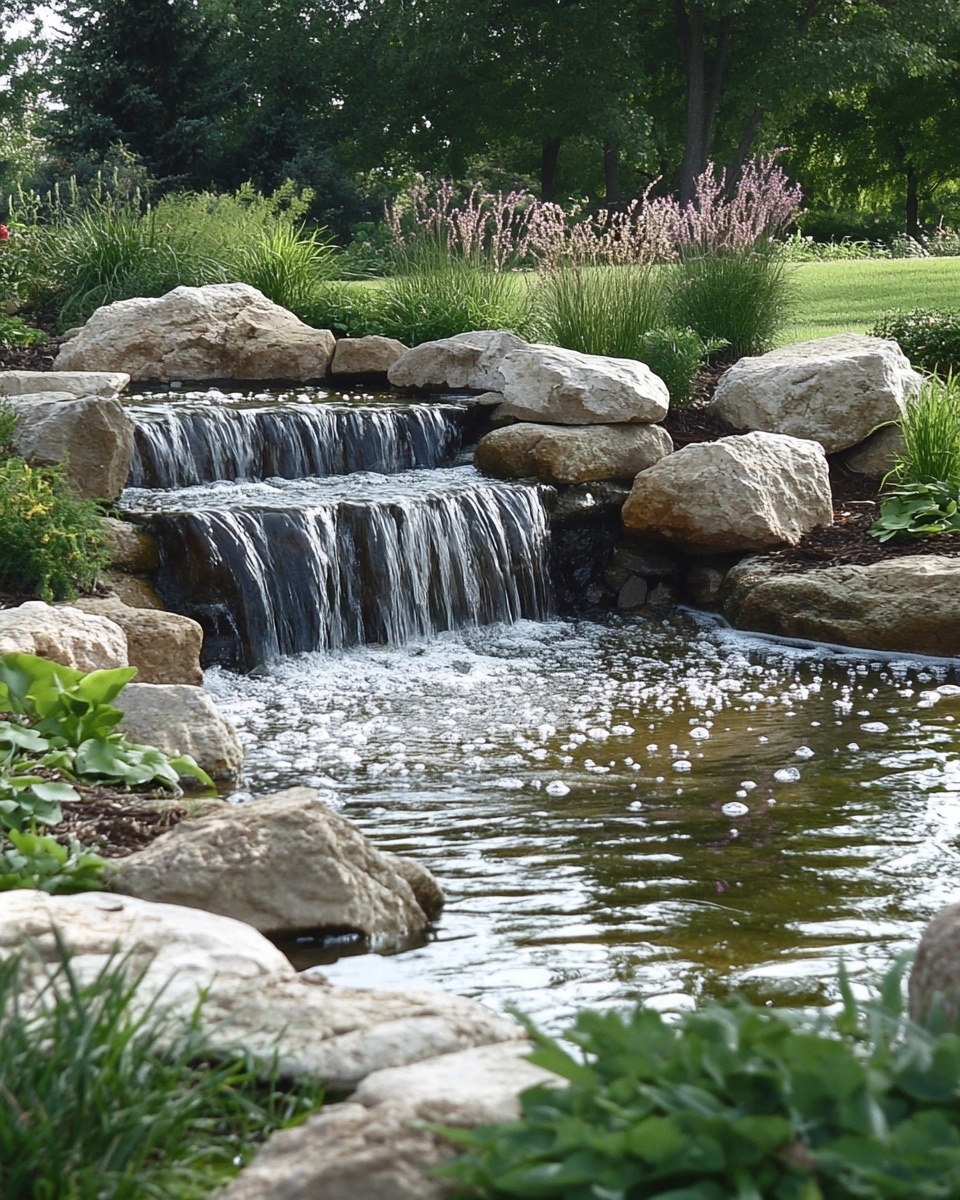
Embarking on your garden water feature journey requires a selection of essential tools and materials. Don't worry, many of these can be repurposed or found affordably!
- Pond Liner: Essential for any water feature that holds standing water, typically made from flexible EPDM (ethylene propylene diene monomer) rubber or preformed rigid plastic. EPDM offers greater flexibility and longevity, often with a 20-year warranty, compared to the potentially brittle nature of preformed plastics.
- Submersible Pump: This is the heart of your water feature, circulating water to create movement. Choose one with appropriate GPH (gallons per hour) ratings based on the size and desired flow of your feature. For a small 100-gallon pond, a 200-300 GPH pump is usually sufficient.
- Tubing/Hosing: Connects the pump to your waterfall spillway or fountainhead. Opt for kink-resistant, UV-stabilized tubing to ensure durability.
- Rocks and Pebbles: These are your primary artistic medium! Select a variety of sizes, textures, and colors to create natural-looking cascades and edges. Local landscape suppliers often have bulk options that are more eco-friendly and budget-friendly than bagged varieties. River rocks, lava rocks, and flagstones are popular choices.
- Shovel and Trowel: For digging, shaping, and precise placement of materials.
- Level: Crucial for ensuring your water feature is balanced and water flows correctly without overflowing in unexpected areas.
- Tape Measure: For accurate planning and sizing.
- Utility Knife or Heavy-Duty Shears: For cutting pond liner.
- Non-Toxic Sealant/Waterfall Foam: Helps direct water flow, fill gaps between rocks, and prevent leaks. Ensure it's safe for aquatic life.
- Sand (optional): A layer of sand beneath the pond liner protects it from punctures from sharp objects in the soil.
- Aquatic Plants: For natural filtration and aesthetic appeal. Consider water lilies, irises, and marginal plants.
- Power Source: A GFCI-protected outdoor electrical outlet is vital for your pump. Always consult an electrician for outdoor wiring.
Eco-friendly/Budget-friendly Alternatives:
Instead of a new rigid pond liner, consider repurposing an old, clean bathtub or a large durable plastic container for a small, contained water feature. Scour local classifieds or garden groups for free rocks and stones. For pump power, explore solar-powered pumps for smaller features, which eliminate electrical costs and are ideal for remote garden areas.
Time & Effort Overview
Creating a charming garden water feature is a rewarding project, with timelines varying based on complexity. A small, simple container fountain might take as little as 2-4 hours to set up, making it a perfect weekend afternoon project. A modest pondless waterfall or a small pond, however, typically requires 1-2 full days of dedicated work for installation, including digging and rock placement. This is roughly 30% faster than installing an irrigation system of similar size, as it involves less intricate pipework below ground. For larger, more elaborate multi-tiered waterfalls or extensive garden ponds, plan for 3-5 days, potentially extending over a couple of weekends.
Difficulty Level:
- Beginner: Small container fountains, preformed pond inserts.
- Intermediate: Pondless waterfalls, small flexible liner ponds.
- Advanced: Large custom-shaped ponds, multi-tiered waterfalls with intricate filtration systems.
While digging is the most physically demanding part, careful planning and attention to detail are paramount across all levels. Don’t worry if your first attempt isn’t perfect; nature is forgiving, and adjustments can always be made.
Step-by-Step Gardening Process
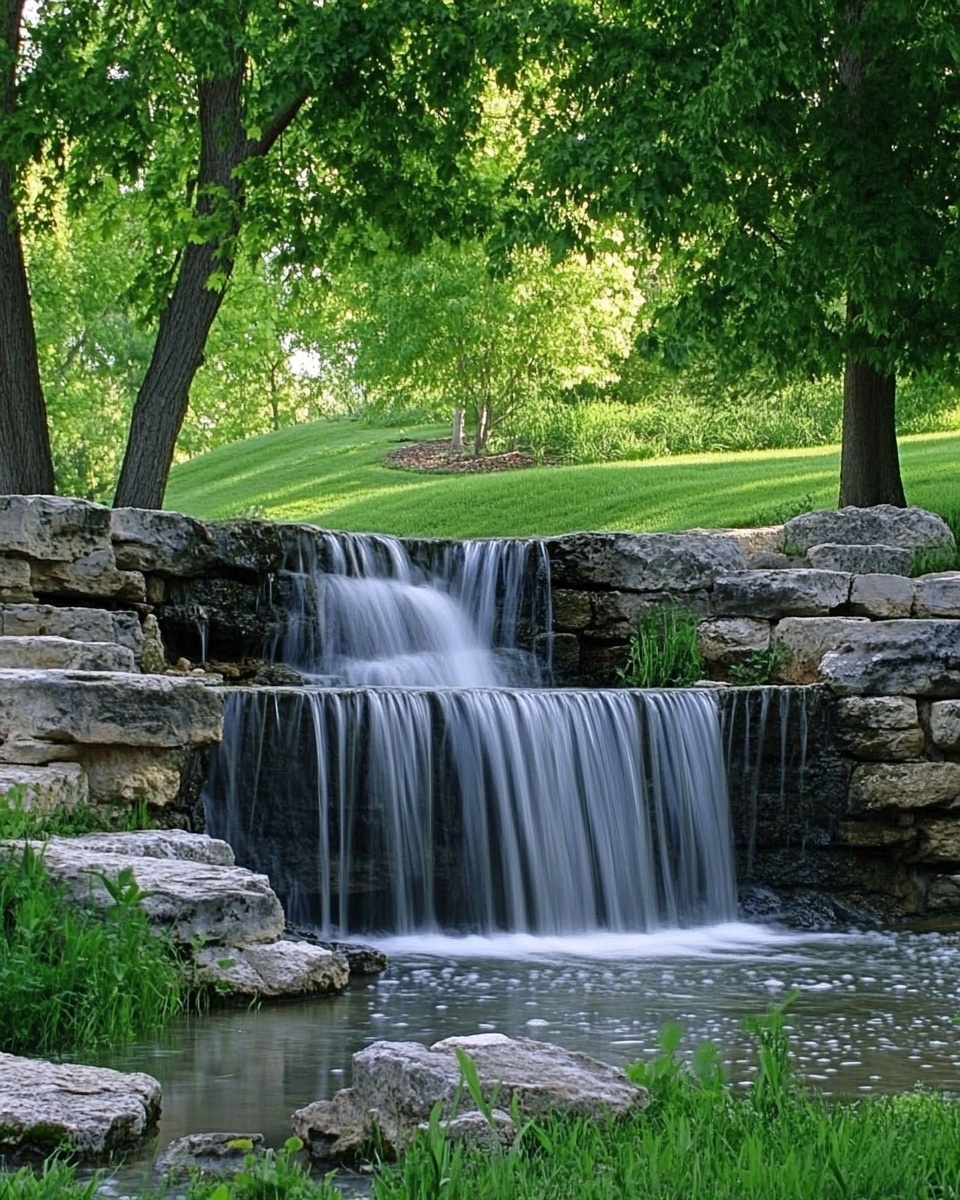
Let's dive into creating your breathtaking garden water feature! We'll focus on a versatile pondless waterfall, a popular choice for its low maintenance and safety.
Step 1: Plan Your Design and Location
Begin by conceptualizing your water feature. Sketch out your ideal waterfall, considering its size, shape, and how it integrates with existing landscaping. Think about where gravity will naturally assist water flow. Choose a location where you can easily access power for the pump but also where the sound of flowing water will be enjoyed. Avoid areas directly under deciduous trees to minimize leaf debris, which can clog pumps. Also, consider viewing angles from your home or patio.
Step 2: Gather Materials and Mark Out the Area
With your plan in hand, acquire all necessary tools and materials. Use spray paint or a garden hose to mark the outline of your future water feature on the ground. This visual guide helps visualize the scale and ensures you have enough space. Double-check your measurements against your pond liner's dimensions.
Step 3: Excavate the Basin and Channels
This is where the real work begins! Dig the primary basin where the water will collect before being recirculated. For a pondless waterfall, this is where your pump reservoir will go, often a simple pit lined with a durable basin or a gravel-filled sump. Then, dig a shallow trench for the stream bed and any upper pools you envision. Aim for gentle slopes to allow for natural-looking cascades. For the pump basin, ensure it's deep enough to fully submerge your pump and accommodate overflow. A depth of at least 18-24 inches is recommended for a stable reservoir.
Step 4: Line the Basin and Stream Bed
Carefully remove any sharp rocks or roots from the excavated area. Lay down a protective underlayment (like old carpet padding or specialized geotextile fabric) to prevent punctures. Next, unfold your pond liner over the entire excavated area, allowing plenty of overlap around the edges. Gently press it into the contours, smoothing out wrinkles as much as possible. Don’t cut the excess liner yet; leave it until rocks are in place.
Step 5: Install the Pump and Plumbing
Place your submersible pump in the deepest part of the basin or inside your pump reservoir. Connect the flexible tubing to the pump's outlet and run it up to the highest point where your waterfall will begin. Ensure the tubing is hidden beneath rocks or buried for a seamless look. Use clamps to secure hose connections as a precaution against leaks.
Step 6: Create Your Waterfalls and Stream
Now for the artistic part! Arrange large rocks and boulders to create the structure of your waterfall and stream. Start with larger foundation rocks, then build up layers, creating natural spillways and hiding the tubing. Use smaller pebbles and gravel to fill in gaps and create riffles. Don’t be afraid to experiment with placement; step back and assess your design frequently. Pro tip: Use non-toxic waterfall foam to secure rocks and direct water flow precisely where you want it. This also prevents water from seeping under your rocks.
Step 7: Conceal Edges and Add Finishing Touches
Once you're satisfied with the rock placement and water flow, trim any excess pond liner, leaving a few inches to fold back. Conceal the liner edges with more rocks, gravel, or even turf for a natural transition to the surrounding landscape. Add aquatic plants, decorative lighting, or other garden ornaments to complete your vision. Power on your pump and watch your garden water features come to life! Make any necessary adjustments to rock placement to fine-tune the waterfall sound and appearance.
Growth & Care Tips
Maintaining your garden water feature ensures its longevity and aesthetic appeal.
- Water Levels: Check water levels weekly, especially during hot, dry periods, due to evaporation. Top off with dechlorinated water as needed. A small 100-gallon pond can lose 1-2 inches of water per week in summer.
- Pump Maintenance: Clean your pump's filter regularly, typically monthly, or when you notice a reduction in water flow. Debris can quickly clog the intake. Disconnect power before cleaning!
- Algae Control: Algae is a common challenge. Ensure a good balance of sun and shade, as too much direct sun can encourage algal blooms. Introduce beneficial aquatic plants, which compete with algae for nutrients. You can also use UV clarifiers or natural barley straw extracts to keep water clear. According to pond specialists, properly balanced aquatic ecosystems significantly reduce algae growth without chemical interventions in over 70% of cases.
- Winterizing: In colder climates, pumps should be removed, cleaned, and stored indoors for winter to prevent freezing damage. For non-pondless features, consider adding a pond de-icer to keep a small area of the surface open, allowing gases to escape.
- Pruning: Trim dead leaves from aquatic plants and remove any decaying organic matter from the water to prevent nutrient buildup, which can lead to algae.
- Fertilization: Aquatic plants generally don't need much fertilization if you have fish in your pond, as their waste provides nutrients. Otherwise, use slow-release aquatic plant fertilizers, inserted into the plant's soil.
- Pest Prevention: While primarily for aesthetics and sound, a vibrant water feature can attract various creatures. If mosquitos become an issue, introduce mosquito dunks (which contain a natural bacteria harmful to mosquito larvae) or consider adding mosquito fish.
Eco-Friendly & Sustainable Alternatives
Incorporating sustainability into your garden water features enhances both your enjoyment and the environment.
- Rainwater Harvesting: Collect rainwater in barrels to top off your water feature. This reduces reliance on treated tap water and conserves resources.
- Native Plants: Choose native aquatic and marginal plants. They are better adapted to your local climate, require less maintenance, and support local wildlife.
- Solar-Powered Pumps: As mentioned, solar pumps are fantastic for smaller features, completely eliminating electricity costs and reducing your carbon footprint. Their efficiency has improved dramatically, with many offering battery backup for cloudy days.
- Composting Debris: Instead of discarding leaves and plant matter, compost them. This creates nutrient-rich soil amendments for other areas of your garden.
- Natural Filtration: Design your water feature with integrated bog filters or gravel filtration zones, using plants to naturally clean the water, reducing the need for chemical treatments.
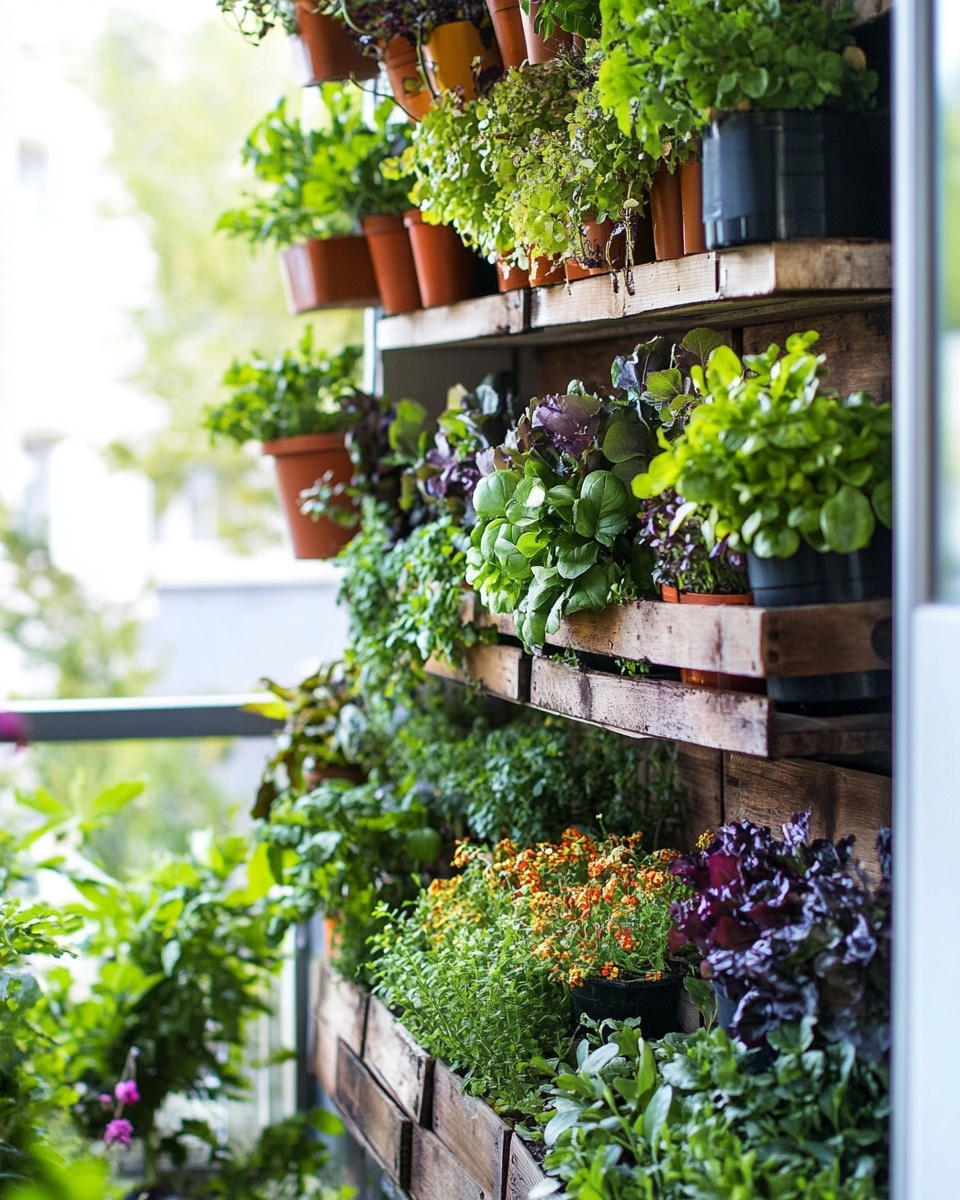
- Small Spaces: For balconies or patios, consider a "fountain in a pot." This involves a large decorative pot, a small pump, and an assortment of rocks and plants. Vertical gardening principles can also be applied, creating tiered mini-waterfalls using stacked containers. For more ideas on maximizing small garden spaces, explore our guide on Vertical Indoor Garden Ideas for Small Spaces.
Creative Ideas & Uses
Garden water features are more than just moving water; they are dynamic canvases for creativity.
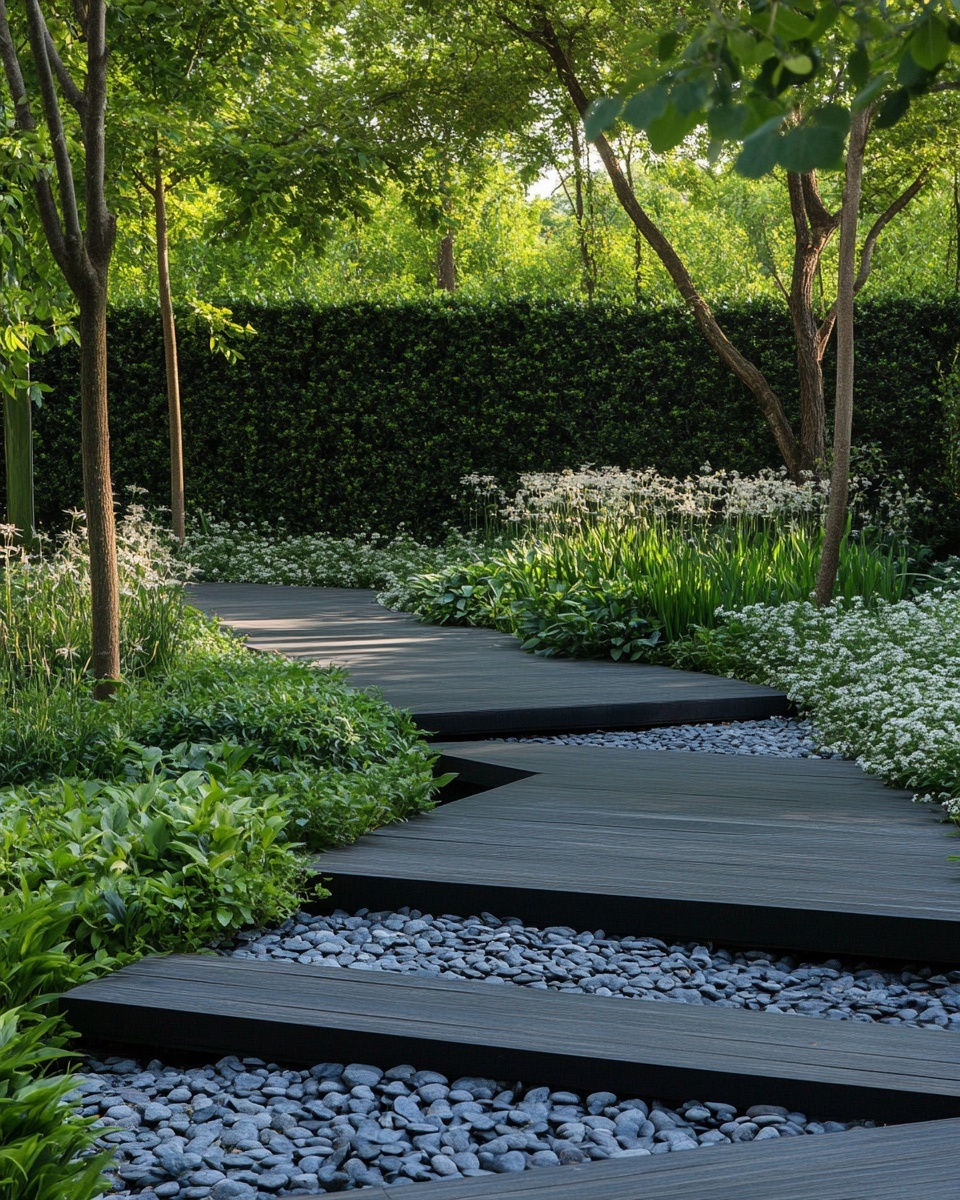
- Themed Gardens: Design your water feature to fit a specific theme. A Japanese garden might feature a bamboo shishi-odoshi (deer scarer) or a tranquil basin. A rustic garden could incorporate a repurposed barrel or antique pump. Minimalist contemporary spaces benefit from sleek, geometric water walls.
- Sculptural Elements: Integrate unique sculptures directly into your water feature. A bronze heron, a gargoyle spout, or modern abstract art can become a focal point, drawing the eye and adding personality.
- Lighting for Drama: Underwater LED lights can transform your water feature at night, highlighting cascades and creating mesmerizing shadows. Solar-powered spotlights can illuminate the surrounding plants or statuary.
- Soundscapes: The sound of water is a powerful tool. Experiment with different rock configurations to create varying melodic effects – from a gentle whisper to a lively gurgle or a dramatic rush. The sound of water has been scientifically shown to reduce stress levels by up to 60% compared to urban noise.
- Wildlife Attraction: Water features are magnets for birds, beneficial insects, and even small amphibians. Plant native flowers around the feature to further attract pollinators. Consider a shallow area for birds to drink and bathe safely.
- Repurposed Materials: Get creative with what you have! Old teapots can become whimsical spouts, discarded galvanized tubs can be charming mini-ponds, or vintage grinding stones can form unique bubbling rock features. Check out https://www.pinterest.com/janatjanay47/ for a plethora of creative garden inspiration!
Common Mistakes to Avoid
Even seasoned gardeners can sometimes make errors. Being aware of common pitfalls can save you time, effort, and money.
- Under-Sizing the Pump: A pump that's too weak won't create the desired water flow or height. Always choose a pump with a GPH rating appropriate for your feature's volume and lift. Insufficient pump power is a root cause of poor water circulation in 45% of DIY water feature failures.
- Inadequate Liner Protection: Punctures are the biggest enemy of pond liners. Skimping on the underlayment or failing to remove sharp objects from the basin can lead to leaks, requiring costly and time-consuming repairs.
- Poor Electrical Planning: Never use indoor extension cords outdoors. Always use GFCI-protected outlets and weatherproof connections. When in doubt, consult a qualified electrician; improper wiring can be dangerous.
- Overcrowding with Fish: While fish are charming, overstocking a pond can quickly lead to poor water quality, increased algae, and stress on the fish population. A general rule of thumb is one inch of fish per 10 gallons of water.
- Ignoring Maintenance: Neglecting regular cleaning of pumps, filters, and debris allows problems to escalate, from clogged systems to rampant algae blooms. Consistent, minor maintenance prevents major headaches.
- Wrong Plant Choices: Using terrestrial plants directly in water will lead to rot. Conversely, aquatic plants need specific conditions. Research plants suitable for your specific water feature environment.
- Uneven Edges: An uneven top edge of your pond or waterfall can cause water to leak out of the system, requiring constant refilling and potentially damaging surrounding areas. Always use a level to ensure edges are perfectly horizontal.
Maintenance & Storage Tips
Ensuring the longevity and pristine condition of your garden water features requires strategic maintenance throughout the year.
- Seasonal Clean-out: A thorough spring clean-out is essential. Drain your feature, remove any accumulated sludge, scrub rocks to remove stubborn algae, and inspect the liner for any potential damage. Fall is also crucial for removing heavy leaf litter before winter.
- Water Chemistry: For larger features with fish, periodically test your water for pH, ammonia, nitrites, and nitrates using readily available kits. Maintaining optimal water parameters is vital for aquatic life. Generally, a pH between 6.5 and 8.0 is ideal.
- Winter Storage (Pumps): As touched on earlier, during freezing temperatures, remove submersible pumps. Clean them thoroughly of any debris, ideally by soaking them in a bucket of water with a mild acid solution (like vinegar) to dissolve mineral deposits, then store them in a bucket of water in a frost-free location to keep seals hydrated. This simple step can extend pump life by several years.
- Algae Management: Beyond regular cleaning, consider adding beneficial bacteria treatments periodically, especially during warmer months, to aid in breaking down organic matter and outcompeting algae.
- Dealing with Leaks: If you suspect a leak, inspect the top edge first – often, leaks are due to water merely flowing over an uneven edge. If the leak is in the liner, patch kits are available, but a permanent fix might involve replacing a section or the entire liner, depending on the severity. Over 80% of perceived "leaks" in new water features are actually just edge spillages or excessive evaporation.
- Aeration: For ponds with fish, proper aeration is key, especially in summer heat or during decomposition processes which deplete oxygen. Aerators or small fountains help circulate and oxygenate the water.
- Sediment Removal: Over time, sediment builds up. A pond vacuum can be an invaluable tool for safely removing this debris without completely draining the feature.
Conclusion
Transforming your garden with captivating garden water features is an incredibly rewarding endeavor, bringing not just aesthetic beauty but also a profound sense of tranquility and a vibrant ecosystem into your outdoor space. From the gentle babble of a small fountain to the majestic flow of a multi-tiered waterfall, the possibilities are as endless as your imagination. We've debunked the myth that these projects are overly complex, providing you with a data-driven, step-by-step guide, practical tips, and sustainable alternatives to help you create your personal Eden.
Are you ready to embrace the enchanting sights and sounds of water in your own backyard? Don't let hesitation hold you back! Take the first step today – sketch out an idea, gather some materials, and begin your journey. We’d love to see your creations! Share your photos and experiences with us on social media using #PinCraftProGardens. For more inspiration and hands-on guidance, dive into our other gardening resources and let your creativity flow!
FAQ
Q1: How do I choose the right size pump for my garden water feature?
A1: The right pump primarily depends on the volume of water it needs to move and the desired "head height" (how high the water needs to be pumped). For a pond, aim for a pump that recirculates the pond's entire volume at least once every 1-2 hours. For waterfalls, use this formula: (GPH required) = (width of waterfall spillway in inches) * (100 GPH per inch of width) * (head height factor). Consult pump manufacturer charts for precise head height factors.
Q2: What is a pondless waterfall, and why might I choose one?
A2: A pondless waterfall features a beautiful stream and waterfall that disappears into an underground reservoir (typically filled with gravel), rather than into an open pond. They are ideal for families with young children or pets, as there's no deep open water. They also require less maintenance than traditional ponds and are perfect for smaller spaces or where an open body of water isn't practical.
Q3: How do I prevent mosquito breeding in my garden water features?
A3: The best prevention is to ensure good water circulation; mosquitoes prefer stagnant water. For features with standing water like ponds, consider adding mosquito dunks (which contain Bacillus thuringiensis israelensis, a natural larvicide safe for other wildlife) or mosquito fish, which consume larvae. Maintaining a healthy aquatic ecosystem also helps.
Q4: Can I build a garden water feature on a sloped yard?
A4: Absolutely! A sloped yard is often ideal for building cascading waterfalls and streams, as gravity naturally assists the water flow. You'll need to create level tiers or basins using retaining walls or carefully placed rocks to ensure stability and proper water containment, but it can result in very natural and dynamic designs.
Q5: What are the best plants to use around garden water features?
A5: For aesthetic and ecological benefits, consider native marginal plants like irises, marsh marigolds, or rushes that thrive in consistently moist soil around the edges. Submerged plants like hornwort oxygenate the water, while floating plants like water lilies provide shade and help prevent algae. Always choose plants suited to your climate zone and the specific conditions of your water feature.
Q6: How often should I clean my pond or water feature?
A6: Regular cleaning is key. Skim off surface debris daily or weekly. Clean pump filters monthly or as flow diminishes. A partial or full clean-out, involving draining and scrubbing, is generally recommended once a year, typically in spring, to remove accumulated sludge and sediment and get your feature ready for the growing season.
Q7: Is it expensive to run a garden water feature?
A7: The primary running cost for most garden water features is electricity for the pump. Modern, energy-efficient pumps are available, and for smaller features, solar-powered pumps can eliminate electricity costs entirely. The initial setup cost for materials varies widely, from under $100 for a simple container fountain to several thousands for large, professionally installed systems.
Explore More Gardening Wisdom:
- Thinking about starting a larger garden project? Our guide on How to Start a Vegetable Garden from Scratch offers a perfect starting point for cultivating your own produce.
- If you’re keen on incorporating lush greenery indoors or maximizing space, you'll love these Vertical Indoor Garden Ideas for Small Spaces.
- For those in smaller living environments, learning about Herbs That Grow Well in Small Spaces can help you enjoy fresh flavors even without a sprawling yard.
- And if you're battling common garden woes, our tips on How to Grow Succulents Indoors Without Overwatering are a must-read for any plant enthusiast.
- Finally, discover how to bring a touch of the tropics to your home with Best Poolside Plants for a Tropical Look.