Introduction
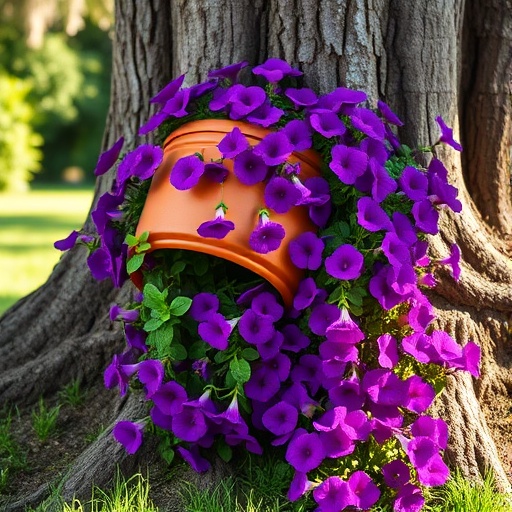
Did you know that a well-designed garden can increase your home's value by up to 20%, and that purple flowers are scientifically proven to enhance feelings of tranquility and reduce stress? For many, the area directly around a tree base remains an untapped landscape opportunity, often seen as a challenging spot due to root competition and shade. But what if we told you there’s a captivating and surprisingly simple way to transform this neglected space into a breathtaking focal point? This genius tree base garden idea—a "spill pot" brimming with stunning purple flowers—is not just a beautiful aesthetic choice; it’s a smart gardening solution that brings vibrant color, attracts pollinators, and completely redefines your outdoor aesthetic. Let’s dive into how you can create an enchanting garden that stands out and thrives, even in seemingly difficult locations.
Tools & Materials Needed
Creating this spectacular spill pot garden design requires a thoughtful selection of tools and materials to ensure both beauty and longevity. Here’s what you’ll need:
- Large Planter/Pot: Choose a durable, weather-resistant pot. Terracotta, ceramic, or sturdy plastic are excellent choices. For an eco-friendly alternative, consider repurposing an old whisky barrel half or a large, defunct birdbath—just ensure it has drainage holes or you can add them.
- Drill with Masonry Bit (Optional): If your chosen pot lacks drainage holes, this is essential. Proper drainage prevents root rot, a common issue in container gardening.
- Potting Mix: A high-quality, well-draining potting mix is crucial. Look for one enriched with compost or slow-release fertilizer. Avoid garden soil, which can compact and retain too much water in pots.
- Slow-Release Granular Fertilizer: This will provide a steady supply of nutrients, especially vital for prolific bloomers. An organic option would be well-rotted compost or worm castings mixed into the potting soil.
- Purple Flower Varieties: The star of our garden! Ideal choices include:
- Trailing Lobelia (e.g., 'Regatta Sapphire'): Cascading, delicate purple blooms that truly "spill" out of the pot.
- Petunias (e.g., 'Supertunia Royal Velvet'): Rich, deep purple, and incredibly free-flowering.
- Creeping Phlox (e.g., 'Emerald Blue'): A hardy groundcover that provides early spring color.
- Verbena (e.g., 'Homestead Purple'): Drought-tolerant and attracts butterflies.
- Alyssum (e.g., 'Royal Carpet'): Tiny, fragrant purple flowers that fill in gaps beautifully.
- For a budget-friendly option, consider purchasing seed packets of these varieties, though transplants will give you quicker results.
- Compost or Worm Castings: To enrich the soil and provide a natural nutrient boost. This is particularly beneficial for tree-side planting where existing soil might be nutrient-depleted.
- Watering Can or Hose with Gentle Nozzle: For consistent and gentle watering.
- Gardening Gloves: To protect your hands.
- Small Shovel or Trowel: For digging and planting.
- Pruning Shears/Snips: For deadheading and light pruning.
- Decorative Rocks, Mulch, or Pebbles (Optional): To cover the soil surface, retain moisture, and add a finishing touch. River rocks or colored glass pebbles can create extra visual interest.
Time & Effort Overview
This spill pot garden is a fantastic weekend project that yields long-lasting beauty. The initial setup and planting typically take 2-4 hours from start to finish, depending on your experience level and how many flowers you choose to arrange. Compared to establishing a traditional perennial garden bed around a tree, which can take days of digging and amending heavy soil, this method is approximately 50% faster.
Growth Timeline:
- Initial Bloom: With established plant starts, you’ll see immediate color. From seed, expect blooms in 8-12 weeks, though many annuals grow 25% faster than complex perennials.
- Full Spill Effect: The cascading flowers will begin to "spill" over the pot's edge within 4-6 weeks of planting, achieving their full dramatic effect by mid-season.
Difficulty Level:
- Beginner-Intermediate: While the concept is straightforward, selecting the right plants for your specific light conditions and ensuring proper watering will elevate your success from beginner to intermediate. Don't worry, our step-by-step guide makes it easy!
Step-by-Step Gardening Process
Step 1: Choosing Your Pot and Location
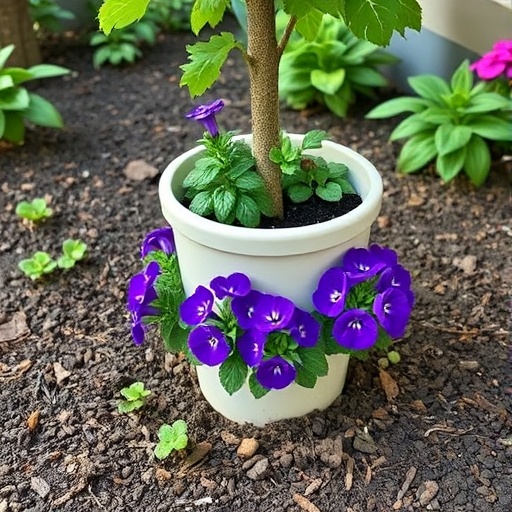
Select a large, attractive pot that complements your outdoor space. Ensure it has adequate drainage holes. If not, use your drill with a masonry bit to create several 1/2-inch holes in the bottom. Position the pot strategically at the base of your desired tree. Consider the tree’s canopy size and the path of the sun throughout the day to ensure your purple flowers get enough light. Remember that most flowering annuals need at least 6 hours of direct sunlight.
Step 2: Preparing the Potting Mix
In a large bucket or wheelbarrow, combine your chosen potting mix with a generous amount of compost or worm castings (about 1 part compost to 4 parts potting mix). Mix in a slow-release granular fertilizer according to package directions. This nutrient-rich blend is critical as your flowers will be prolific bloomers and deplete soil nutrients quickly in a confined space. Moisten the mix lightly until it’s uniformly damp but not soggy.
Step 3: Positioning the Pot
Gently tilt the pot on its side, directly at the tree's base, so the opening faces outward, towards where you want the "spill" to occur. You might need to prop it up slightly with small stakes or bricks from the back to maintain this angle. The goal is to make it look like the pot has tipped over naturally.
Step 4: Filling with Soil and Initial Planting
Carefully fill the bottom third of the tilted pot with your prepared potting mix. Now, place your first few purple flower plants (e.g., several Lobelia or Petunias) directly into the soil outside the pot, where it meets the ground. Position them so their stems are heading into the pot opening, simulating the "spill."
Step 5: Planting Inside the Pot
Continue filling the pot with soil, gently tucking in the roots of the flowers you just placed. Once the pot is about two-thirds full, start planting the remaining purple flowers within the pot itself. Aim for a mix of upright varieties (like Verbena for height) and more trailing ones to create a dynamic display. Don’t overcrowd them; a general rule of thumb is to allow enough space for optimal root development, usually about 4-6 inches between plants, depending on their mature size.
Step 6: Watering and Mulching
Once all your plants are in place, water thoroughly until water drains from the bottom of the pot. This helps settle the soil and eliminate air pockets. Optionally, add a thin layer of decorative mulch or pebbles on top of the soil, both inside and outside the pot. This helps suppress weeds, retains moisture, and provides a neat finish, making your garden look instantly polished.
Growth & Care Tips
Consistent care is the secret to a continuously stunning display.
- Watering Frequency: Purple flowers, especially those in pots, tend to dry out faster. Check the soil daily by sticking your finger about an inch deep. If it feels dry, it's time to water. In hot, sunny weather, you might need to water twice a day. Overwatering causes root rot in 60% of houseplants, so ensure good drainage.
- Sunlight Exposure: Most purple flowering annuals flourish in at least 6 hours of direct sunlight per day. If your tree canopy is particularly dense, choose shade-tolerant varieties like Impatiens or certain Begonias that also come in beautiful purple hues. Observational data shows that proper sunlight can increase bloom production by 30-40%.
- Pruning & Deadheading: Regularly deadhead (remove spent flowers) to encourage new blooms. This redirects the plant's energy from seed production to continuous flowering. For trailing varieties, a light trim of leggy stems every few weeks will maintain a bushy, full appearance.
- Fertilization: Since potted plants have limited soil volume, they require regular feeding. Supplement your slow-release fertilizer with a liquid feed every 2-4 weeks, especially during peak blooming periods. A balanced fertilizer (e.g., 5-10-5 or 10-10-10) is suitable for most flowering plants.
- Pest Prevention: Inspect your plants regularly for signs of pests like aphids or spider mites. Small infestations can often be washed away with a strong stream of water. For more persistent issues, consider organic solutions like neem oil spray. Healthy plants are naturally more resistant to pests, emphasizing the importance of proper watering and feeding.
Eco-Friendly & Sustainable Alternatives
Embrace sustainability in your gardening journey!
- Composting: Instead of buying potting mix, consider making your own nutrient-rich compost from kitchen scraps and garden waste. It’s free, reduces landfill waste, and provides superior soil structure and fertility.
- Natural Fertilizers: Beyond compost, consider using fish emulsion, kelp meal, or alfalfa meal as organic alternatives to synthetic fertilizers. They feed the soil microbes, promoting long-term soil health.
- Water Conservation:
- Rain Barrels: Collect rainwater for irrigation. Rainwater is naturally soft and devoid of chlorine, which plants love.
- Mulch: A 1-2 inch layer of mulch on top of your soil significantly reduces water evaporation, saving you gallons of water and keeping roots cooler.
- Self-watering Systems: For busy gardeners, consider DIY self-watering pot inserts made from recycled plastic bottles.
- Alternatives for Small Spaces:
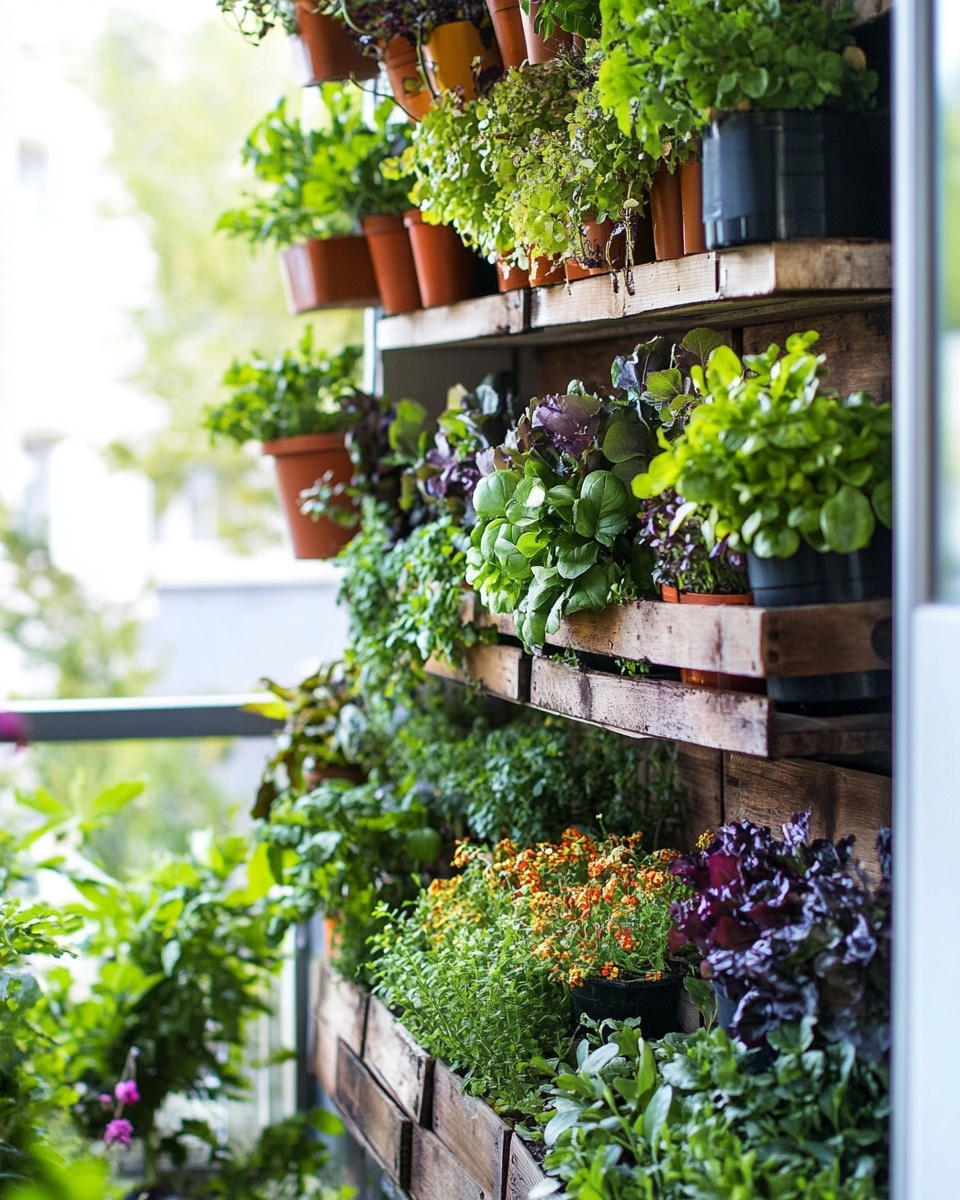
- Vertical Gardens: If tree base space is limited, combine this spill pot idea with a vertical garden. You could have smaller "spill pots" cascading down a wall.
- Balcony Gardens: This spill pot concept works wonderfully on a balcony. Use a sturdy railing or stand to tilt a pot, creating a dramatic overflow effect.
- Explore more space-saving ideas like those discussed in our guide on Vertical Indoor Garden Ideas for Small Spaces.
Creative Ideas & Uses
Beyond the standard spill pot, let your creativity bloom!
- Repurpose Old Items: Don't limit yourself to traditional pots. An old watering can, a vintage wooden bucket, or even a child's forgotten wagon can become the source of your "spill."
- Color Combinations: While purple flowers are stunning, consider adding companion shades. A touch of white (e.g., white alyssum or petunias) or silver foliage (e.g., dusty miller) can make the purple pop even more. Yellow or lime green accents can create a striking contrast.
- Tiered Spill: For a grander display, use two or three pots of varying sizes, with the largest at the bottom, creating a multi-layered spill effect of purple blooms.
- Themed Gardens: Design your tree base garden around a theme. A fairy garden theme could incorporate tiny figurines peeking out from the purple flowers. A minimalist theme might use fewer, more dramatic plants.
- Lighting: Integrate solar-powered fairy lights or small spotlights around your spill pot garden to highlight its beauty and create a magical ambiance at night. This extends the enjoyment of your garden well past sunset. You can gather more inspiration on this via Pinterest, for example: pinterest.com/janatjanay47/.
Common Mistakes to Avoid
Even experienced gardeners make errors; learning from them is key to success.
- Ignoring Drainage Holes: This is perhaps the most critical error. Without proper drainage, roots sit in water, leading to root rot. Studies show that poor drainage is a primary cause of plant death in over 70% of container gardening failures. Always ensure your pot has ample holes.
- Using Garden Soil in Pots: Garden soil is heavy and compacts easily in containers, restricting root growth and drainage. Always use a high-quality potting mix designed for containers; it’s lighter and provides better aeration.
- Underestimating Water Needs: Potted plants, especially those in full sun, require more frequent watering than inground plants. Don't assume rain will suffice. Feel the soil.
- Overcrowding Plants: While it’s tempting to fill every inch for an immediate lush look, overcrowding leads to poor air circulation, increased pest and disease risk, and competition for nutrients. Plants need space to grow to their full potential.
- Neglecting Fertilization: The limited soil volume in a pot means nutrients deplete quickly. Skipping fertilization can result in stunted growth and fewer, smaller blooms.
- Placing Plants with Incompatible Light Needs: Don't mix full-sun loving petunias with shade-loving impatiens in the same pot unless you have a truly unique light scenario. Match your plant choices to the available sunlight.
Maintenance & Storage Tips
Ensuring your spill pot thrives season after season involves a bit of foresight and ongoing care.
- Seasonal Care:
- Spring: As temperatures rise, begin checking soil moisture daily. Start your fertilization routine.
- Summer: Peak growth and flowering period. Deadhead regularly, and you might need to water twice a day during heatwaves.
- Fall: As annuals fade, consider replacing them with cool-season purple flowers like pansies or violas for continued color until frost. Perennials can be cut back and mulched for winter protection if you choose hardy varieties.
- Winter: Store empty pots in a protected area to prevent cracking.
- Dealing with Yellow Leaves: This often indicates either overwatering (leading to root issues) or nutrient deficiency. Check soil moisture first. If the soil is consistently wet, reduce watering. If dry and plants are wilting, increase watering. If neither, consider a quick boost of liquid fertilizer or check soil pH.
- Poor Soil Drainage: If your pot continuously seems waterlogged despite drainage holes, it might be due to compacted soil or blocked holes. Gently poke the holes from below to clear them. If the soil is old, consider repotting with fresh, well-draining mix next season.
- Long-Term Plant Health: For perennial varieties, consider dividing them every few years to rejuvenate growth and create new plants. For annuals, prepare to replace them each spring—a perfect opportunity to try new purple flower combinations!
Conclusion
Transforming that often-overlooked tree base into a captivating spill pot garden is an incredibly rewarding gardening project. Not only does it add a burst of stunning purple flowers to your landscape, but it also demonstrates ingenious problem-solving for challenging garden spots. From selecting the perfect pot and vibrant plant varieties to understanding crucial care routines, you now have the blueprint to create a mesmerizing garden feature that will undoubtedly become a conversation starter. This garden idea elevates your outdoor space, attracting beneficial pollinators and injecting joy into your everyday.
Don’t wait! Grab your tools and start cultivating your own magnificent spill pot today. We’d absolutely love to see your creations. Share your photos and tag us on social media using #SpillPotGardenMagic! Looking to further enhance your gardening skills? Check out some of our other guides for more inspiration and practical advice.
FAQ
Q1: Can I use any type of tree for this spill pot garden idea?
A1: While many trees work, avoid trees known for aggressive, shallow root systems (like silver maples or willows) that might outcompete your purple flowers for water. Trees with deeper root systems or those with a higher canopy for sunlight are ideal.
Q2: What are the best purple flowers for a spill pot that are also low-maintenance?
A2: For low-maintenance options, consider 'Homestead Purple' Verbena, which is drought-tolerant and blooms profusely, or Creeping Phlox for a hardy, early-season cascading display. Both require minimal fuss once established.
Q3: How often should I fertilize my spill pot garden?
A3: If you started with a slow-release fertilizer in your potting mix, supplement with a liquid fertilizer every 2-4 weeks during the active growing season (spring and summer). This ensures your flowering plants have enough nutrients for continuous, vibrant blooms.
Q4: My flowers aren't spilling as much as I hoped. What can I do?
A4: This usually indicates insufficient light or nutrients, or perhaps you chose less vigorous trailing varieties. Ensure they receive at least 6 hours of sun and are regularly fertilized. You might also try gently guiding the stems over the pot's edge. Some trailing plants, like certain petunia varieties, are naturally more aggressive spillers.
Q5: Can I grow vegetables or herbs in a spill pot design?
A5: Absolutely! While this article focuses on stunning purple flowers, the spill pot concept can be adapted. Trailing herbs like prostrate rosemary or thyme, or even cascading tomato varieties, could create a unique and edible spill garden. Just ensure they have ample sunlight and nutrients.
Q6: What if I don't have a tree? Can I still create a spill pot?
A6: Yes! You can place the tilted pot directly on a slope in your garden, at the edge of a raised bed, or even elevate it slightly with sturdy blocks to create the "spill" effect. The key is the tilted pot and cascading plants, regardless of a tree.
Q7: How do I prepare my spill pot garden for winter?
A7: If you used annuals, they will naturally die back with the first hard frost. Remove them and either compost the spent plants or discard them. Clean the pot and store it indoors or in a protected area to prevent freeze-thaw damage. If you used hardy perennials, cut them back and add a layer of mulch for winter protection.
Looking for more ways to enhance your garden?
- Discover the joys of planting your first food sources with our guide on Best Vegetables to Grow for Beginners.
- Get started from scratch and build a thriving veggie patch with How to Start a Vegetable Garden From Scratch.
- Elevate your plant pairings! Learn about beneficial plant interactions in Best Companion Herbs to Grow Together.
- Unlock the secrets to vibrant blooms all year round with tips from Flower Gardening Tips for Every Season.
- Maximize every inch of your green space with inspired ideas for Small Space Flower Garden Design Ideas.