Introduction
Did you know that commercial greenhouse operations can see up to a 60% increase in yield compared to open-field farming for certain crops, even on the same footprint? This striking statistic highlights the incredible potential of controlled environments. Whether you're a seasoned gardener looking to extend your growing season or a beginner just dipping your toes into the verdant world of horticulture, understanding effective Greenhouse Gardening Layout Ideas can dramatically transform your success. It's not just about having a greenhouse; it's about optimizing every square inch to create a thriving ecosystem. This guide will walk you through data-driven strategies and practical tips to design a greenhouse that maximizes space, light, and plant health, making your gardening dreams a reality.
Tools & Materials Needed
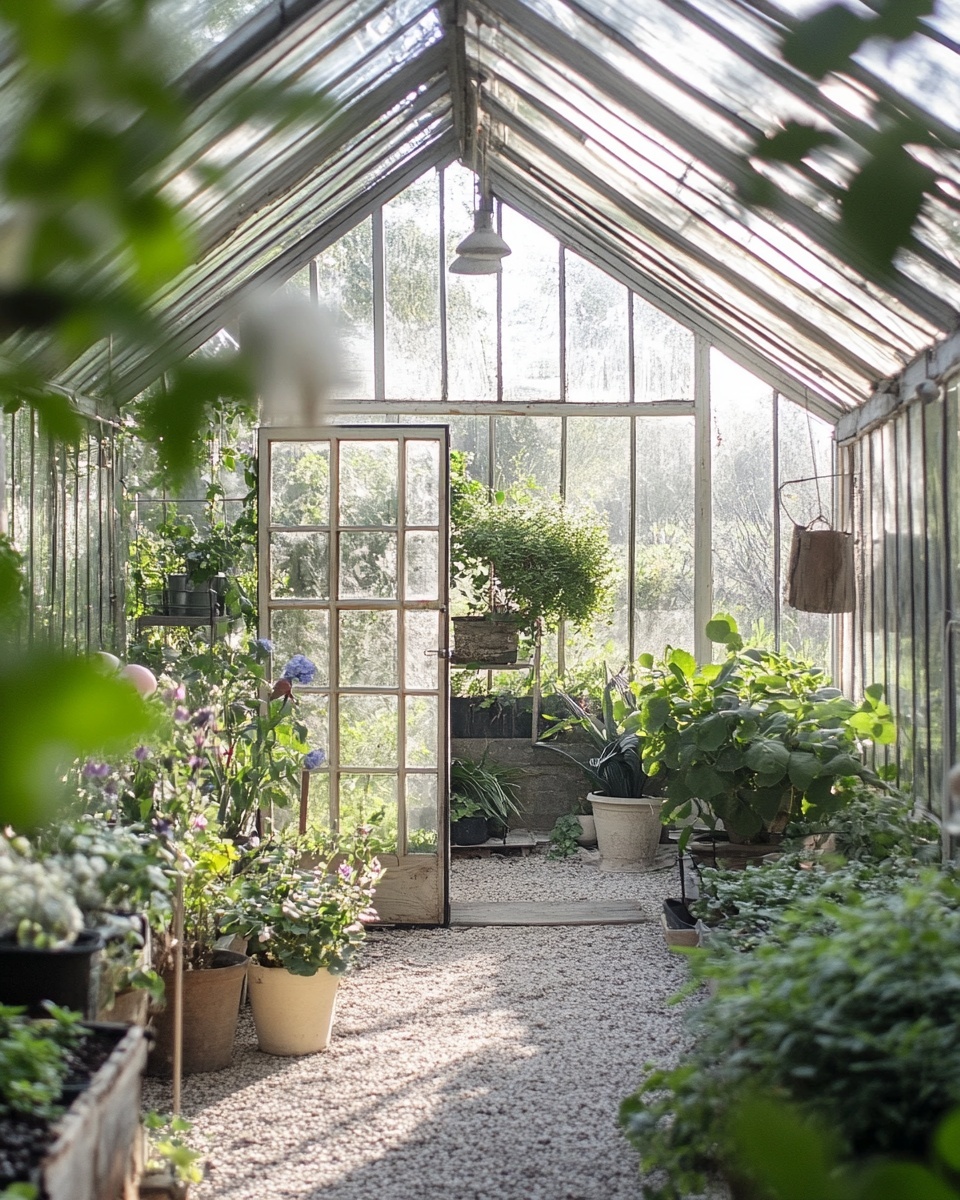
Embarking on your greenhouse optimization journey requires a thoughtful selection of tools and materials. Don’t worry, you don’t need a professional setup from day one; many items can be budget-friendly or even repurposed.
- Shelving Units: Look for adjustable, heavy-duty shelving made from wire or slatted wood. Wire allows for better air circulation and light penetration.
- Eco-friendly alternative: Repurpose old sturdy wooden crates, pallets, or even old bookshelves. Just ensure they are treated for moisture.
- Potting Benches/Work Surfaces: A dedicated space for potting, seeding, and general plant care.
- Budget-friendly alternative: A strong plastic folding table or even a few stacked, sturdy wooden crates can serve as an excellent temporary bench.
- Seed Trays & Pots: Various sizes are essential for starting seeds, transplanting, and growing mature plants.
- Eco-friendly alternative: Biodegradable pots made from peat, coir, or even newspaper pots; reuse plastic nursery pots after sterilizing them.
- Grow Lights (Optional but Recommended): Especially for starting seeds or growing during shorter days. Full-spectrum LED grow lights are energy-efficient.
- Thermometer/Hygrometer: Essential for monitoring temperature and humidity levels within your greenhouse, ensuring optimal conditions.
- Ventilation: Automatic vent openers are fantastic for regulating temperature, but manual vents and circulating fans work too.
- Watering Cans/Hoses with Sprayers: Proper watering tools are crucial for efficient and gentle irrigation.
- High-Quality Potting Mix: A sterile, well-draining mix is vital for healthy plant development. Consider mixes tailored for specific plant types, e.g., seed-starting mix, organic vegetable mix.
- Seeds/Starts: Choose varieties suited for greenhouse growing and your local climate. Research shows disease-resistant varieties thrive best in controlled environments.
- Small Hand Tools: Pruners, trowel, dibber, and gloves make daily tasks easier.
Time & Effort Overview
Optimizing your greenhouse space is an ongoing process, but the initial setup can be accomplished quite efficiently. The time investment for planning your Greenhouse Gardening Layout Ideas typically ranges from 2-4 hours for a small to medium-sized structure, involving measurement and drawing a basic schematic. Actual implementation—setting up shelves, benches, and initial planting—can take anywhere from half a day to a full weekend, depending on your chosen layout complexity and the size of your greenhouse.
Compared to traditional outdoor gardening, greenhouse maintenance can sometimes be more time-intensive initially due to environmental controls (ventilation, heating/cooling), but it often results in less time spent battling pests or unpredictable weather. Many plants grow 30-40% faster in a controlled greenhouse environment than outdoors, meaning quicker harvests but also more frequent watering and nutrient checks. This project is generally at an intermediate difficulty level, as it involves both planning and hands-on work, but beginners can certainly succeed with careful adherence to the steps.
Step-by-Step Gardening Process
1. Assess Your Greenhouse Structure
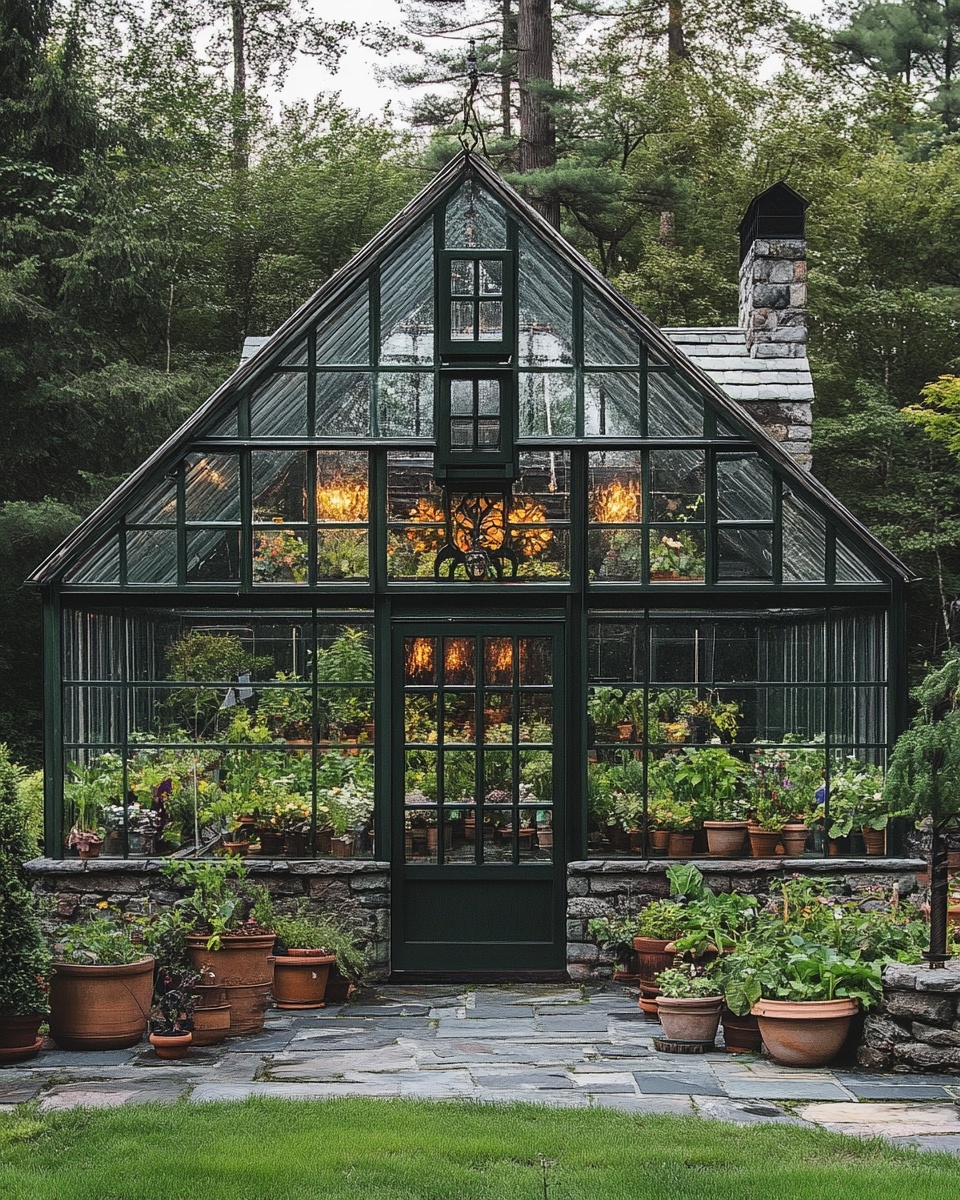
Before laying out Greenhouse Gardening Layout Ideas, understand your greenhouse’s unique features. Note the door placement, vent locations, and points of strongest light. Measure the interior dimensions accurately. Consider the type of greenhouse: lean-to, freestanding, geodesic dome – each has specific advantages and limitations for layout.
2. Prioritize Your Growing Goals
What do you want to grow? Herbs, vegetables, flowers, or a mix? Do you want to propagate seedlings, overwinter tender plants, or grow year-round? Your goals dictate the types of growing stations and the amount of dedicated space needed for each. For example, if you're growing tall indeterminate tomatoes, you'll need vertical space and robust support systems.
3. Maximize Vertical Space with Shelving and Hanging Options
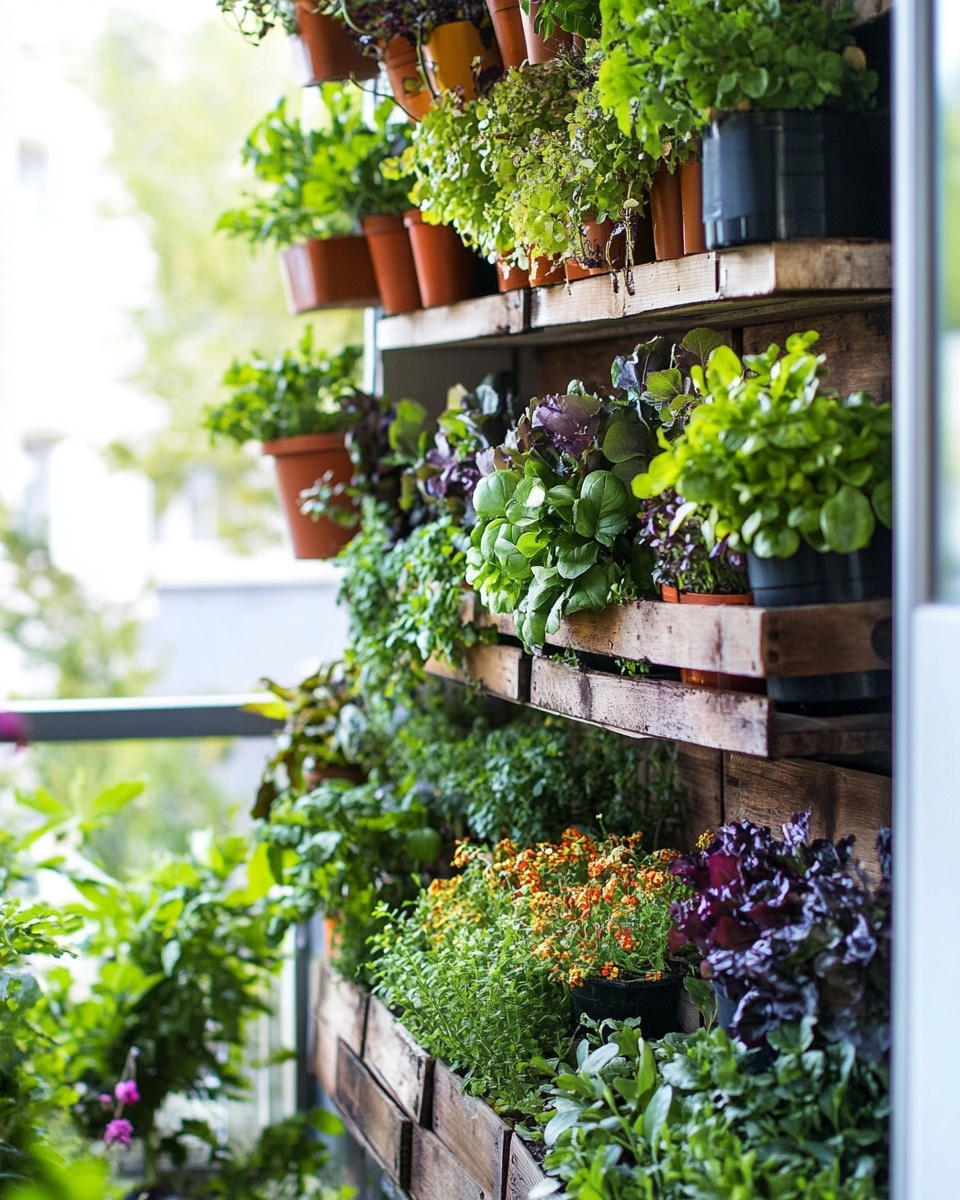
One of the most effective Greenhouse Gardening Layout Ideas is leveraging verticality. Install sturdy shelving units along the walls, graduating in height to accommodate different plant sizes and light needs.
- Overhead Hanging Baskets: Utilize the ceiling space for herbs, leafy greens, or ornamental plants. This keeps them off the benches, freeing up valuable real estate.
- Tiered Shelving: Essential for seedlings and smaller plants. Place light-loving plants on higher shelves and shade-tolerant ones below.
4. Create Dedicated Zones
Divide your greenhouse into functional zones to improve workflow and efficiency.
- Propagation Zone: A warm, humid area often with heat mats and grow lights for starting seeds and rooting cuttings.
- Growing Zone: The main area for larger plants and mature crops.
- Storage/Potting Zone: A designated workbench or potting bench for mixing soil, transplanting, and storing tools and supplies.
- Flex Zone: A movable area that can adapt to seasonal needs, like a temporary hardening-off space.
5. Optimize Walkways and Accessibility
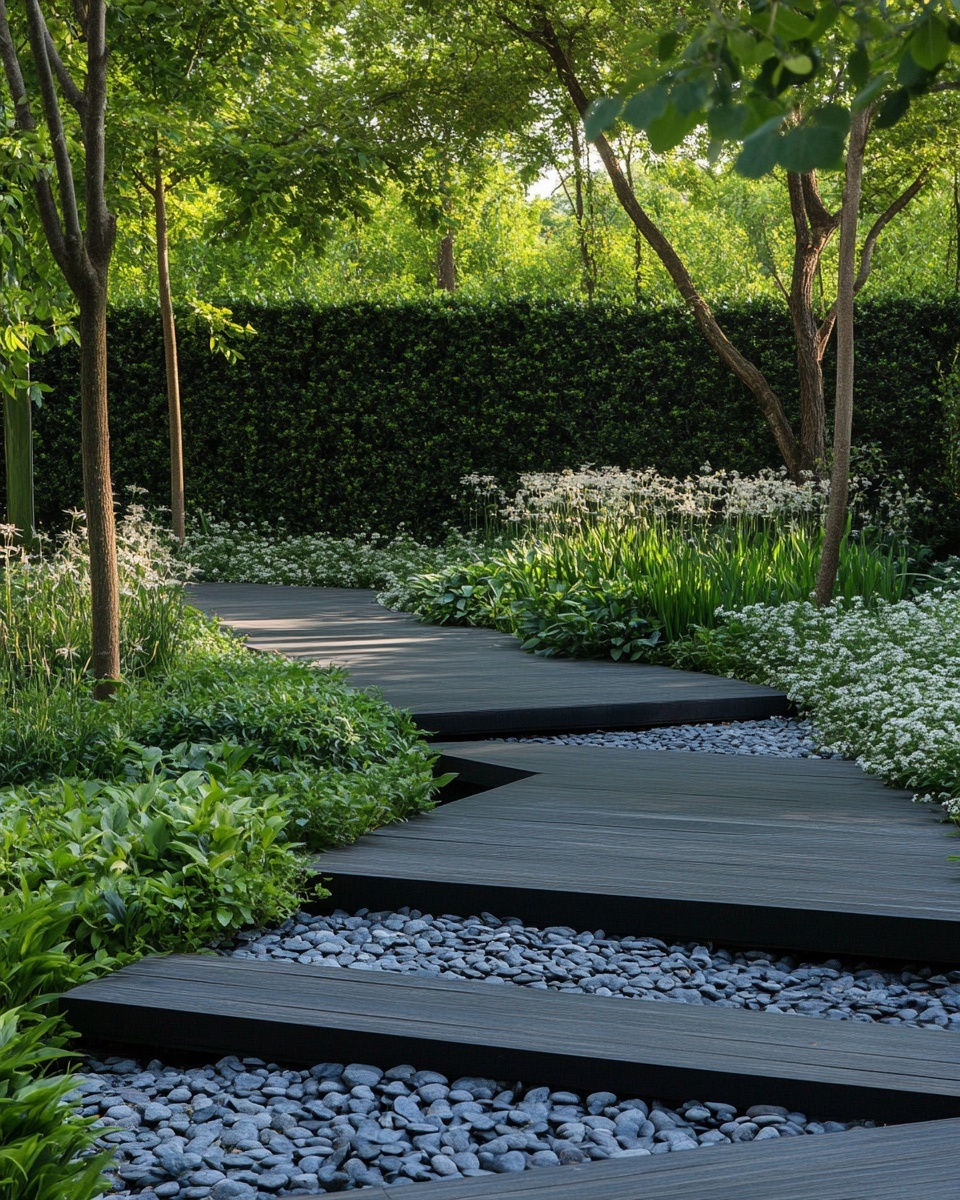
Ensure you have clear, comfortable pathways that allow easy access to all your plants for watering, pruning, and harvesting. A common mistake is cramming too many plants, making maintenance nearly impossible. A central pathway with narrower side paths is a popular and efficient design, often seen in productive Greenhouse Gardening Layout Ideas.
6. Consider Bench and Bed Configurations
- Fixed Benches: Provide stable, long-term growing surfaces.
- Rolling Benches: For larger greenhouses, these can significantly increase growing space by minimizing fixed aisles.
- Raised Beds: Excellent for deep-rooted vegetables, they also help maintain consistent soil temperature and can be highly productive.
- Hydroponic/Aquaponic Systems: If space is truly at a premium, these soil-free systems are incredibly efficient. Modern setups can produce leafy greens with 90% less water than traditional soil methods.
7. Strategic Plant Placement for Light and Airflow
Place plants according to their light requirements. Sun-lovers near the brightest spots, and those needing less direct light in slightly shaded areas. Arrange plants to allow good air circulation around them, which is critical for preventing fungal diseases. Don’t worry if your first arrangement isn’t perfect; it’s all about learning and adapting. If you notice lower leaves not getting enough light, it’s a sign to adjust! Here's how to fix imbalances: simply rotate plants, prune lower leaves, or slightly adjust shelving.
Growth & Care Tips
Successful greenhouse gardening relies on consistent care and attention to detail.
- Watering Frequency: Greenhouse plants often require more frequent watering than outdoor plants due to higher temperatures and lower humidity. Monitor soil moisture daily. The general rule is to water when the top inch of soil feels dry. Drip irrigation systems can provide consistent, efficient watering, reducing water waste by up to 50%.
- Sunlight Exposure: Most vegetables need 6-8 hours of direct sunlight. While greenhouses provide ample light, consider shading for intense summer sun (shade cloth) and supplemental lighting for winter (grow lights).
- Pruning: Regularly prune indeterminate plants like tomatoes and cucumbers to encourage fruit production and maintain plant vigor. This also improves airflow and light penetration.
- Fertilization: Greenhouse plants are heavy feeders. Use a balanced liquid fertilizer every 2-4 weeks, or integrate slow-release granular fertilizers into your potting mix. Organic options like fish emulsion or compost tea are excellent choices.
- Pest Prevention: Greenhouses can be magnets for pests due to stable conditions.
- Inspection: Daily checks for early signs of pests are crucial.
- Good Housekeeping: Remove dead leaves and debris regularly.
- Beneficial Insects: Introduce ladybugs or lacewings to control aphids and other common pests.
- Neem Oil: A natural, organic pesticide for tougher infestations.
- Ventilation: Proper airflow is paramount to prevent diseases like powdery mildew. Automatic vent openers respond to temperature changes, making ventilation effortless. Circulating fans ensure even air distribution.
Eco-Friendly & Sustainable Alternatives
Integrating sustainability into your Greenhouse Gardening Layout Ideas benefits both the planet and your wallet.
- Composting: Start a compost bin to turn kitchen scraps and garden waste into nutrient-rich soil amendment. This significantly reduces household waste and improves soil health.
- Natural Fertilizers: Utilize compost, worm castings, and homemade compost teas instead of synthetic fertilizers. These enrich the soil microbial life and result in healthier plants.
- For more ideas, explore Organic Fertilizer Recipes for Herb Gardens.
- Water Conservation: Install a rainwater harvesting system to collect water for irrigation. Utilize soaker hoses or drip irrigation systems, which deliver water directly to the plant roots, minimizing evaporation.
- Repurposing Materials: Use old tires as planters, plastic bottles for self-watering systems, or reclaimed wood for building benches and raised beds.
- Small Space Solutions:
- Vertical Gardens: Wall-mounted planters, tiered shelves, or stackable containers maximize growing space without a large footprint. This is invaluable, especially in urban settings or compact greenhouses.
- Container Gardening: Virtually any plant can be grown in a container, allowing flexibility in arranging your Greenhouse Gardening Layout Ideas.
- Smart Design: For tiny spaces, consider a "mini-greenhouse" or cold frame for propagation. Explore DIY Mini Greenhouse Ideas for Home Gardeners.
Creative Ideas & Uses
Beyond just growing, your greenhouse can be a hub of creativity and beauty.
- Aesthetic Plant Groupings: Combine plants with varying foliage textures and colors. Think about complementary shapes and sizes to create visually appealing displays. For instance, pair tall, upright tomatoes with trailing nasturtiums.
- Repurpose Decor: Use vintage watering cans as planters, old wooden ladders for vertical display, or antique crates for rustic charm. Visit Pinterest for inspiration, like this board: https://www.pinterest.com/janatjanay47/.
- Theme Zones: Create a "Mediterranean" zone with herbs like rosemary, thyme, and lavender, or a "Tropical" zone with exotic edibles and ornamentals.
- Functional Art: Install a living wall of succulents or air plants. Not only do they look stunning, but they also contribute to the overall air quality.
- Comfort Corner: Even in a small greenhouse, a small folding chair and a narrow table can transform it into a serene reading nook amidst your plants.
Common Mistakes to Avoid
Even experienced gardeners make errors. Being aware of these common pitfalls can save you time, effort, and plant casualties.
- Overcrowding Plants: This is arguably the most frequent mistake. Overcrowding leads to poor air circulation, increased humidity, and fierce competition for light and nutrients. Studies show that proper spacing can reduce fungal disease incidence by up to 40%. Always allow enough space for mature plant growth.
- Inadequate Ventilation: Without good airflow, humidity builds up, creating a perfect breeding ground for fungal diseases like powdery mildew and blight. Over 60% of greenhouse plant diseases are linked to poor ventilation. Ensure cross-ventilation and use fans.
- Inconsistent Watering: Both overwatering and underwatering can be detrimental. Overwatering causes root rot, which accounts for up to 30% of seedling failures. Underwatered plants wilt and become stressed. Develop a regular watering schedule based on plant needs and ambient conditions.
- Ignoring Pest and Disease Monitoring: Pests and diseases can spread rapidly in a greenhouse environment. Neglecting daily inspection allows small problems to become major infestations. Early detection and intervention are key.
- Poor Soil Quality: Using garden soil directly or low-quality potting mix can introduce pests, diseases, and nutrients deficiencies. Always opt for sterile, high-quality potting mix designed for greenhouse use.
- Lack of Light Optimization: Not all areas of your greenhouse receive equal light. Failing to consider light needs when placing plants can stunt growth or cause scorching. Arrange your Greenhouse Gardening Layout Ideas to match plants with their ideal light levels.
Maintenance & Storage Tips
Keeping your greenhouse in top shape ensures a productive and enjoyable gardening experience year-round.
- Yearly Deep Clean: At least once a year, completely empty and thoroughly clean your greenhouse structure. Wash down all surfaces (glass, frame, benches) with a mild disinfectant solution to eliminate lingering pests and pathogens.
- Seasonal Adjustments:
- Spring: Focus on propagation, hardening off seedlings, and preparing beds for summer crops. Ensure heating is ready to taper off.
- Summer: Manage heat and humidity with ample ventilation and shade cloth. Water frequently.
- Autumn: Prepare for winter by insulating, checking heaters, and introducing cool-season crops. Clean up spent summer plants.
- Winter: Focus on frost protection, supplemental lighting, and growing winter greens. Reduce watering frequency. You might find our tips on Greenhouse Gardening in Winter: How to Keep Plants Warm helpful.
- Tool Maintenance: Clean and sharpen your gardening tools regularly. Store them in a dry place to prevent rust.
- Seed Storage: Properly store leftover seeds in cool, dark, and dry conditions (e.g., in airtight containers in a refrigerator) to maintain viability for several years. Humidity and high temperatures dramatically reduce germination rates.
- Addressing Common Issues:
- Yellow Leaves: Often indicates nutrient deficiency, overwatering, or underwatering. Check soil moisture and fertilize if needed.
- Poor Soil Drainage: Amend soil with perlite, vermiculite, or coarse sand to improve drainage. Ensure pots have drainage holes.
- Algae Growth: Common in humid environments. Improve ventilation and inspect watering practices. A diluted hydrogen peroxide solution can help remove it from surfaces.
Conclusion
Designing an efficient and productive greenhouse layout is an exciting and rewarding endeavor. By thoughtfully planning your Greenhouse Gardening Layout Ideas, you can transform your growing space into a year-round haven for plants, maximizing yields and minimizing effort. Remember, every square foot offers potential, and with smart strategies like vertical gardening, dedicated zones, and eco-friendly practices, you're well on your way to becoming a greenhouse master. We hope these data-driven insights empower you to create the greenhouse of your dreams!
Ready to get your hands dirty? Start by sketching out your ideal layout and gradually implement these tips. Share your greenhouse transformation photos on social media and tag #PincraftProGreenhouse! We can't wait to see your flourishing spaces.
FAQ
Q1: How do I maximize light in a small greenhouse?
A1: To maximize light for your Greenhouse Gardening Layout Ideas, use reflective surfaces on walls or under benches, choose clear glazing materials, and keep surfaces clean. Prune plants to prevent self-shading, and strategically place taller plants where they won't block light for shorter ones. Consider supplemental LED grow lights, especially during cloudy periods or in winter.
Q2: What's the best way to control temperature in a greenhouse without electricity?
A2: Passive temperature control involves strategic ventilation, using automatic vent openers that respond to heat, and positioning your greenhouse to capture optimal sunlight. For cooling, use shade cloths during hot months. For warmth, consider thermal mass like water barrels painted black to absorb heat during the day and release it at night.
Q3: How much space should I leave between plants in a greenhouse?
A3: The ideal spacing varies by plant type, but generally, allow enough room for mature plant growth and good air circulation. As a rule of thumb, add 20-30% more space than suggested for outdoor planting to account for vigorous greenhouse growth and disease prevention. Overcrowding is a common issue with Greenhouse Gardening Layout Ideas.
Q4: Can I grow different types of plants together in one greenhouse?
A4: Absolutely! Mixed planting is very common. The key is to group plants with similar needs for temperature, humidity, and light. For example, warm-season vegetables like tomatoes and peppers thrive together, while cool-season crops might need a separate, slightly cooler zone or different seasonal timing.
Q5: What are some good space-saving shelf ideas for greenhouse layout?
A5: Tiered shelving, folding benches, and narrow wall-mounted shelves are excellent for saving space. Consider shelving on casters for flexibility. Hanging baskets and vertical planters also utilize overhead and wall space effectively, which is critical for maximizing your Greenhouse Gardening Layout Ideas. For more details, refer to Space-Saving Greenhouse Shelving Ideas.
Q6: How often should I check my greenhouse for pests?
A6: Daily visual inspections are recommended. A quick check of leaf undersides and new growth can catch pests early, when they are much easier to manage. Early detection is your best defense against widespread infestations in your greenhouse.
Q7: Is it worth investing in a potting bench for a small greenhouse?
A7: Even in a small greenhouse, a potting bench significantly improves efficiency and organization. It provides a dedicated, ergonomic space for tasks, keeping your main growing areas clean and clutter-free. If space is extremely limited, a folding wall-mounted bench or a small, sturdy table can serve the same purpose.
Our guides like Organic Greenhouse Gardening Tips and How to Design a Productive Greenhouse Layout offer even more insights for optimizing your greenhouse. Happy gardening!