Introduction
Did you know that your kitchen scraps and garden waste could be transforming into super-food for your vegetables, boosting yields by up to 30% without a single trip to the store? Many gardeners invest heavily in commercial products, yet the secret to luscious, robust vegetable patches often lies in harnessing the power of homemade fertilizers & compost. These organic concoctions don't just feed your plants; they enrich your soil, foster beneficial microbial life, and contribute to a more sustainable gardening practice. In fact, studies show that gardens utilizing natural soil amendments exhibit significantly higher levels of active soil biology and improved water retention, leading to healthier, more resilient plants especially when using homemade fertilizers. Let's delve into how you can create your own vibrant, nutrient-rich soil food right from your home, taking your vegetable garden to the next level.
Tools & Materials Needed
Crafting your own nutrient-rich homemade fertilizers & compost is surprisingly simple and requires minimal specialized equipment. Think of it as upcycling your kitchen and garden's natural bounty!
- Compost Bin or Pile: This is the heart of your organic fertilizer operation. You can buy a ready-made compost tumbler, construct a simple three-bin system from pallets, or even start a basic pile in a corner of your yard. Eco-friendly alternatives include repurposed trash cans with drilled holes for aeration or even a simple designated area on bare earth. For smaller spaces, a stacked worm farm (vermiculture) is an excellent, compact option that produces rich vermicompost.
- Shovel or Pitchfork: Essential for turning your compost pile, ensuring even decomposition and aeration. A garden fork works wonderfully.
- Gloves: Protect your hands, especially when handling various organic materials.
- Watering Can or Hose: To keep your compost pile moist, which is crucial for microbial activity.
- Measuring Cups/Scoops: Useful for portioning ingredients for specific liquid fertilizers.
- Large Buckets or Containers: For brewing liquid fertilizers like compost tea or collecting food scraps. Five-gallon buckets are perfect.
- Strainer or Cheesecloth: For filtering out solids when making liquid fertilizers, ensuring a clean application.
- "Green" Materials: Nitrogen-rich items like fresh grass clippings, fruit and vegetable scraps, coffee grounds, and tea bags.
- "Brown" Materials: Carbon-rich items such as dry leaves, shredded newspaper, cardboard (unwaxed), straw, and small twigs.
- Wood Ash (untreated wood only): An excellent source of potassium and trace minerals. Ensure it's from pure wood, not treated lumber.
- Eggshells: A fantastic slow-release source of calcium. Crush them thoroughly for best results.
- Banana Peels: Rich in potassium, vital for flowering and fruiting. Chop them up before adding.
- Epsom Salts (Magnesium Sulfate): While not strictly "homemade" in the traditional sense, a small amount can provide a quick boost of magnesium, especially for fruiting plants. Use sparingly.
- Seaweed (optional): If you live near a coast, seaweed offers a wealth of micronutrients. Rinse off salt before use.
When gathering materials, remember the "browns to greens" ratio for composting is ideally 2:1 or 3:1 browns to greens. This balance is key to a fast, efficient decomposition process, leading to nutrient-dense homemade fertilizers & compost.
Time & Effort Overview
Creating your own homemade fertilizers & compost is a rewarding process that integrates seamlessly into a sustainable gardening lifestyle. The time and effort involved vary depending on the chosen method and scale, but it's generally quite manageable for gardeners of all levels.
- Daily/Weekly Effort (Composting): Collecting kitchen scraps is a daily habit, taking mere minutes. Incorporating grass clippings or dried leaves might be a weekly or bi-weekly task after lawn maintenance. Turning a compost pile optimally takes about 10-15 minutes once a week, though some setups can be turned less frequently. This is similar to the time commitment for nurturing a small herb garden or providing regular care for your tomato plants.
- Compost Decomposition Time: A hot compost pile (properly managed with the right brown-to-green ratio, moisture, and aeration) can produce ready-to-use compost in as little as 3-4 months. Slower, passive composting might take 6-12 months. This is significantly faster than waiting for perennial flowers to establish themselves for full bloom.
- Liquid Fertilizer Prep Time: Brewing a batch of compost tea or banana peel fertilizer can take anywhere from 24 hours to a week (for actively aerated compost tea), with hands-on time being only 15-30 minutes for initial setup and filtering.
- Difficulty Level: Generally Beginner to Intermediate.
- Beginner: Anyone can start a simple compost pile or bury kitchen scraps directly near plants. Making basic liquid fertilizers like banana peel tea is also very beginner-friendly.
- Intermediate: Managing a hot compost pile that reaches optimal temperatures and decomposes quickly requires a better understanding of the brown-to-green ratio, moisture levels, and aeration techniques. However, the learning curve is gentle.
- Compared to growing exotic orchids or grafting fruit trees, making your own homemade fertilizers & compost is incredibly forgiving and offers abundant returns for minimal specialized knowledge. The effort you put in will undoubtedly translate into thriving, productive vegetable plants, often outperforming store-bought alternatives in terms of soil health enhancement.
Step-by-Step Gardening Process
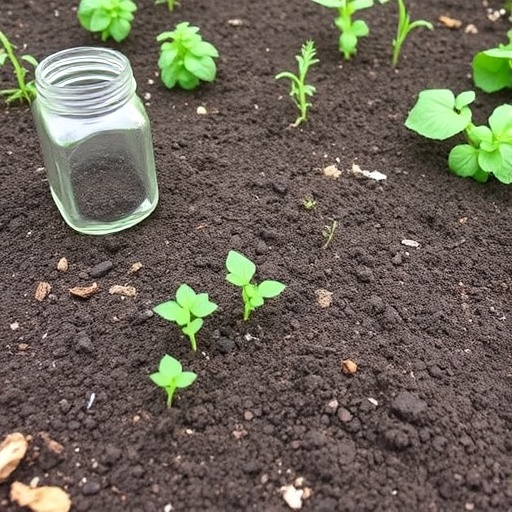
Ready to turn kitchen scraps into garden gold? Here's how to create your own effective homemade fertilizers & compost for vibrant vegetables.
Step 1: Setting Up Your Composting System
First, choose your composting method. For a simple bin, place it in a shaded area to prevent excessive drying. If you're going for a pile, select an easily accessible spot. Ensure good drainage. Start with a layer of "browns" at the bottom for airflow.
Step 2: Collecting and Layering Materials
Gather your greens (fruit/veg scraps, grass clippings) and browns (dry leaves, shredded paper). Aim for a 2:1 or 3:1 brown-to-green ratio. Layer them like a lasagna in your bin or pile. Chop larger items to speed decomposition. Don't worry if your ratios aren't perfect initially; you can adjust later.
Step 3: Maintaining Moisture and Aeration
Your compost pile needs to be moist like a wrung-out sponge, not soaking wet. Water it if it feels dry. Turn the pile with a pitchfork weekly or bi-weekly to introduce air. This crucial step prevents anaerobic decomposition (which smells foul) and quickens the process.
Step 4: Making Nettle or Comfrey Tea (Liquid Fertilizer)
For a powerful liquid feed, chop nettles or comfrey leaves and pack them loosely into a bucket. Fill with water, cover, and let it steep for 2-4 weeks. It will smell, but your plants will love it! Strain the liquid and dilute it 1:10 with water before use. This provides a nitrogen and potassium boost directly to your plants.
Step 5: Crushed Eggshell and Banana Peel Boosters
Don't discard those eggshells! Wash, dry, and finely crush them to release calcium. Bury them directly around the base of calcium-loving plants like tomatoes and peppers to prevent blossom end rot. For potassium, chop banana peels into small pieces and bury them a few inches deep around fruiting vegetables. The soil microbes will break them down, slowly releasing vital nutrients.
Step 6: Using Coffee Grounds and Wood Ash
Fresh coffee grounds are a mild nitrogen source and can be lightly worked into the topsoil around acid-loving plants or composted. Wood ash (from untreated wood) provides potassium and raises soil pH. Use it sparingly – sprinkle a thin layer around plants once or twice a year, especially for root vegetables, but avoid using it near acid-loving plants like blueberries. Over-application can lead to nutrient imbalances.
Step 7: Applying Your Homemade Fertilizers
Once your compost is dark, crumbly, and smells earthy, it's ready! Work it into your garden beds before planting, or top-dress existing plants. For liquid fertilizers, water plants at their base. Apply crushed eggshells and banana peels as slow-release amendments. Observe your plants; they'll tell you what they need!
Growth & Care Tips
Successful gardening with homemade fertilizers & compost hinges on observation and understanding your plants' needs. These tips ensure your vegetables thrive.
- Watering Frequency: Consistent moisture is key for vegetables, especially those fed with organic matter. Compost improves soil structure, enhancing water retention. Aim for deep, infrequent watering rather than shallow, frequent sprinkles. Most vegetables need 1-1.5 inches of water per week, including rainfall. Check soil moisture by sticking your finger an inch or two deep; if it feels dry, it's time to water.
- Sunlight Exposure: Most vegetable plants, particularly those bearing fruit (tomatoes, peppers, squash), require at least 6-8 hours of direct sunlight daily. Leafy greens can tolerate some partial shade. Position your garden beds accordingly.
- Pruning: Pruning can optimize plant energy for fruit production or improve airflow for leafy greens. For tomatoes, prune suckers (small shoots between the main stem and a branch) to direct energy into main fruit-bearing stems. For herbs, regular harvesting acts as pruning, encouraging bushier growth.
- Fertilization Schedule:
- Compost: Incorporate a 2-4 inch layer of finished compost into your garden beds annually, either in spring before planting or in fall after harvest. For established plants, top-dress with an inch of compost every 4-6 weeks during the growing season.
- Liquid Fertilizers (e.g., compost tea, nettle tea): Apply diluted liquid feeds every 2-4 weeks, especially during periods of active growth and fruit/flower development.
- Eggshells: Best applied before planting or as a side-dressing for calcium-demanding plants.
- Banana Peels: Bury chopped peels near root zones every 2-3 months during the growing season.
- Pest Prevention: Healthy plants are more resistant to pests. A diverse soil microbiome, fostered by homemade fertilizers & compost, creates stronger plants less susceptible to attack.
- Companion Planting: Grow specific herbs and flowers near vegetables to deter pests. For example, marigolds deter nematodes, and basil can repel flies and mosquitoes. Learn more about beneficial pairings in our guide on Best Companion Herbs to Grow Together.
- Regular Inspection: Check plants daily for signs of pests. Early detection often allows for manual removal (picking off bugs) or simple organic sprays (neem oil, soapy water) before infestations become severe.
- Crop Rotation: Change where you plant different vegetable families each year to break pest and disease cycles in the soil.
Remember, organic gardening with homemade fertilizers & compost is a journey of continuous learning. Your local climate, specific soil type, and chosen vegetable varieties will all influence the optimal care routine.
Eco-Friendly & Sustainable Alternatives
Embracing homemade fertilizers & compost is a huge step towards eco-friendly gardening, but there's always more you can do to cultivate a truly sustainable haven.
- Advanced Composting Techniques: Beyond basic piling, consider vermicomposting. Worm bins break down food scraps rapidly, producing nutrient-dense worm castings (vermicompost) and "worm tea" (a rich liquid fertilizer). These are incredibly beneficial for vegetable plants. Another option is Bokashi composting, which ferments food waste (including meat and dairy that traditional compost doesn't handle) into a soil conditioner.
- Rainwater Harvesting: Collect rainwater in barrels to water your garden. Rainwater is free of chlorine and other chemicals found in tap water, making it ideal for plants and reducing your reliance on municipal water sources. This is especially beneficial when brewing liquid homemade fertilizers & compost like compost tea.
- Mulching: Apply a thick layer (2-4 inches) of organic mulch (straw, wood chips, shredded leaves) around your vegetable plants. Mulch conserves soil moisture by reducing evaporation (saving up to 50% on watering needs!), suppresses weeds, regulates soil temperature, and slowly breaks down to add organic matter and nutrients to the soil.
- Cover Cropping: During off-seasons, plant cover crops like clover or vetch. These protect the soil from erosion, suppress weeds, and, when tilled into the soil, add significant organic matter and nitrogen, acting as "green manure." This naturally prepares the bed for your next crop of vegetables.
- No-Dig Gardening: Instead of tilling, build up soil layers with organic matter. This preserves soil structure, encourages beneficial soil organisms, and means less back-breaking work. You can create new garden beds by simply layering cardboard, compost, and other organic materials right on top of grass.
- Alternatives for Small Spaces:
- Container Gardening: Many vegetables thrive in pots – think tomatoes, peppers, leafy greens, and even some compact varieties of squash. Use high-quality potting mix enriched with your homemade fertilizers & compost.
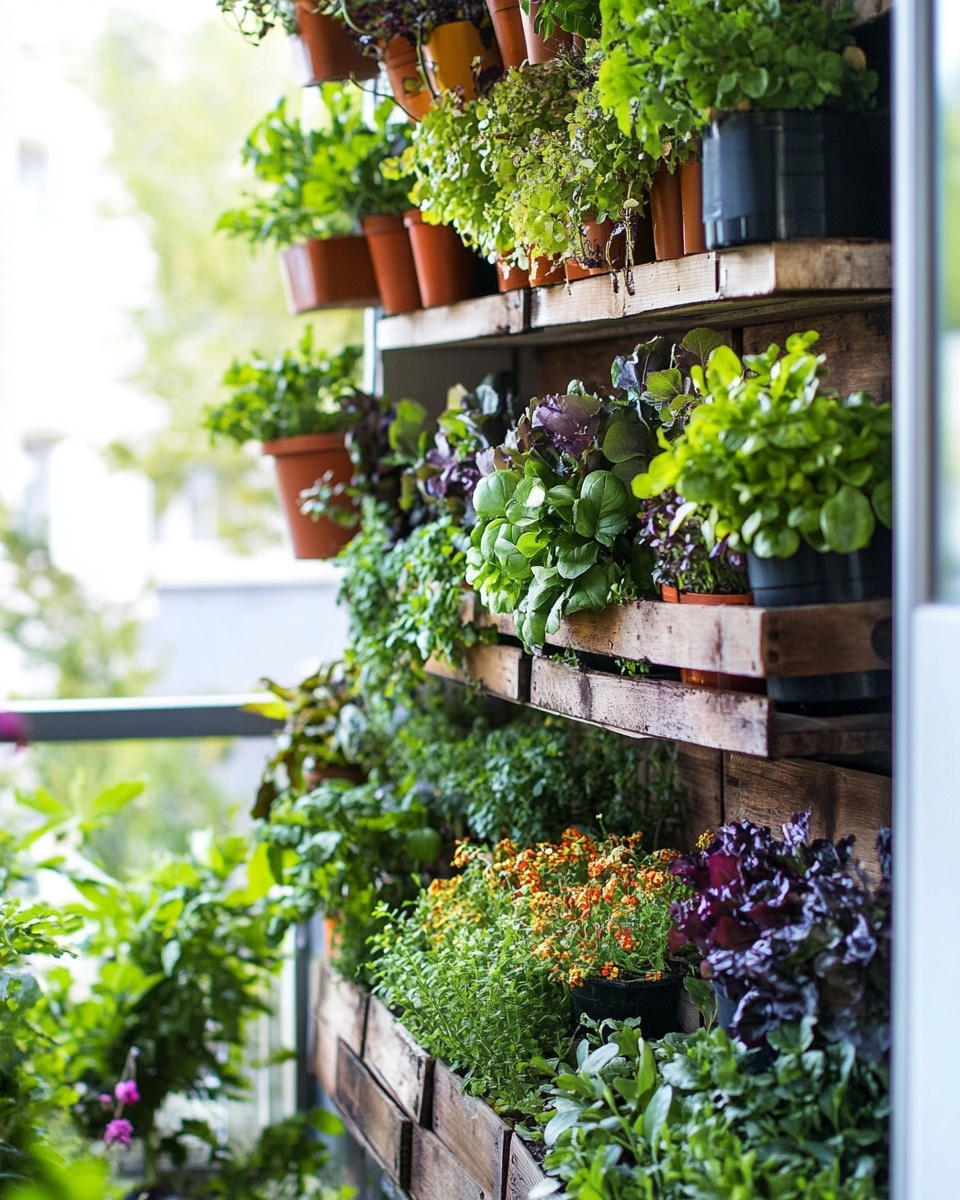
- Vertical Gardens: Maximize your growing area by growing upwards. Vertical planters, pallet gardens, or even repurposed hanging shoe organizers can host herbs and small vegetables. This is perfect for balconies or small patios. Explore ideas for Vertical Indoor Garden Ideas for Small Spaces.
- Community Gardens: If space is truly limited at home, consider joining a local community garden. It's a great way to access more land and connect with fellow gardeners.
- Hydroponics/Aquaponics: For a more advanced and space-efficient approach, these soilless systems use nutrient-rich water (often with natural inputs) to grow plants rapidly indoors.
By integrating these practices, you'll not only produce bountiful harvests of vegetables but also nurture a vibrant, self-sustaining garden ecosystem.
Creative Ideas & Uses
Beyond simply growing food, incorporating homemade fertilizers & compost into your gardening opens up a world of creative possibilities. It's about enhancing your space, connecting with nature, and finding innovative ways to use your garden's bounty.
- Decorative & Edible Landscaping: Instead of strictly segregating vegetables, integrate them into your ornamental beds. Vining plants like squash or cucumbers can cascade over retaining walls or climb decorative trellises. Bright red Swiss chard or purple kale can add vibrant color and texture to perennial borders, all while benefiting from the same organic feeding. Imagine a border of marigolds (which deter pests) interspersed with leafy greens, creating a functional and beautiful display.
- Compost as a Design Element: A well-maintained compost bin or worm farm doesn't have to be hidden away. Consider building an attractive wooden compost enclosure that complements your garden's aesthetic. A sleek compost tumbler can be integrated discreetly into a utility area. This transforms a functional necessity into an intentional part of your garden design.
- Repurposing Materials for Garden Tools and Decor:
- DIY Planters: Old tires, wooden crates, even large tin cans (with drainage holes) can be painted and repurposed into unique planters for your vegetables. Fill them with your nutrient-rich soil and compost blend.
- Liquid Fertilizer Storage: Repurpose attractive glass bottles or ceramic jugs for storing diluted liquid fertilizers like compost tea. Label them clearly and keep them out of reach of children and pets.
- Garden Markers: Use flat stones, broken pottery shards, or even painted wooden spoons as charming, rustic labels for your vegetable rows, clearly identifying which plants are receiving specific homemade fertilizers & compost applications.
- Creating a "Fertilizer Station": Designate a specific, easily accessible area in your garden for all your composting and fertilizer-making activities. This area could have a small workbench, an attractive container for collecting kitchen scraps, and dedicated spots for your compost bin and liquid fertilizer brewing buckets. This streamlines the process and keeps your operations organized.
- Themed Vegetable Gardens with Targeted Feeding: Plan small, themed vegetable patches that benefit from particular homemade fertilizers & compost. For instance, a "Tomato & Pepper Haven" could receive extra crushed eggshells and banana peel amendments. A "Leafy Green Oasis" would thrive on regular compost tea applications and nitrogen-rich coffee grounds.
- Gift-Giving from the Garden: Once you master the art of homemade fertilizers & compost and achieve abundant harvests, consider gifting your surplus vegetables. Jars of homemade pickles, relishes, or even decorative baskets of fresh produce are wonderful, thoughtful presents that showcase the fruits of your labor and commitment to sustainable gardening.
These creative touches not only make your gardening experience more enjoyable but also allow you to express your personality and values through your outdoor space, all supported by the wholesome power of organic soil amendments.
Common Mistakes to Avoid
Even with the best intentions for using homemade fertilizers & compost, certain missteps can hinder your progress. Learning from common pitfalls can save you time, effort, and prevent plant health issues.
- Incorrect Composting Ratios: One of the most prevalent errors is an imbalance of "greens" (nitrogen-rich) and "browns" (carbon-rich) in the compost pile. Too many greens lead to a slimy, smelly pile lacking oxygen. Too many browns result in a slow, dry pile that doesn't decompose efficiently. For instance, a pile with excessive fresh grass clippings will quickly turn anaerobic and odorous, attracting pests. Aim for a 2:1 or 3:1 brown-to-green ratio for optimal breakdown.
- Insufficient Aeration: Neglecting to turn your compost pile is another common mistake. Without adequate oxygen, beneficial aerobic bacteria can't thrive, and decomposition slows dramatically, leading to unpleasant smells and incomplete composting. A study by Cornell University found that regularly turned piles can mature in half the time of unturned piles.
- Adding Inappropriate Materials to Compost: Avoid adding meat, dairy products, oils, fatty foods, diseased plants, or pet waste to your regular compost pile. These can attract pests, create foul odors, and introduce pathogens. Many gardeners also mistakenly add inorganic materials like plastics or treated wood, which won't break down and contaminate your compost. Stick to plant-based materials for your general compost.
- Over-Application of Homemade Fertilizers: While organic fertilizers are generally gentler, it's still possible to overdo it. For example, excessive use of coffee grounds can make soil too acidic for some plants, while too much wood ash can drastically raise soil pH, locking up nutrients. Over-fertilizing, even with organic inputs, can lead to nutrient imbalances or "burn" plants, similar to chemical fertilizers. Always apply in moderation and observe plant response.
- Not Diluting Liquid Fertilizers: Concentrated liquid feeds like nettle or comfrey tea can be too strong for direct application. Applying them undiluted can overwhelm delicate root systems. Always dilute these concoctions, typically at a 1:10 ratio with water, before watering your plants.
- Using Untreated Wood Ash: Only use ash from untreated wood. Ash from treated lumber, charcoal briquettes, or colored paper can contain toxic chemicals that are harmful to plants and soil life.
- Improper Storage of Materials: Leaving food scraps in an open container in your kitchen can attract pests and create odors. Use a lidded container, and empty it into your compost regularly. Likewise, dried leaves or grass clippings should be stored in a dry place until ready for composting to prevent them from becoming waterlogged or blowing away.
- Expecting Instant Results: Organic gardening, especially with homemade fertilizers & compost, is a long-term strategy. Unlike synthetic fertilizers that offer a quick chemical boost, organic amendments work by building soil health, which takes time. Be patient; the results are sustainable and profound for your garden's ecosystem, often leading to more resilient plants in the long run.
By being mindful of these common errors, you can effectively leverage the power of homemade fertilizers & compost to cultivate a thriving and healthy vegetable garden.
Maintenance & Storage Tips
Ensuring the longevity of your homemade fertilizers & compost and the health of your garden requires ongoing attention. Proper maintenance and storage are crucial for maximizing their benefits.
- Compost Maintenance:
- Regular Turning: As mentioned, consistent aeration is vital. Turn your compost pile at least once a week if using a hot composting method. If it's a slower, passive pile, turn it every 2-4 weeks to help break down materials evenly.
- Moisture Check: Periodically squeeze a handful of compost. It should feel like a damp sponge. If it's too dry, moisten it as you turn. If it's too wet, add more "brown" materials like shredded paper or dry leaves.
- Monitoring Temperature: For hot compost, temperatures can reach 130-160°F (54-71°C) in the center. A compost thermometer can confirm this, indicating active decomposition. Cooler temperatures suggest a need for more "greens" or better aeration.
- Troubleshooting: If your pile smells foul, it's likely too wet or lacking air – add browns and turn. If it's not breaking down, it might be too dry or lack nitrogen – add greens and water.
- Storing Finished Compost:
- Once your compost is dark, crumbly, and smells earthy, it's typically ready. Store it in a covered bin or pile to protect it from drying out or becoming waterlogged.
- You can also bag it in burlap sacks or old feed bags for easy transport and application. Properly stored compost will retain its nutrient value for months, even up to a year.
- Storing Liquid Fertilizers (Compost Tea, Nettle Tea):
- These are best used fresh, ideally within a few days of brewing for active compost tea, or within a couple of weeks for fermented teas.
- Store them in opaque, airtight containers in a cool, dark place. The beneficial microbes in compost tea are sensitive to light and temperature fluctuations.
- If a fermented tea develops an extremely strong, putrid odor, it might have gone anaerobic. While still usable, its microbial benefits might be reduced.
- Storing Specific Organic Boosters:
- Crushed Eggshells: Once washed and thoroughly dried, store crushed eggshells in an airtight container at room temperature indefinitely. Moisture can cause mold.
- Banana Peels: Use fresh, chopped banana peels directly. If you have too many, they can be dried in an oven on low heat, then ground into a powder, which stores well in an airtight container.
- Coffee Grounds: Store used coffee grounds in a dry, airtight container. If they become moldy, they can still be added to the compost pile, but avoid direct application to plants.
- Wood Ash: Store completely cool wood ash in a dry, airtight container to prevent it from becoming a solid block if exposed to moisture.
- Solutions for Common Issues:
- Yellow Leaves: Often indicates a nitrogen deficiency (especially lower leaves), overwatering, or nutrient lockout due to pH imbalance. A dose of nitrogen-rich compost tea or fresh compost can help. Check soil moisture.
- Poor Soil Drainage: Heavy clay soils can benefit significantly from annual amendments of generous amounts of homemade fertilizers & compost. The organic matter improves soil structure, creating better aeration and drainage. For existing plants, carefully work compost into the topsoil without disturbing roots, or use it as a thick top-dressing.
- Pest or Disease Problems: Refer back to the section on pest prevention. A healthy soil ecosystem fostered by organic amendments is your best defense. For persistent issues, good sanitation (removing diseased plant parts), beneficial insects, and organic sprays are key.
Consistent maintenance of your organic inputs and keen observation of your plants will ensure a flourishing garden year after year, powered entirely by your dedicated efforts in creating homemade fertilizers & compost.
Conclusion
You’ve embarked on a journey that not only promises a verdant garden but also fosters a deeper connection with nature’s cycles and promotes genuine sustainability. By embracing homemade fertilizers & compost, you're moving beyond mere gardening; you're cultivating life-giving soil, reducing waste, and nurturing your vegetables with the purest, most potent nutrients available. The data consistently shows that gardens enriched with organic amendments yield healthier plants, more robust root systems, and often more flavorful produce. You've learned how simple kitchen scraps and garden waste can be transformed into powerful growth boosters, ensuring your plants thrive without relying on synthetic chemicals.
The benefits extend far beyond your vegetable patch—you're contributing to a healthier planet by reducing landfill waste and fostering biodiversity in your own backyard. Don't wait another season to unlock this incredible potential. Start your composting journey today, brew your first batch of liquid gold, and watch your vegetables flourish like never before. Share your progress with us on social media using #HomemadeGardenGold, and let's inspire a community of sustainable growers!
Ready to dig deeper into the world of organic gardening? Check out these related guides to further enhance your green thumb:
- For more specific organic feeding, explore Organic Fertilizer Recipes for Herb Gardens.
- If you're just starting your vegetable growing journey, don't miss our comprehensive guide on How to Start a Vegetable Garden from Scratch.
- Discover which varieties thrive in compact spaces with Best Vegetables to Grow for Beginners.
FAQ
Q1: Can I really get enough nutrients for all my vegetables from only homemade fertilizers & compost?
Absolutely! A well-maintained compost pile, supplemented with specific homemade fertilizers & compost like banana peels for potassium and eggshells for calcium, can provide a comprehensive array of macro and micronutrients for most vegetables. The key is diversity in your organic inputs. Commercial organic growers rely heavily on these natural amendments, often achieving superior yields and plant health compared to conventional methods.
Q2: My compost pile smells terrible. What am I doing wrong?
A foul odor (like rotten eggs) almost always indicates a lack of oxygen or too much 'green' material. Your pile is likely too wet, or it needs to be turned. Add more 'brown' materials like dry leaves or shredded newspaper, and make sure to turn the pile regularly to aerate it. This will help beneficial aerobic bacteria do their work.
Q3: How often should I apply homemade fertilizers to my vegetable garden?
For general enrichment, apply finished compost as a 2-4 inch layer before planting in spring and/or fall. For established, actively growing vegetables, top-dress with 1 inch of compost every 4-6 weeks. Liquid homemade fertilizers & compost like compost tea can be applied every 2-4 weeks during peak growing periods to provide a quick nutrient boost. Always observe your plants for signs of nutrient deficiencies or excess.
Q4: Can I use all kitchen scraps for homemade fertilizers & compost?
Most fruit and vegetable scraps, coffee grounds, and tea bags are excellent for
composting. However, avoid meat, dairy, oily foods, and pet waste in your traditional compost pile, as they can attract pests and create odor. For these, consider specialized methods like Bokashi composting or a vermicomposting setup.
Q5: Is it better to buy organic fertilizers or make my own?
While commercial organic fertilizers offer convenience, making your own homemade fertilizers & compost is often more cost-effective, reduces waste, and fully integrates into a sustainable gardening ethic. You have complete control over the ingredients, ensuring purity. Plus, the act of composting actively improves your garden's soil microbiome long-term, which store-bought bags often can't replicate.
Q6: How do I know if my homemade compost is ready to use?
Finished compost should be dark brown or black, crumbly, and have a pleasant earthy smell. You shouldn't be able to easily identify the original ingredients, though a few larger pieces are fine. If it still contains discernible food scraps or smells sour, it needs more time to decompose.
Q7: What are some quick, easy homemade fertilizers for immediate plant boosts?
For an immediate boost,
- Compost Tea: Steep finished compost in water for 24-48 hours (aerated is best), then dilute and apply.
- Banana Peel Tea: Soak chopped banana peels in water for a few days for a potassium-rich liquid.
- Epsom Salts solution: A quick, mild solution (1 tablespoon per gallon of water) can provide magnesium, great for peppers and tomatoes, but use sparingly.
These can provide quick-acting nutrients while your long-term homemade fertilizers & compost continue to break down and enrich your soil. For more visual inspiration and gardening tips, don't forget to visit our friends over at https://www.pinterest.com/janatjanay47/.