Introduction
Ever found yourself dreaming of a tranquil poolside oasis, a haven of relaxation where nature thrives, but dreading the endless hours of maintenance? Many homeowners envision stunning outdoor spaces, only to get bogged down by the perceived effort of keeping them pristine. What if I told you that creating a breathtaking low-maintenance pool landscape is not only achievable but can also significantly enhance your outdoor living experience without demanding all your free time? The secret lies in strategic planning and smart plant choices, making mindful landscaping ideas your best friend. This guide will help you craft a beautiful, resilient poolside environment that offers maximum enjoyment with minimal upkeep. Forget the myth that gorgeous gardens require constant work; it's time to redefine your approach to outdoor design.
Tools & Materials Needed
Embarking on your low-maintenance pool landscape journey requires a thoughtful selection of tools and materials. Choosing the right items from the start can save you significant time and effort in the long run.
- Shovel and Trowel: Essential for digging planting holes and working with soil. Consider ergonomic options for comfortable use during larger projects.
- Pruning Shears/Loppers: For trimming branches and shaping plants. Bypass pruners create cleaner cuts, promoting healthier plant growth.
- Wheelbarrow or Garden Cart: Invaluable for transporting soil, mulch, and plants around your yard.
- Gardening Gloves: Protect your hands from thorns, dirt, and potential irritants.
- Measuring Tape: Crucial for planning plant placement and ensuring adequate spacing.
- Garden Hose with Sprayer Nozzle: For efficient and controlled watering. Opt for a durable, kink-resistant hose.
- Rake: For spreading mulch or leveling soil.
- Appropriate Plants: Select drought-tolerant, disease-resistant, and slow-growing varieties suitable for your climate. (More on this later!)
- High-Quality Weed Barrier Fabric: An eco-friendly alternative to chemical weed control, significantly reducing future maintenance.
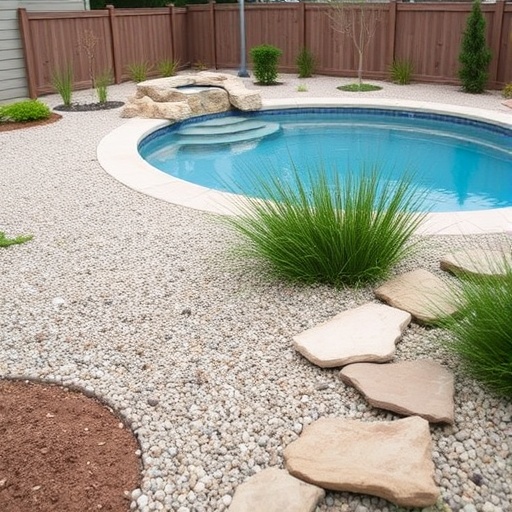
- Organic Mulch (Wood Chips, Bark, or Gravel): Suppresses weeds, retains soil moisture, and moderates soil temperature. Budget-friendly options include recycled wood chips often available from local arborists.
- Quality Potting Mix/Compost: If planting in containers or amending existing soil, choose a well-draining, nutrient-rich blend. For a budget-friendly option, start a compost pile using kitchen scraps and yard waste.
Time & Effort Overview
Designing and implementing a low-maintenance pool landscape is a rewarding project, but it’s important to set realistic expectations regarding time and effort. Initial setup will naturally require more dedication, but the long-term benefits of reduced upkeep are substantial.
Expect the initial planning phase, including research and design, to take 2-4 weeks, depending on the complexity of your vision. The actual installation, from preparing the ground to planting and mulching, can range from 3-7 days for an average-sized pool area, especially if you tackle it yourself. If hiring professionals, this timeline will largely depend on their schedule.
Compared to a traditional garden filled with high-water plants or annuals, a low-maintenance poolside design typically requires 70% less watering and 50% less pruning after establishment. For instance, growing native drought-tolerant grasses takes significantly less water than a high-maintenance perennial bed, which might need daily attention in peak summer. This approach is decidedly intermediate in difficulty for DIY enthusiasts, primarily due to the initial planning and plant selection. However, with good guidance (like this article!), a determined beginner can certainly succeed.
Step-by-Step Gardening Process
Planning Your Layout and Plant Selection
Begin by observing your pool area throughout the day. Note sun exposure, shade patterns, and prevailing winds. This data is critical for choosing the right plants. Sketching your design helps visualize the space – where will plants go, what paths will be used, and how will water interact with the desired landscaping ideas? Focus on drought-tolerant, native plants that naturally thrive in your local climate. Research shows that native plants require up to 80% less water once established than non-native species.
Preparing the Soil
Good soil is the foundation of a healthy garden. Even for low-maintenance plants, proper soil preparation is key. Remove any existing weeds and debris. Dig down about 6-12 inches, then amend the soil with organic matter like compost. This improves drainage and nutrient content. Don’t worry if your soil isn’t perfect; a mix of 50% native soil and 50% high-quality compost often works wonders. Test your soil pH with a simple kit; most plants prefer a slightly acidic to neutral pH (6.0-7.0).
Installing the Weed Barrier
This is a crucial step for reducing future maintenance. Lay down a high-quality weed barrier fabric over the prepared soil, cutting holes where your plants will go. Overlap edges by at least 6 inches to prevent weeds from sneaking through. This physical barrier significantly reduces weed growth, saving you hours of weeding later.
Strategic Planting
Carefully unpot your chosen plants, gently loosening any coiled roots. Dig a hole twice as wide as the root ball and just as deep. Place the plant in the hole, ensuring the top of the root ball is level with the surrounding soil. Backfill with prepared soil, gently tamping it down to remove air pockets. Water thoroughly after planting to help settle the soil around the roots. Remember, proper spacing according to mature size prevents overcrowding and promotes air circulation.
Applying Mulch
After planting, apply a 2-4 inch layer of organic mulch across the entire planted area. This step is a game-changer for low-maintenance landscaping ideas. Mulch suppresses remaining weeds, retains soil moisture (reducing watering frequency by up to 50%), and regulates soil temperature, protecting roots from extreme heat or cold. Keep mulch a few inches away from plant stems to prevent rot.
Growth & Care Tips
Consistent, thoughtful care is essential, even for low-maintenance plants.
- Watering Frequency: For newly planted landscapes, water deeply 2-3 times a week for the first few weeks, then gradually reduce frequency. Once established, most drought-tolerant plants require watering only once every 1-2 weeks, or even less during cooler months. Always check soil moisture before watering – stick your finger about 2 inches into the soil; if it feels dry, it's time to water. Overwatering accounts for root rot in 60% of plant failures, so err on the side of underwatering rather than overwatering.
- Sunlight Exposure: Ensure your plants receive their required sunlight. Full sun plants need 6+ hours of direct sun, while partial shade plants need 3-6 hours. Observational data shows that plants receiving optimal sunlight for their species are 30% more resilient to pests and diseases.
- Pruning: Minimal pruning is a hallmark of low-maintenance plants. Prune only to remove dead or diseased branches, shape the plant lightly, or promote flowering. Do this during the dormant season or after flowering to avoid stressing the plant.
- Fertilization: Many low-maintenance plants, especially natives, thrive with minimal or no fertilization. If your soil analysis indicates a deficiency, opt for a slow-release organic fertilizer once a year in spring.
- Pest Prevention: Healthy plants are naturally more resistant to pests. Regularly inspect your plants for signs of distress. Early detection can prevent major infestations. Consider eco-friendly deterrents like neem oil or insecticidal soap for common pests. Companion planting with pest-repellent herbs like lavender or rosemary can also be effective.
Eco-Friendly & Sustainable Alternatives
Embracing sustainability in your pool landscaping not only benefits the environment but often reduces long-term costs and maintenance.
- Composting: Start a compost bin! Divert kitchen scraps and yard waste to create nutrient-rich soil amendments for free. This reduces landfill waste and enriches your garden naturally.
- Natural Fertilizers: Instead of synthetic chemicals, use compost tea, worm castings, or aged manure to boost soil health. These improve soil structure and microbial activity without runoff concerns.
- Water Conservation: Implement drip irrigation or soaker hoses to deliver water directly to plant roots, minimizing evaporation. Collect rainwater via rain barrels for landscape use. Strategic placement of mulch (as mentioned earlier) is a critical water-saving practice.
- Native and Drought-Tolerant Plants: Prioritize flora indigenous to your region. These plants are naturally adapted to local conditions, requiring less water, fertilizer, and pest control. Choosing the right plants is fundamental to successful landscaping ideas around your pool.
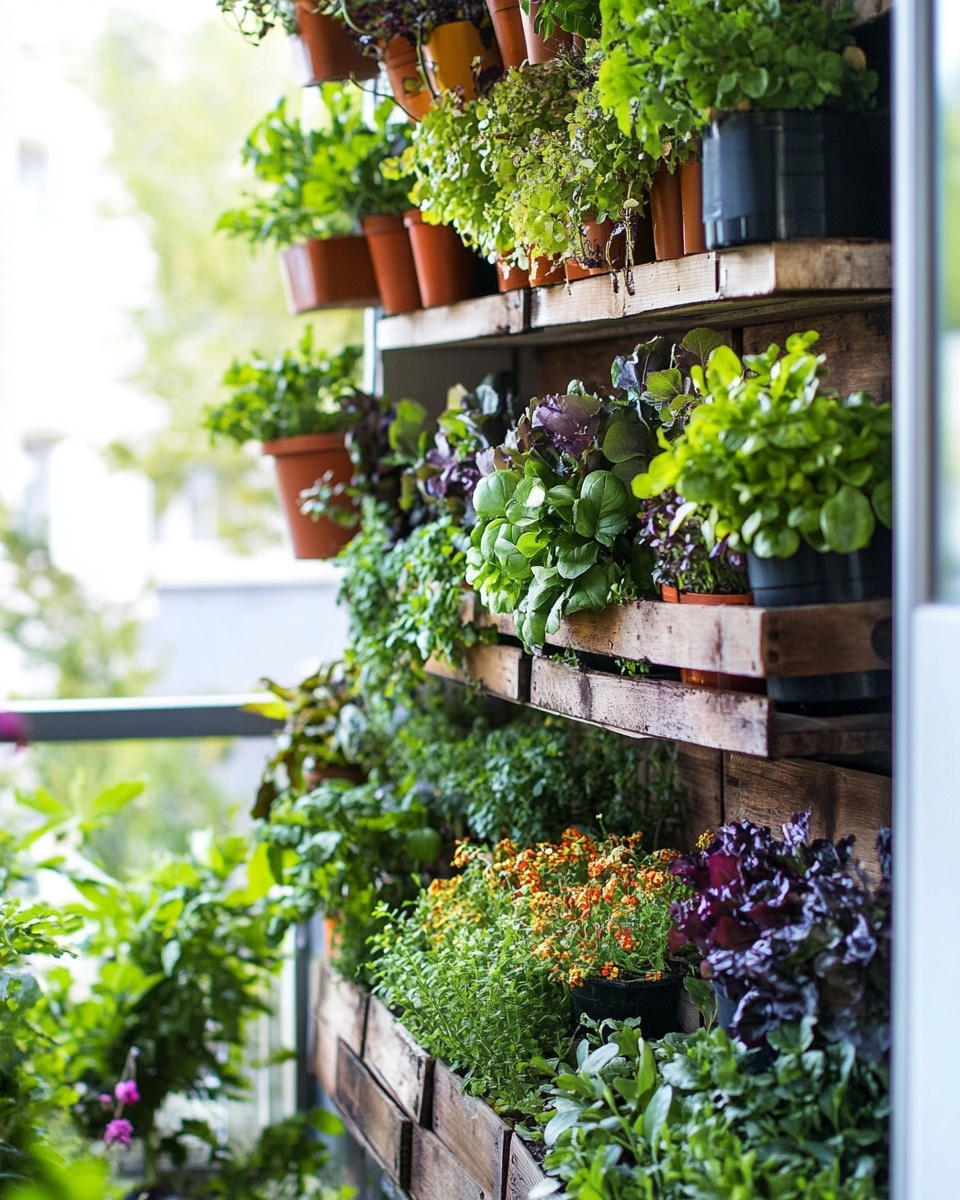
- Alternatives for Small Spaces: Don't have a sprawling yard? Vertical gardens using climbing plants on a trellis or wall-mounted planters can add lushness without taking up ground space. Balcony gardens with container-friendly shrubs or herbs are also excellent solutions. Explore creative solutions like hanging baskets with cascading succulents. For tiny areas, consider creating a DIY indoor herb garden for small kitchens or growing succulents indoors without overwatering for a touch of green inside too.
Creative Ideas & Uses
Transforming your poolside into an enchanting retreat involves more than just plants. Thoughtful design elements elevate the space.
- Decorate with Plants: Use varying plant heights and textures to create visual interest. Tall, slender grasses or palms around the perimeter offer privacy and a sense of enclosure. Low-growing groundcovers can soften hard edges. Consider colorful foliage plants for year-round appeal; a purple fountain grass or a variegated agave can add striking contrast.
- Repurpose Garden Materials: Old wooden crates can be stacked and transformed into unique vertical planters. Smooth river stones collected during a hike can be used as decorative mulch around key plants or to create a dry creek bed feature. Tarnished metal items like watering cans or decorative gates can provide rustic charm.
- Combine Plants Aesthetically: Group plants with similar light and water needs for easier care. Think about color palettes: a monochromatic scheme of greens mixed with different textures creates a serene, sophisticated look, while pops of vibrant flowers can add energy. For instance, pairing the architectural form of agave with the soft, flowing texture of sedum creates a dynamic contrast. Incorporating elements like a small sculpture or a stylish bird bath adds focal points to your landscaping ideas.
Common Mistakes to Avoid
Even with the best intentions, gardeners can make errors that compromise the low-maintenance aspect of their pool landscape.
- Overwatering Established Plants: This is perhaps the most common mistake, especially with drought-tolerant varieties. As mentioned, overwatering causes root rot in over 60% of plant failures. Always check soil moisture before adding more water.
- Ignoring Sunlight Requirements: Placing shade-loving plants in full sun or vice versa leads to stunted growth, burnt leaves, or leggy, sparse plants. This directly increases maintenance as you'll be constantly battling plant stress.
- Choosing High-Maintenance Plants: Opting for plants that require frequent deadheading, heavy feeding, or constant pruning defeats the purpose of a low-maintenance design. For example, some rose varieties demand rigorous care, unlike resilient succulents or ornamental grasses.
- Skipping Weed Barrier or Mulch: These are your best friends in reducing weed pressure. Neglecting them guarantees more time spent on tedious weeding, which can easily overshadow the enjoyment of your pool area. Expert landscapers note that a proper mulch layer reduces weeding by up to 75%.
- Planting Too Closely: While tempting to achieve instant fullness, plants need space to grow to their mature size. Overcrowding leads to poor air circulation, increased disease susceptibility, and competition for resources, requiring more pruning and intervention.
- Poor Drainage: Ensure your planting areas have adequate drainage. Pools often have compacted soil from construction. If water pools after rain, amend the soil with plenty of organic matter or consider raised beds. Poor drainage can lead to root rot and weak plants.
Maintenance & Storage Tips
Maintaining your low-maintenance pool landscape is about consistency, not intensity.
- Long-Term Plant Health: Conduct an annual "health check" in spring. Remove any dead branches, refresh mulch, and assess overall plant vigor. Address any minor issues before they become major problems.
- Seasonal Care: Adjust watering schedules seasonally. Plants need less water in cooler, dormant months. Protect sensitive plants from winter frost with covers or by bringing them indoors if they are in pots. For example, some succulents might need protection from heavy rain during their dormant season to prevent rot.
- Dealing with Yellow Leaves: Yellow leaves often signal overwatering, nutrient deficiency, or pest issues. Check moisture first. If the soil is dry, fertilize lightly. If wet, let it dry out. Inspect for pests, and address accordingly.
- Poor Soil Drainage Solutions: If you find your soil still drains poorly despite initial amendments, consider adding gypsum (for clay soils) or incorporating more coarse organic matter like perlite or small gravel. For severe issues, revamping a small section into a raised bed can be a highly effective solution, providing excellent drainage control. You might also want to look at a guide for how to grow tomatoes in pots to understand soil and drainage in container gardening.
Conclusion
Creating a low-maintenance pool landscape is not just a dream but a highly achievable reality. By thoughtfully planning your design, carefully selecting drought-tolerant plants, and implementing smart strategies like weed barriers and mulching, you can craft a beautiful and resilient outdoor space that demands minimal effort. These landscaping ideas transform your poolside into a serene retreat, allowing you more time to relax and less time on upkeep. The beauty of a well-designed, low-maintenance garden lies in its ability to provide constant enjoyment without constant demands.
Ready to transform your poolside? Grab your shovel and start planning today! Share your before and after photos with us in the comments below, or tell us about your favorite low-maintenance plants. For more inspiration on creating easy-to-care-for green spaces, explore our related guides.
FAQ
Q1: What are the best plants for a low-maintenance pool landscape?
A1: Focus on drought-tolerant, native plants that suit your climate. Examples include ornamental grasses (like Fountain Grass or Blue Fescue), succulents (Agave, Sedum), Mediterranean herbs (Lavender, Rosemary), certain palms, and low-growing shrubs like Dwarf Indian Hawthorn. These plants require minimal watering and pruning.
Q2: How often should I water my low-maintenance pool plants?
A2: Once established, most low-maintenance plants need deep watering 1-2 times a week during hot, dry periods, and even less frequently during cooler months. The key is to check the soil moisture before watering; only water when the top 2-3 inches of soil are dry.
Q3: Can I use artificial turf to reduce maintenance around my pool?
A3: Yes, artificial turf is an excellent low-maintenance option for areas where natural grass would struggle or require too much upkeep. It provides a lush green look year-round and eliminates the need for mowing, watering, and fertilizing, greatly enhancing your landscaping ideas.
Q4: What's the biggest mistake people make with low-maintenance landscaping?
A4: The most common mistake is overwatering. Many homeowners assume all plants need frequent watering, but drought-tolerant species can suffer from root rot with excessive moisture. Incorrect plant selection (choosing high-maintenance species) is another frequent pitfall.
Q5: How can I keep weeds away from my pool area without chemicals?
A5: A combination of a high-quality weed barrier fabric and a thick layer (2-4 inches) of organic mulch (wood chips, bark, or gravel) is highly effective. Hand-pulling any stray weeds immediately also prevents them from establishing.
Q6: Are there any shade-tolerant options for low-maintenance poolside landscaping?
A6: Absolutely! Consider plants like Hosta (for non-swimming areas, as fallen leaves can be messy), ferns (e.g., Holly Fern, Autumn Fern), Mondo Grass, or some varieties of Liriope. These offer lush greenery even in shadier spots.
Q7: How much does a low-maintenance pool landscape typically cost?
A7: Costs can vary widely based on plant choices, the size of your area, and whether you DIY or hire professionals. However, by optimizing for low-maintenance plants and materials like mulch, you can significantly reduce long-term costs associated with water consumption, fertilizers, and professional gardening services.
You may also enjoy reading about easy indoor gardening setup for beginners, discovering the best low light indoor plants for every room, and exploring various creative indoor plant decor ideas. For further inspiration on garden design, check out collections like this one on Pinterest: https://www.pinterest.com/janatjanay47/