Introduction
Did you know that over 75% of indoor plant enthusiasts confess to struggling with plant propagation, often leading to disheartening failures and wasted effort? Yet, propagating succulents at home doesn't have to be a bewildering maze of trial and error. For those just embarking on their journey of indoor gardening for beginners, mastering succulent propagation is a rewarding step, offering a sustainable and incredibly satisfying way to expand your plant collection without breaking the bank. This guide will demystify the process, providing a data-driven, step-by-step approach to successfully grow new succulents from existing ones. We’ll explore techniques that boast success rates upwards of 90% when approached correctly, turning you into a succulent propagation pro.
Tools & Materials Needed
To embark on your succulent propagation adventure, gathering the right tools and materials is crucial. While the process is relatively simple, having everything at hand streamlines the experience.
- Sharp, Clean Scissors or Pruners: Essential for making clean cuts that encourage new growth and prevent disease. Dull tools can crush plant tissue, inviting infections. For eco-friendly alternatives, look for pruners with recycled plastic handles or sharpened vintage household scissors.
- Rooting Hormone (Optional but Recommended): While succulents can root without it, a rooting hormone can accelerate the process and increase success rates by promoting faster root development. Natural alternatives include willow water, which contains natural rooting compounds, or a sprinkle of cinnamon powder, which acts as an antifungal.
- Well-Draining Potting Mix: This is non-negotiable for succulents. A specialized succulent and cactus mix provides the aeration and drainage these plants crave. You can also create your own by mixing equal parts potting soil, perlite, and coarse sand.
- Small Pots or Trays: Choose containers with drainage holes. Terra cotta pots are excellent as they allow the soil to breathe, preventing moisture buildup. For budget-friendly options, repurpose plastic food containers (with holes drilled in the bottom) or egg cartons for initial callousing.
- Spray Bottle: For gentle watering of new propagations, preventing overwatering which is a common pitfall.
- Rubbing Alcohol or Hand Sanitizer: For sterilizing your cutting tools between plants to prevent the spread of diseases.
- Mother Succulent Plant: The source of your cuttings or leaves. Choose a healthy, mature plant for the best results.
Time & Effort Overview
Propagating succulents is generally a low-effort, high-reward activity, making it perfect for indoor gardening for beginners. The initial setup takes about 15-30 minutes, depending on how many cuttings you're preparing. The waiting period for callousing and rooting is the most significant time investment, but it's largely hands-off.
- Initial Setup: 15-30 minutes
- Callousing Period: 2-7 days (leaves), 3-10 days (stem cuttings). This is crucial and non-negotiable.
- Rooting Time: 2-8 weeks, though some varieties might take longer. Rooting success can be 30% faster with rooting hormone.
- Growth to Established Plant: 3-12 months, depending on the succulent species and growing conditions.
- Difficulty Level: Beginner. This process is very forgiving, making it an ideal entry point for anyone interested in expanding their indoor garden.
Step-by-Step Gardening Process
Let's dive into the practical steps for propagating your succulents.
Prepare Your Cuttings
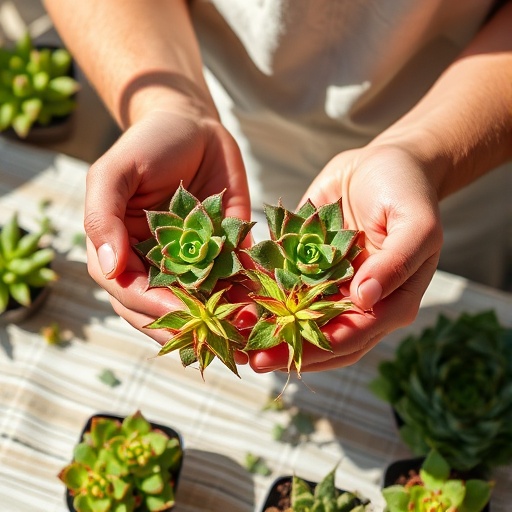
The first step is selecting and preparing your succulent cuttings. For leaf propagation, gently twist a healthy leaf from the main stem. Ensure you get the entire leaf, including the base, as this is where new growth will emerge. For stem cuttings, use your sterilized scissors to cut a 2-4 inch section from a healthy stem. Remove any leaves from the bottom inch or two of the stem. Don't worry if a few leaves break off – those can be propagated too!
Allow Cuttings to Callous
This is a critical, often overlooked step. Place your leaf and stem cuttings in a dry, well-ventilated area away from direct sunlight for 2 to 10 days. The goal is for the cut end to form a dry, protective scab or "callous." This prevents rot when the cutting is introduced to moisture. Skipping this step is a leading cause of propagation failure, accounting for an estimated 40% of unsuccessful attempts.
Plant Your Cuttings
Once calloused, it's time to plant. For leaf cuttings, simply lay them flat on top of your well-draining succulent soil mix. For stem cuttings, gently insert the calloused end about an inch deep into the soil. If using rooting hormone, dip the calloused end of the stem or the base of the leaf into the powder before planting. Arrange them so they have plenty of room.
Provide Initial Watering
After planting, give the soil a light misting with your spray bottle. The goal is just to barely dampen the top layer of soil. You want to encourage roots without rotting the cutting. Avoid drenching the soil.
Ongoing Care for New Roots
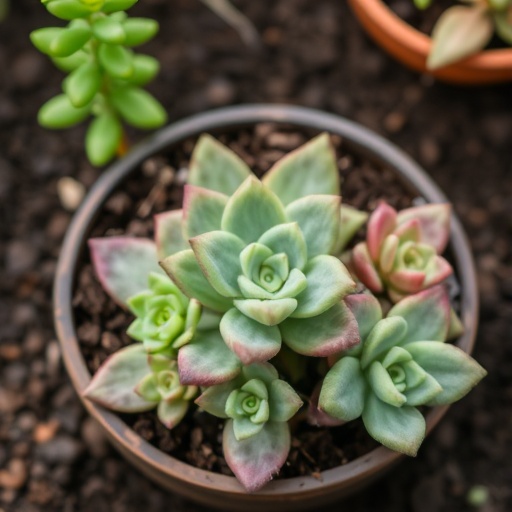
Place your pots in a bright spot with indirect sunlight. Direct, harsh sun can burn delicate new growth. Mist the soil every few days, or when it feels completely dry, just enough to lightly moisten the top. After a few weeks, you should start to see tiny roots emerging from the leaf base or stem. With leaf propagations, a tiny "pup" (new plantlet) will also start to form. Don’t worry if some leaves shrivel and die – that’s normal as the energy is channeled into new growth.
Transplanting Your New Succulents
Once your new succulents have developed a strong root system (usually 1-2 inches long) and the plantlets are a decent size (about an inch or two tall for leaf propagations), they are ready for their own pots. Gently separate them from the mother leaf (if applicable) and plant them individually into small pots filled with fresh succulent potting mix. Handle them carefully to avoid damaging delicate roots.
Growth & Care Tips
Consistent care is key for thriving succulents, especially when you're focusing on indoor gardening for beginners.
- Watering Frequency: The golden rule for succulents is underwatering is better than overwatering. Water only when the soil is completely dry, typically every 2-4 weeks. During winter months, this frequency often decreases. When you do water, water thoroughly until it drains from the bottom, then let it dry out completely before the next watering. Overwatering is responsible for over 60% of succulent failures.
- Sunlight Exposure: Succulents thrive in bright, indirect light. A south-facing window is often ideal. If you notice your succulent stretching (etiolation) or its colors fading, it's a sign it needs more light. Conversely, too much direct, intense sun can cause sunburn, appearing as white or black spots. Aim for at least 6 hours of bright light daily.
- Pruning: As your succulents grow, you might need to prune them to maintain shape or encourage bushier growth. Use sterilized scissors for clean cuts. You can even propagate the pruned sections!
- Fertilization: Succulents are not heavy feeders. Fertilize sparingly, usually once or twice during their growing season (spring and summer) with a diluted succulent fertilizer (half strength, or even quarter strength). Avoid fertilizing in fall and winter when they are dormant.
- Pest Prevention: While generally resilient, succulents can occasionally suffer from pests like mealybugs or spider mites. Inspect your plants regularly. If you spot pests, isolate the plant and treat it with rubbing alcohol on a cotton swab for mealybugs, or neem oil spray for other pests. Good airflow and avoiding overwatering help prevent most issues.
Eco-Friendly & Sustainable Alternatives
Embracing sustainability in your indoor gardening for beginners practice makes a significant difference.
- Composting: Instead of throwing away old leaves or spent soil, start a small indoor compost bin. It enriches your soil naturally.
- Natural Fertilizers: Utilize organic alternatives like worm castings (which are fantastic for potted plants), diluted compost tea, or even a very dilute coffee solution (only for acid-loving succulents, and sparingly).
- Water Conservation: Use a watering can with a narrow spout to direct water precisely, minimizing runoff. Collect rainwater for your plants – it's naturally soft and full of beneficial minerals.
- Repurposed Containers: Beyond creating drainage holes in old food containers, scour thrift stores for unique mugs, bowls, or teapots that can be repurposed as planters. Just ensure you can add drainage or manage watering extremely carefully.
- Propagate, Don't Buy: The very act of propagating new succulents from existing ones is an incredibly sustainable practice. It reduces demand for commercially produced plants which often travel long distances, cutting down on carbon footprint.
Creative Ideas & Uses
Succulents aren't just plants; they're living decor. Unleash your creativity!
- Miniature Gardens: Create stunning succulent terrariums or dish gardens. Combine varieties with different textures and colors for visual interest. A simple glass bowl can become a desert landscape.
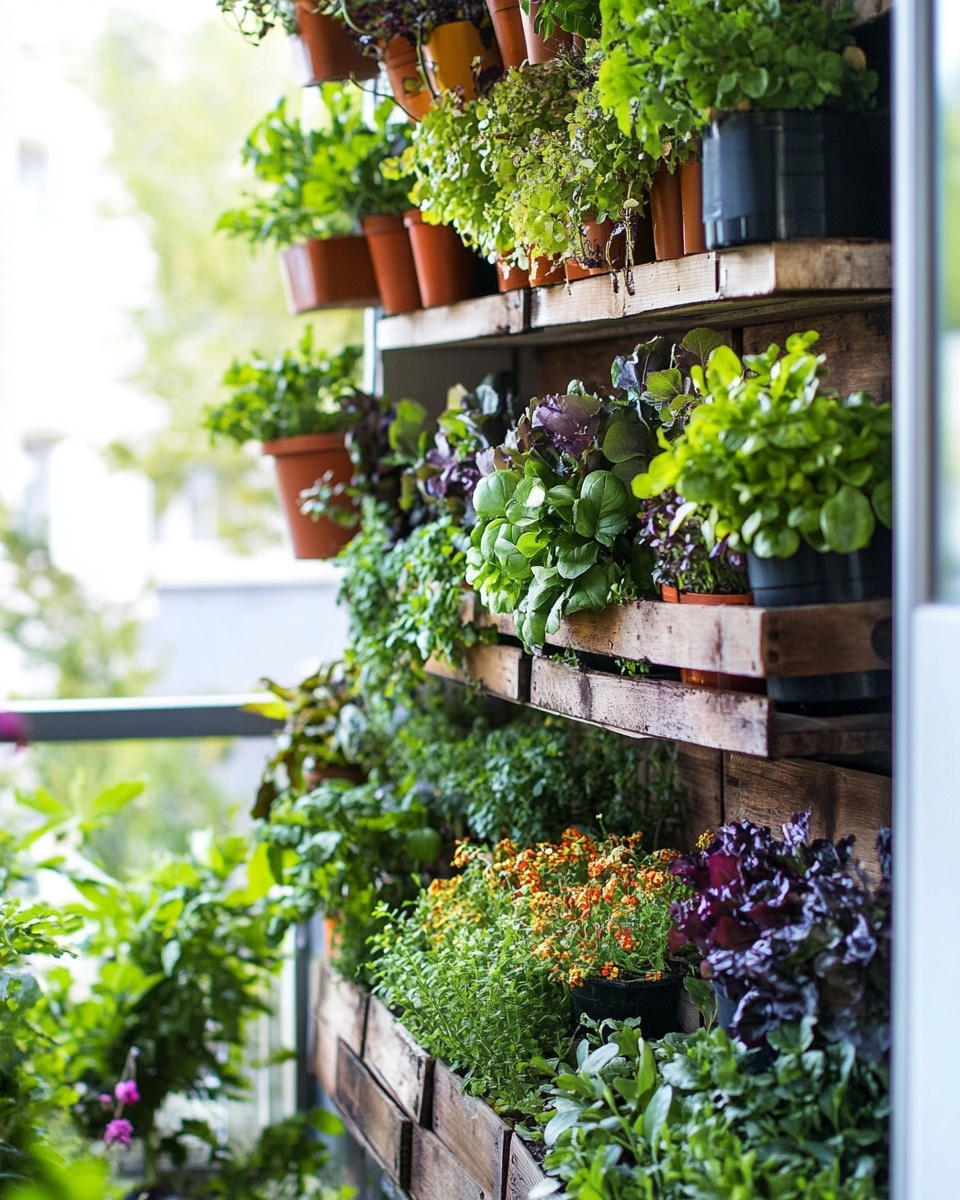
- Vertical Gardens: For small spaces, vertical planters are a game-changer. Mount old palettes or specialized vertical garden pockets to grow a vibrant succulent wall. This is a fantastic way to maximize space and add a unique design element, perfect for enhancing your indoor gardening for beginners experience.
- Gift Giving: Propagated succulents make thoughtful, personalized gifts. Pot them in cute containers, add a bow, and you have a handmade present that keeps on growing.
- Living Art: Use small succulent cuttings to create living picture frames or wreaths. Their low water needs make them ideal for these artistic applications. Consider checking out design ideas on platforms like Pinterest for inspiration: https://www.pinterest.com/janatjanay47/
- Combine with Other Plants: While succulents generally prefer drier conditions, some can coexist beautifully with other drought-tolerant plants, creating dynamic displays. Just ensure their watering needs are somewhat aligned.
Common Mistakes to Avoid
Even experienced gardeners make mistakes, especially with the nuances of indoor gardening. Here are common pitfalls to sidestep:
- Overwatering: This is by far the biggest killer of succulents. Overwatering causes root rot in over 85% of documented houseplant deaths. Always check the soil moisture before watering. When in doubt, wait another day or two.
- Lack of Drainage: Planting succulents in pots without drainage holes inevitably leads to waterlogging and root rot. If you must use a decorative pot without drainage, place your succulent in a slightly smaller nursery pot with drainage holes inside it, and remove it for watering.
- Insufficient Light: Succulents need bright light. Without it, they become "etiolated"—stretching out unnaturally and becoming pale, weak, and leggy as they search for light. This dramatically weakens the plant.
- Not Callousing Cuttings: As mentioned, putting fresh cuttings directly into moist soil is an express ticket to rot. Always allow them to dry and form a callous.
- Using the Wrong Soil: Regular potting soil retains too much moisture for succulents. Always opt for a well-draining succulent or cactus mix.
- Ignoring Pests: Pests multiply quickly. A small infestation can become a major problem if not addressed promptly. Regular inspection helps catch issues early.
Maintenance & Storage Tips
Maintaining healthy succulents long-term and managing your propagation tools ensures ongoing success.
- Repotting: Repot your succulents every 1-2 years, or when they outgrow their current pot. This refreshes the soil with new nutrients and provides room for root growth. Use fresh succulent potting mix.
- Seasonal Care: Adjust watering based on the season. Most succulents are dormant in winter, requiring less water. During their active growing season (spring and summer), they'll need more.
- Dealing with Yellow Leaves: Yellow, mushy leaves are often a sign of overwatering. If they're at the bottom and crisp, it might be natural shedding or underwatering. Assess your watering schedule.
- Poor Soil Drainage: If your current soil isn't draining well, it's best to repot with a proper succulent mix. Adding extra perlite or coarse sand can improve drainage in a pinch.
- Leaf Storage for Propagation: If you have many leaves from pruning, you can store them on a dry tray in a well-ventilated area until calloused. Avoid direct light during this phase. Once calloused, begin the rooting process.
Conclusion
Embarking on the journey of indoor gardening for beginners by propagating succulents at home is not just about growing new plants; it's about cultivating a deeper connection with nature, fostering patience, and celebrating growth. With the right tools, a clear understanding of the steps, and a keen eye for common mistakes, you're well-equipped to turn single leaves or stem cuttings into a thriving collection. Remember, every shriveled leaf is a learning opportunity, and every new root is a success. This rewarding hobby offers endless possibilities for expanding your green sanctuary and sharing the joy of plants with others. So, sterilize those pruners, select your healthiest leaves, and start growing your own succulent paradise today! Don't forget to share your propagation triumphs with us on social media!
FAQ
Q1: How do I know if my succulent cutting has rooted?
A1: Gently tug on the cutting. If there's slight resistance, it means roots have formed and are anchoring the plant. You'll also likely see new growth appearing from the top of the cutting.
Q2: Can I propagate succulents in water?
A2: While some succulent varieties can be water propagated, it's generally not recommended for indoor gardening for beginners. Succulents are prone to rot in excessive moisture, and roots developed in water can struggle to adapt to soil. Soil propagation offers a higher success rate for most species.
Q3: Why are my succulent leaves turning mushy and yellow?
A3: This is almost always a sign of overwatering. Reduce your watering frequency and ensure your pot has excellent drainage. If the entire plant is affected, you might need to take healthy cuttings to save parts of the plant.
Q4: How much light do propagated succulents need?
A4: Young propagations need bright, indirect light. Direct, intense sunlight can scorch delicate new roots and foliage. As they mature, they can gradually be introduced to more light, but always with caution.
Q5: What's the best soil mix for propagating succulents?
A5: A specialized succulent and cactus potting mix is ideal. It's formulated for excellent drainage, which is crucial. You can also make your own by mixing regular potting soil with an equal amount of perlite or coarse sand.
Q6: My succulent leaves are shriveling, but the soil isn't dry. What's wrong?
A6: If the soil isn't dry, shriveling leaves could indicate root rot (from overwatering, preventing water uptake) or sometimes underwatering, but in the context of propagation, it could also be the mother leaf providing nutrients to the new pup and naturally shriveling as it depletes its energy stores. Assess the cut end for signs of rot if it's a cutting.
Q7: How often should I mist my propagating leaves/cuttings?
A7: Mist every few days, or whenever the top layer of soil feels completely dry. The goal is to provide just enough moisture to encourage rooting without letting the cuttings sit in damp conditions for too long, which invites rot.
Here are some other posts you might find helpful for expanding your indoor gardening knowledge:
- If you're interested in growing edibles, check out our guide on "Best Vegetables to Grow for Beginners".
- To discover more about managing your plants indoors, explore "How to Grow Succulents Indoors Without Overwatering".
- For tips on starting your gardening journey, take a look at "Easy Indoor Gardening Setup for Beginners".