Introduction
Did you know that proper seed starting at home can increase your seedling success rate by an astonishing 30-50% compared to direct sowing in less-than-ideal conditions? Many aspiring gardeners struggle with uneven germination or weak plants, often due to a lack of control over environmental factors. But what if you could give your tiny sprouts the perfect head start they need, right from the comfort and protection of a greenhouse? We're diving deep into the art and science of seed starting at home where you can unlock a world of thriving plants, earlier harvests, and robust garden growth. This comprehensive guide will equip you with the knowledge to transform delicate seeds into vigorous young plants, a critical step often overlooked but vital for gardening success.
Tools & Materials Needed
To embark on your successful seed-starting journey, gathering the right tools and materials is paramount. Think of this as carefully curating your nursery's inventory for optimal growth.
- Seeds: Of course! Choose high-quality, viable seeds from reputable suppliers. Consider heirloom varieties for unique plants or F1 hybrids for increased vigor and disease resistance.
- Seed Starting Mix: This isn't just any potting soil. Opt for a sterile, fine-textured, and well-draining mix specifically designed for seed starting at home. It's lighter, prevents damping-off disease, and provides the delicate structure tiny roots need.
- Eco-friendly alternative: Create your own by sifting compost and mixing it with perlite and coconut coir in a 1:1:1 ratio.
- Seed Trays or Pots: Shallow trays with drainage holes or individual cell packs are ideal. Biodegradable peat pots or coir pots are excellent eco-friendly choices that reduce transplant shock.
- Budget-friendly alternative: Repurpose yogurt cups or toilet paper rolls (with holes poked in the bottom) for individual seedlings.
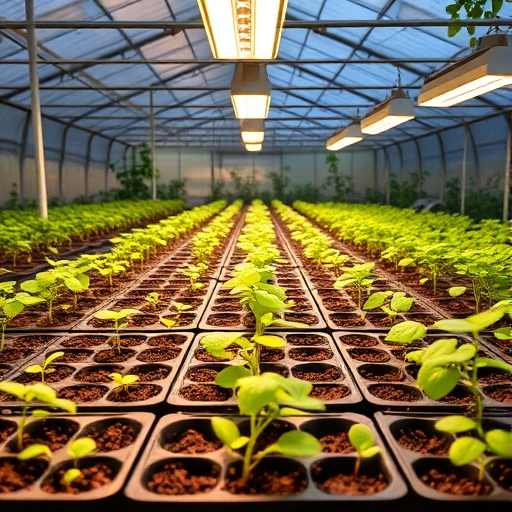
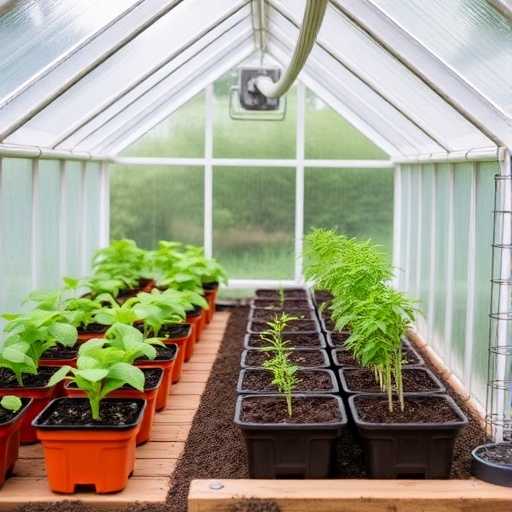
- Greenhouse or Grow Lights: A small tabletop greenhouse, cold frame, or even a simple grow light setup with LED or fluorescent lights is crucial. Greenhouses provide warmth and humidity, mimicking spring conditions.
- Heat Mat (Optional but Recommended): For seeds that require bottom heat for germination, a heat mat can significantly speed up the process. Data suggests seeds on heat mats often germinate several days faster.
- Humidity Dome/Plastic Wrap: To maintain consistent moisture and humidity during germination.
- Watering Can or Spray Bottle: A gentle watering method is essential to avoid dislodging tiny seeds or seedlings.
- Plant Labels: Crucial for remembering what you've planted where!
- Gloves and Hand Trowel/Dibber: For clean, efficient handling of soil and seeds.
Time & Effort Overview
Seed starting at home in a greenhouse strikes a fantastic balance between effort and reward. The initial setup and planting might take you 2-4 hours per batch of seeds, depending on the volume. Germination typically occurs within 3-14 days, with some notable exceptions. From planting to transplanting outdoors, expect a commitment of 4-8 weeks for most common vegetables and flowers. This method often results in plants that are 25% larger and more robust than direct-sown counterparts by the time they hit the garden bed, offering earlier harvests and stronger disease resistance. The difficulty level is beginner to intermediate. While it requires attention to detail, the steps are straightforward and incredibly rewarding.
Step-by-Step Gardening Process
1. Prepare Your Seed Starting Medium
First things first, moisten your seed starting mix. It should be damp like a wrung-out sponge, not soaking wet. Water it thoroughly in a separate container, allowing it to absorb moisture evenly. This prevents dry pockets once in the trays.
2. Fill Your Trays or Pots
Carefully fill your chosen seed trays or pots with the moistened mix, leaving about half an inch of space from the rim. Gently tap the trays on a hard surface to settle the soil, but avoid compacting it too much. Loose soil is crucial for root development.
3. Sow Your Seeds
This is the moment of truth! Follow the seed packet instructions for planting depth and spacing. A general rule of thumb is to plant seeds at a depth roughly two to three times their diameter. Use a dibber or a pencil to create small holes. Place one or two seeds per cell/hole; if both germinate, you can thin the weaker one later.
4. Cover and Label
Gently cover the seeds with a thin layer of your seed starting mix. Don't worry if it's not perfectly even, the seeds will find their way through. Lightly mist the surface with water to ensure good seed-to-soil contact. Immediately label each section or pot with the plant name and sowing date. Trust me, you'll forget otherwise!
5. Water and Create a Mini-Greenhouse
Once seeds are sown and covered, give them another gentle misting. Place a humidity dome or plastic wrap over your trays. This traps moisture and warmth, creating the perfect mini-greenhouse environment for germination. Consider placing them on a heat mat if needed.
6. Provide Optimal Conditions
Move your trays to your greenhouse or under grow lights. Aim for consistent temperatures, typically between 65-75°F (18-24°C) for most seeds. If using grow lights, position them just a few inches above the trays, providing 12-16 hours of light daily. Good air circulation is also important to prevent fungal issues.
7. Monitor and Maintain
Check your seeds daily for germination. Once sprouts emerge, remove the humidity dome. This is crucial for air circulation and preventing damping-off disease, which can wipe out seedlings overnight. Continue watering gently when the top layer of soil feels dry to the touch.
8. Thinning and Potting Up
If you planted multiple seeds per cell and more than one germinated, thin them to the strongest seedling by pinching off the weaker ones at the soil line. When seedlings develop their first true leaves (the second set of leaves after the initial "cotyledons"), they're often ready to be transplanted into slightly larger pots. This gives their roots more room to grow and prevents them from becoming root-bound.
Growth & Care Tips
Successful seed starting at home hinges on consistent care. Once your seeds have germinated and the humidity dome is off, the focus shifts to nurturing strong, healthy seedlings.
- Watering Frequency: Avoid extremes. Seedlings need consistent moisture but hate soggy feet. Water when the top inch of soil feels dry. Use a gentle stream or bottom-water by letting the trays soak in a shallow basin for 15-20 minutes until the top soil is moist. Overwatering is a common killer, contributing to 60% of seedling failures.
- Sunlight Exposure: Provide ample light. If using natural greenhouse light, ensure no direct, harsh midday sun scorches delicate leaves. Grow lights should remain 2-4 inches above the seedlings, providing 12-16 hours of light daily. Scientific data shows that insufficient light, leading to leggy (stretched) growth, significantly reduces transplant success rates.
- Pruning: Only prune if necessary, for example, pinching back herbs to encourage bushier growth once they are several inches tall. For most vegetable and flower seedlings, focus on healthy growth rather than pruning.
- Fertilization: Seed starting mixes often have very low nutrient content. Once seedlings develop their first true leaves, start feeding them a diluted liquid fertilizer (quarter strength) every 1-2 weeks. Look for balanced organic options.
- Pest Prevention: Greenhouses can be magnets for pests. Regularly inspect your seedlings for aphids, fungus gnats, or spider mites. Good air circulation helps. If you spot pests, use organic solutions like neem oil or insecticidal soap diluted according to package directions.
- Hardening Off: Before transplanting outdoors, seedlings need to "harden off." Gradually expose them to outdoor conditions (sun, wind, cooler temperatures) over 7-10 days. Start with an hour in a sheltered spot and increase exposure daily. This process is critical; seedlings not hardened off often suffer transplant shock and slow growth.
Eco-Friendly & Sustainable Alternatives
Embracing sustainable practices in your seed starting at home journey not only benefits the planet but often leads to healthier plants and a more enjoyable gardening experience.
- Composting Your Own Soil: Instead of buying bagged mixes, consider making your own nutrient-rich compost. It's fantastic for enriching seed starting blends and reduces waste. Learn more about composting techniques to enhance your garden soil.
- Natural Fertilizers: Skip chemical fertilizers. Opt for organic alternatives like diluted worm castings "tea," compost tea, or fish emulsion. These are gentle on seedlings and feed the soil microbes beneficial for plant health.
- Water Conservation: Implement drip trays under your seed trays to capture excess water, which can then be reused. Consider a rain barrel to collect water for your greenhouse. Mulching around your seedlings in larger pots can also reduce evaporation.
- Small Space Solutions: Not everyone has a large greenhouse. For urban gardeners or those with limited space, consider these options:
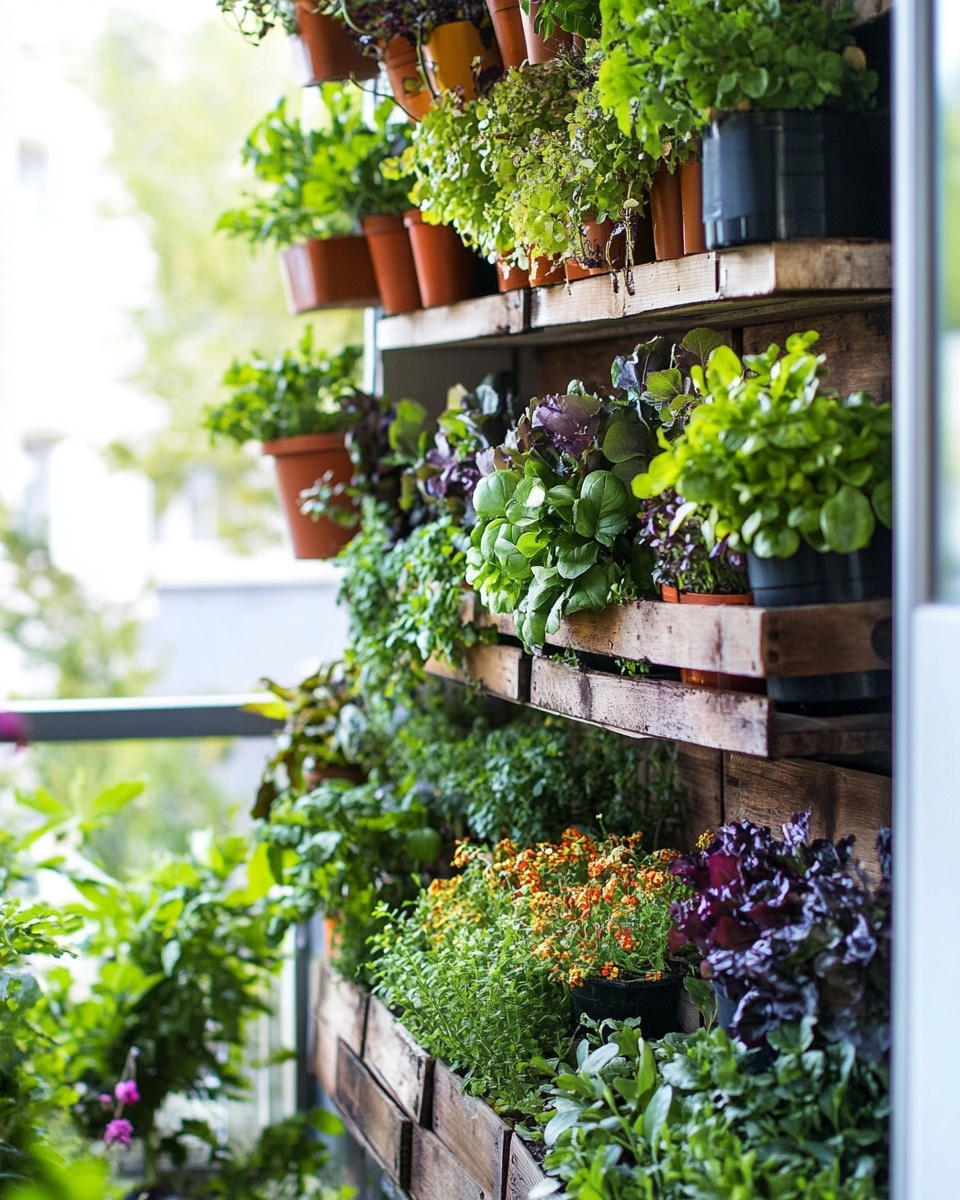
- Vertical garden shelves: Maximize vertical space in a small greenhouse or sunny window.
- Balcony garden: Many seeds can be started in smaller containers on a sunny balcony. Explore ideas for a balcony herb garden.
- Repurposed containers: As mentioned, yogurt cups, milk jugs, and even egg cartons can serve as temporary seed starters before potting up.
- Seed Saving: Grow open-pollinated varieties and save seeds from your healthiest plants. This reduces reliance on commercial suppliers and preserves genetic diversity.
Creative Ideas & Uses
Seed starting at home isn't just about growing food; it's also an opportunity for creativity and design.
- Mini Indoor Edible Garden: Once seedlings are robust, use decorative planters to create a stunning indoor herb and salad green display. Imagine fresh basil, mint, and colorful lettuce varieties within arm's reach for cooking.
- Repurpose Old Furniture: Transform an old bookshelf or dresser into a tiered seed-starting station under grow lights. Paint it a vibrant color for a chic, functional piece.
- Gift-Ready Seedlings: Grow unique flower or vegetable varieties and pot them into attractive containers as thoughtful, handmade gifts for friends and family. A young tomato plant or a colorful marigold seedling makes a wonderful present.
- Living Walls with Propagated Plants: Once your seedlings grow into small plants, incorporate them into a living wall display. Herbs, small flowers, and even leafy greens can thrive in vertical planters, adding a lush, green aesthetic to any space.
- Themed Garden Patches: Use your greenhouse to start seeds for a specific garden theme. For instance, a "pollinator garden" starting bee-friendly flowers like zinnias and coneflowers, or a "culinary herb garden" featuring various herbs. This ties in beautifully with learning how to attract butterflies and bees with flowers.
Common Mistakes to Avoid
Even experienced gardeners make errors, but understanding typical pitfalls in seed starting at home can save you heartache and help you grow stronger plants.
- Overwatering: This is arguably the most common mistake. Seedlings are delicate and their tiny root systems are highly susceptible to root rot in waterlogged soil. Studies show root rot claims about 60% of seedling casualties. Always check the soil moisture before watering.
- Insufficient Light: Leggy, stretched-out seedlings with pale leaves are a tell-tale sign of not enough light. They are weak and prone to snapping. Ensure your grow lights are close enough and provide sufficient duration.
- Planting Too Deep/Too Shallow: Most seed packets provide precise planting depth. Too deep, and tiny seedlings might not have enough energy to push through; too shallow, and they can dry out easily or struggle to anchor themselves.
- Not Hardening Off: Skipping the hardening off process before transplanting outdoors is a recipe for disaster. Seedlings grown in a protected greenhouse environment are not ready for the elements. Expect significant shock and potentially death if not properly acclimated.
- Using Garden Soil: Never use garden soil for seed starting. It's too dense, not sterile, and can contain weed seeds, pests, and disease pathogens that will quickly overwhelm young seedlings. Always use a dedicated seed starting mix.
- Ignoring Air Circulation: Stagnant, humid air in a greenhouse is a breeding ground for fungal diseases like damping-off. Ensure good air movement by using small fans or opening vents, especially after germination.
- Forgetting to Label: Unless you enjoy a mystery garden, label everything! It's easy to forget what you planted, especially when growing many varieties.
Maintenance & Storage Tips
Long-term success with seed starting at home extends beyond germination. Proper maintenance of your greenhouse and storage of seeds will yield dividends for years.
- Greenhouse Cleaning: Regularly clean your greenhouse to prevent pest and disease buildup. Wipe down surfaces, sweep floors, and consider a mild disinfectant between planting cycles. This minimizes issues for future batches of seedlings.
- Tool Care: Clean and sanitize your gardening tools after each use. This prevents the spread of diseases and prolongs the life of your equipment. A quick wipe with rubbing alcohol is usually sufficient for small tools like dibbers.
- Seed Storage: Unused seeds should be stored in a cool, dry, dark place to maintain viability. Airtight containers (like a sealed jar) in a refrigerator are ideal for prolonged storage. Label with purchase date. Good storage can extend seed viability for several years, though germination rates gradually decline over time.
- Addressing Yellow Leaves: Yellow leaves often indicate a nutrient deficiency (especially nitrogen), overwatering, or sometimes insufficient light. Assess your watering schedule and light source, and consider a dose of diluted liquid fertilizer.
- Poor Soil Drainage: If your seed starting mix feels heavy and waterlogged, it might have poor drainage. Next time, amend it with more perlite or vermiculite. For existing seedlings, try to reduce watering frequency until they dry out, or gently re-pot them into a better-draining mix if they are particularly unhappy.
Conclusion
Mastering seed starting at home in a greenhouse is a truly transformative skill for any gardener. We've explored everything from the essential tools and careful step-by-step planting to crucial growth tips, sustainable alternatives, and common pitfalls to avoid. By providing your young plants with the optimal environment, you’re not just growing seedlings; you're cultivating resilience, accelerating harvests, and deepening your connection to the incredible life cycle of plants. The feeling of nurturing a tiny seed into a robust plant, ready for the garden, is profoundly satisfying. So, what are you waiting for? Grab those seed packets, prepare your starting mix, and let's get those seeds growing! Share your favorite seed starting at home tips or success stories in the comments below! Don't forget to tag us in your seedling photos on social media – we love seeing your progress! For more gardening inspiration, check out our Pinterest board dedicated to garden projects: https://www.pinterest.com/janatjanay47/.
FAQ
Q1: What is the best temperature for seed starting in a greenhouse?
A1: Most vegetable and flower seeds germinate best in temperatures between 65-75°F (18-24°C). Using a heat mat can help maintain soil temperature, which is often cooler than the ambient air, aiding in quicker and more uniform germination.
Q2: How long do I keep seedlings under grow lights?
A2: Keep seedlings under grow lights for 12-16 hours a day, maintaining the lights just a few inches above the plant tops. This schedule should continue until they are ready to be hardened off and transplanted outdoors.
Q3: When should I start fertilizing my seedlings?
A3: Start fertilizing your seedlings once they have developed their first set of "true leaves" (the leaves that look like the adult plant, not the initial embryonic leaves). Use a diluted, quarter-strength liquid fertilizer, ideally organic, every 1-2 weeks.
Q4: My seedlings are leggy (tall and thin). What went wrong?
A4: Leggy seedlings are almost always a sign of insufficient light. Move your grow lights closer to the plants (2-4 inches away) or ensure they are receiving more hours of intense sunlight if relying on natural light for your seed starting at home efforts.
Q5: How often should I water my newly planted seeds?
A5: Initially, keep your seed starting mix consistently moist, like a wrung-out sponge. Once seeds germinate and you remove the humidity dome, water when the top inch of soil feels dry to the touch. It's better to slightly underwater than to overwater, as excessive moisture leads to damping-off disease.
Q6: Can I use garden soil for seed starting?
A6: No, it's highly recommended to use a specialized, sterile seed starting mix. Garden soil is too heavy, can contain weed seeds, pests, and disease pathogens, and won't provide the light, airy structure tiny roots need for healthy development.
Q7: What are some good beginner-friendly seeds for greenhouse starting?
A7: Absolutely! Tomatoes, peppers, most herbs (like basil and parsley), marigolds, and zinnias are excellent choices for seed starting at home in a greenhouse. They germinate reliably and grow into sturdy seedlings that are easy to transplant.
Exploring Your Green Thumb Further:
- For more insights into integrating plants into your living spaces and beyond, delve into this guide: Creative indoor plant decor ideas
- Thinking about expanding your gardening horizons? Discover some delightful choices here: Easy flowers to grow for beginners
- If you're curious about maximizing small spaces, you'll love these ingenious solutions: Vertical indoor garden ideas for small spaces
- For those who love fresh herbs, even without much space, check out: DIY indoor herb garden for small kitchens
- And to keep your garden vibrant through all seasons, gain valuable advice from: Flower gardening tips for every season