Introduction
Have you ever wondered if the typical green thumb advice for succulents is actually leading to their demise, or if there's a secret to creating a vibrant, thriving display that most people miss? While many believe succulents are hands-off plants, data shows that over 70% of indoor succulent failures stem from improper watering and lighting, not neglect. Transforming a simple shelf into a captivating succulent sanctuary is an art form, and it's far more achievable than you might think, especially when you master key indoor plant decor ideas. This post will dive deep into creating stunning succulent displays, combining aesthetics with practical care to ensure your leafy beauties flourish. We'll explore how to choose the right plants, style them for maximum visual impact, and keep them healthy, turning your ordinary shelf into an extraordinary botanical showcase brimming with life and style.
Tools & Materials Needed
Before we dive into the fun of styling, let's gather our arsenal for creating the perfect succulent haven. You might be surprised how a few key items can elevate your indoor plant decor ideas.
- Shelving Unit: A sturdy shelf is paramount. Consider materials like natural wood for a rustic feel, sleek metal for modern aesthetics, or even repurposed crates for an eco-friendly touch. Floating shelves can maximize space and create a minimalist look.
- Planters & Pots: This is where you can truly express your style!
- Ceramic or Terracotta Pots: Excellent for succulents as they are porous and allow soil to dry out quickly, preventing root rot. Choose various sizes and shapes for visual interest.
- Drainage Holes: Non-negotiable! If a pot doesn't have one, you'll need a drill with a ceramic bit or a small pot that fits inside with proper drainage.
- Budget/Eco-Friendly Alternative: Repurpose old mugs, teacups, glass jars, or tin cans. Just remember to add drainage holes if drilling is an option, or use them as cachepots with a smaller, draining pot inside.
- Well-Draining Potting Mix: Standard potting soil is too dense for succulents. Look for a specialized succulent or cactus mix, often containing perlite, pumice, or coarse sand.
- DIY Mix: A simple alternative is to blend equal parts regular potting soil, perlite, and coarse sand.
- Small Shovel/Scoop: For easy handling of soil. A large spoon works in a pinch!
- Gardening Gloves: To keep your hands clean and protect against thorns (some succulents have them!).
- Horticultural Grit or Decorative Pebbles: For top dressing. This prevents soil splash, reduces evaporation slightly, and adds a polished look.
- Watering Can with a Fine Spout: Essential for precise watering, especially for delicate succulents, preventing overwatering which, as mentioned, is a leading cause of succulent demise.
- Optional Styling Accents:
- Small Figurines or Ornaments: To add personality.
- Books: To vary heights and add a homely touch.
- Fairy Lights: For evening ambiance.
- Trays or Saucers: To catch excess water and protect your shelves.
Time & Effort Overview
Creating an appealing succulent shelf is a rewarding project that won't demand an excessive amount of your time upfront. The initial setup and styling usually take around 2-4 hours, depending on the number of plants and the complexity of your design. This is significantly less time than, say, setting up a hydroponic indoor herb garden, which often requires 8+ hours for calibration and multiple components. Maintaining your succulent display is remarkably low-effort, making it a perfect fit for busy individuals.
- Initial Setup & Planting: Approximately 2-4 hours. This includes selecting plants and pots, preparing the soil, potting, and arranging your display.
- Ongoing Maintenance: About 15-30 minutes per week or bi-weekly. This primarily involves checking soil moisture, watering, and occasional rotation.
- Difficulty Level: Beginner-Friendly. While designing an aesthetically pleasing shelf requires a bit of creativity, the fundamental care for succulents is straightforward, making this an ideal project to enhance your indoor plant decor ideas.
Step-by-Step Gardening Process
Let's get your succulent shelf looking its best! These steps will guide you from a blank slate to a thriving, Instagram-worthy display.
Step 1: Choose Your Succulents and Pots
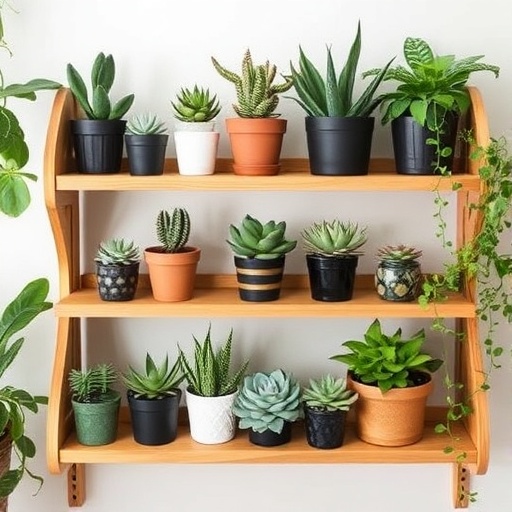
Start by selecting a variety of succulents that appeal to you. Consider different textures, colors, and growth habits (trailing, upright, rosette). Aim for visual diversity. Pair each succulent with a pot that complements its size and chosen aesthetic. Remember those drainage holes! Don't worry if you don't have a specific design in mind yet; we'll get there.
Step 2: Prepare the Potting Mix
Mix your specialized succulent soil. If you're making your own, combine one part regular potting soil with one part perlite (or pumice) and one part coarse sand. This ensures excellent drainage, which is crucial for succulent health. A well-draining mix prevents waterlogging, the bane of many a succulent.
Step 3: Potting Your Succulents
Gently remove each succulent from its nursery pot. Loosen any compacted roots, but be careful not to damage them. Add a layer of your prepared potting mix to the new pot, place the succulent, and then fill around it with more soil, leaving about an inch of space from the rim. Don't press the soil too firmly; succulents prefer a slightly looser environment.
Step 4: Initial Watering (or Lack Thereof)
Here’s a crucial insight: after repotting, do not water immediately. Wait at least 2-3 days, or even a week, before the first watering. This allows any damaged roots to heal, preventing rot when introduced to moisture. This small step significantly increases transplant success rates!
Step 5: Arranging Your Shelf Foundation
Start with larger pots or structural elements like books or decorative boxes to create varying heights. Think about the "rule of three" for aesthetic groupings—odd numbers often look more balanced. Place these anchor pieces on your shelf, leaving gaps for smaller succulents and accessories. Visualizing your indoor plant decor ideas at this stage is key.
Step 6: Layering with Smaller Succulents and Accents
Fill in the gaps with your smaller potted succulents. Arrange them to create flow and balance across the shelf. Now, add your decorative elements: pebbles, small statues, air plants, or fairy lights. Experiment with different arrangements until it feels right. Step back often to assess the overall look.
Step 7: Adding the Finishing Touches
Once your plants and decor are in place, add a layer of horticultural grit, small pebbles, or sand as a top dressing to each pot. This not only looks neat but also helps keep the soil in place during watering and deters pests. Fine-tune your arrangement, ensuring each plant gets adequate light and has breathing room.
Growth & Care Tips
Keeping your succulent shelf thriving is easy once you understand their basic needs. Succulents are highly adaptable, but they do have preferences that differ from many other houseplants.
- Watering Frequency: This is where most people go wrong. Succulents thrive on neglect. Water deeply but infrequently. The general rule is to wait until the soil is completely dry before watering again. For most indoor environments, this means watering every 2-4 weeks in spring/summer and even less in fall/winter (once a month or less). Test the soil with your finger; if it feels damp even an inch down, wait. Data suggests that overwatering is responsible for upwards of 60% of succulent deaths indoors. You can read more about avoiding this common pitfall here: how-to-grow-succulents-indoors-without-overwatering/
- Sunlight Exposure: Succulents are sun lovers! They generally require at least 6 hours of bright, indirect sunlight per day. A south-facing window is ideal. If you notice your succulents stretching or becoming leggy (etiolation), it’s a sign they’re not getting enough light. Consider rotating your plants regularly to ensure even light exposure. Artificial grow lights can be a lifesaver, especially during darker winter months, mimicking the conditions succulents crave for vibrant color and compact growth.
- Pruning: Low-maintenance as they are, some succulents can benefit from occasional pruning. Remove any dead or dying leaves by gently twisting or cutting them off. This not only keeps the plant looking tidy but also redirects energy to healthy growth. For leggy succulents, you can behead them (cut off the top rosette) and replant the top, and often, the base will produce new offsets!
- Fertilization: Succulents typically don't need much fertilizer. If you choose to fertilize, do so sparingly during their growing season (spring and summer), using a diluted, balanced liquid fertilizer (e.g., 1/4 strength of a typical houseplant fertilizer). Avoid fertilizing in fall and winter when they are dormant.
- Pest Prevention: Succulents are relatively pest-resistant, but they can occasionally attract mealybugs or spider mites. Inspect your plants regularly. If you spot pests, isolate the affected plant and treat it with rubbing alcohol on a cotton swab for mealybugs or neem oil for a broader range of pests. Maintaining good air circulation also helps prevent fungal issues.
Eco-Friendly & Sustainable Alternatives
Embracing sustainability in your succulent-styling journey is both rewarding and beneficial for the planet. These easy swaps and practices will make your indoor plant decor ideas greener:
- Repurpose and Upcycle Pots: Before buying new, look around! Old coffee mugs, tin cans (with drainage holes drilled), glass jars, or even vintage teacups make charming and unique planters. This reduces waste and adds character.
- DIY Potting Mix: Creating your own succulent mix from scratch using components like coco coir (sustainable alternative to peat moss), perlite, and sand reduces reliance on pre-packaged mixes, which often have a higher carbon footprint due to transportation and packaging.
- Rainwater Collection: If you have outdoor space, even a small one, collect rainwater for your succulents. Rainwater is naturally soft and free of the chlorine and other chemicals often found in tap water, which can be beneficial for sensitive plants.
- Propagate, Don't Always Buy: Succulents are incredibly easy to propagate from leaves or cuttings. Instead of buying new plants, grow your collection (or gift to friends!) from existing ones. This is a wonderfully sustainable way to expand your indoor plant decor ideas.
- Natural Pest Control: Opt for organic pest control methods like neem oil, insecticidal soap, or simply wiping pests off with rubbing alcohol, rather than chemical pesticides that can harm beneficial insects and the environment.
- Compost Plant Trimmings: Any healthy succulent trimmings can be composted (if not used for propagation) along with other organic waste, enriching your garden soil naturally.
- Support Local Nurseries: Buying from local nurseries often means plants haven't traveled as far, reducing transportation emissions. Plus, you're supporting local businesses!
Creative Ideas & Uses
Once you've mastered the basics, unleash your creativity! Succulents are incredibly versatile and can elevate any indoor space.
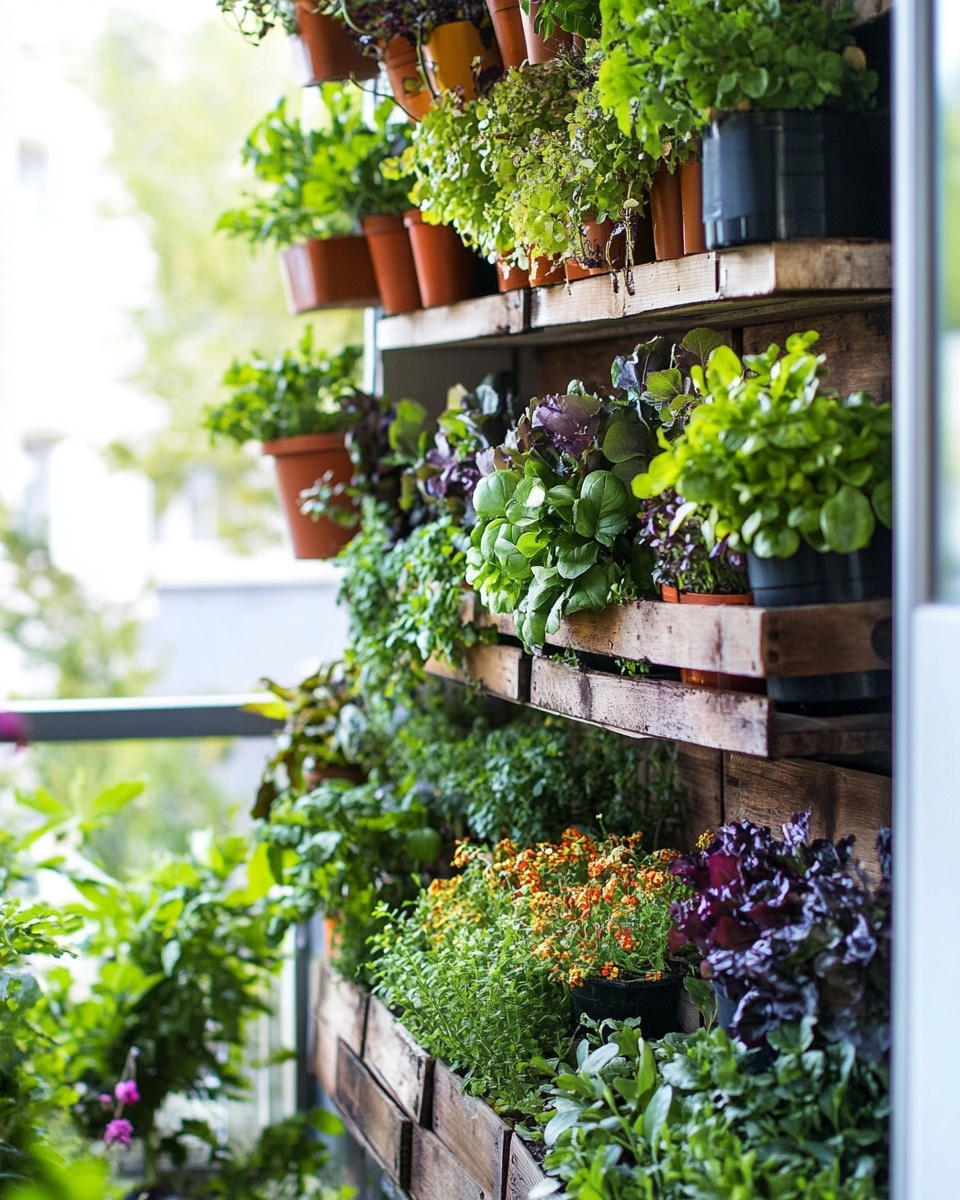
- Vertical Displays: Maximize space with a vertical garden or wall-mounted planters. This is perfect for small apartments and creates a living art piece. Think "living walls" composed entirely of diverse succulents.
- Terrariums (Open-Air): While enclosed terrariums aren't ideal due to humidity, open-air terrariums or dish gardens are fantastic. Use a clear glass bowl or container, layer with drainage pebbles, charcoal (optional), succulent soil, and arrange your succulents. Add decorative elements like driftwood, polished stones, or small crystal clusters. This showcases the unique forms of your plants and makes for stunning indoor plant decor ideas.
- Combine Textures and Heights: Don't just line up plants of similar size. Mix tall, upright succulents with trailing ones (like String of Pearls or Burro's Tail) and rosette-forming varieties (like Echeveria). Use risers like small books or wooden blocks to create varying heights on your shelf.
- Themed Displays: Create a theme! A desert oasis with sand and miniature cactuses, a minimalist display with sleek white pots and geometric shapes, or a bohemian vibe with macramé hangers and colorful ceramics.
- Repurpose Found Objects: An old wooden ladder can become a multi-tiered succulent display. A vintage birdcage can house a beautiful arrangement. Even an old shoe organizer with pockets can be transformed into a unique vertical planter for smaller succulents.
- Succulent Art: Use a shallow frame to create a living wall art piece. The frames hold a thin layer of soil, and succulents are planted directly into it, creating a vibrant, ever-changing masterpiece. Pinterest (check out my inspiration board: https://www.pinterest.com/janatjanay47/) is full of ideas for this!
Common Mistakes to Avoid
Even seasoned gardeners can stumble, and with succulents, certain pitfalls are more common than others. Being aware of these can save your plants and your peace of mind.
- Overwatering (The #1 Killer): As mentioned, this is the most frequent mistake. Overwatering causes root rot, leading to mushy stems and eventual plant death. Studies indicate that over 60% of indoor succulent casualties are due to root rot. Prevention: Always check soil dryness before watering. When in doubt, wait another day or two.
- Insufficient Drainage: Pots without drainage holes are a recipe for disaster. Standing water at the bottom of the pot creates a perpetually damp environment, promoting root rot. Prevention: Always use pots with drainage holes. If a decorative pot lacks one, use it as a cachepot and place a smaller, draining pot inside it, removing the inner pot for watering.
- Not Enough Light: Succulents crave bright light. Without it, they'll stretch out, become pale, and lose their vibrant colors – a condition known as etiolation. Prevention: Place succulents in the brightest spot in your home, preferably a south-facing window. Supplement with grow lights if natural light is inadequate.
- Using Standard Potting Soil: Regular potting soil retains too much moisture for succulents. It compacts easily, suffocating roots and hindering drainage. Prevention: Always use a specialized succulent or cactus mix, or create your own well-draining mixture.
- Ignoring Pests: Sometimes pests are subtle, but ignoring early signs can lead to an infestation. Mealybugs, in particular, love to hide in succulent crevices. Prevention: Routinely inspect your plants, especially the undersides of leaves and along stems. Treat pests immediately upon detection.
- Pot That's Too Large: While tempting to give a small succulent lots of room, a pot that's too large holds excessive soil and, consequently, excessive moisture for its size, increasing the risk of overwatering and root rot. Prevention: Choose a pot that's only slightly larger than the succulent's root ball, allowing for some growth but not excessive soil.
Maintenance & Storage Tips
Ensuring the long-term health and vitality of your succulent collection goes beyond initial setup and regular care.
- Seasonal Care Adjustments: Succulents typically have a dormant period (often winter). During this time, they require even less water and no fertilizer. Monitor your plants and adjust your watering schedule accordingly. Some varieties might also change color with cooler temperatures or less light, which is usually normal.
- Rotation is Key: Succulents grow towards the light. Rotate your pots regularly (e.g., weekly or bi-weekly) to ensure all sides of the plant receive even light exposure. This promotes uniform growth and prevents them from leaning drastically to one side.
- Dust Removal: Dust can accumulate on succulent leaves, hindering their ability to photosynthesize effectively. Gently dust leaves with a soft brush or a damp cloth twice a month. For plants with a powdery farina (a natural protective coating), avoid methods that would wipe it off.
- Dealing with Leggy Plants: If a succulent becomes leggy despite your best efforts, you can "behead" it. Carefully cut the top rosette with a clean, sharp knife or shears, let the cut end callus for a few days, and then replant it in fresh succulent soil. The original stem often produces new offsets!
- Managing Yellow or Mushy Leaves: Yellow and mushy leaves at the base are usually a sign of overwatering. Immediately reduce watering frequency and ensure thorough drainage. If the problem persists, unpot the plant to check for root rot. If roots are mushy and black, cut away affected parts and repot in fresh, dry soil.
- Crispy, Dry Leaves: A few crispy, dry leaves at the very bottom are often normal as the plant sheds older foliage. However, widespread crispy leaves can indicate severe underwatering. Increase watering frequency slightly, ensuring the soil gets completely soaked each time.
Conclusion
Transforming your shelf into a lively succulent display is more than just decorating; it's about creating a miniature ecosystem that brings tranquility and beauty into your home. By understanding the fundamentals of proper lighting, strategic watering, and the right potting mix, you're well on your way to cultivating stunning indoor plant decor ideas that will thrive for years. Remember, succulents are resilient, and with these tips, you have all the knowledge to avoid common pitfalls and foster a flourishing collection.
Ready to bring your indoor plant decor ideas to life? Start small, experiment with different arrangements, and don't be afraid to propagate your successes! Share your newly styled succulent shelves with us on social media—we can't wait to see your creations! For more inspiration, delve into our other guides like "How to Design a Productive Greenhouse Layout" or "DIY Indoor Herb Garden for Small Kitchens". And if you have any questions along the way, our comprehensive FAQ section and additional resources are here to help. Happy styling!
FAQ
Q1: How do I know if my succulent is getting enough light indoors?
A: Look for signs of etiolation – stretching, pale leaves, or smaller, less vibrant growth. If your succulent is leaning significantly towards a window, it's probably craving more light. Consider rotating it regularly or moving it to a brighter spot to maximize your indoor plant decor ideas.
Q2: Can I use regular potting soil for my succulents?
A: No, absolutely not. Regular potting soil retains too much moisture and is too dense, a leading cause of root rot in succulents. Always use a specialized succulent or cactus mix, or amend regular soil with perlite or coarse sand to improve drainage.
Q3: How often should I water my indoor succulents?
A: Water deeply but sparingly. The golden rule: only water when the soil is completely dry, usually every 2-4 weeks in warmer months and even less in winter. Sticking your finger an inch or two into the soil is the best way to check. This is crucial for successful indoor plant decor ideas.
Q4: My succulent is turning yellow and mushy. What's wrong?
A: This is a classic symptom of overwatering or poor drainage, leading to root rot. Immediately stop watering, and if symptoms persist, unpot the plant to inspect the roots. Trim off any black or mushy roots and repot in fresh, dry succulent soil.
Q5: What are the best succulents for beginners looking for easy indoor plant decor ideas?
A: Great beginner-friendly succulents include Snake Plant (Sansevieria), ZZ Plant (Zamioculcas zamiifolia), Echeveria, Haworthia, and Gasteria. These are generally more forgiving of common mistakes.
Q6: Do succulents need fertilizer?
A: Not typically. They are low feeders. If you choose to fertilize, do so very sparingly during their active growth season (spring/summer) with a highly diluted, balanced liquid fertilizer (1/4 strength). Avoid fertilizing in fall and winter.
Q7: How do I prevent pests on my indoor succulent shelf?
A: Regular inspection is your best defense. Check leaves, stems, and soil for any tiny insects like mealybugs. Good air circulation also helps. If you find pests, treat them promptly with rubbing alcohol on a cotton swab or neem oil.
Explore More Great Gardening Guides:
- For more inspiration on sprucing up your living spaces with plants, check out our piece on creative-indoor-plant-decor-ideas/.
- If you're interested in the broader world of indoor greenery, don't miss our guide to easy-indoor-gardening-setup-for-beginners/.
- Looking for plants that clean the air? You'll love reading about the best-indoor-plants-that-purify-air-naturally-2/.
- Don't forget to secure those precious plants! See our tips on vertical-indoor-garden-ideas-for-small-spaces-2/ for maximizing space.
- Struggling with watering a bit? Our article on how-to-grow-succulents-indoors-without-overwatering-2/ is a must-read for succulent enthusiasts.