Introduction
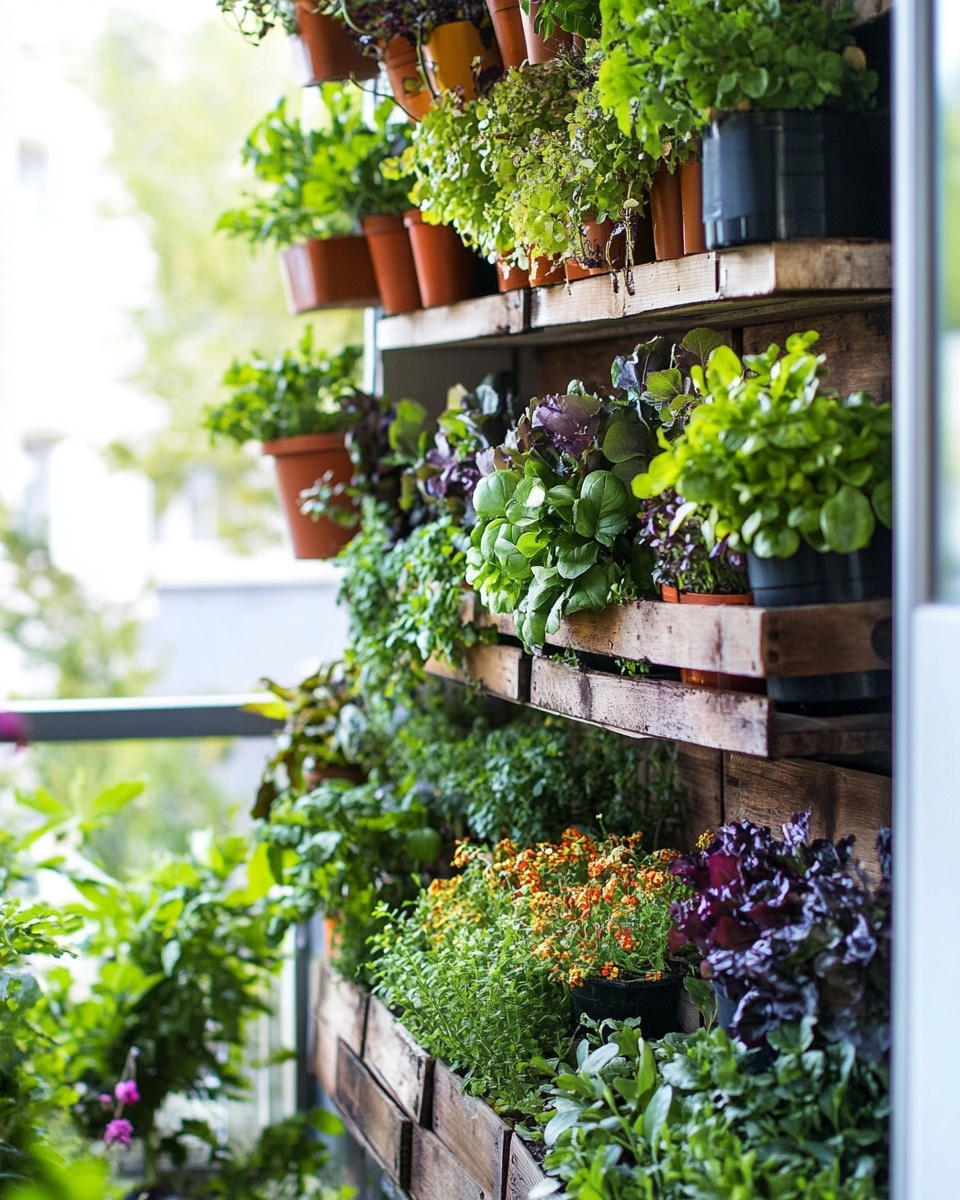
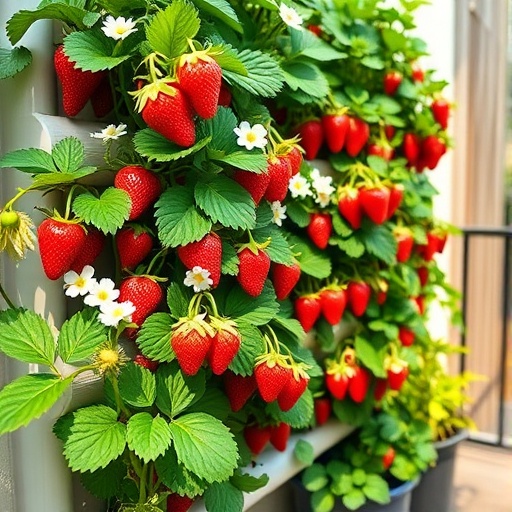
Did you know that despite urbanisation, over 70% of households in developed nations engage in some form of gardening, with a significant increase in recent years for cultivating edibles? Many aspiring gardeners, however, face the common challenge of limited outdoor space. If you've been dreaming of fresh, juicy strawberries but thought your small balcony or patio precluded it, think again! We're here to shatter those myths and show you how embracing small space vertical vegetable gardening ideas can transform your cramped quarters into a bountiful berry patch. Imagine plucking ripe, sweet strawberries right outside your door, even if that door opens onto a tiny apartment balcony. Vertical gardening is not just a trend; it's a revolutionary way to maximize your harvest in minimal square footage, offering aesthetic appeal and incredible productivity.
Tools & Materials Needed
To embark on your vertical strawberry journey, gathering the right tools and materials is half the battle won. Don't worry, many of these are budget-friendly and some can even be repurposed!
- Vertical Planter System: This is the cornerstone of your project. Options range from purpose-built vertical strawberry towers, tiered planters, stackable pots, pallet gardens, or even DIY hanging pocket systems. Consider materials like terracotta, recycled plastic (look for BPA-free options), or treated wood. For an eco-friendly alternative, old rain gutters or cleaned plastic bottles can be ingeniously repurposed into a cascading planter.
- Strawberry Plants or Runners: For quick results, purchase established strawberry plants (bare-root or potted). If you're patient and want to save money, strawberry runners from an existing plant are a great option. Choose everbearing or day-neutral varieties suitable for containers, such as 'Tristar', 'Seascape', or 'Evie 2', which often produce all season long.
- Potting Mix: A high-quality, well-draining potting mix is crucial. Look for a mix specifically formulated for containers, often containing perlite, vermiculite, and compost. Avoid heavy garden soil which compacts easily in pots. For an eco-friendly touch, blend in some homemade compost or worm castings.
- Gardening Gloves: Protect your hands while working.
- Small Trowel: Essential for filling planters and transplanting.
- Watering Can or Drip Irrigation System: Consistent watering is key for strawberries. A watering can is perfect for smaller setups, but a simple drip irrigation system can save time and water for larger vertical gardens.
- Pruning Shears: For removing spent leaves, runners, and old flowers.
- Organic Fertilizer: A balanced, slow-release organic granular fertilizer or a liquid feed (like fish emulsion or seaweed extract) will keep your strawberries thriving.
Time & Effort Overview
Starting a vertical strawberry garden is surprisingly manageable and incredibly rewarding.
- Initial Setup: Expect to spend 2-4 hours on the initial setup, including assembling your vertical planter, filling it with soil, and planting your strawberries.
- Daily Care: Daily checks for watering are essential, especially during warm weather. This usually takes 5-10 minutes.
- Weekly Maintenance: Around 15-30 minutes per week for pruning, checking for pests, and fertilizing.
- Growth Rate: Strawberries are known for relatively quick growth! You can often see flowers within 4-6 weeks after planting, with your first harvest of berries typically ready in 8-12 weeks, depending on the variety and starting material. This is comparable to many fast-growing herbs and edibles, making it an excellent choice for immediate gratification.
- Difficulty Level: We rate this project as Beginner to Intermediate. While the initial setup is straightforward, consistent watering and nutrient management are vital for a successful harvest. Don't worry, even beginners can achieve fantastic results with a little diligence!
Step-by-Step Gardening Process
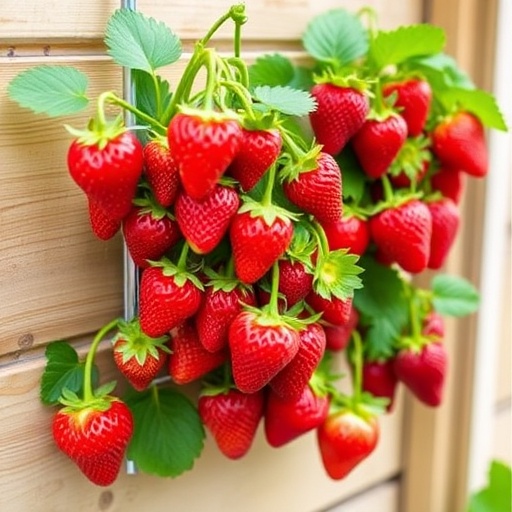
Ready to grow your own delicious berries? Let's get started with these easy-to-follow steps for your small space vertical vegetable gardening ideas.
1. Choose and Assemble Your Vertical Planter
First, decide on your vertical system. If you're using a ready-made vertical tower, follow the manufacturer's instructions for assembly. For DIY options like stacked pots, ensure they are stable and have good drainage. If repurposing pallets, make sure they are heat-treated (HT stamp) and not chemically treated (MB stamp).
2. Prepare Your Potting Mix
Mix your high-quality potting soil with any amendments you plan to use, such as compost or slow-release organic fertilizer. A good general rule is to add about 1 part compost to 3 parts potting mix. This provides essential nutrients and boosts beneficial microbial activity.
3. Plant Your Strawberries Carefully
Gently remove strawberry plants from their nursery pots or unwrap bare-root runners. Position each plant in its designated slot or pocket in your vertical planter. The "crown" (where the leaves emerge) should be at soil level, not buried too deep or left too exposed. Fill around the roots with your prepared potting mix, lightly firming it down to remove air pockets. Maintain adequate spacing between plants to allow for air circulation – generally 6-12 inches apart.
4. Initial Watering and Placement
After planting, give your strawberries a thorough initial watering. Ensure water drains from the bottom of your vertical system, indicating the soil is fully hydrated. Now, choose the perfect spot. Strawberries need at least 6-8 hours of direct sunlight per day to produce fruit. A south-facing balcony or patio is ideal. If you don't have enough direct sun, consider supplemental grow lights, especially for indoor vertical setups.
5. Ongoing Watering and Fertilizing
This is where consistency pays off. Feel the top inch of soil; if it's dry, it’s time to water. Vertical planters can dry out faster than traditional beds, sometimes requiring daily watering in hot, sunny conditions. Overwatering causes root rot in 60% of houseplants, so be mindful of drainage. For fertilizing, begin a feeding regimen about 2-3 weeks after planting. For organic growers, a liquid feed every 2-4 weeks or gentle top-dressing with compost works wonders.
6. Pruning and Pest Watch
Regularly remove any yellowing or dead leaves to encourage new growth and deter disease. Pinch off the first round of flowers from newly planted strawberries (especially everbearing varieties) to direct energy into root and foliage development, leading to bigger harvests later. Keep an eye out for common pests like aphids or slugs. A quick spray with neem oil or a strong jet of water can often resolve minor infestations. Don't worry if you spot a few bugs; often, beneficial insects will arrive to help!
Growth & Care Tips
Successful strawberry cultivation in a vertical garden hinges on a few critical factors:
- Watering Frequency: Strawberries prefer consistently moist, but not waterlogged, soil. Due to their elevated position and exposure, vertical planters tend to dry out more quickly. Check soil moisture daily by sticking your finger an inch deep. In hot weather or strong winds, you might need to water twice a day. Early morning is the best time to water, allowing foliage to dry before nightfall, reducing fungal disease risk.
- Sunlight Exposure: As mentioned, strawberries are sun-lovers. They need a minimum of 6-8 hours of direct sunlight daily for optimal fruit production and sweetness. In insufficient light, plants may produce lush foliage but sparse fruit.
- Pruning for Productivity: Pinch off runners as they appear, unless you want them to root new plants. Allowing too many runners drains energy from fruit production. For everbearing varieties, remove the first flush of flowers for the first few weeks to allow the plant to establish a strong root system, leading to higher yields later. Remove any discolored or damaged leaves throughout the season.
- Fertilization: Strawberries are moderate feeders. Use a balanced organic fertilizer (e.g., 5-5-5 or 10-10-10) every 3-4 weeks during the growing season. For fruiting, a fertilizer slightly higher in phosphorus and potassium can enhance berry development. A common mistake is over-fertilizing with nitrogen, which leads to leafy growth at the expense of fruit.
- Pest Prevention: The elevated nature of vertical gardens can naturally deter some ground-dwelling pests. However, birds love strawberries, so consider netting if bird damage becomes an issue. Aphids can be managed with insecticidal soap or a strong spray of water. Slugs and snails can sometimes climb, so regular checks and organic slug pellets (iron phosphate-based) can help. Companion planting with borage or calendula can also deter pests.
Eco-Friendly & Sustainable Alternatives
Incorporating sustainability into your small space vertical vegetable gardening ideas makes your harvest even sweeter.
- Composting: Start a small vermicompost bin (worm bin) or a countertop compost system to turn kitchen scraps into nutrient-rich compost. Mixing this into your potting soil reduces waste and enhances growing conditions without chemical fertilizers.
- Rainwater Harvesting: Set up a small rain barrel or simply collect rainwater in buckets to water your vertical garden. Rainwater is free of chlorine and other chemicals found in tap water, which plants often prefer.
- Repurposed Planters: Instead of buying new, consider upcycling. Old tires, plastic bottles, large tin cans, or even reclaimed wooden pallets can be transformed into creative vertical planters. Just ensure adequate drainage and food-safe materials if growing edibles.
- Natural Pest Control: Embrace beneficial insects! Plant marigolds or nasturtiums nearby to attract ladybugs and lacewings, which feast on aphids. Use homemade garlic or neem oil sprays for pest issues before resorting to chemical solutions.
- Water-Saving Techniques: Mulch the top of your vertical planters with straw or coco coir (if space allows) to reduce evaporation. A drip irrigation system, even a simple DIY one, directs water precisely to the roots, minimizing waste.
Creative Ideas & Uses
A vertical strawberry garden isn't just about food; it's a living piece of art!
- Edible Wall Art: Combine your strawberries with cascading herbs like thyme, oregano, or mint (in their own containers as mint can be invasive) for a beautiful and aromatic display. Imagine a living wall of fresh ingredients right outside your kitchen!
- Color & Texture: Interplant different strawberry varieties, like bright red June-bearers and creamy white alpine strawberries, to add visual interest. Add trailing edible flowers like nasturtiums for a pop of color and peppery goodness.
- Zone Integration: Position your vertical garden near a seating area, kitchen window, or entryway. This makes harvesting easy and injects fresh greenery into everyday spaces. You could even integrate small solar-powered lights into the structure for evening ambiance.
- Themed Vertical Gardens: Create a "berry patch" theme by adding other small fruiting plants like dwarf blueberries or miniature tomatoes to adjacent vertical planters, expanding your small space vertical vegetable gardening ideas beyond just strawberries.
- Children's Gardening Project: A vertical garden is perfect for kids! It’s at an accessible height, easy to understand, and offers quick rewards, fostering a love for gardening early on.
Common Mistakes to Avoid
Even seasoned gardeners make mistakes, but knowing these common pitfalls will help your vertical strawberry garden thrive:
- Insufficient Sunlight: The number one reason for poor fruit production. Less than 6 hours of direct sun will result in leggy plants and minimal berries. Move your planter or prune nearby foliage if light is an issue.
- Overwatering or Underwatering: Both extremes are detrimental. Overwatering leads to root rot, which affects up to 60% of container plants. Underwatering causes wilting and stunted growth. Consistent moisture, checked daily, is the key.
- Poor Drainage: Ensure your vertical planter has ample drainage holes. If water sits, roots will suffocate. Adding a layer of gravel at the bottom of each section in a DIY system can improve drainage, although modern potting mixes are often designed to drain well on their own.
- Planting Too Deep or Shallow: Burying the crown too deep can lead to rot, while planting too shallow exposes roots to drying out. The crown should be right at the soil surface.
- Neglecting Runners: Allowing too many runners to grow will sap energy from the main plant, resulting in fewer and smaller fruits. Prune them off regularly unless you plan to propagate new plants.
- Wrong Soil Type: Using heavy garden soil instead of lightweight potting mix compacts in containers, restricting root growth and drainage. Always opt for a high-quality, well-draining potting mix.
Maintenance & Storage Tips
Long-term success with your vertical strawberry garden requires ongoing care and planning:
- Re-potting / Soil Refresh: Strawberry plants are typically productive for 2-3 years. After this, their vigor declines. Consider replacing plants every couple of years. For established plants, you can top-dress with fresh compost annually to replenish nutrients.
- Overwintering (if applicable): In colder climates (USDA zones 4-6), vertical strawberry planters may need protection. You can bring smaller units indoors to a cool, bright spot, or wrap outdoor planters with burlap and straw to insulate them. Another option is to temporarily transplant them into a garden bed for winter.
- Pest and Disease Management: Stay vigilant. Regularly inspect plants for pests or signs of disease. Early detection is key. For example, powdery mildew can be treated with a baking soda spray (1 tsp baking soda per quart of water).
- Harvesting: Pick strawberries when they are fully red and easily detach from the plant. Harvest regularly to encourage more fruiting. Early morning is the best time for harvesting.
- Tool Maintenance: Clean your pruning shears after each use, especially if you're pruning diseased plants, to prevent spreading pathogens. Sharpen them periodically for clean cuts.
Conclusion
Embracing small space vertical vegetable gardening ideas for strawberries is an incredibly fulfilling endeavor. You've learned that limited space is no longer an obstacle but an opportunity to cultivate a thriving, productive garden. From selecting your vertical system and preparing your soil to the nuanced care of watering, pruning, and protection, you now have the knowledge to grow fresh, delicious strawberries right at your fingertips. The benefits extend beyond fresh produce; it’s about sustainable living, connecting with nature, and adding a touch of green beauty to your urban environment.
So, what are you waiting for? Grab your trowel, choose your favorite strawberry variety, and start planting today! Share your vertical strawberry garden photos with us on social media—we’d love to see your progress! What will your first harvest be used for? A fresh smoothie, a pie, or simply eaten right off the plant? The possibilities are endless.
FAQ
Q1: How much sun do strawberries really need in a vertical garden?
A: Strawberries are sun-worshippers, thriving on at least 6-8 hours of direct sunlight daily for optimal fruit production and sweetness. Position your vertical garden in the brightest spot you have.
Q2: What's the best soil mix for vertical strawberry planters?
A: A high-quality, well-draining potting mix is essential. Look for one enriched with compost, perlite, or vermiculite. Avoid heavy garden soil, which compacts too much in containers.
Q3: How often should I water my vertical strawberry plants?
A: Vertical planters tend to dry out faster. Check the top inch of soil daily. If it feels dry, it's time to water thoroughly until you see drainage. In hot or windy conditions, this might mean watering once or even twice a day.
Q4: Can I use organic fertilizers for my vertical strawberry garden?
A: Absolutely! Organic granular fertilizers or liquid feeds like fish emulsion or seaweed extract are excellent choices. Apply a balanced organic fertilizer every 3-4 weeks during the growing season to support robust growth and fruiting.
Q5: How many years will strawberry plants produce in a vertical garden?
A: Strawberry plants are typically productive for 2-3 years, sometimes up to 4, before their vigor declines. Consider replacing them with new plants or runners after this period for continued bountiful harvests.
Q6: Can I grow other vegetables with my strawberries in a vertical setup?
A: While strawberries are great for vertical gardens, be mindful of companion planting. Some herbs like thyme or oregano can grow well alongside them. For more insights on maximizing your produce, check out our guide on "Best Vegetables to Grow for Beginners".
Q7: My apartment has very little direct sunlight. Can I still do vertical gardening?
A: Yes, you can! While direct sunlight is best, you can supplement with grow lights. For more advanced indoor gardening hacks, explore our guide on "Vertical Indoor Garden Ideas for Small Spaces".
Q8: What if I want to dry my extra strawberries?
A: Drying strawberries is a fantastic way to preserve them! For tips on drying and storing other garden produce, you might find inspiration in our article about "How to Dry and Store Fresh Herbs".
Looking for more inspiration to green up your compact living area? Explore these related guides:
- For comprehensive gardening advice, check out our article on "How to Start a Vegetable Garden from Scratch".
- If you're eager to expand your vertical gardening repertoire, take a look at "DIY Indoor Herb Garden for Small Kitchens" for creative ideas.
- Don't forget to visit our Pinterest board for more visual ideas and inspiration for your vertical gardening projects! You can find fantastic visual guides, like this one, on how to design beautiful, space-efficient garden setups and more gardening content at Pinterest.