Introduction
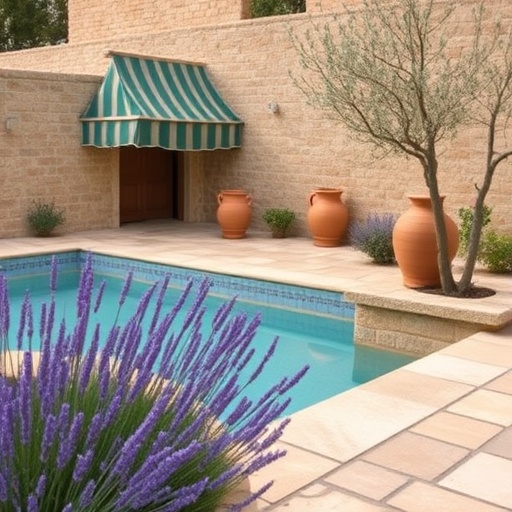
Have you ever gazed at a pristine poolside vista and wondered how to infuse that same serene, sun-kissed elegance into your own backyard? Creating a stunning Mediterranean Garden Design doesn’t have to be a pipe dream reserved for lavish resorts. Imagine soft lavender swaying gently in the breeze, the vibrant crimson of bougainvillea cascading over terracotta pots, and the invigorating scent of rosemary filling the air. This guide will walk you through transforming any outdoor space into a tranquil, evocative Mediterranean oasis, even if you’re a complete gardening novice. We'll explore how to blend drought-tolerant plants, natural materials, and strategic aesthetics to achieve that timeless, effortless Mediterranean charm right in your own garden.
Tools & Materials Needed
Embarking on your Mediterranean Garden Design journey requires a thoughtful selection of tools and materials. Here’s a breakdown:
- Gardening Gloves: Protect your hands from dirt, thorns, and irritants. Opt for durable, breathable varieties made from natural fibers.
- Trowel & Spade: Essential for digging planting holes, mixing soil, and moving smaller amounts of material. A high-quality stainless steel set will last for years.
- Pruning Shears/Secateurs: For shaping plants, removing dead growth, and promoting bushier foliage. Look for ergonomic designs.
- Wheelbarrow or Gardening Cart: Invaluable for transporting soil, mulch, stones, and larger plants.
- Watering Can or Hose with a Gentle Sprayer: Consistent, even watering is key, especially during establishment.
- Soil: A well-draining, slightly alkaline soil mix is ideal for most Mediterranean plants. Consider a sandy loam or amend existing soil with compost and sand.
- Plants: Focus on drought-tolerant, sun-loving varieties such as lavender, rosemary, olive trees, cypress, bougainvillea, agapanthus, and succulents.
- Pots & Planters: Terra-cotta pots are iconic for Mediterranean aesthetics. Choose unglazed varieties for better breathability.
- Mulch: Gravel, crushed stone, or bark mulch helps retain soil moisture, suppress weeds, and regulate soil temperature.
- Garden Fabric/Weed Barrier (Optional): Highly recommended under gravel paths or beds to further prevent weed growth.
Eco-Friendly/Budget-Friendly Alternatives: Repurpose old tires as raised beds, use salvaged bricks or stones for borders, create DIY planters from recycled plastic containers painted to look like terra cotta, or forage for natural elements like driftwood or smooth river stones for decorative accents. Consider composting your kitchen scraps to create nutrient-rich soil amendments instead of buying commercial fertilizers.
Time & Effort Overview
Creating a beautiful Mediterranean Garden Design is an investment, but a truly rewarding one. Initial setup, including soil amendment and planting, might take 2-3 full weekends for a medium-sized area (e.g., 200 sq ft). Once established, these gardens are surprisingly low-maintenance. Compared to a traditional English cottage garden, which often requires daily deadheading and frequent watering, a Mediterranean garden typically needs 25% less watering and significantly less intricate pruning, especially after its first year.
The difficulty level is intermediate. While planting individual species is generally easy, the art of combining them aesthetically, understanding their specific light and water needs, and achieving that balanced, natural look requires a bit of planning and observation. However, with this guide, even beginners can confidently tackle this project!
Step-by-Step Gardening Process
Let's break down the journey to your dream Mediterranean Garden Design into manageable steps.
Plan Your Layout and Plant Selection
Start by sketching your space. Consider sun exposure throughout the day, existing features, and where you envision gathering or relaxing. Research Mediterranean plants suitable for your climate zone, paying attention to their mature size, color, and texture. Don't worry if your initial sketches aren't perfect; they're just a guide!
Prepare the Soil
Good drainage is paramount for a Mediterranean garden design. If you have heavy clay soil, amend it generously with organic compost, coarse sand, and gravel to improve drainage and aeration. Aim for a soil pH that is slightly alkaline (7.0-8.0), which can be achieved by adding agricultural lime if your soil is acidic.
Install Hardscaping and Paths
Before planting, lay down any paths, patios, or borders. Gravel, crushed stone, and natural paving stones are classic choices that enhance the Mediterranean aesthetic. Use a weed barrier fabric beneath permeable surfaces to minimize future weeding.
Position Your Plants
Arrange your potted and bare-root plants in their intended locations before digging. This allows you to visualize the final look, ensuring proper spacing and ideal height distribution. Group plants with similar water and light requirements together. Step back and admire your arrangement – adjust as needed!
Digging and Planting
Dig a hole twice as wide as the root ball and just as deep. Gently remove the plant from its container, teasing out any circling roots. Place the plant in the hole so that the top of the root ball is level with the surrounding soil. Backfill with your amended soil, gently firming it around the base of the plant to remove air pockets.
Watering and Mulching
Immediately after planting, water thoroughly to settle the soil. Once the water drains, apply a 2-3 inch layer of gravel or crushed stone mulch around the base of your plants. This is crucial in a Mediterranean Garden Design as it helps retain moisture, suppress weeds, and reflect sunlight, keeping roots cooler.
Initial Pruning and Training
For some plants, light initial pruning can encourage bushier growth or help shape them into their desired form. For instance, pinching back lavender young shoots can promote a more compact shape.
Growth & Care Tips
Your Mediterranean Garden Design will thrive with consistent, smart care.
- Watering Frequency: While drought-tolerant, newly planted specimens need regular watering until established, typically for the first 1-2 growing seasons. Once mature, water deeply but infrequently, allowing the soil to dry out completely between waterings. Overwatering is the biggest killer for these plants, contributing to root rot in 60% of cases. Observe your plants; wilting leaves often signal a need for water, but soft, yellowing leaves can indicate too much.
- Sunlight Exposure: Most Mediterranean plants demand full sun – at least 6-8 hours of direct sunlight daily. Observe your garden’s light patterns before planting to ensure optimal placement.
- Pruning: Prune after flowering to maintain shape and encourage new blooms. For woody herbs like rosemary and lavender, avoid cutting into old wood extensively, as it may not regrow. Regular light shaping is better than drastic cuts.
- Fertilization: Mediterranean soils are often naturally lean. These plants generally don't require heavy fertilization. A light application of balanced, slow-release organic fertilizer in early spring is usually sufficient. Over-fertilizing can lead to leggy growth at the expense of flowers and fragrance.
- Pest Prevention: Healthy plants are naturally more resistant to pests. Encourage beneficial insects like ladybugs by planting companion flowers. If pests arise, try natural solutions first, such as a neem oil spray or insecticidal soap. Data shows that integrated pest management (IPM) practices reduce pesticide use by over 80% while effectively managing infestations.
Eco-Friendly & Sustainable Alternatives
Embrace sustainability in your Mediterranean Garden Design.
- Composting: Start a compost pile with kitchen scraps and garden waste. This "black gold" enriches your soil naturally, reducing the need for synthetic fertilizers.
- Water Conservation: Beyond drought-tolerant plants, consider installing drip irrigation or soaker hoses to deliver water directly to the root zone, minimizing evaporation. Rain barrels can collect rainwater for irrigation.
- Natural Fertilizers: Beyond compost, use fish emulsion, worm castings, or alfalfa meal as organic alternatives to chemical fertilizers.
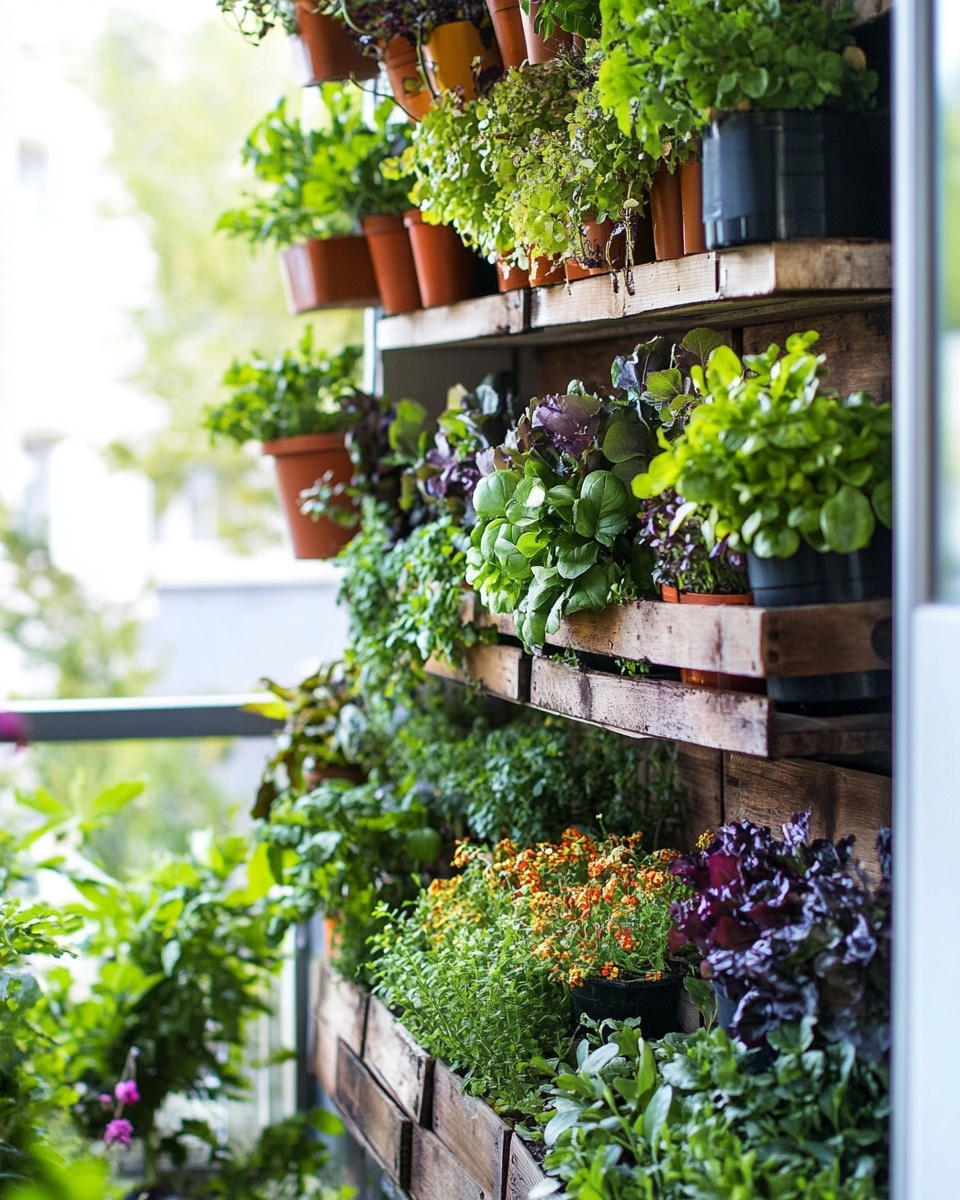
- Alternatives for Small Spaces: Don't have a sprawling backyard? Create a captivating Mediterranean feel with container gardening on a balcony or patio. Terracotta pots filled with lavender, rosemary, and dwarf olive trees can be incredibly effective. Vertical gardens can also cleverly maximize space, allowing you to grow herbs and smaller flowering plants upwards. If you're looking for clever ways to extend your gardening to small spaces, you might also like these tips on small apartment indoor gardening hacks.
Creative Ideas & Uses
A Mediterranean Garden Design is as much about aesthetics as it is about plant life.
- Decorate with Plants: Use terracotta amphoras or mosaic-tiled planters as focal points. Arrange varying heights of potted herbs to create visual interest. Consider an espaliered citrus tree against a warm-toned wall for a touch of class.
- Repurpose Garden Materials: Old wooden crates can become herb planters; vintage ceramic tiles can be broken and used for mosaic stepping stones; even old wine bottles can be upcycled into charming garden borders.
- Combine Plants Aesthetically: Think contrast and complement. Pair the silvery foliage of olive trees with the deep green of rosemary. Combine textured lavender with the smoother leaves of succulents. Cascading bougainvillea adds a vibrant splash of color against a backdrop of sturdy cypress. Incorporate plants that offer year-round interest, like evergreens and plants with interesting winter seed heads. For added inspiration, particularly for containers, check out how to grow tomatoes in pots for ideas that can be adapted to other Mediterranean herbs and edibles.
Common Mistakes to Avoid
Even seasoned gardeners make errors. Here's how to steer clear of common pitfalls in your Mediterranean Garden Design:
- Overwatering: As mentioned, this is number one. Root rot is a silent killer. Always check soil moisture with your finger before watering.
- Poor Drainage: Planting drought-tolerant species in heavy, unamended clay soil will lead to struggle or death. Invest time in proper soil preparation.
- Ignoring Mature Sizes: A small plant might look cute now, but if it grows into a massive shrub, it will overcrowd your space. Read plant tags carefully!
- Lack of Sun: Placing sun-loving Mediterranean plants in partial shade will result in leggy growth, fewer flowers, and reduced fragrance.
- Too Much Fertilizer: These plants thrive in nutrient-poor conditions. Excessive feeding can lead to weak growth and attract pests.
- Planting Non-Native Species: While attractive, plants not suited to a Mediterranean climate might demand excessive water or care, defeating the purpose of a low-maintenance, sustainable garden.
Maintenance & Storage Tips
Maintaining the allure of your Mediterranean Garden Design involves ongoing, yet simple, care.
- Long-term Plant Health: Regular, light pruning (often called "tip pruning") encourages dense growth and keeps plants looking tidy. Remove spent flowers to encourage further blooming or prevent self-seeding where undesirable. Inspect plants periodically for signs of stress or pests.
- Seasonal Care: In colder climates, some Mediterranean plants, especially those in pots, may need protection during winter. Move pots indoors or to a sheltered location. Established woody plants often benefit from a protective layer of mulch around their base before winter.
- Solutions for Common Issues:
- Yellow Leaves: Often a sign of overwatering or nutrient deficiency. Test soil and adjust watering schedule.
- Poor Soil Drainage: If existing beds struggle, consider raised beds or adding more grit/sand to improve permeability. For potted plants, ensure drainage holes aren't blocked.
- Leggy Growth: Usually due to insufficient sunlight or too much fertilizer. Move plants to a sunnier spot or reduce feeding.
- Flowering Issues: Could be a lack of sun, improper pruning (cutting off flower buds), or a need for a little light potassium boost.
Conclusion
Creating a beautiful Mediterranean Garden Design offers a blend of sensory delight, sustainable practices, and timeless beauty. From the initial planning of sun-drenched spots for lavender and rosemary to the rewarding sight of your established oasis, every step brings you closer to that tranquil getaway right outside your door. You've learned about essential tools, detailed planting processes, and crucial care tips to ensure your garden flourishes. Now, envision yourself sipping an iced tea amidst the fragrant herbs, the gentle rustle of olive leaves, and the warm glow of terracotta. It’s more than just a garden; it’s a lifestyle.
Ready to dig in? Start transforming your space today! Share your questions and progress photos in the comments below – we'd love to see your Mediterranean dreams come to life! You may also enjoy reading about creative indoor plant decor ideas for adding a touch of green indoors, or explore more about various gardening styles on Pinterest.
FAQ
Q1: What are the absolute must-have plants for a Mediterranean Garden Design?
A1: Lavender, rosemary, olive trees, cypress, bougainvillea, and various succulents are essential for capturing the quintessential Mediterranean feel. Their drought tolerance, stunning aesthetics, and aromatic qualities are key.
Q2: How often should I water my newly planted Mediterranean garden?
A2: For the first 1-2 growing seasons, water deeply 2-3 times a week, allowing the topsoil to dry out slightly between waterings. Once established, reduce watering to once every 1-2 weeks or even less, depending on your climate, as these plants thrive in drier conditions.
Q3: Can I create a Mediterranean garden in a cold climate?
A3: Yes, with some modifications! Choose cold-hardy varieties of Mediterranean plants, plant in containers that can be moved indoors during winter, and provide extra mulch for insulation. Research your specific USDA hardiness zone for best plant choices.
Q4: Is gravel necessary for a Mediterranean Garden Design?
A4: While not strictly "necessary" for plant survival, gravel is highly recommended. It significantly enhances the aesthetic, mimics natural Mediterranean landscapes, helps retain soil moisture by reducing evaporation, and suppresses weeds, making it a functional and beautiful element.
Q5: What kind of soil is best for Mediterranean plants?
A5: Well-draining, somewhat sandy, and slightly alkaline soil is ideal. If your soil is heavy clay, amend it generously with coarse sand, gravel, and organic compost to improve drainage and aeration, which is crucial for these plants.
Q6: My lavender isn't flowering much. What could be wrong?
A6: Lack of flowering is often due to insufficient sunlight (needs at least 6-8 hours daily), overwatering, or too much nitrogen-rich fertilizer. Ensure it gets full sun, reduce watering, and consider a light feed with a low-nitrogen, high-phosphorus fertilizer.
Q7: Can I grow a Mediterranean garden in pots?
A7: Absolutely! Many Mediterranean plants, especially herbs like rosemary, thyme, and even dwarf olive or citrus trees, thrive in terracotta pots. Ensure adequate drainage holes and use a good quality potting mix designed for containers to keep your Mediterranean Garden Design flexible and vibrant.