Introduction
Did you know that over 70% of homeowners dream of a tranquil outdoor space, yet only a fraction actively pursue creating one due to perceived complexity? Crafting stunning landscaping ideas doesn't have to be an overwhelming endeavor. Many believe that breathtaking garden design requires a significant budget or professional intervention, but with the right guidance, a captivating rock garden can be a surprisingly accessible and rewarding project. Imagine a serene oasis where natural beauty harmonizes with low maintenance, a unique landscape feature that not only enhances curb appeal but also provides a peaceful retreat. Let's delve into how you can bring your rock garden vision to life with practical insights and creative flair.
Tools & Materials Needed
Embarking on a rock garden project is an exciting journey, and having the right tools and materials is your first step towards success. Here’s a detailed breakdown:
- Rocks, Boulders, and Gravel: This is the heart of your rock garden!
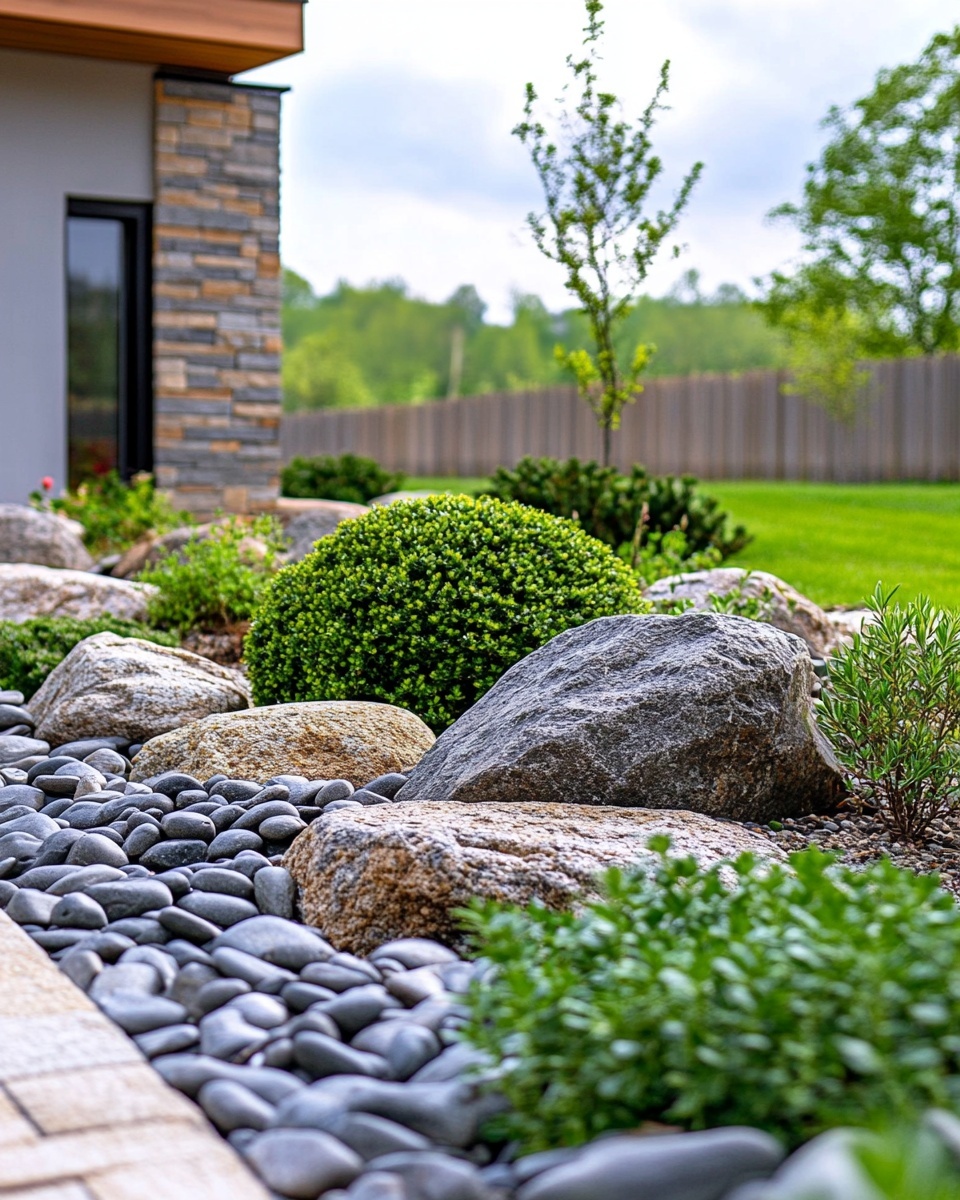
- Large Accent Boulders: Opt for locally sourced rocks to blend seamlessly with your natural environment. For a budget-friendly option, check with local quarries or construction sites; sometimes they offer "seconds" at a reduced price. These provide the essential structure and focal points.
- Medium-Sized Rocks: Perfect for creating naturalistic groupings and defining pathways.
- Pebbles/Gravel: Ideal for drainage, mulching, and creating attractive ground cover. Consider recycled crushed concrete as an eco-friendly alternative!
- Soil Mix:
- Well-Draining Soil: Most rock garden plants thrive in lean, well-draining soil. A mix of 50% grit (like horticultural grit or fine gravel), 25% sharp sand, and 25% compost is often ideal. This mimics their natural habitat and prevents root rot, a common issue in heavily organic soils.
- Plants:
- Drought-Tolerant Varieties: Think succulents, alpines, small conifers, and ornamental grasses. These thrive in rocky, arid conditions. Examples include Sedum, Sempervivum, creeping thyme, and various dwarf conifers.
- Native Plants: An excellent eco-friendly choice, as they require less water and maintenance once established.
- Gardening Tools:
- Shovel and Spade: For digging and moving soil.
- Wheelbarrow: Essential for transporting rocks, soil, and gravel efficiently.
- Gardening Gloves: Protect your hands, especially when handling rough rocks.
- Hand Trowel: For precise planting.
- Rake: To spread gravel and level the ground.
- Landscape Fabric: (Optional but highly recommended) To suppress weeds and separate soil layers, ensuring better drainage. Biodegradable options made from natural fibers are a sustainable choice.
- Watering Can or Hose: For initial watering of plants.
For those on a tighter budget, scavenging for unique rocks in fields (with permission!) or utilizing old bricks and concrete pieces can add character. Remember, quality over quantity often applies to boulders – a few thoughtfully placed large rocks make a bigger impact than many small scattered ones.
Time & Effort Overview
Creating a rock garden, especially with thoughtful landscaping ideas, is a project that balances initial effort with long-term low maintenance.
- Planning & Design (2-5 hours): This crucial phase involves sketching your layout, selecting rocks, and choosing plants. Don't rush this!
- Site Preparation (4-12 hours, depending on size): Clearing existing vegetation, leveling, and creating drainage layers. This can vary significantly; a small 5×5 foot bed might take an afternoon, while a larger, sloped area can span a weekend.
- Rock Placement (6-20 hours): This is the most labor-intensive part. Moving large boulders requires care and sometimes assistance.
- Planting (3-8 hours): Once your rocks are set, planting the chosen flora is relatively quick.
- Initial Watering & Mulching (1-2 hours): Finishing touches.
Total project time can range from a dedicated weekend (16-20 hours) for a small, simple rockery to several weekends (30-50 hours) for a larger, more intricate design. Compared to a high-maintenance perennial border, which requires weekly deadheading and consistent feeding, a well-designed rock garden demands significantly less ongoing care – perhaps 75% less weekly maintenance after establishment. Its difficulty level is intermediate due to the heavy lifting involved and the need for careful plant selection and drainage planning. However, with good planning and patience, even a confident beginner can tackle a smaller-scale rock garden project.
Step-by-Step Gardening Process
Let's break down how to transform your space with exciting landscaping ideas into a beautiful rock garden.
Choose Your Location
Select a spot that receives at least 6 hours of sunlight daily, as most rock garden plants are sun-lovers. Consider natural slopes or undulating terrain; these are perfect canvases for rock gardens and often offer better drainage.
Prepare the Site
Clear the area of any existing weeds, grass, and debris. Dig down about 6-12 inches, removing any large roots. For optimal drainage, especially in heavy clay soils, consider adding a 4-6 inch layer of coarse gravel or rubble at the bottom of your excavated area. This acts as a French drain, crucial for plants that hate "wet feet."
Define Your Design
Before moving heavy rocks, lay out your design with string, spray paint, or even cardboard cutouts. Think about how the different rock sizes will interact. Create clusters rather than scattering rocks evenly. Refer to natural rock formations for inspiration – they rarely appear in neat rows.
Place the Largest Boulders First
This is the foundational step. Carefully position your largest accent boulders, embedding them partially into the ground (about 1/3 of their size) for stability and a natural look. Think about creating visual peaks and valleys. Don’t worry if they don't look perfect initially; you can adjust them slightly. Ensure they have a slight tilt inwards to direct rainwater towards their bases, benefiting the plants growing nearby.
Add Medium Rocks and Pathways
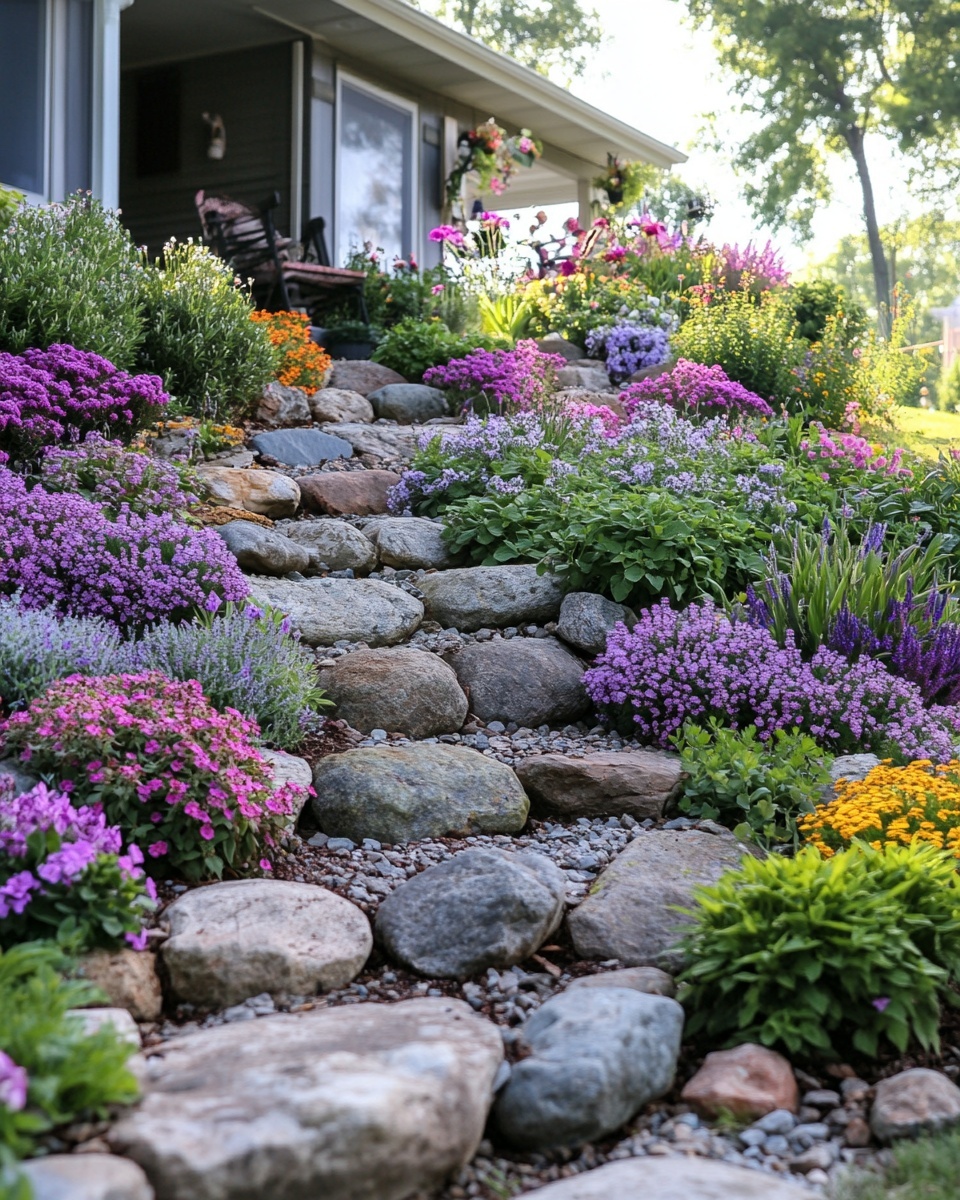
Once the main boulders are in place, integrate medium-sized rocks to connect the large ones, forming naturalistic groupings and contours. If you plan to have a path, use flat, sturdy stepping stones or large pebbles for this.
Create Planting Pockets
Fill the gaps between rocks with your well-draining soil mix. Create pockets of varying depths and sizes suitable for the root balls of your chosen plants. Ensure the soil level is slightly below the rock edges to prevent overflow during watering.
Plant Your Chosen Flora
Carefully remove plants from their containers, gently tease out any circling roots, and plant them in the prepared pockets. Ensure the crown of the plant is level with the surrounding soil. Space them according to their mature size, remembering that initially, they might look small but will fill out. For a detailed guide on vegetable gardening, you might find useful tips on plant spacing and soil preparation here: https://pincraftpro.com/how-to-start-a-vegetable-garden-from-scratch-2/
Water Thoroughly
After planting, give everything a good, deep watering. This settles the soil around the roots and removes air pockets.
Apply Gravel Mulch
Spread a 1-2 inch layer of gravel or small pebbles around your plants. This not only enhances the aesthetic but also helps suppress weeds, retain soil moisture, and improve drainage around the plant crowns.
Growth & Care Tips
Your rock garden, a testament to thoughtful landscaping ideas, will flourish with just a little ongoing attention.
- Watering: While drought-tolerant, young plants need regular watering until established. For established rock gardens, water deeply but infrequently, allowing the soil to dry out between waterings. Overwatering is the number one killer of rock garden plants, causing root rot in approximately 60% of cases. Typically, once a week during dry periods is sufficient after the first year.
- Sunlight Exposure: Most rock garden plants demand full sun (6+ hours daily). Observe how sun patterns shift through seasons and plan accordingly. South or west-facing slopes are generally ideal.
- Pruning: Minimal pruning is usually required. Remove spent flowers to encourage further blooms or trim back leggy growth to maintain shape. Small conifers might need occasional structural pruning.
- Fertilization: Rock garden plants generally prefer lean soil and don't require heavy feeding. A light application of a balanced, slow-release granular fertilizer in early spring, or a thin layer of compost every 2-3 years, is usually more than enough. Excessive nitrogen can lead to lush, weak growth susceptible to pests and diseases.
- Pest Prevention: Rock garden plants are often quite hardy. Good air circulation, proper drainage, and avoiding overwatering are your best defenses against fungal diseases. Keep an eye out for common pests like aphids or spider mites; a strong spray of water or an insecticidal soap can typically manage them. Healthy plants are naturally more resistant to pest infestations.
Eco-Friendly & Sustainable Alternatives
Embrace sustainability in your rock garden landscaping ideas to create a truly harmonious outdoor space.
- Composting: Instead of chemical fertilizers, top-dress your rock garden with homemade compost. It slowly releases nutrients, improves soil structure, and reduces waste. Learn more about organic practices here: https://pincraftpro.com/organic-fertilizer-recipes-for-herb-gardens/
- Water Conservation: Utilize rain barrels to collect rainwater for irrigation. Group plants with similar watering needs together to optimize water usage. Drip irrigation systems are highly efficient, delivering water directly to the root zone, reducing evaporation by up to 50% compared to sprinklers.
- Native Plants: Prioritize native plants adapted to your local climate. They require less water, fertilizer, and pest control, and they support local wildlife, contributing to biodiversity.
- Recycled Materials: Source rocks from local excavations or use recycled broken concrete or bricks. Old ceramic pieces can even be incorporated as decorative accents.
- Small Spaces: Don't have a sprawling yard? You can still create a stunning rock feature:
- Container Rock Gardens: Use broad, shallow containers and arrange smaller rocks and miniature alpine plants. Perfect for balconies or patios.
- Raised Beds: Build a low raised bed specifically for a rock garden, offering excellent drainage and visual interest in compact spaces.
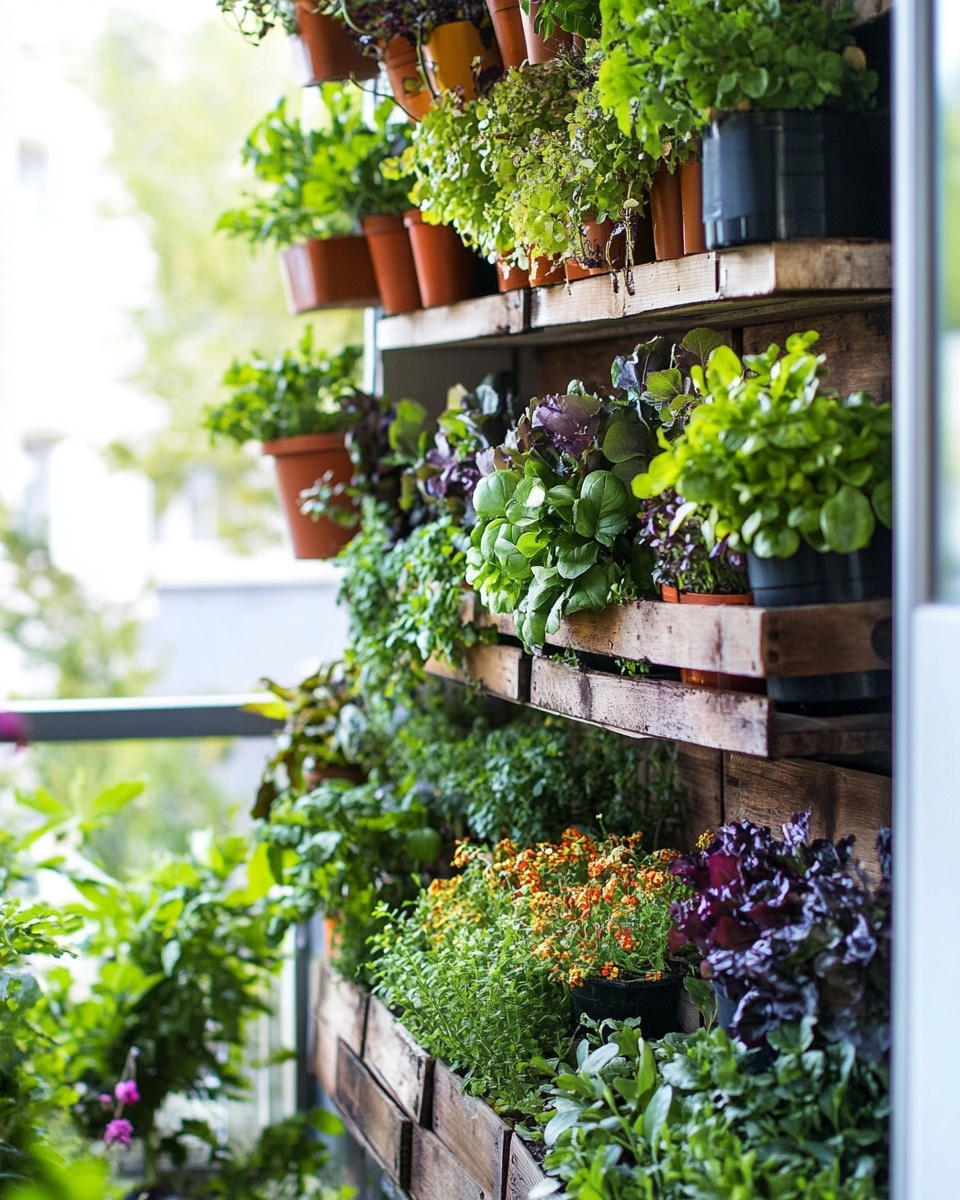
- Vertical Rock Features: Integrate small rocks into vertical garden panels, interspersed with drought-tolerant succulents.
Creative Ideas & Uses
Unleash your creativity and elevate your rock garden with compelling landscaping ideas.
- Contrasting Textures: Combine smooth river stones with jagged, rough boulders for dynamic visual interest. Pair fine-textured creeping plants with bold, sculptural succulents.
- Integrated Water Features: A small, recirculating waterfall or a miniature pond nestled within rocks can add sensory delight – the sound of trickling water is incredibly soothing.
- Night Lighting: Strategically placed solar-powered uplights can dramatically transform your rock garden at night, highlighting specific boulders or plant textures.
- Driftwood Accents: Incorporate weathered driftwood for an organic, naturalistic touch, especially if your rock garden has a coastal or woodland theme.
- Miniature Gardens: Create miniature worlds using dwarf conifers, tiny groundcovers, and small decorative elements like fairy garden figurines. This is an enchanting way to personalize your oasis.
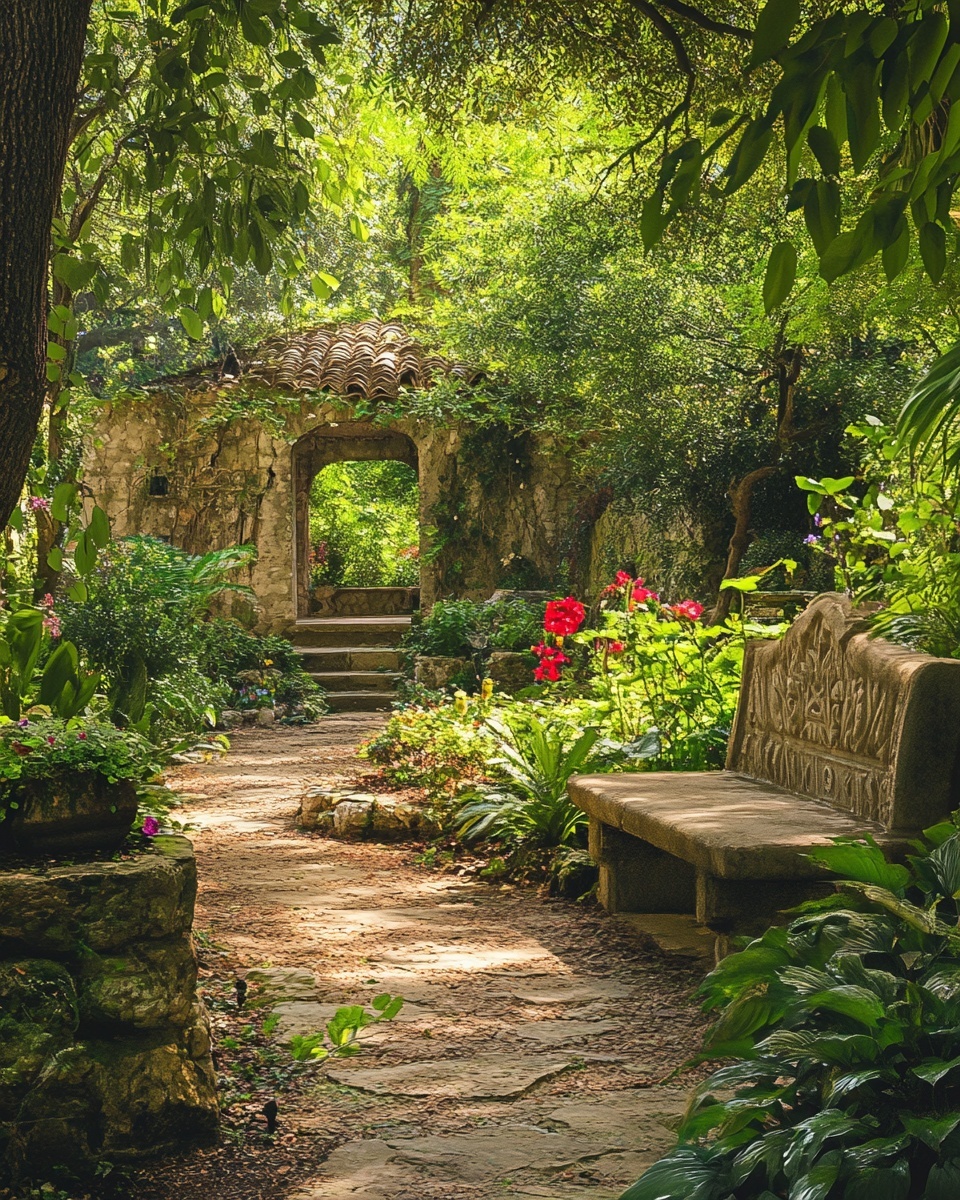
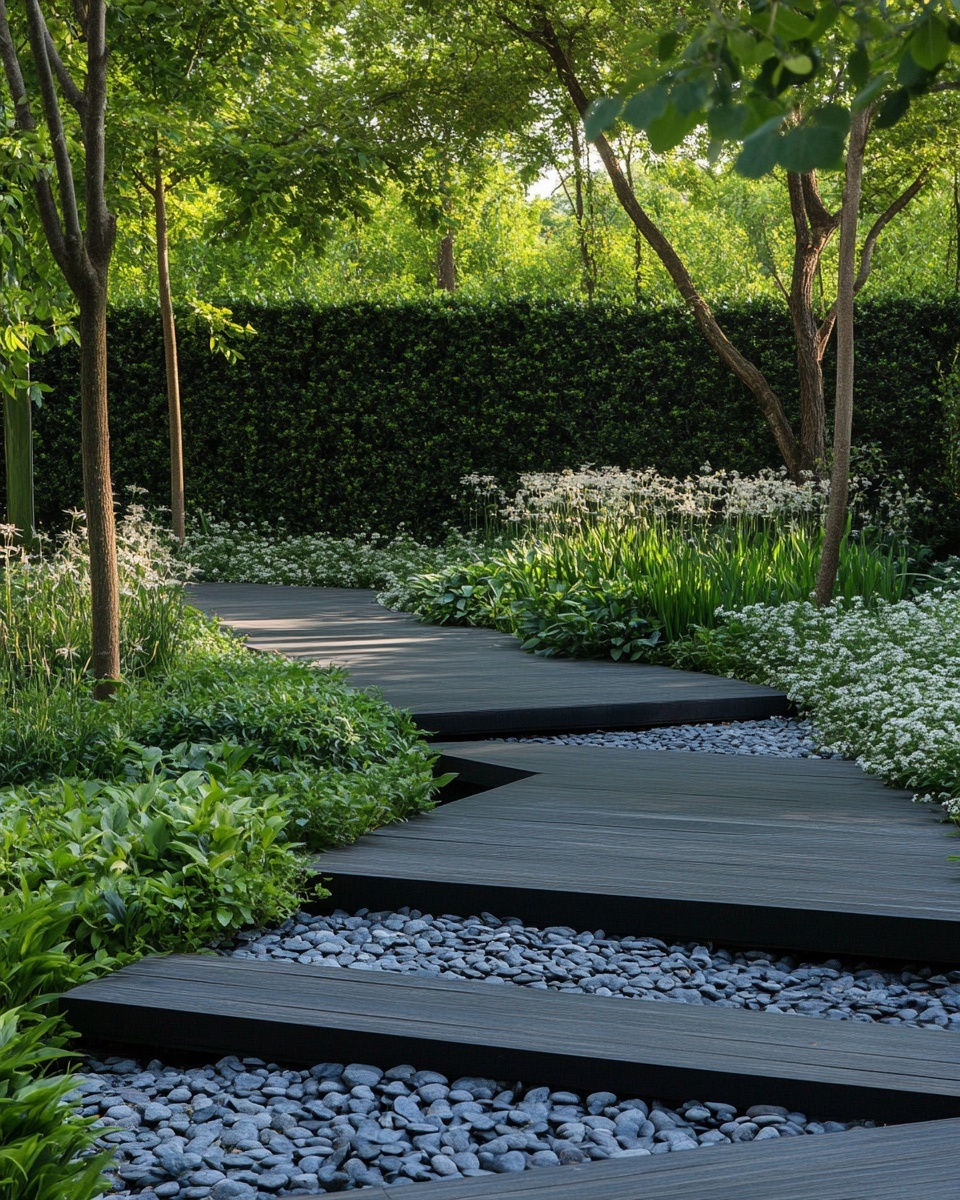
- Pathways and Steps: Use flat, sturdy rocks to create winding paths or informal steps through larger rock garden areas. This encourages exploration and interaction with the landscape. You can find inspiration for backyard lighting for pool areas, which often involves similar aesthetic principles: https://pincraftpro.com/backyard-lighting-ideas-for-pool-areas/
- Artful Groupings: Arrange rocks in odd numbers (3, 5, 7) for a more natural and visually pleasing effect. Pay attention to their scale – larger rocks should dominate, with smaller ones acting as supporting elements. For more backyard inspiration, check out our guide on modern backyard landscaping ideas with pools: https://pincraftpro.com/modern-backyard-landscaping-ideas-with-pool/
Common Mistakes to Avoid
Even seasoned gardeners make slip-ups. Being aware of these common pitfalls will help ensure your rock garden thrives, making your initial landscaping ideas a success.
- Poor Drainage: The number one killer of rock garden plants. If water sits, roots rot. Always ensure adequate sub-surface drainage, especially if your native soil is heavy clay. Over 60% of rock garden plant failures are linked to insufficient drainage.
- Overwatering: While related to drainage, this is a separate issue. Even with perfect drainage, too much water, too often, will drown your plants. Rock garden plants prefer dry conditions between waterings.
- Using Uniform Rocks: A rock garden with stones all the same size and shape looks unnatural and dull. Variety in size, color, and texture is key to creating visual interest and depth.
- Scattering Rocks: Rocks randomly scattered look like an afterthought. Group them purposefully, thinking about natural patterns and creating visual flow. Embed rocks partially to make them look like they’ve always been there.
- Planting Water-Loving Plants: Don't try to force moisture-loving plants into a dry rock garden environment. Stick to drought-tolerant, alpine, and succulent varieties that naturally thrive in these conditions. This mismatch leads to plant failure over 80% of the time, according to horticultural studies.
- Neglecting Weed Control: Weeds can quickly take over, especially in the gravel layer. While landscape fabric helps, regular weeding, particularly in the early stages, is essential.
- Ignoring Mature Plant Size: What looks cute and small at the nursery can become a monster. Research the mature size of your plants and space them accordingly to avoid overcrowding. Overcrowding leads to poor air circulation and increased disease risk.
- Too Much Organic Matter: While some compost is good, too much rich, organic soil holds excessive moisture, which is detrimental to most rock garden plants. Their natural habitat is often nutrient-poor.
Maintenance & Storage Tips
Ensuring the longevity of your rock garden and related materials hinges on smart maintenance and storage. These tips will help preserve your beautiful landscaping ideas.
- Seasonal Checks: In spring, inspect your rock garden for any rocks that may have shifted or settled over winter. Top up gravel mulch if needed. In fall, remove fallen leaves and debris to prevent moisture buildup and disease.
- Weeding: Regular, shallow weeding is crucial. Hand-pulling weeds, especially before they go to seed, is the most effective method in a rock garden environment.
- Plant Division and Replacement: Some creeping plants may spread aggressively. Divide them every few years to maintain control and rejuvenate growth. Replace any plants that don't thrive.
- Winter Protection: In colder climates, some alpine plants might benefit from a light layer of pine needles or evergreen boughs for winter protection, especially if they are new or marginally hardy. Ensure air circulation to prevent rot.
- Stone Cleaning: If algae or moss build-up becomes an issue on your rocks, a stiff brush and water can typically clean them. Avoid harsh chemicals that could harm plants.
- Storing Extra Materials: If you have leftover rocks or specialty soil mixes, store them in a dry, covered area. Rocks can be stacked neatly. Soil mixes should be kept in sealed bags to prevent weed seeds from settling in and to maintain quality.
Conclusion
Creating a rock garden is more than just arranging stones and plants; it's about crafting a captivating, low-maintenance landscape that reflects your unique style. By understanding the essentials of site selection, drainage, plant choice, and rock placement, you're well-equipped to execute your landscaping ideas and design a serene oasis. The journey from conception to a flourishing rock garden is incredibly rewarding, offering both a creative outlet and a peaceful retreat.
Ready to transform your outdoor space? Grab your shovel, select your favorite rocks, and start building your dream rock garden today! Share your progress and beautiful pictures with us – we’d love to see what you create! For more inspiration and to connect with fellow garden enthusiasts, follow us on Pinterest: https://www.pinterest.com/janatjanay47/.
FAQ
Q1: What kind of soil is best for a rock garden?
A1: The best soil for rock garden landscaping ideas is a lean, very well-draining mixture. Aim for about 50% grit (like horticultural grit or fine gravel), 25% sharp sand, and 25% good quality compost. This mimics the arid conditions where many rock garden plants naturally thrive.
Q2: How often should I water my rock garden?
A2: Once established, deep watering once a week during dry periods is usually sufficient. New plants will require more frequent watering initially, perhaps every 2-3 days, until their root systems are developed. Always let the soil dry out significantly between waterings to prevent root rot.
Q3: Can I build a rock garden on a flat plot of land?
A3: Absolutely! While natural slopes are ideal, you can create a beautiful rock garden on flat land. You just need to pay extra attention to drainage. Consider creating a slight mound or raised bed for your rock garden to enhance drainage and add visual interest, a key component of effective landscaping ideas. For more help starting a garden from scratch, see our guide here: https://pincraftpro.com/how-to-start-a-vegetable-garden-from-scratch-2/
Q4: What if I have heavy clay soil?
A4: Heavy clay soil needs significant amendment for a successful rock garden. Dig down deeper, add a substantial base layer of coarse gravel (4-6 inches), and mix lots of grit and sharp sand into your topsoil layer. This crucial step prevents waterlogging and ensures your rock garden plants will thrive.
Q5: What are some low-maintenance plants for a rock garden?
A5: Excellent choices include various Sedums (stonecrop), Sempervivums (hens and chicks), creeping thyme, dwarf conifers like 'Blue Star' juniper, hardy ice plant (Delosperma), and various alpine species like Saxifraga and Phlox subulata. These choices align perfectly with low-effort landscaping ideas.
Q6: Do I need professional help for rock garden construction?
A6: For small to medium-sized rock gardens, you can definitely do it yourself! This guide provides all the necessary steps and landscaping ideas. For very large boulders or complex designs, especially those involving heavy machinery, professional assistance might be beneficial.
Q7: How do I handle weeds in a rock garden?
A7: Proper site preparation with landscape fabric or a thick gravel mulch layer helps immensely. However, some weeds will always find a way. Regular hand-pulling is the most effective method. Catching them young before they establish deep roots or go to seed is key to consistent maintenance.
Looking for more ways to integrate natural beauty into your home? Discover the best indoor plants that purify air naturally: https://pincraftpro.com/best-indoor-plants-that-purify-air-naturally-2/. Or learn about easy indoor gardening setups for beginners: https://pincraftpro.com/easy-indoor-gardening-setup-for-beginners-4/. If you're pondering plant choices for smaller spaces, explore herbs that grow well in small spaces: https://pincraftpro.com/herbs-that-grow-well-in-small-spaces/.