Introduction
Have you ever wondered if your backyard holds untapped magic, a space yearning to be transformed into something truly enchanting? Many gardening enthusiasts overlook the potential for creating secluded havens, believing they require vast estates or intricate designs. But what if I told you that with a few ingenious garden ideas and a sprinkle of creativity, you can craft captivating hidden nooks right in your own outdoor sanctuary, regardless of its size? Let's delve into how to turn those overlooked corners into delightful, personalized retreats.
Tools & Materials Needed
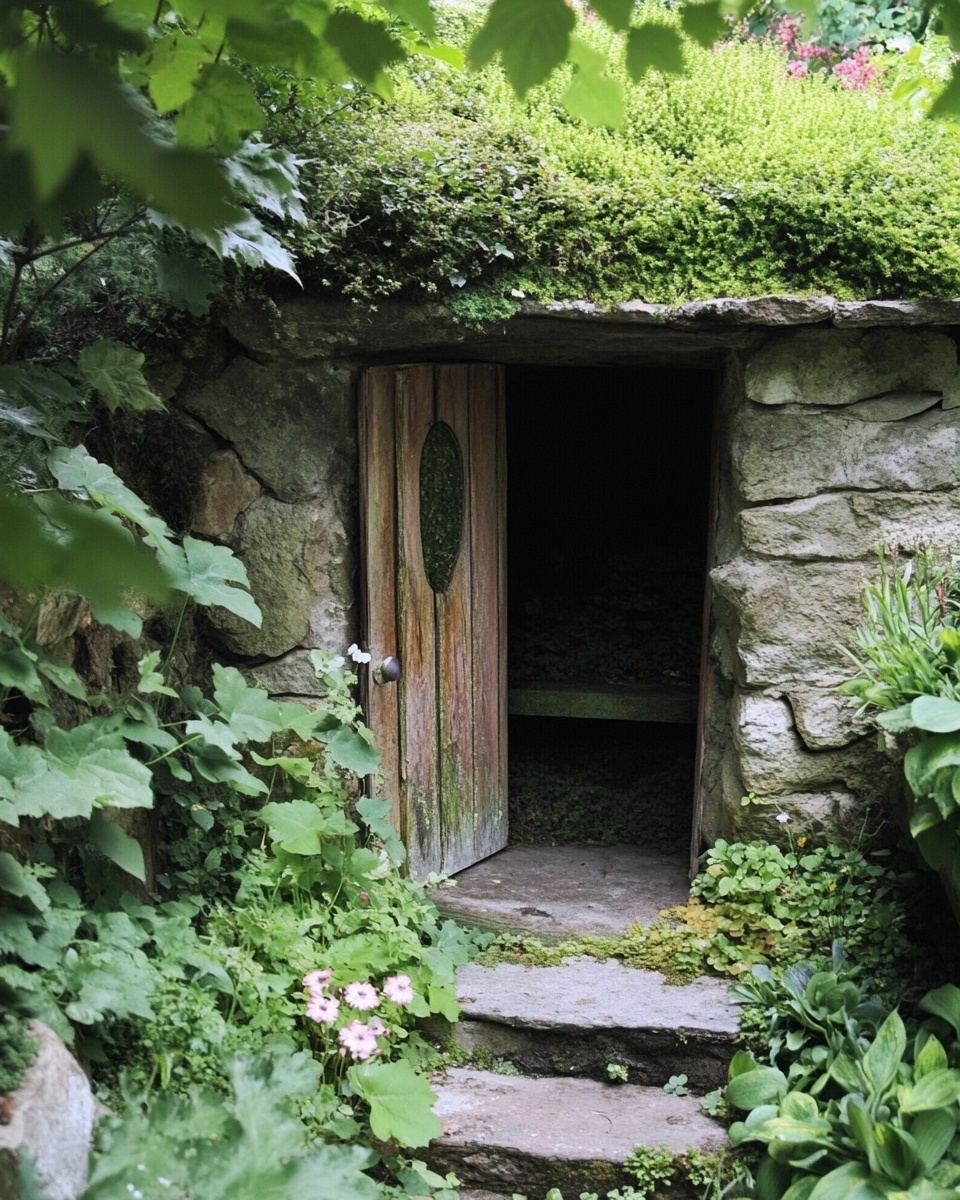
Embarking on the journey to create your hidden garden sanctuary requires a thoughtful selection of tools and materials. Here's what you'll need to bring your vision to life, with a few eco-friendly and budget-conscious alternatives:
- Shovel & Trowel: Essential for digging, planting, and moving soil. Opt for ergonomic handles for comfort during extended use.
- Gardening Gloves: Protect your hands from thorns, soil, and blisters. Leather or heavy-duty fabric gloves are ideal.
- Pruning Shears/Loppers: For shaping plants, removing dead branches, and maintaining growth. Sharp, bypass pruners are best for clean cuts.
- Measuring Tape: Crucial for planning layouts and ensuring proper spacing between plants and features.
- Wheelbarrow or Garden Cart: Invaluable for transporting soil, mulch, rocks, and plants across your garden.
- Good Quality Soil/Compost: Healthy soil is the foundation of any thriving garden. A blend of nutrient-rich topsoil and organic compost will kickstart your plants.
- Eco-friendly alternative: Start a compost bin to create your own nutrient-rich soil amendment from kitchen scraps and yard waste. It’s free and fantastic for the environment!
- Selected Plants/Seeds: Choose plants suited to your climate and the specific conditions of your chosen nook (sun/shade, soil type). Consider a mix of evergreen shrubs for structure, flowering perennials for color, and fragrant herbs for sensory appeal.
- Edging Material: Bricks, stone, wood, or flexible plastic edging can define your hidden nook and prevent grass intrusion.
- Budget-friendly alternative: Repurpose old bricks, logs, or even river stones collected from local sources.
- Mulch: Organic mulch (wood chips, straw, shredded leaves) helps retain moisture, suppress weeds, and regulate soil temperature.
- Path Material: Stepping stones, gravel, or wood slices can create an inviting path into your secret space.
- Eco-friendly alternative: Use reclaimed pavers or even create a simple grass path for a more natural feel.
- Watering Can or Hose with Sprayer: For efficient and gentle watering.
- Decorative Elements (Optional): A small bench, a birdbath, solar lights, or wind chimes can enhance the ambiance.
Time & Effort Overview
Creating an enchanting hidden garden nook doesn’t have to be an overwhelming commitment. The time and effort involved largely depend on the size and complexity of your project, as well as the types of plants you choose.
- Planning & Design: Expect to spend 2-4 hours initially, mapping out your ideas, measuring your space, and selecting plants. This foundational step is crucial for successful garden ideas!
- Site Preparation: Depending on existing vegetation and soil quality, this could take 4-8 hours for a small to medium-sized nook.
- Planting: For a typical secret garden area, planting can be completed in a single afternoon (3-6 hours).
- Growth Rate: Many flowering perennials and fast-growing shrubs can establish themselves and show significant growth within one growing season (3-6 months). For instance, climbing plants like Clematis or Wisteria can cover a trellis 30% faster than traditional shrubs establish a full privacy screen.
- Maintenance: Initial maintenance involves daily watering for new plants, gradually decreasing to 2-3 times a week, depending on conditions. Regular weeding and occasional pruning will take 1-2 hours per month.
Difficulty Level: This project is generally Intermediate. While beginners can certainly tackle it with proper planning and plant selection, some aspects like soil amendment and spatial design benefit from a bit of gardening experience. Don't worry, my step-by-step guide will simplify everything!
Step-by-Step Gardening Process
Ready to unveil your secret garden? Let’s get our hands dirty!
Step 1: Envision Your Garden Nook
Before lifting a single tool, take a moment to dream. Walk around your garden. Where do you feel a sense of natural seclusion or an area that could easily become one? Consider the sunlight patterns throughout the day. Do you want a cozy reading spot, a vibrant butterfly sanctuary, or a serene meditation space? Your vision will guide all your subsequent garden ideas.
Step 2: Prepare the Site
Once you’ve chosen your spot, it’s time for prep. Clear the area of any weeds, debris, and existing turf. Dig down at least 6-8 inches. Loosen the soil and incorporate plenty of organic matter like compost. This improves drainage and nutrient content, giving your new plants a fantastic start. Don’t worry if your soil isn’t perfect; amending it with compost can dramatically improve its structure and fertility.
Step 3: Define the Edges and Paths
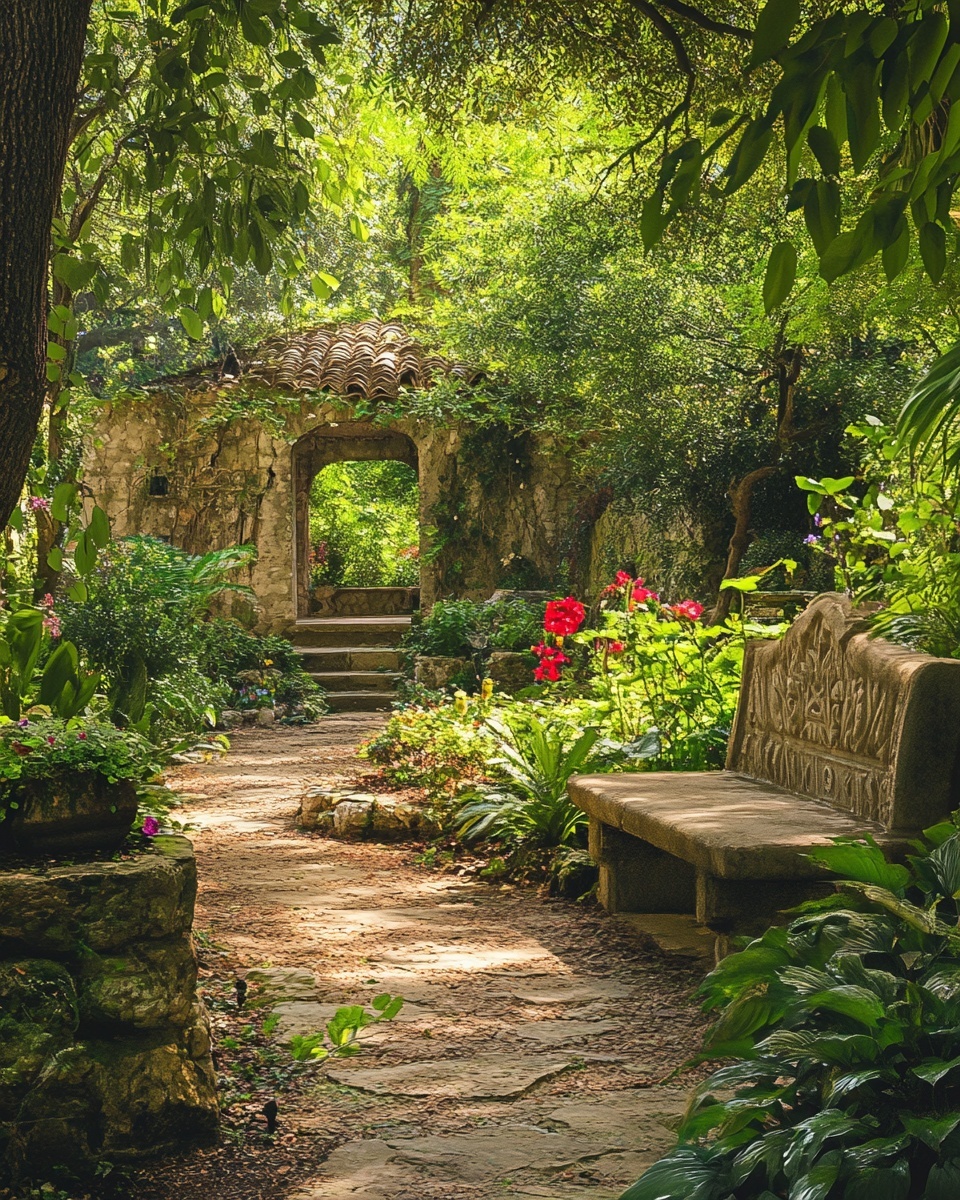
Use your chosen edging material to clearly define the boundaries of your hidden nook. This creates a visual separation from the rest of the garden. If you’re adding a path, lay down your stepping stones or gravel now, ensuring they are level and comfortable to walk on. A winding path adds to the mystique of a secret garden!
Step 4: Plant Your Main Structure & Screening
Start by planting any larger shrubs or climbing plants that will form the "walls" or canopy of your hidden space. Think about plants that offer privacy and a sense of enclosure. For example, a strategically placed trellis with honeysuckle or a dense evergreen shrub can quickly create an intimate atmosphere. Ensure adequate spacing according to the plant's mature size.
Step 5: Add Mid-Layer Plants and Flowers
Now, fill in the middle ground with flowering perennials, ornamental grasses, or smaller shrubs. Choose plants that complement each other in terms of height, color, and texture. Grouping odd numbers tends to look more natural. Think about succession blooming so you have continuous color throughout the seasons – a key part of beautiful garden ideas.
Step 6: Introduce Groundcover and Accents
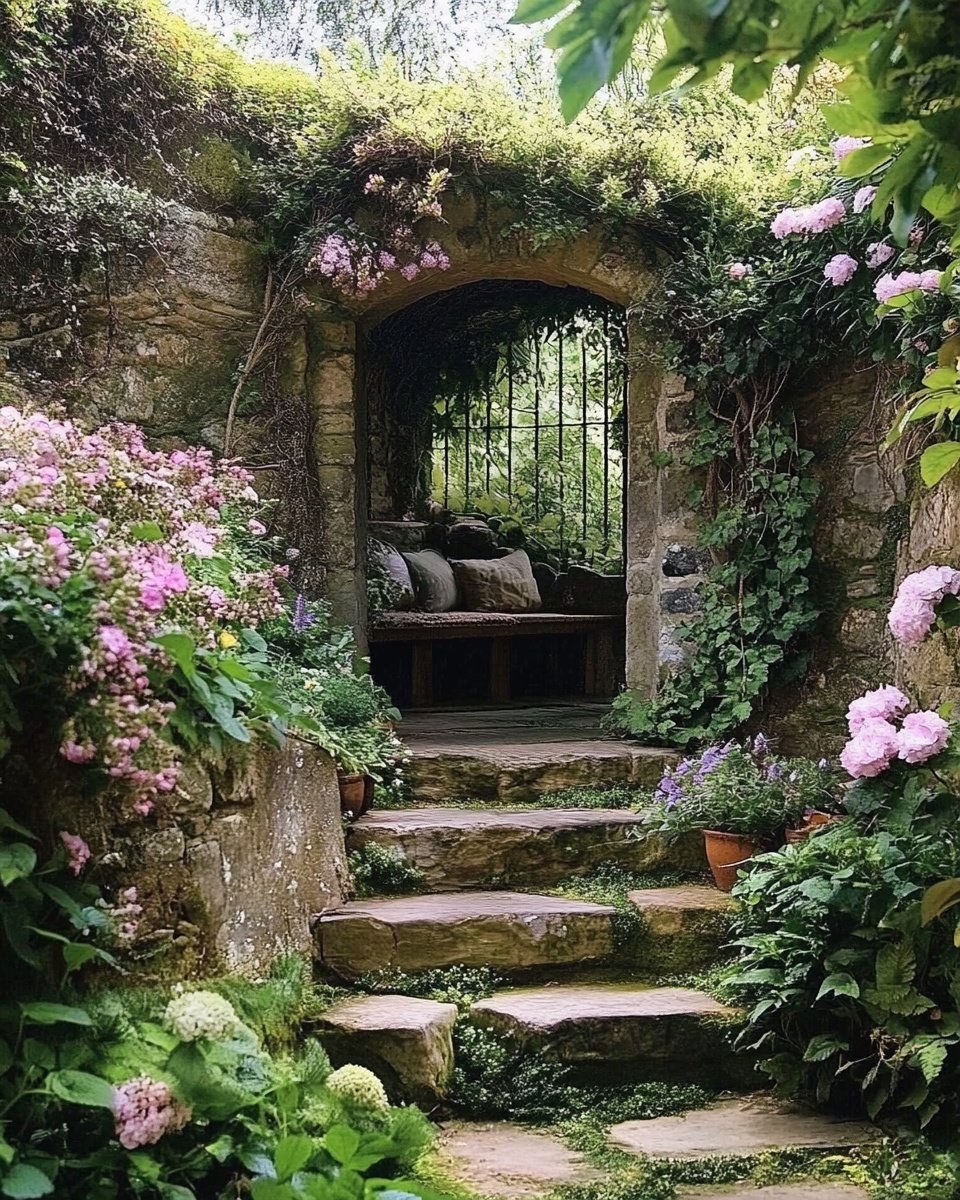
Finish with groundcover plants that will suppress weeds and add a lush carpet effect. Consider creeping thyme, sedum, or moss. This is also the time to place any decorative elements like a small bird bath, a whimsical statue, or a comfortable bench. These touches are what make your garden truly "secret" and personal.
Step 7: Water Thoroughly
After planting, give everything a deep, slow watering. This settles the soil around the roots and helps to eliminate air pockets. Continue to water newly planted garden ideas regularly until they are established. Here’s how to fix common dry spots: observe where water pools or drains too quickly, and adjust your watering technique or soil amendments in those areas.
Growth & Care Tips
Consistent care is the secret ingredient to a flourishing hidden nook.
- Watering Frequency: Young plants need consistent moisture. Water deeply every 2-3 days for the first few weeks, gradually reducing as they establish. Monitor soil moisture with your finger; if the top inch is dry, it’s time to water. Be mindful of drought-tolerant plant selections, which require 30% less water than moisture-loving varieties.
- Sunlight Exposure: Ensure your chosen plants receive their ideal amount of sunlight. Plants like hostas thrive in shade, while lavender and roses demand full sun (at least 6 hours daily). If you notice leggy growth or scorched leaves, adjust or relocate if possible.
- Pruning: Regularly prune for health and shape. Remove dead, diseased, or damaged branches. For flowering plants, deadheading spent blooms encourages more flowers and tidier growth. Scientific studies show that strategic pruning can increase flower production by up to 20% by redirecting plant energy.
- Fertilization: Most plants benefit from a balanced granular fertilizer in early spring. Alternatively, incorporate a slow-release organic fertilizer or a layer of compost annually. For specific plants, like heavy feeders, a mid-season liquid feed might be beneficial.
- Pest Prevention: Healthy plants are more resistant to pests. Regularly inspect leaves for signs of trouble. Use organic pest controls like neem oil or insecticidal soap for common issues like aphids. Introducing beneficial insects like ladybugs can reduce pest populations by up to 80% naturally. Planting marigolds or basil nearby can also act as natural deterrents.
Eco-Friendly & Sustainable Alternatives
Cultivating a sustainable secret garden not only benefits the environment but often saves you money!
- Composting: As mentioned, creating your own compost enriches your soil without chemical fertilizers. Learn about organic fertilizer recipes for herb gardens to get started.
- Rainwater Harvesting: Install a rain barrel to collect water for your garden. This reduces reliance on chlorinated tap water and lowers your water bill.
- Native Plants: Choose plants native to your region. They are naturally adapted to local conditions, requiring less water, fertilizer, and pest control.
- Drought-Tolerant Landscaping: Incorporate succulent, Mediterranean, or other low-water plants, especially for areas that receive less rain.
- Mulch Heavily: A 2-4 inch layer of organic mulch conserves soil moisture by 25-50%, reduces weed growth, and adds nutrients back into the soil as it decomposes.
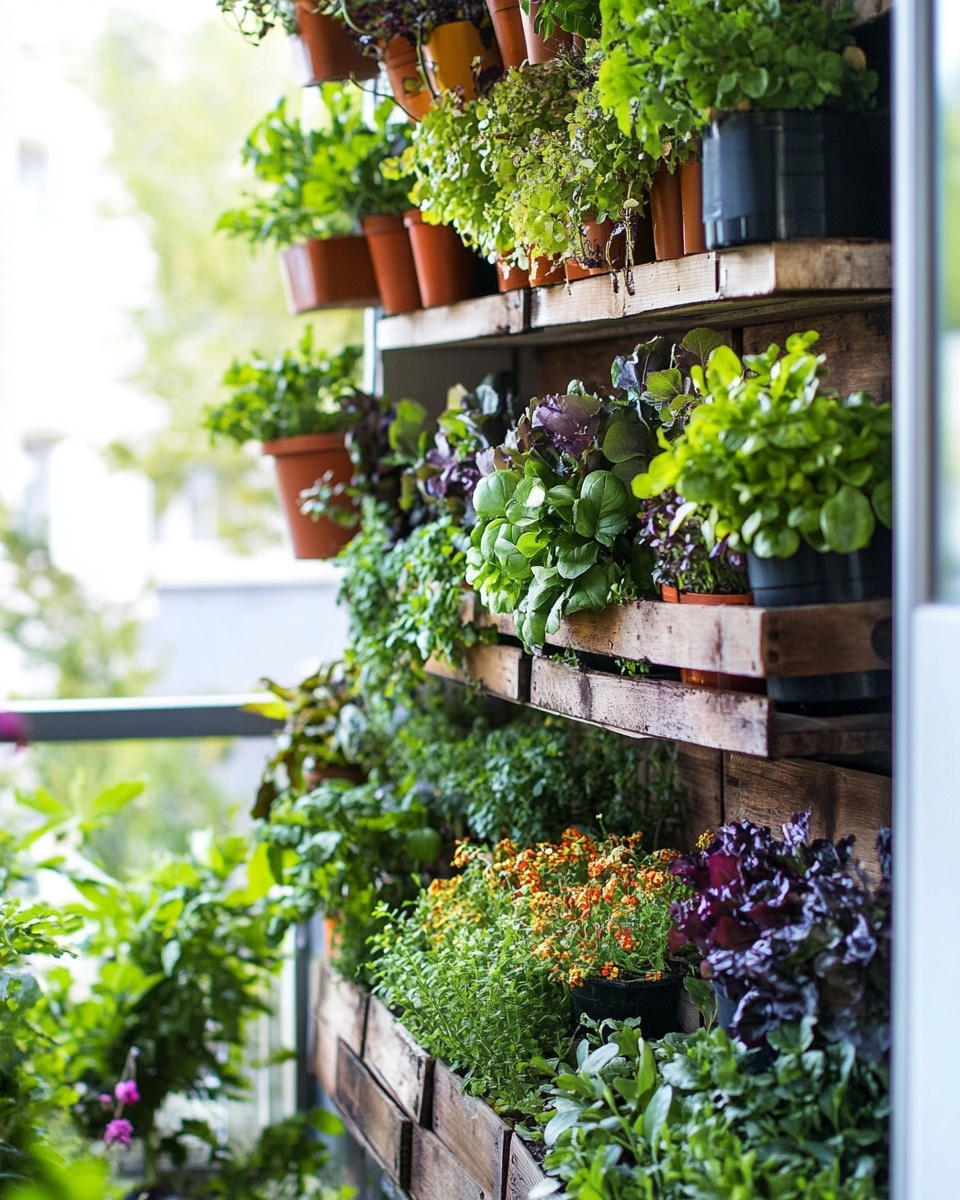
- Small Spaces & Vertical Gardens: Don't have a large yard? Consider a balcony herb garden or experiment with a vertical garden to maximize your planting area. These are fantastic garden ideas for urban dwellers!
Creative Ideas & Uses
Unlock the full potential of your hidden nook with these inspiring garden ideas.
- The Reading Retreat: Add a comfortable bench or a single hammock. Plant fragrant flowers like jasmine or sweet peas to enhance the sensory experience.
- Butterfly & Bee Sanctuary: Choose nectar-rich flowers like coneflowers, salvia, and butterfly bush. Add a shallow water source with landing stones for beneficial insects.
- Herbal Apothecary: Plant a variety of medicinal and culinary herbs. Imagine picking fresh mint for tea or basil for dinner from your secret spot. Check out our guide on best companion herbs to grow together for inspiration.
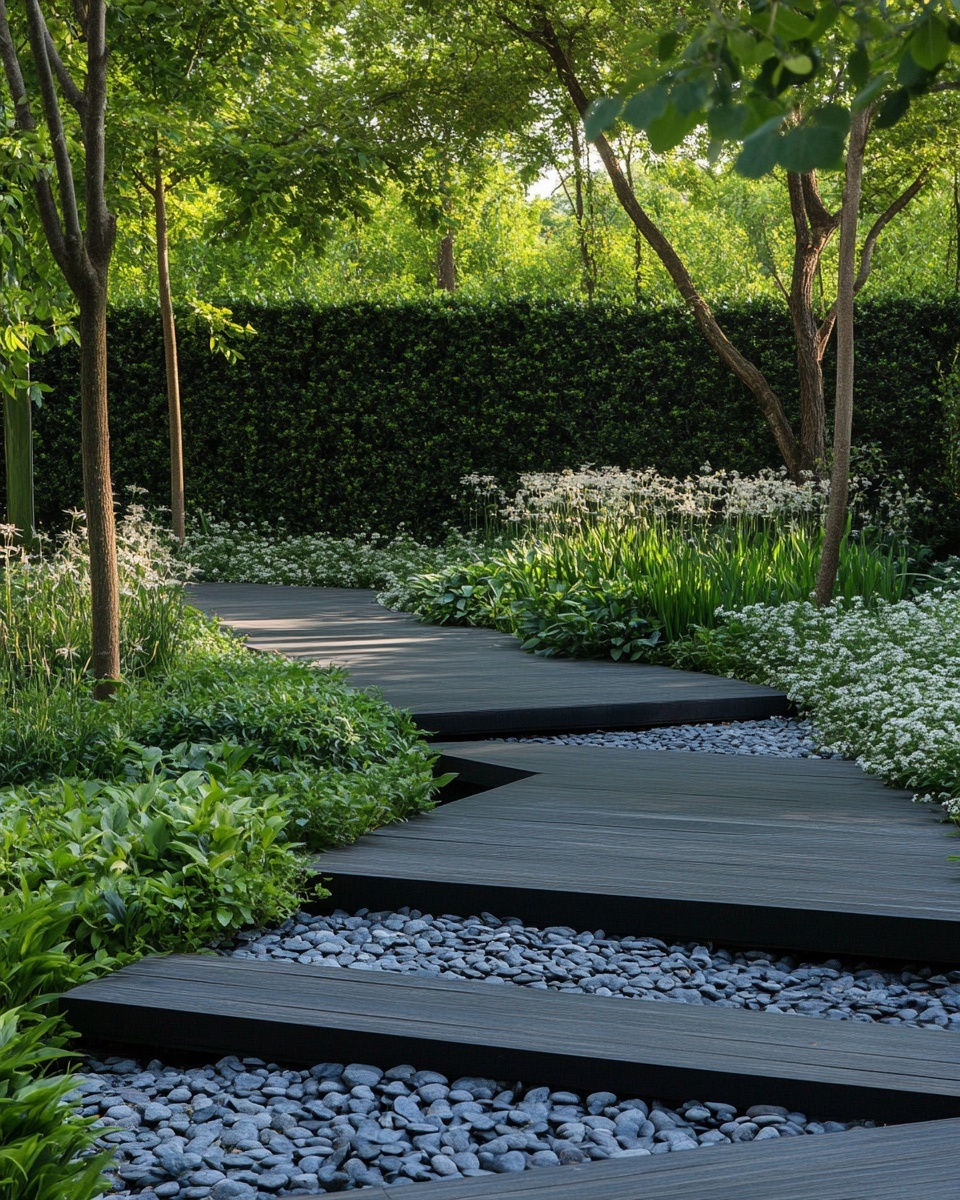
- Zen Garden: Incorporate smooth river stones, a small water feature, and minimalist planting for a tranquil meditation space.
- Repurposed Decorations: Turn old watering cans into planters, use vintage teacups for succulents, or craft a wind chime from old silverware. Check out Pinterest for endless inspiration: https://www.pinterest.com/janatjanay47/.
- Lighting: Integrate solar-powered fairy lights or lanterns to make your hidden nook enchanting after dusk.
- Soundscapes: Hang wind chimes, or consider a small, self-contained water fountain to introduce soothing sounds.
Common Mistakes to Avoid
Even seasoned gardeners encounter challenges. Here's how to steer clear of common pitfalls for your delightful garden ideas:
- Overwatering/Underwatering: This is by far the most common mistake. Overwatering causes root rot in over 60% of houseplants and many outdoor plants, leading to droopy, yellowing leaves. Underwatering results in wilting and crispy leaves. Always check soil moisture before adding more water.
- Ignoring Sunlight Requirements: Planting a sun-loving plant in deep shade or a shade-lover in full sun guarantees a struggling plant. Always read plant labels carefully.
- Poor Soil Preparation: Skimping on soil amendment leads to stunted growth and nutrient deficiencies. Healthy soil is paramount.
- Overcrowding: While you want a lush look, ensure plants have enough space to reach their mature size. Overcrowding leads to poor air circulation, increasing fungal diseases, and competition for resources.
- Neglecting Pruning: Lack of pruning can lead to leggy plants, reduced flowering, and an untidy appearance.
- Ignoring Pest & Disease Signs: Early detection is key. A small infestation can quickly become a major problem if ignored.
- Skipping Mulch: Not mulching leaves soil exposed, inviting weeds, increasing water evaporation, and making plants more susceptible to temperature fluctuations.
Maintenance & Storage Tips
Ensuring the longevity and vibrancy of your hidden garden requires ongoing attention.
- Seasonal Care:
- Spring: Fertilize, prune winter-damaged growth, and add a fresh layer of mulch.
- Summer: Water regularly, deadhead spent blooms, and monitor for pests.
- Autumn: Cut back perennials, rake leaves (consider adding them to your compost!), and plant fall bulbs for spring surprises.
- Winter: Protect tender plants with mulch or covers, and prune any dormant trees or shrubs.
- Seed Storage: If you're saving seeds, ensure they are thoroughly dry before storing them in airtight containers in a cool, dark place. This can maintain viability for several years.
- Tool Maintenance: Clean and sharpen your pruning shears and other tools regularly to prevent disease transmission and ensure efficient cuts. A dull blade can damage plants.
- Dealing with Yellow Leaves: Yellow leaves often indicate overwatering, nutrient deficiency (especially nitrogen), or sometimes underwatering. Check soil moisture and consider a balanced fertilizer application. Poor soil drainage is a common culprit; ensure your soil composition allows water to move through effectively.
Conclusion
Transforming an ordinary space into an extraordinary hidden garden nook offers immense satisfaction and a personal retreat for contemplation and enjoyment. By embracing careful planning, thoughtful plant selection, and consistent care, your garden ideas can evolve into a cherished haven. Whether you envision a vibrant sanctuary for pollinators or a tranquil spot for quiet reflection, the magic of creating your secret garden is now within reach.
Don't just dream about it – start planting! We'd love to see your enchanting creations. Share your photos and stories with us on social media, and remember to explore our other guides for more gardening adventure. What secret garden ideas will you bring to life first?
FAQ
Q1: How do I choose the best plants for a hidden garden nook?
A1: Consider the amount of sunlight your nook receives and your local climate. Research plants that thrive in those conditions. For privacy, select taller shrubs or climbing plants. For color and fragrance, opt for flowering perennials and aromatic herbs. Think about the effect you want to create – a jungle-like feel with ferns, or a cottage garden with roses.
Q2: What's the easiest way to create privacy in a small garden nook?
A2: For small spaces, vertical solutions are your best friend! Consider trellises with fast-growing climbers like jasmine, clematis, or morning glories. Tall, slender evergreens in pots, or even a strategically placed garden screen with climbing vines, can quickly establish a sense of enclosure.
Q3: Can I create a hidden garden on a budget?
A3: Absolutely! Repurpose materials like old tires, pallets, or bricks for planters and edging. Swap seeds with friends, seek out plant cuttings, or visit local garden sales for inexpensive plants. Making your own compost is also free and provides excellent soil enrichment. Creative garden ideas often involve resourcefulness!
Q4: How much watering does a new secret garden require?
A4: New plants need consistent moisture to establish their root systems. For the first 2-4 weeks, water daily or every other day, ensuring the soil is moist several inches deep. After establishment, monitor soil moisture; most plants prefer deep, infrequent watering rather than shallow daily sprinkles.
Q5: What are some low-maintenance plant options for a hidden nook?
A5: Many plants are wonderfully low-maintenance. Consider hostas or ferns for shady nooks, as they require minimal attention once established. For sunny spots, succulents, sedums, lavender, or ornamental grasses are excellent choices. Drought-tolerant shrubs also reduce watering needs significantly, becoming good garden ideas for busy individuals.
Q6: How can I make my garden nook inviting in the evening?
A6: Lighting is key! Install solar-powered path lights along your secret garden entrance or string fairy lights through nearby trees and shrubs. Strategically placed lanterns or battery-operated candles can also add a warm, magical glow, making your garden nook a delightful evening escape.
Q7: Do I need special soil for a secret garden project?
A7: While you don't need special soil, good quality, well-draining soil is crucial. If your existing soil is clay-heavy or very sandy, amending it with plenty of organic matter like compost, peat moss, or coco coir will dramatically improve its structure, fertility, and drainage, giving your chosen garden ideas the best foundation.
Explore More Gardening Adventures:
Ready to delve deeper into specific gardening projects? We've got you covered!
- Discover the simplicity of growing your own produce with our guide on Easy Indoor Gardening Setup for Beginners. It's packed with tips for starting your green journey.
- If you're eager to cultivate flavorful herbs, don't miss our comprehensive article on Best Herbs to Grow Indoors Year Round. Perfect for culinary enthusiasts!
- For those with limited outdoor space, transform your urban sanctuary with Balcony Herb Garden Design Ideas. You'll find creative solutions to maximize your small space.