Introduction
Did you know that over 70% of urban dwellers yearn for more green space, yet only a fraction believe they have the room? This striking statistic often leads to a resigned acceptance of concrete jungles. But what if I told you that your unused rooftop or balcony could transform into a vibrant oasis, an extension of your living space that adds both natural beauty and value? With some creative Patio Ideas and smart planning, even the smallest outdoor nooks can become flourishing gardens, offering a tranquil escape from the bustling city below.

Tools & Materials Needed
Creating your elevated haven requires a thoughtful selection of tools and materials to ensure both beauty and functionality. Here's what you'll need:
- Containers/Planters: Opt for lightweight, durable materials like fiberglass, resin, or treated wood. Terracotta looks lovely but can be heavy and prone to cracking in freeze-thaw cycles. For a budget-friendly option, consider repurposing old tires (painted for aesthetics and safety), food-grade plastic barrels cut in half, or even galvanized metal troughs. Ensure all containers have drainage holes!
- Growing Medium: Skip the cheap stuff. Invest in a high-quality, lightweight potting mix specifically designed for containers. Look for mixes that contain perlite or vermiculite for improved drainage and aeration. For eco-conscious growers, a mix of good-quality compost (30-40%) and coco coir (60-70%) can be an excellent, sustainable alternative.
- Plants: This is where the fun begins! Choose plants suited to your specific climate and the amount of sunlight your terrace receives. Drought-tolerant succulents, ornamental grasses, herbs, and compact fruit trees (like dwarf citrus or blueberries) thrive in container environments. Consider a mix of upright, trailing, and bushy plants for visual interest.
- Watering Can or Hose with Sprayer: Essential for consistent hydration. A watering can is perfectly fine for a small collection of plants, but for larger rooftop gardens, a lightweight hose with a gentle spray nozzle will save you time and effort.
- Small Hand Trowel and Cultivator: For planting, weeding, and aerating the soil.
- Pruners/Shears: To keep your plants tidy and encourage new growth.
- Gloves: Protect your hands from dirt, thorns, and pests.
- Fertilizer: A balanced slow-release granular fertilizer or a liquid feed will keep your plants nourished. Organic options like fish emulsion or compost tea are fantastic for soil health.
- Optional but Recommended:
- Weed Barrier Fabric: To prevent weeds in larger raised beds.
- Lightweight Mulch: Cedar chips, straw, or coco coir will help retain moisture and regulate soil temperature.
- Drainage Trays/Saucers: To catch excess water and prevent staining your patio.
- Furniture & Decor: Don't forget comfy seating, outdoor lighting, and decorative elements to complete your serene patio ideas vision.
Time & Effort Overview
Transforming your rooftop or balcony into a lush garden is a rewarding endeavor that can be surprisingly time-efficient, especially if you start with straightforward Patio Ideas. Initial setup, including assembling planters and planting, can take anywhere from a single afternoon to a full weekend for a medium-sized space (approx. 8-16 hours). This is considerably quicker than establishing an in-ground garden, which often involves significant soil amendment and bed preparation.
Compared to a traditional garden bed, container gardens often require more frequent watering, but less weeding and pest management. Daily maintenance for a thriving container garden might only be 15-30 minutes, primarily for watering and a quick check on plant health. This makes it a perfect project for busy individuals.
Difficulty Level: This project is generally Beginner to Intermediate. While selecting the right plants and understanding container gardening basics is crucial, the individual steps are straightforward. Don't worry if you're new to gardening; many plants are incredibly forgiving!
Step-by-Step Gardening Process
Step 1: Plan Your Layout
Before you even think about soil, map out your space. Consider sunlight patterns throughout the day, weight limitations of your structure (consult a professional if unsure, especially for heavy planters), and desired pathways. Think about how your Patio Ideas will integrate with existing outdoor furniture or railings. This pre-planning prevents costly mistakes and ensures functional flow.
Step 2: Prepare Your Containers
Ensure all chosen planters have adequate drainage holes. If not, drill them! Without proper drainage, your plants will suffer from root rot. Add a layer of gravel or broken pottery shards at the bottom of larger containers to prevent soil from washing out and improve drainage, but don't overdo it—it can sometimes create a false water table.
Step 3: Fill with Quality Potting Mix
Fill your containers with your selected lightweight potting mix, leaving about 1-2 inches of space from the rim. Don’t compress the soil too much; healthy roots need air. If using compost and coco coir, mix them thoroughly before filling.
Step 4: Plant Your Chosen Flora
Gently remove plants from their nursery pots. Tease apart any tightly bound roots before placing them in their new homes. Position each plant in the center or according to your design, ensuring the top of the root ball is level with the surrounding soil. Fill any gaps with more potting mix and gently firm the soil around the base of the plant.
Step 5: Initial Watering
Water your newly planted garden thoroughly. The goal is to saturate the soil completely until water drains from the bottom of the containers. This helps settle the soil and eliminates air pockets around the roots.
Step 6: Mulch (Optional but Recommended)
Apply a thin layer of lightweight mulch around the base of your plants. This helps retain soil moisture, suppress weeds, and keeps soil temperatures more consistent, which is particularly beneficial for exposed rooftop or balcony Patio Ideas.
Growth & Care Tips
Consistent care is the secret to a thriving elevated garden.
- Watering Frequency: This is often the most critical factor for container gardens. Due to limited soil volume and exposure to sun and wind, containers dry out faster than in-ground gardens. Check soil moisture daily by sticking your finger about an inch deep. If it feels dry, it's time to water. In hot, sunny conditions, you might need to water twice a day. Data shows that inadequate watering is responsible for 40% of container plant failures.
- Sunlight Exposure: Most flowering plants, herbs, and vegetables need at least 6-8 hours of direct sunlight daily. Fruiting plants like tomatoes or peppers might need even more. If your terrace has partial shade, opt for shade-loving plants like hostas, ferns, or impatiens. Observe your space for several days to accurately assess sun patterns.
- Pruning: Regularly pinch back leggy growth and remove spent flowers (deadhead) to encourage bushier growth and more blooms. For herbs, frequent harvesting encourages more potent flavor and prevents bolting.
- Fertilization: Container plants quickly deplete soil nutrients. Begin fertilizing about 4-6 weeks after planting. Use a balanced liquid fertilizer every 2-4 weeks or a slow-release granular fertilizer once per season, following package directions. For organic growers, compost tea every few weeks is excellent.
- Pest Prevention: Healthy plants are naturally more resistant to pests. Regularly inspect your plants for any signs of trouble (discolored leaves, small insects). Early detection is key. A simple spray of insecticidal soap can manage many common pests like aphids. Introducing beneficial insects like ladybugs can also keep pest populations in check.
Eco-Friendly & Sustainable Alternatives
Embrace sustainability in your elevated garden!
- Composting: Start a small indoor or outdoor composter for kitchen scraps and garden waste. The nutrient-rich compost can be mixed into your potting soil, reducing the need for purchased fertilizers and diverting waste from landfills.
- Natural Fertilizers: Beyond compost, consider using natural alternatives like worm castings, a sprinkle of Epsom salts (for magnesium), or diluted seaweed extracts. These enrich the soil microbes and provide gentle nourishment.
- Water Conservation: Install a drip irrigation system or use self-watering planters to minimize water waste due to evaporation. Collect rainwater if regulations allow, using rain barrels. Mulch is also a fantastic water-saver, reducing evaporation by up to 25%.
- Recycled Containers: Think beyond store-bought. Old wooden crates, galvanized steel tubs, wine barrels cut in half, or even large durable plastic containers can be transformed into planters. This dramatically cuts down on plastic waste and adds character to your Patio Ideas. Check out these ideas for DIY Indoor Herb Garden with Recycled Containers.
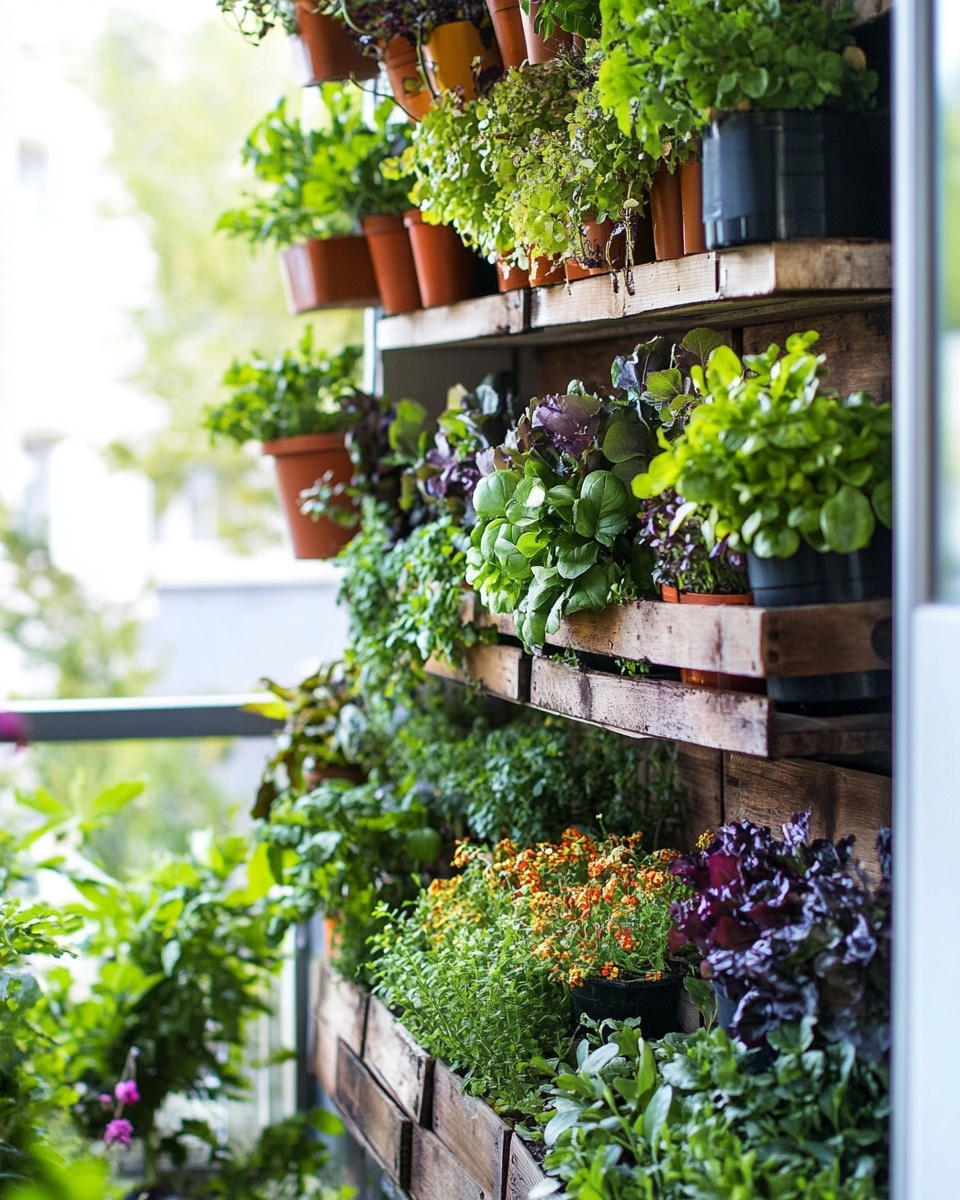
- Small Spaces & Vertical Gardening: If your patio is tiny, go vertical! Hanging planters, tiered garden stands, or DIY pallet gardens maximize space. A vertical layout can dramatically increase your growing area without sacrificing valuable floor space. Explore more options for Vertical Indoor Garden Ideas for Small Spaces.
Creative Ideas & Uses
Unleash your inner designer to make your patio truly special.
- Decorate with Plants: Mix and match plant sizes, textures, and colors. Group plants with similar needs together. Use vibrant annuals for a pop of seasonal color and evergreen shrubs for year-round structure. Consider adding whimsical elements like wind chimes, solar-powered fairy lights, or painted garden gnomes.
- Repurpose Garden Materials: An old bicycle frame can become a charming plant display. Vintage watering cans or teapots can be used as quirky small planters. Old wooden ladders can serve as vertical displays. Get creative with items found at flea markets or even your own attic!
- Combine Plants Aesthetically: Create mini-ecosystems. Combine tall, architectural plants (e.g., ornamental grasses) with medium-height fillers (e.g., petunias, coleus) and trailing plants (e.g., sweet potato vine, ivy) to spill over the edges of your containers. This "thriller, filler, spiller" approach adds depth and sophistication to your Patio Ideas.
- Designated Zones: Even on a small patio, you can create zones. A dining area, a quiet reading nook, and a vibrant plant display. Use large planters as subtle dividers to define these spaces.
- Lighting: Don't underestimate the power of lighting. String lights, solar lanterns, or even a few strategically placed spotlights can transform your patio into a magical evening retreat. For more outdoor lighting inspiration, check out this Pinterest board: https://www.pinterest.com/janatjanay47/.
Common Mistakes to Avoid
Even seasoned gardeners make mistakes. Here's how to steer clear of common pitfalls:
- Overwatering: The single biggest killer of container plants. Overwatering causes root rot in over 60% of houseplants and outdoor containers. Always check the soil moisture before watering. It’s better to slightly underwater than to overwater.
- Ignoring Container Size: Too small a container restricts root growth, leading to stunted plants and rapid drying out. Research the mature size of your plants and provide adequate space. A small herb might be fine in an 6-inch pot, but a tomato plant needs at least a 15-gallon container.
- Using Garden Soil: Garden soil is too dense for containers. It compacts, doesn't drain well, and can introduce pests and diseases. Always use a high-quality potting mix.
- Neglecting Drainage: As mentioned earlier, lack of drainage is a death sentence for most plants. Ensure every container has drainage holes to prevent waterlogging.
- Underfeeding: Container plants are heavy feeders. Without regular fertilization, the nutrients in the potting mix will quickly be depleted, leading to weak growth and poor flowering/fruiting.
- Underestimating Sun Exposure: What looks like a sunny spot in the morning might be in deep shade by afternoon. Observe your patio's sun patterns throughout the day to ensure plants are placed where they'll thrive.
Maintenance & Storage Tips
Long-term success relies on consistent care and preparing for seasonal changes.
- Long-Term Plant Health: Beyond daily watering and feeding, consider repotting plants every 1-2 years to refresh the soil and provide more room for roots if necessary. For perennial plants, prune them back in late fall or early spring to encourage vigorous growth.
- Seasonal Care:
- Spring: Begin new plantings, fertilize existing plants, and check for overwintered pests.
- Summer: Water frequently, deadhead flowers, and monitor for heat stress.
- Autumn: Bring in tender plants before frost, harvest remaining produce, and compost spent annuals.
- Winter: Protect dormant perennials with mulch, store empty containers indoors or upside down, and clean tools.
- Seed Storage: If you're saving seeds for next season, ensure they are thoroughly dry and stored in airtight containers in a cool, dark, dry place. Label them clearly with the plant type and harvest date for optimal germination.
- Solutions for Common Issues:
- Yellow Leaves: Often a sign of overwatering (lack of oxygen to roots) or nutrient deficiency. Check soil moisture first. If dry, water. If wet, let it dry out more. Then consider a balanced liquid feed.
- Poor Soil Drainage: If water sits on top for too long, your potting mix might be too dense, or drainage holes are blocked. Repot with a better mix or clear drainage holes. Adding perlite can improve drainage.
- Leggy Growth: Usually due to insufficient light. Move plants to a brighter spot or consider supplemental lighting. Pruning back leggy stems can also encourage bushier growth.
Conclusion
Transforming your rooftop or balcony into a verdant paradise is more than just gardening; it's about creating a personal sanctuary, a space for relaxation, and a connection to nature. With these practical Patio Ideas and expert tips, you have all the knowledge to cultivate a stunning, functional, and sustainable elevated garden. From selecting the right tools and plants to mastering watering techniques and avoiding common pitfalls, you're now equipped to embark on this incredibly rewarding journey. Don't let urban living limit your green thumb; rise above the concrete and start planting your dream patio today! We'd love to see your progress – share your photos and stories with us!
FAQ
Q1: How do I choose the best plants for my patio with limited sunlight?
A1: For limited sunlight (less than 6 hours direct sun), focus on shade-tolerant plants. Excellent Patio Ideas for shady spots include hostas, ferns, impatiens, begonias, fuchsias, and many varieties of herbs like mint and parsley. Observe your patio's light conditions carefully throughout the day.
Q2: What's the ideal watering schedule for container plants on a patio?
A2: There's no one-size-fits-all schedule. The key is to check the soil moisture daily. Stick your finger an inch into the soil; if it feels dry, it's time to water thoroughly until water drains from the bottom. Factors like plant size, container material, wind, and sun exposure will influence how quickly your Patio Ideas need hydration, sometimes requiring watering twice a day in hot weather.
Q3: Can I use regular garden soil in my patio containers?
A3: Absolutely not! Regular garden soil is too heavy and compacts easily in containers, choking roots and preventing proper drainage. Always use a high-quality, lightweight potting mix specifically formulated for containers. This is crucial for healthy root development and overall plant vigor in any of your Patio Ideas.
Q4: How do I protect my patio plants from strong winds on a rooftop?
A4: Strong winds can desiccate plants and even knock over containers. Choose sturdy, heavy containers, especially for taller plants. Group containers together for mutual protection. Consider windbreaks like trellises with climbing vines, permeable screens, or even specially designed wind-resistant planters to integrate into your Patio Ideas.
Q5: My plants look yellow and sickly. What could be wrong?
A5: Yellowing leaves are a common sign of distress. The two most frequent culprits are overwatering (leading to root rot and nutrient lockout) or nutrient deficiency. First, check soil moisture – is it soggy or bone dry? Adjust watering accordingly. If soil moisture seems fine, consider a dose of balanced liquid fertilizer. Pests can also cause yellowing; inspect under leaves for tiny insects.
Q6: What are some low-maintenance plant options for busy gardeners looking for easy Patio Ideas?
A6: For low-maintenance Patio Ideas, consider succulents (like sedum and sempervivum), ornamental grasses (e.g., fountain grass), many herbs (rosemary, lavender), and drought-tolerant perennials (coneflower, coreopsis). These plants typically require less frequent watering and fuss, allowing you to enjoy your green space without constant effort.
Discover More Green Inspirations:
- Ready to get serious about growing your own food? Our guide on "How to Start a Vegetable Garden from Scratch" offers comprehensive steps for an abundant harvest.
- Looking to add some fragrant greenery to your kitchen? Learn all about "How to Start a Kitchen Herb Garden" and enjoy fresh herbs year-round.
- If your ambition extends beyond a simple patio, dive into the world of protected cultivation with our "Beginners Guide to Greenhouse Gardening" for extending your growing season.
- For vibrant blooms, explore "Easy Flowers to Grow For Beginners" and add a splash of color to your elevated oasis.
- And if space is truly at a premium, discover resourceful solutions with "Herbs That Grow Well In Small Spaces".