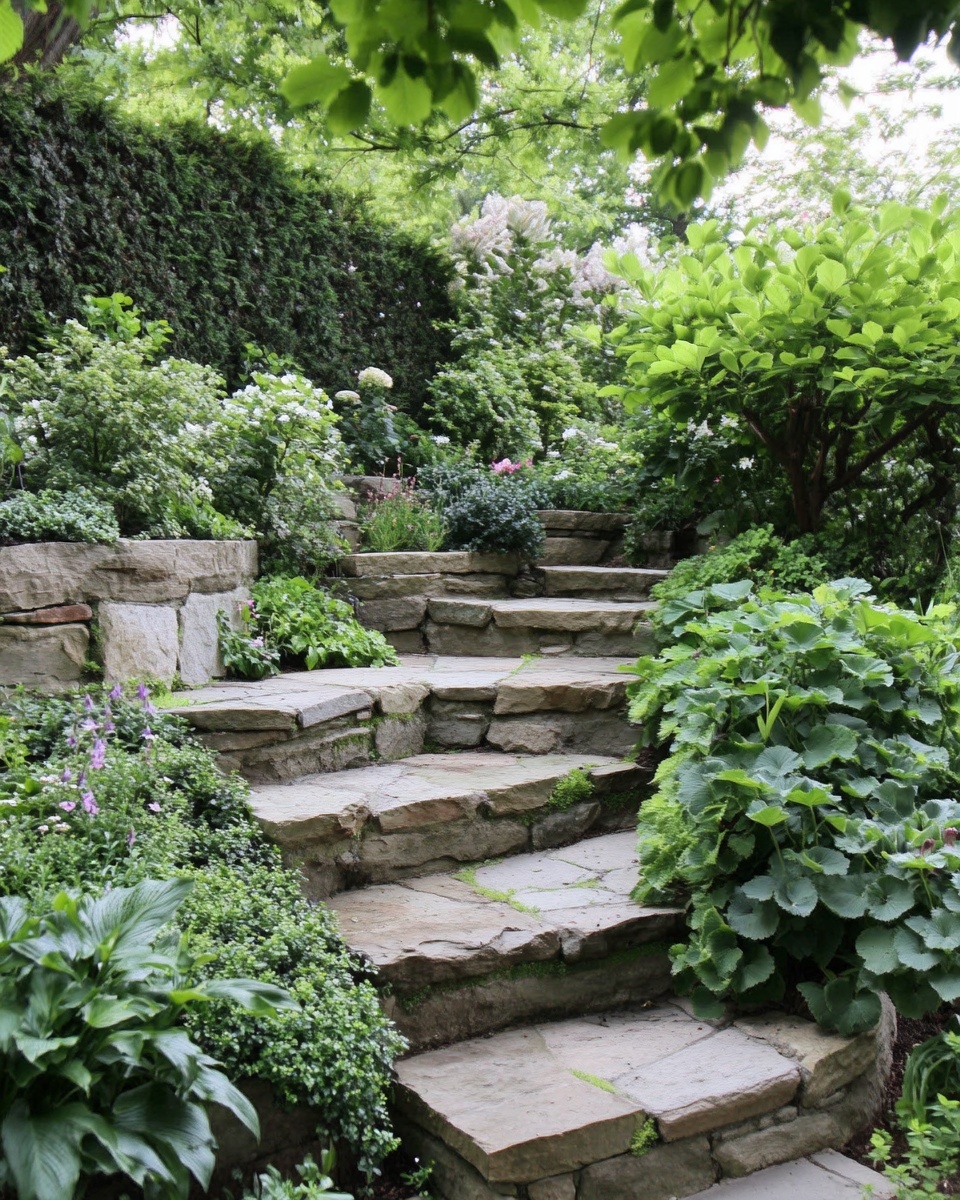
Introduction
Did you know that utilizing vertical space can increase your garden's output by up to 5 times, especially in compact areas? Maximizing every square inch of your outdoor living space is crucial, and that's precisely what terraced garden ideas offer. Whether you’re dreaming of lush flowerbeds cascading down a hillside or a series of productive vegetable patches, terraced gardens are the ultimate solution for optimizing sloped terrain or creating visual interest. For those with a beautiful in-ground pool, integrating thoughtful backyard landscaping ideas with a pool in a terraced design can elevate your entire outdoor aesthetic and function, blending practical gardening with stunning leisure areas. This approach not only prevents soil erosion but also makes gardening more accessible and visually dynamic.
Tools & Materials Needed
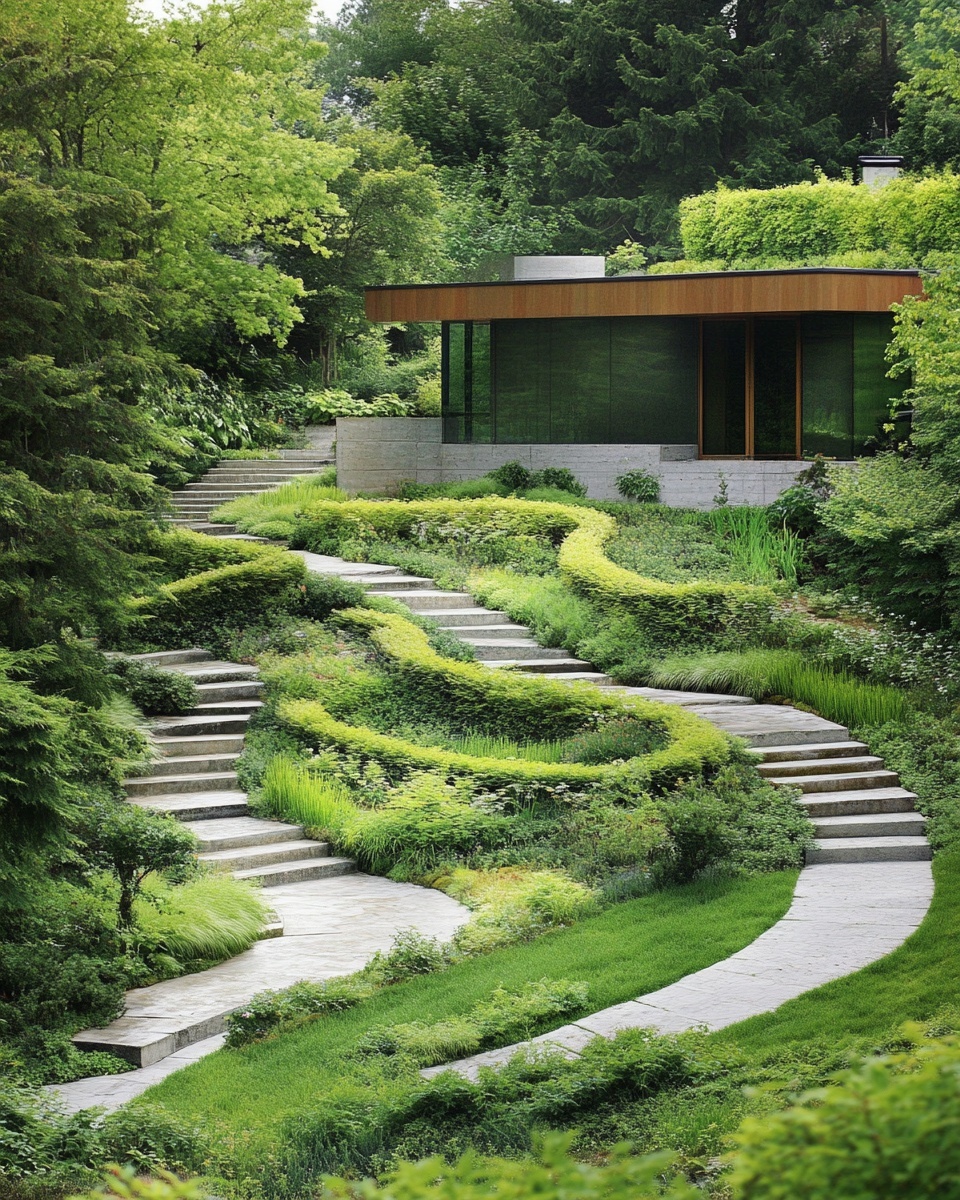
Embarking on a terraced garden project requires a thoughtful selection of tools and materials. Quality supplies ensure longevity and aesthetic appeal.
Essential Tools:
- Shovel and Spade: For digging and moving soil. A pointed shovel is excellent for breaking ground, while a flat spade is perfect for edging.
- Pickaxe: Useful for breaking up stubborn soil or small rocks, especially on sloped terrain.
- Level: Crucial for ensuring each terrace is even and aesthetically pleasing. A long carpenter's level or a string level will work.
- Measuring Tape: For accurate layout and material estimation.
- Wheelbarrow: Indispensable for transporting soil, rocks, and other heavy materials.
- Gloves and Safety Glasses: Always prioritize personal safety while working.
- Trowel and Hand Pruners: For detailed planting and light maintenance.
Key Materials:
- Retaining Wall Materials:
- Timber/Wood: Treated lumber (eco-friendly options like cedar or redwood are great alternatives to chemically treated wood) is a popular choice for its natural look and ease of installation. Consider reclaimed wood for a budget-friendly and sustainable option.
- Stones/Boulders: Natural stones provide a rustic, durable look. They can be more labor-intensive to install but offer supreme longevity.
- Concrete Blocks/Pavers: These are highly durable and come in various styles. Many offer interlocking systems for easier, mortar-free construction. Recycled concrete is an eco-friendly choice.
- Gabions: Wire cages filled with rocks. These are modern, strong, and permeable, excellent for heavy-duty terracing.
- Soil: A rich, well-draining soil mix is paramount. Aim for a blend of good quality topsoil, compost, and perhaps some perlite or vermiculite for aeration. For each cubic yard of soil, aim for at least 30% organic matter.
- Drainage Gravel: Important for preventing water buildup behind retaining walls, crucial for the stability of your terraces.
- Landscape Fabric/Weed Barrier: To suppress weeds and help retain soil moisture. Biodegradable options exist for an eco-friendlier approach.
- Plants and Seeds: Choose plants suitable for your climate and sun exposure. Consider native plants for local biodiversity and reduced maintenance.
Budget-Friendly Alternatives:
- Repurposed Materials: Old tires, stacked bricks salvaged from demolition, or even large plastic bottles filled with sand can form makeshift retaining walls for smaller, less structural terraces.
- Free Compost: Check with local municipalities or garden centers for free compost programs.
- Seed Saving: Instead of buying new seeds every year, learn to save seeds from your own plants.
- Plant Swaps: Connect with local gardening groups for plant or seedling exchanges to diversify your garden without cost.
Time & Effort Overview
Creating a terraced garden is a rewarding project, but it does require a significant investment of time and effort. The overall timeline depends heavily on the size and complexity of your design, as well as the materials chosen.
- Planning and Design: Expect to spend 1-2 weeks on this stage. This includes measuring, drawing out your design, researching materials, and getting any necessary permits (for large, structural terraces).
- Site Preparation: Depending on the slope and existing vegetation, preparing the site can take from a few days to a full week. This involves clearing debris, removing existing plants, and rough grading.
- Retaining Wall Construction: This is often the most time-consuming part.
- Timber Walls: A DIY timber wall for a modest terrace might take 2-4 days for an amateur.
- Stone/Concrete Block Walls: These typically require more precision and muscle, potentially taking 1-2 weeks for a larger project. Professional installation can significantly cut down on time but increases cost.
- Soil Amelioration and Planting: Once the structure is in place, preparing the beds with enriched soil and planting can usually be completed in 3-5 days.
- Growth and Establishment: Plants will need a season or two to fully establish. Expect continuous light maintenance during this period.
Difficulty Level:
- Small, Informal Terraces (e.g., using stacked rocks to create small planting pockets): Beginner. These can often be completed in a single weekend.
- Medium-Sized Terraces (e.g., 2-3 levels using timber or pre-cast blocks): Intermediate. This requires careful planning, accurate measurements, and some physical labor.
- Large-Scale, Multi-Tiered Terraces (especially on significant slopes): Advanced. This may involve heavy machinery, extensive drainage considerations, and potentially professional engineering advice. Incorrectly built large terraces can pose stability risks. Building a sophisticated terraced garden around your existing backyard landscaping ideas with a pool means you’ll need to factor in drainage and soil stability near existing structures, making it lean towards intermediate to advanced.
While a modest terraced herb garden might take a weekend, a significant structural terraced landscape, potentially near a pool, could be a multi-week project. For example, building a robust stone retaining wall for a single 10-foot long, 2-foot high terrace usually takes about 25-30 hours of labor, approximately 50% more time than simply creating a raised bed of the same size.
Step-by-Step Gardening Process
Creating your terraced garden is a journey of transformation. Here’s how to navigate it, step-by-step:
Step 1: Design and Planning
Start with a clear vision! Measure your space, noting sun exposure throughout the day, existing features, and the slope of the land. Sketch different terrace configurations. Consider the height of each terrace (ideally no more than 2-3 feet per level for stability) and the width, ensuring enough planting space. If your backyard landscaping ideas with a pool involve terracing up to the pool deck, plan for accessible pathways and carefully consider plant selections that won't drop excessive leaf litter into the water.
Step 2: Site Preparation
Clear the area of any weeds, rocks, or debris. Use your pickaxe for stubborn roots or compacted soil. Level the ground where the base of your first retaining wall will sit. This foundation is critical for stability. Don't worry if the ground isn't perfectly flat across the entire area – the purpose of terracing is to create level planting beds. Just focus on where your walls will anchor.
Step 3: Laying the Foundation for Retaining Walls
For each retaining wall, dig a trench that is at least 6 inches deep and wide enough to accommodate your chosen material, plus drainage material. For timber, level the trench and add a layer of gravel. For blocks or stones, a compacted gravel base is even more critical. This step prevents future shifting and improves drainage.
Step 4: Constructing the Retaining Walls
- Timber: Lay the first course of timbers, ensuring they are level. Secure them with rebar or landscaping spikes driven through the wood and into the ground. Stack subsequent layers, staggering joints like brickwork, and fastening each layer to the one below.
- Blocks/Stones: Place the first course firmly on the prepared base. Use a rubber mallet to seat them. For blocks, ensure they interlock correctly. For natural stones, fit them together as tightly as possible, using smaller stones or mortar if needed (for more permanent structures). Remember to slightly tilt each wall segment into the slope by about 1 inch for every foot of height to counteract the soil pressure.
Step 5: Backfilling and Drainage
As you build each wall, backfill the space behind it with drainage gravel for the first 6-12 inches, then fill the remaining space with your enriched soil mix. This combination ensures proper water runoff and prevents soil erosion. Install perforated drainage pipes behind the wall at the gravel level if you anticipate heavy rainfall or have very moist soil.
Step 6: Amending and Filling Soil
Once your terraces are structurally sound, it's time for the soil. Mix your topsoil with plenty of organic compost. A good rule of thumb is at least 3:1 soil to compost ratio. This creates a fertile, well-draining environment. Fill each terrace bed, leaving about 2-3 inches from the top of the retaining wall for mulch.
Step 7: Planting
Now for the fun part! Arrange your plants or sow your seeds according to your design. Consider plant heights and light requirements. Place taller plants at the back or higher terraces, and cascading plants along the edges of lower terraces for a beautiful spillover effect. Don’t worry if your initial layout isn't perfect; you can always adjust before the final planting.
Step 8: Mulching and Watering
Apply a 2-3 inch layer of organic mulch (wood chips, straw, or shredded leaves) to help retain soil moisture, regulate temperature, and suppress weeds. Water your newly planted garden thoroughly. A consistent watering schedule is vital for establishment, especially in the first few weeks.
Growth & Care Tips
Ensuring the vibrant life of your terraced garden requires consistent attention to its evolving needs.
- Watering Frequency: Terraced gardens, especially those built into slopes, can dry out faster than flat beds. New plantings will need daily watering for the first 2-3 weeks. Established plants generally require deep watering 2-3 times a week, depending on your climate, plant types, and soil composition. A good test is to stick your finger 2 inches into the soil; if it feels dry, it's time to water. Drip irrigation systems are highly efficient for terraced gardens, reducing water waste by up to 50% compared to overhead sprinklers.
- Sunlight Exposure: Most garden plants need at least 6 hours of direct sunlight daily. Before planting, meticulously observe how sunlight hits each terrace throughout the day. Some lower terraces might be shaded by higher ones or nearby structures, influencing plant selection.
- Pruning: Regular pruning encourages bushier growth, more blooms, and better plant health. Remove dead or diseased branches immediately. For flowering plants, deadhead spent blooms to redirect energy into new flowers rather than seed production.
- Fertilization: Incorporate compost annually to replenish nutrients. For heavy feeders like vegetables or fast-growing annuals, a balanced organic fertilizer applied every 4-6 weeks during the growing season can boost performance. Avoid over-fertilizing, which can lead to excessive foliage and fewer flowers/fruits.
- Pest Prevention: Practice companion planting to naturally deter pests. For instance, marigolds can repel nematodes, and basil can deter flies and mosquitoes. Regularly inspect your plants for early signs of pests. If infestations occur, start with organic solutions like neem oil or insecticidal soap. Remember, a healthy plant is more resistant to pests than a stressed one. Did you know that ladybugs are natural predators for aphids and can consume up to 5,000 aphids in their lifetime? Encourage beneficial insects!
Eco-Friendly & Sustainable Alternatives
Cultivating a garden that thrives while respecting our planet is easier than you think.
- Composting: Turn your kitchen scraps and yard waste into nutrient-rich "black gold" for your garden. This significantly reduces landfill waste and improves soil health. It's a natural alternative to synthetic fertilizers, enhancing soil structure and water retention by up to 20%.
- Natural Fertilizers: Beyond compost, consider worm castings, bone meal, or kelp meal. These provide slow-release nutrients, fostering long-term soil vitality without chemical runoff. Check out our guide on Organic Fertilizer Recipes for Herb Gardens for more ideas.
- Water Conservation:
- Rain Barrels: Collect rainwater from your roof to irrigate your garden. This reduces reliance on municipal water and is free from chlorine.
- Drip Irrigation: As mentioned, highly efficient. Delivers water directly to the plant roots, minimizing evaporation.
- Mulching: A 2-3 inch layer of mulch can reduce water evaporation from the soil by 30-50%.
- Native Plants: Choose plants indigenous to your region. They are naturally adapted to your climate, requiring less water, fertilizer, and pest control, thereby supporting local ecosystems and pollinators.
- Vertical Gardens & Small Spaces: For urban dwellers or those with limited land, terracing can be scaled down.
- Balcony Gardens: Use tiered planters or hanging baskets to create mini-terraces. Our post on Balcony Herb Garden Design Ideas offers inspiration.
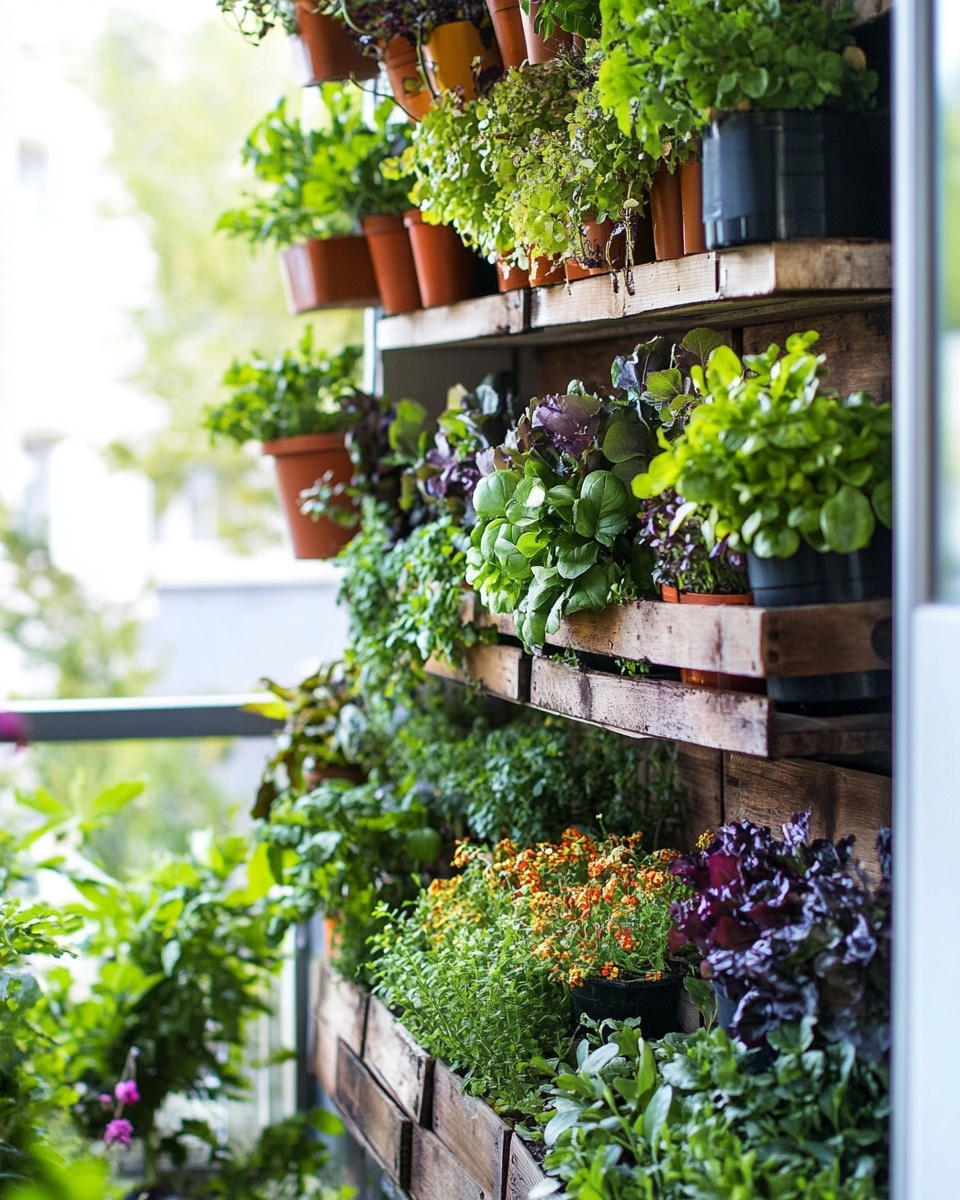
- Vertical Gardens: Install pocket planters, pallet gardens, or wall-mounted systems. These are excellent for growing herbs, succulents, or small edibles. Explore Vertical Indoor Garden Ideas for Small Spaces for inspiration.
- Container Gardening: Large pots and grow bags can create movable, multi-level gardens, perfect for adapting your backyard landscaping ideas with a pool in a rental property or if you prefer flexibility.
Creative Ideas & Uses
Terraced gardens are more than just functional; they're artistic canvases waiting for your personal touch, especially when integrating with backyard landscaping ideas with a pool.
- Decorating with Plants:
- Cascading Beauties: Plant trailing varieties like sweet potato vine, creeping phlox, or nasturtiums along the edges of upper terraces to create a vibrant waterfall effect.
- Color Blocking: Dedicate entire terraces or sections to single-color plant schemes for high-impact visual statements. Imagine a crimson rose terrace next to a lavender one.
- Textural Play: Combine plants with varied leaf shapes and textures, such as delicate ferns alongside broad-leaf hostas, to add depth and interest.
- Repurposing Garden Materials:
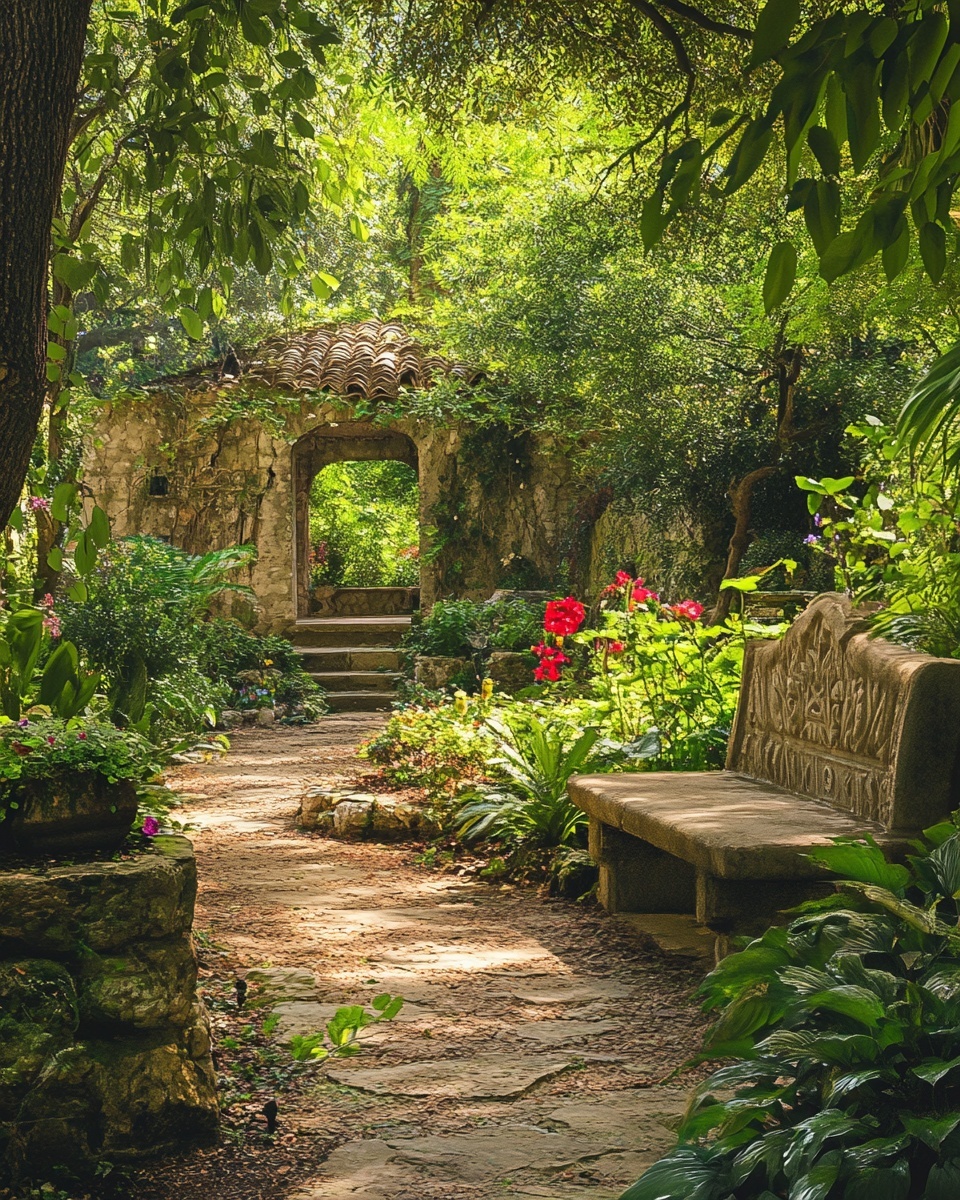
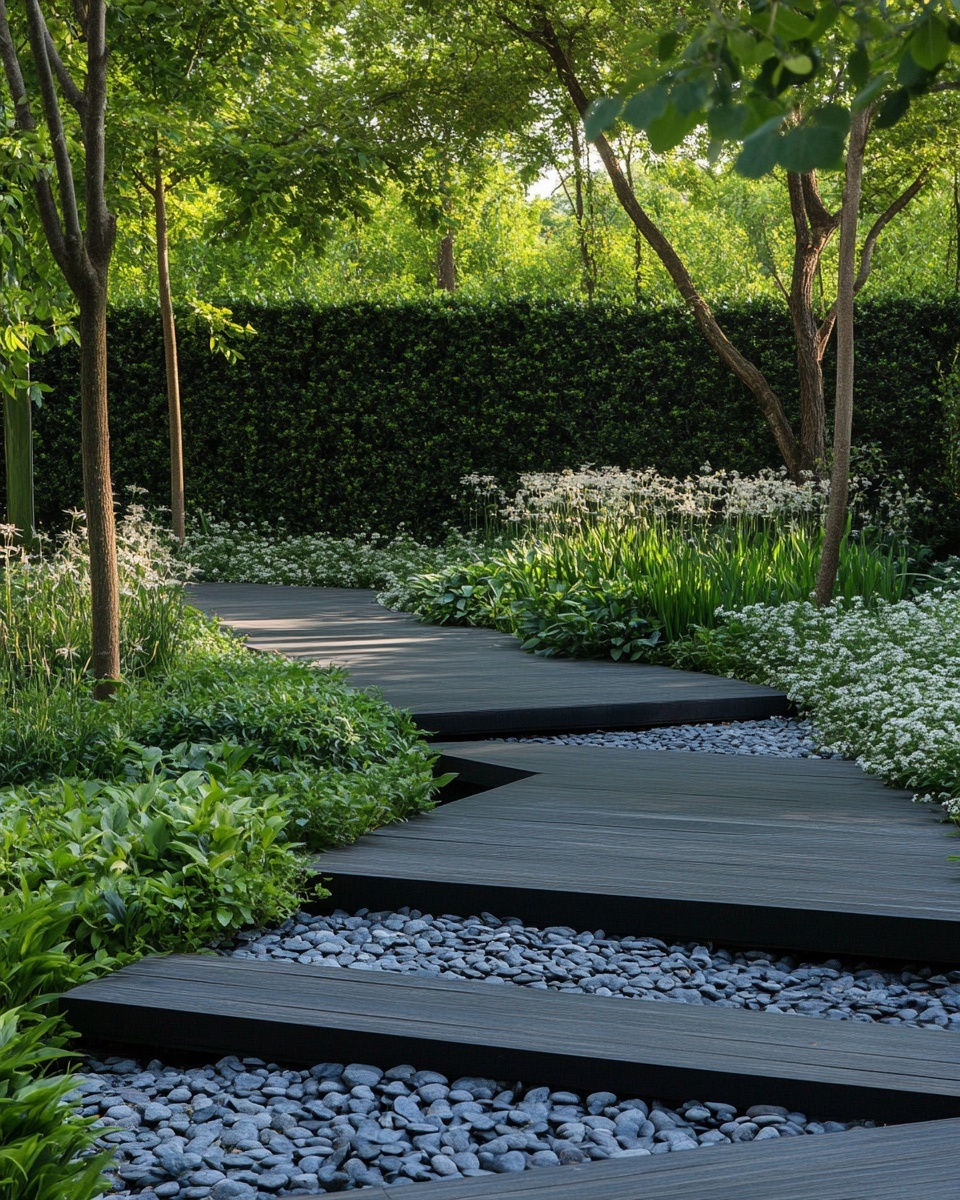
- Stone Pathways: Use flagstone scraps or river rocks embedded in gravel to create meandering paths between terraces, offering both charm and function.
- Rustic Planters: Old wooden crates, wine barrels cut in half, or even galvanized tubs can be strategically placed on terraces to add character and extra planting opportunities.
- Vertical Sculptures: Integrate driftwood or artistic metal pieces into your terracing for unexpected focal points that draw the eye.
- Combining Plants Aesthetically:
- Themed Terraces: Design terraces around a theme – a "fragrance terrace" with jasmine, lavender, and roses; an "edible terrace" with herbs and dwarf fruit trees; or a "pollinator paradise" with butterfly-attracting flowers.
- Year-Round Interest: Choose a mix of perennials, annuals, and evergreens to ensure your terraced garden offers beauty across all seasons. Include plants with striking winter forms or berries.
- Landscaping Inspirations with a Pool:
- Privacy Screens: Use taller, dense plants like bamboo (in planters to control spread) or ornamental grasses on the uppermost terraces or along the perimeter to create natural privacy from neighbors.
- Softening Hardscapes: Terraces can visually break up the hard lines of a pool deck, making the space feel more inviting and integrated with nature.
- Water Feature Integration: A small fountain or cascading waterfall can be incorporated into a terraced design, with water gently flowing from one level to the next, enhancing the serene ambiance of your pool area.
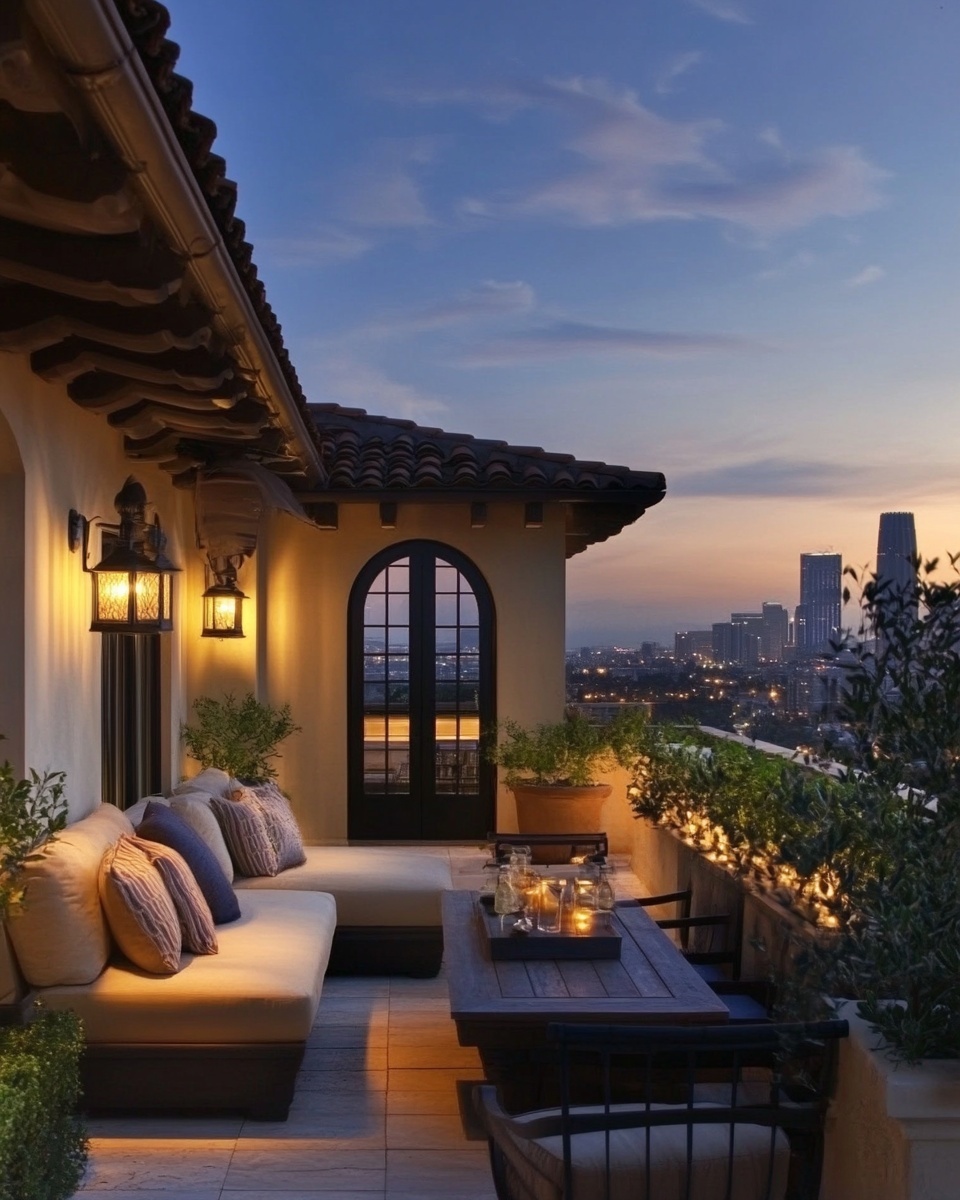
- Strategic Lighting: Install low-voltage landscape lighting beneath plants or along retaining walls to highlight textures and create a magical evening atmosphere around your pool. Check out our guide on Nighttime Pool Landscaping Ideas for inspiration.
- Child-Friendly Terraces: If children use the pool, consider soft, non-toxic groundcovers or edible plants on lower terraces for a safe, interactive garden.
Common Mistakes to Avoid
Even experienced gardeners make errors. Being aware of these pitfalls can save you time, money, and frustration.
- Insufficient Planning: Rushing into construction without a detailed design is a recipe for disaster. This often leads to uneven terraces, poor drainage, or plants unsuitable for the allocated space. According to landscape architects, approximately 40% of garden renovation project failures stem from inadequate preliminary planning.
- Neglecting Drainage: This is perhaps the most critical error. Without proper drainage, water can build up behind your retaining walls, leading to immense pressure that can cause walls to bow, crack, or even collapse. Overwatering due to poor drainage can cause root rot in 60% of houseplants, and the same principle applies to outdoor beds. Always include gravel backfill and consider drainage pipes.
- Incorrect Material Selection: Using unsuitable materials for the retaining walls (e.g., untreated wood in wet climates) will lead to premature decay and costly repairs. Always choose materials known for durability in your specific environment.
- Planting the Wrong Plants: Placing sun-loving plants in shaded terraces or moisture-loving plants in dry spots will result in struggling vegetation. Understand each plant's needs for sun, water, and soil type.
- Ignoring Soil Quality: Simply filling terraces with garden dirt often leads to compacted, nutrient-poor soil. Plants need rich, well-aerated soil to thrive. Always amend with generous amounts of compost and organic matter.
- Over-Complicating the Design: Especially for beginners, attempting too many intricate levels or unusual shapes can become overwhelming and expensive. Start with a simpler design and expand as your confidence and experience grow.
- Not Considering Access: Ensure you can easily access all your terraces for planting, watering, weeding, and harvesting. Cramped designs make maintenance a chore.
- Failing to Consult Local Codes: For large or structurally significant terraced walls, especially those associated with backyard landscaping ideas with a pool, you might need permits. Neglecting this could lead to fines or forced demolition.
Maintenance & Storage Tips
Long-term success in your terraced garden hinges on consistent care and smart storage practices.
- Long-Term Plant Health:
- Annual Soil Renewal: Each spring, top-dress your terraces with 1-2 inches of fresh compost. This replenishes nutrients, improves soil structure, and buffers soil pH.
- Regular Weeding: Weeds compete for nutrients and water. Nip them in the bud, especially when they are small, to prevent them from taking over.
- Pest and Disease Monitoring: Regularly inspect your plants. Early detection of issues allows for quicker, less invasive solutions. For example, a sharp stream of water can dislodge aphids before they become a major infestation.
- Pruning for Health and Shape: Beyond deadheading, prune shrubs and perennials to maintain their shape, encourage airflow, and remove diseased or crossing branches.
- Seed Storage:
- To ensure viability for next season, store seeds in a cool, dry, dark place. An airtight container in the refrigerator is ideal. Label packets clearly with the plant type and date. Properly stored seeds can remain viable for 2-5 years, depending on the species.
- Seasonal Care:
- Spring: Clean up winter debris, top-dress with compost, start seeds indoors, and begin planting cold-hardy varieties.
- Summer: Focus on consistent watering, pest control, and harvesting. Provide extra shade for delicate plants during heatwaves.
- Autumn: Clear spent annuals, plant fall bulbs, apply a thick layer of mulch for winter protection, and cut back perennials (if desired, some prefer leaving foliage for winter interest).
- Winter: For most regions, winter is a dormancy period. Ensure perennial plants are adequately mulched. Protect tender plants with burlap or horticultural fleece.
- Solutions for Common Issues:
- Yellow Leaves: Often indicates overwatering, nutrient deficiency, or sometimes underwatering. Check soil moisture first. If it's consistently wet, improve drainage. If dry, water deeply. Then consider a balanced liquid feed.
- Poor Soil Drainage: If water pools on your terraces, you likely have compacted soil or inadequate drainage layers. Unfortunately, this often requires partial deconstruction of the terrace to add more gravel, amendments, or drainage pipes. Prevention is key here. Incorporating more organic matter also vastly improves drainage.
Conclusion
Embracing terraced garden ideas offers a transformative approach to landscaping, turning challenges like sloped terrain into dynamic, productive, and visually stunning spaces. From enhanced drainage and reduced erosion to creating distinct microclimates for diverse plantings, the benefits are immense. By applying thoughtful design, selecting appropriate materials, and committing to consistent care, you can craft a tiered oasis that maximizes every inch of your outdoor area, even integrating seamlessly with sophisticated backyard landscaping ideas with a pool.
Ready to dig in? Don't let a sloped yard or limited space deter your gardening dreams. Start small if you need to, but start today! Share your terraced garden creations with us on social media—we’d love to see them flourish. For more detailed guides and inspiration, browse our related articles on cultivating your green thumb!
FAQ
Q1: How do I prevent soil erosion on a terraced garden?
A1: The retaining walls themselves are the primary method of erosion control. Additionally, backfilling with drainage gravel and filling beds with a rich, well-draining soil mix that includes ample organic matter (like compost) significantly reduces erosion. Planting ground covers and mulching heavily also help keep soil in place.
Q2: What are the best plants for a terraced garden?
A2: The best plants depend on your climate, sun exposure for each terrace, and desired aesthetic. Generally, choose plants with varying heights and textures. Cascading plants like creeping sedum or nasturtiums look fantastic flowing over the edges. For sunny spots, consider lavender, rosemary, or drought-tolerant perennials. For shadier terraces, hostas, ferns, and impatiens thrive. When designing backyard landscaping ideas with a pool, opt for plants that are low-litter and tolerant of splashing water or occasional chlorine exposure.
Q3: How much does it cost to build a terraced garden?
A3: Costs vary widely. A small DIY timber terraced garden might cost a few hundred dollars for materials. A larger, professionally installed stone or concrete block system could range from $5,000 to $20,000 or more, especially if it requires significant excavation or engineering. Material choice, labor, and the complexity of your design are the main cost drivers.
Q4: Is drainage important behind the retaining walls?
A4: Absolutely crucial! Without proper drainage, hydrostatic pressure from trapped water behind the wall can cause it to fail. Always ensure there's a layer of drainage gravel behind the wall and consider installing weep holes or a perforated drain pipe at the base to release water.
Q5: Can I build a terraced garden myself?
A5: Yes! Smaller, non-structural terraced gardens (e.g., up to 2 feet high) are often manageable for DIY enthusiasts. For larger, taller walls, particularly on steep slopes or near structures like a pool, it's highly advisable to consult with a professional landscaper or structural engineer to ensure safety and longevity.
Q6: How do I know if my soil is well-draining?
A6: Perform a simple percolation test. Dig a hole about 1 foot deep and fill it with water. If the water drains within 10-15 minutes, you have excellent drainage. If it takes an hour or more, your soil is heavy clay and will need significant amendment with organic matter and possibly sand to improve drainage.
Q7: Can a terraced garden increase property value?
A7: Yes, a well-designed and maintained terraced garden can significantly enhance curb appeal and property value. It demonstrates thoughtful landscaping, solves potential erosion issues, and creates usable, attractive outdoor living spaces, especially when complemented by elegant backyard landscaping ideas with a pool.
Related Gardening Resources:
- Looking for more ways to enhance your outdoor living space? Dive into our guide on Modern Backyard Landscaping Ideas with Pool for sleek, contemporary designs that perfectly complement your terraced garden!
- If you're eager to cultivate your own edibles, discover how to get started with How to Start a Vegetable Garden From Scratch – a perfect companion for your new terraced beds.
- Maximizing small spaces is a gardener's superpower! Explore brilliant strategies for Poolside Garden Layouts for Small Backyards to make the most of every inch around your aquatic retreat.
- For those curious about the best plants to grow, check out Best Vegetables to Grow for Beginners – ideal for filling your new terraced garden with delicious produce.
- Don't forget to add some vibrant flowers to your terraced masterpiece! Our article on Easy Flowers to Grow For Beginners will help you select resilient and beautiful blooms.