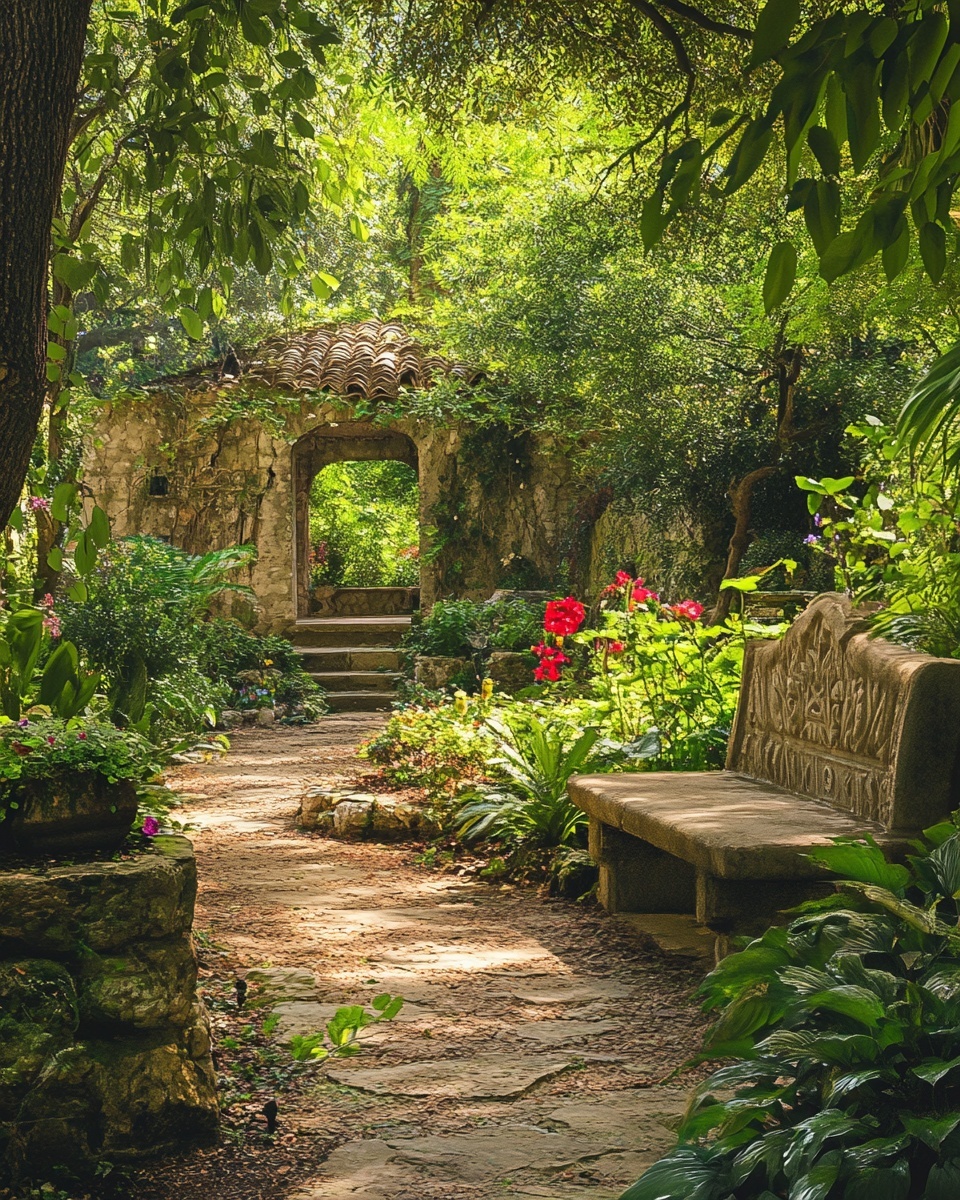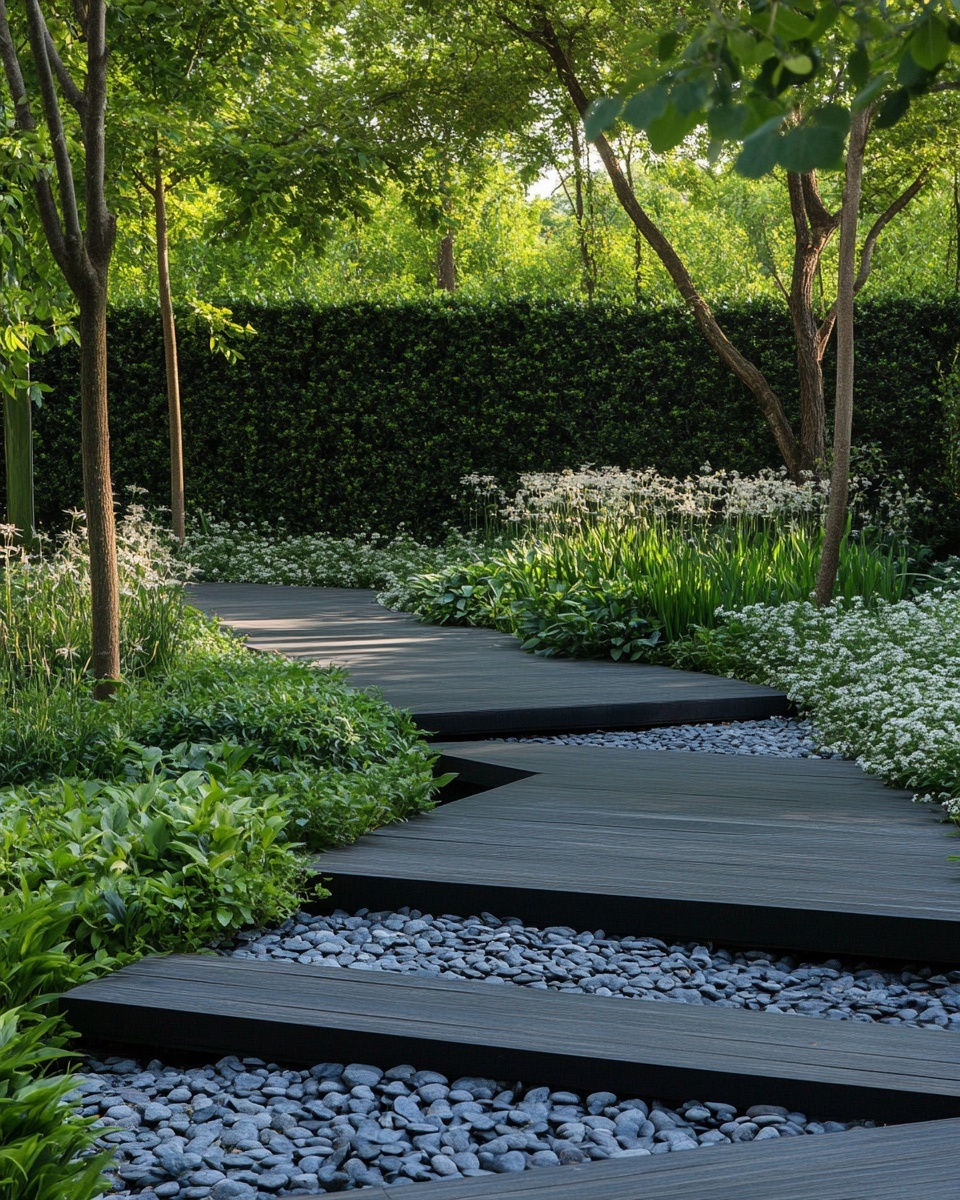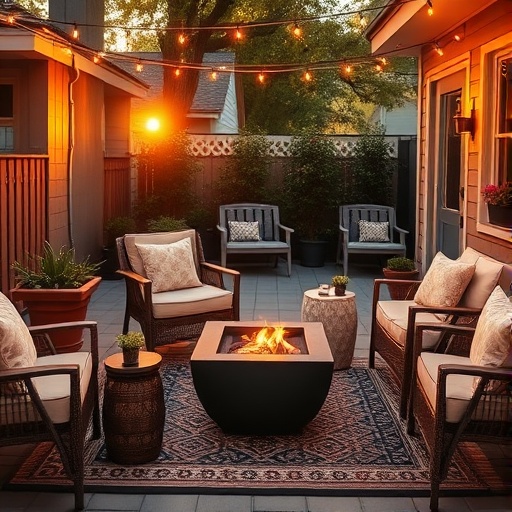
Ready to transform your backyard into an inviting oasis where relaxation meets style? Did you know that a well-designed outdoor living space can increase your home's value by an average of 7%? Beyond just property value, imagine the joy of seamless indoor-outdoor living, perfect for entertaining, unwinding, or enjoying nature's beauty. Crafting the perfect patio involves more than just pouring concrete; it’s about creating an extension of your home, a personal retreat that reflects your unique taste and lifestyle. Whether you dream of a cozy reading nook bathed in morning sun or a vibrant entertainment hub, understanding distinct patio ideas and integrating them effectively is key. Let's delve into inspiring outdoor patio concepts that combine aesthetics with functionality, ensuring your patio offers both beauty and utility.
Tools & Materials Needed
Designing and implementing stunning patio ideas requires a blend of planning and practical resources. Here's a detailed list to get you started, complete with eco-friendly and budget-conscious alternatives:
- Measuring Tape & Design Software (or Graph Paper): Essential for accurate planning. Budget alternative: A physical measuring tape and graph paper for hand-drawn layouts.
- Leveling Tools: Includes a spirit level, line level, and maybe even a laser level for larger areas, ensuring a stable foundation.
- Shovel and Rake: For excavation and spreading materials.
- Wheelbarrow: Indispensable for moving soil, gravel, or pavers.
- Compaction Tool: A hand tamper for small areas, or a plate compactor rental for larger projects, is crucial for a stable base.
- Edging Material: Plastic, metal, or stone edging helps define your patio boundaries and prevent material migration. Eco-friendly alternative: Recycled plastic lumber or salvaged natural stone pieces.
- Base Material: Crushed gravel or paver base. Aim for clean, angular aggregate for better compaction.
- Setting Bed Material: Washed concrete sand is ideal.
- Patio Surface Material:
- Pavers: Concrete pavers, natural stone (bluestone, flagstone, travertine), or brick. Eco-friendly alternative: Permeable pavers that allow rainwater to infiltrate the ground, reducing runoff.
- Wood Decking: Pressure-treated lumber, cedar, redwood, or composite decking. Sustainable alternative: Reclaimed wood or composite decking made from recycled plastics and wood fibers.
- Gravel: Pea gravel, decomposed granite, or river rock. Budget-friendly & permeable option.
- Concrete: Poured concrete can be stamped or stained for visual interest.
- Polymeric Sand: For filling joints between pavers, inhibiting weed growth and insect activity.
- String Line and Stakes: For establishing straight lines and precise levels.
- Safety Gear: Gloves, safety glasses, knee pads, and sturdy footwear.
- Optional Enhancements: Outdoor furniture, potted plants, lighting (solar or low-voltage), outdoor rug, fire pit, shade structure (umbrella, pergola kits). Budget-conscious tip: Look for second-hand furniture and upcycle it with a fresh coat of paint or new cushions.
Time & Effort Overview
Crafting beautiful patio ideas can range from a weekend project to a multi-week endeavor, depending on the complexity and size.
- Small Gravel Patio (50-100 sq ft): Time: 1-2 days for a DIY enthusiast. Effort: Moderate. Easier than laying pavers due to less precise leveling required for individual pieces.
- Paver Patio (100-200 sq ft): Time: 3-5 days for a DIY project, plus curing time if using polymeric sand. Effort: High. Requires meticulous leveling and preparation.
- Concrete Patio (poured/stamped): Time: 2-4 days for preparation and pouring, plus 5-7 days for curing. Effort: High. Often best handled by professionals due to the need for specific equipment and expertise.
- Decking Installation (wood/composite): Time: 4-7 days, depending on deck size and complexity. Effort: High, especially if building from scratch with a complex substructure.
Compared to building a new garden bed, which might take a day or two, constructing a patio generally requires 2-3 times more effort in terms of heavy lifting and precision. It’s an intermediate to advanced DIY project, though smaller gravel or simple paver patios are achievable for beginners with careful planning and a good helper.
Step-by-Step Gardening Process
Here’s a generic step-by-step guide focusing on a paver patio, a popular choice for many patio ideas, providing a great balance of durability and aesthetic appeal.
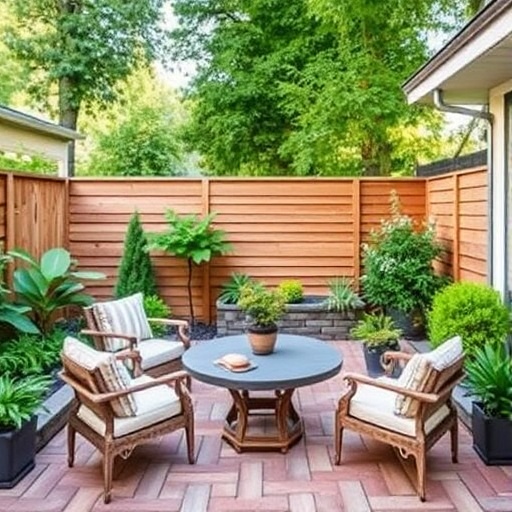
1. Plan Your Patio Layout
Start by defining the exact dimensions and shape using stakes and string. Consider traffic flow, sun exposure, and proximity to your home. Sketch your design, including furniture placement and potential planting areas. Don’t worry if your first sketch isn't perfect; refine it until it feels right. This planning phase is crucial, as errors here can lead to significant rework later.
2. Prepare the Site
Clear the area of all vegetation, rocks, and debris. Use your shovel to excavate the ground to the required depth. For a paver patio, you'll typically need to excavate 6-8 inches (depending on your local climate and frost lines) to accommodate the base, sand, and pavers. Ensure a slight slope (about 1/4 inch per foot) away from your house for proper drainage. Here’s how to fix poor drainage: simply adjust the slope as you add the base material, ensuring water naturally flows away.
3. Install Edging
Once excavated, install your chosen edging material along the perimeter. This acts as a restraint, holding your base and pavers in place. Secure plastic or metal edging with spikes, or set stone edging in a thin bed of concrete for added stability.
4. Lay the Base Material
Spread 4-6 inches of crushed gravel or paver base evenly across the excavated area. Dampen the gravel slightly and compact it thoroughly using a hand tamper or plate compactor. Compact in layers of no more than 2 inches for best results. This prevents future settling and creates a strong foundation for your patio.
5. Add the Sand Setting Bed
Once the base is compacted, spread 1 inch of washed concrete sand over the gravel. Use screed boards (two parallel pipes or wooden strips set to the desired level) and a straight 2×4 to level the sand perfectly. Pull the 2×4 across the screed boards to create a smooth, even surface. Avoid walking on the screed bed after leveling.
6. Lay the Pavers
Carefully place your pavers onto the sand bed, starting from a corner or a straight edge. Work outwards, maintaining consistent joint spacing (typically 1/8 to 1/4 inch). Use a rubber mallet to gently tap pavers into place and adjust their level as needed. Don’t worry if some pavers seem slightly uneven; minor adjustments can be made. Periodically check your alignment with a string line.
7. Cut Pavers (if necessary)
You'll likely need to cut some pavers to fit edges or curves. Use a wet saw (rentable from tool shops) or a paver splitter for clean cuts. Always wear safety glasses and gloves when cutting.
8. Compact the Pavers
Once all pavers are laid, spread a thin layer of sand over the entire surface. Use a plate compactor (with a protective pad if available) to vibrate the pavers into the sand bed. This helps settle them firmly and locks them into place.
9. Apply Polymeric Sand
Sweep polymeric sand into the joints thoroughly, ensuring all gaps are filled. Use a broom to remove excess sand from the paver surface. Lightly mist the patio with water according to polymeric sand instructions. The water activates a binding agent, hardening the sand and preventing weeds and ants.
10. Final Touches
Allow the polymeric sand to cure. Then, clean your patio and begin adding furniture, plants, and decor. Your new outdoor living space is ready to enjoy!
Growth & Care Tips
While patios don't "grow," their longevity and appearance depend on continuous care.
- Weed Prevention: Polymeric sand significantly reduces weed growth between pavers. For any persistent weeds, consider a targeted weed killer or a natural solution like horticultural vinegar. Studies show that properly applied polymeric sand can reduce weed growth by up to 80% compared to regular sand.
- Cleaning: Regularly sweep your patio to remove leaves and debris. For tougher stains, a pressure washer (used carefully at a lower setting to avoid dislodging polymeric sand) or a specialized patio cleaner can be effective. Avoid harsh chemicals that could damage the paver surface or leach into your garden.
- Resealing (for some materials): Some natural stone or concrete pavers benefit from periodic sealing (every 2-3 years) to protect against stains and fading. This often enhances their color and prevents moisture absorption.
- Joint Maintenance: Over time, polymeric sand may erode or crack. Reapply fresh polymeric sand as needed to maintain the integrity of your patio.
- Furniture Care: Protect outdoor furniture from harsh weather by covering it or storing it indoors during off-seasons. Clean cushions regularly to prevent mildew.
Eco-Friendly & Sustainable Alternatives
Incorporating sustainability into your patio ideas isn't just good for the planet; it can also be wallet-friendly.
- Utilize Local & Reclaimed Materials: Opt for locally sourced stone or wood to reduce transportation emissions. Search for reclaimed pavers, bricks, or even old barn wood for a unique, eco-conscious look. This also adds character to your patio.
- Permeable Surfaces: Instead of solid concrete, consider permeable pavers or a gravel patio. These surfaces allow rainwater to seep into the ground, recharging groundwater, reducing runoff, and minimizing the strain on storm drains. This can also help prevent pooling water, a common issue in poorly planned patio designs.
- Rainwater Harvesting: Direct runoff from covered patio areas or surrounding roofs into rain barrels. This water can then be used for irrigating nearby garden beds or potted plants.
- Natural Pest Control: Use companion planting around your patio to deter pests naturally, rather than relying on chemical sprays. For example, planting citronella near seating areas can help keep mosquitoes at bay.
- Energy-Efficient Lighting: Choose solar-powered lights or low-voltage LED lighting for ambient evening illumination around your patio. These options consume minimal energy and create wonderful ambiance.
- Compost for Nearby Plants: If you integrate garden beds around your patio, use homemade compost to enrich the soil. This reduces waste and provides nutrient-rich soil cheaply. Remember, if you're looking for more ways to manage your garden naturally, you'll find fantastic advice on organic fertilizer recipes for herb gardens and even tips on how to start a vegetable garden from scratch.
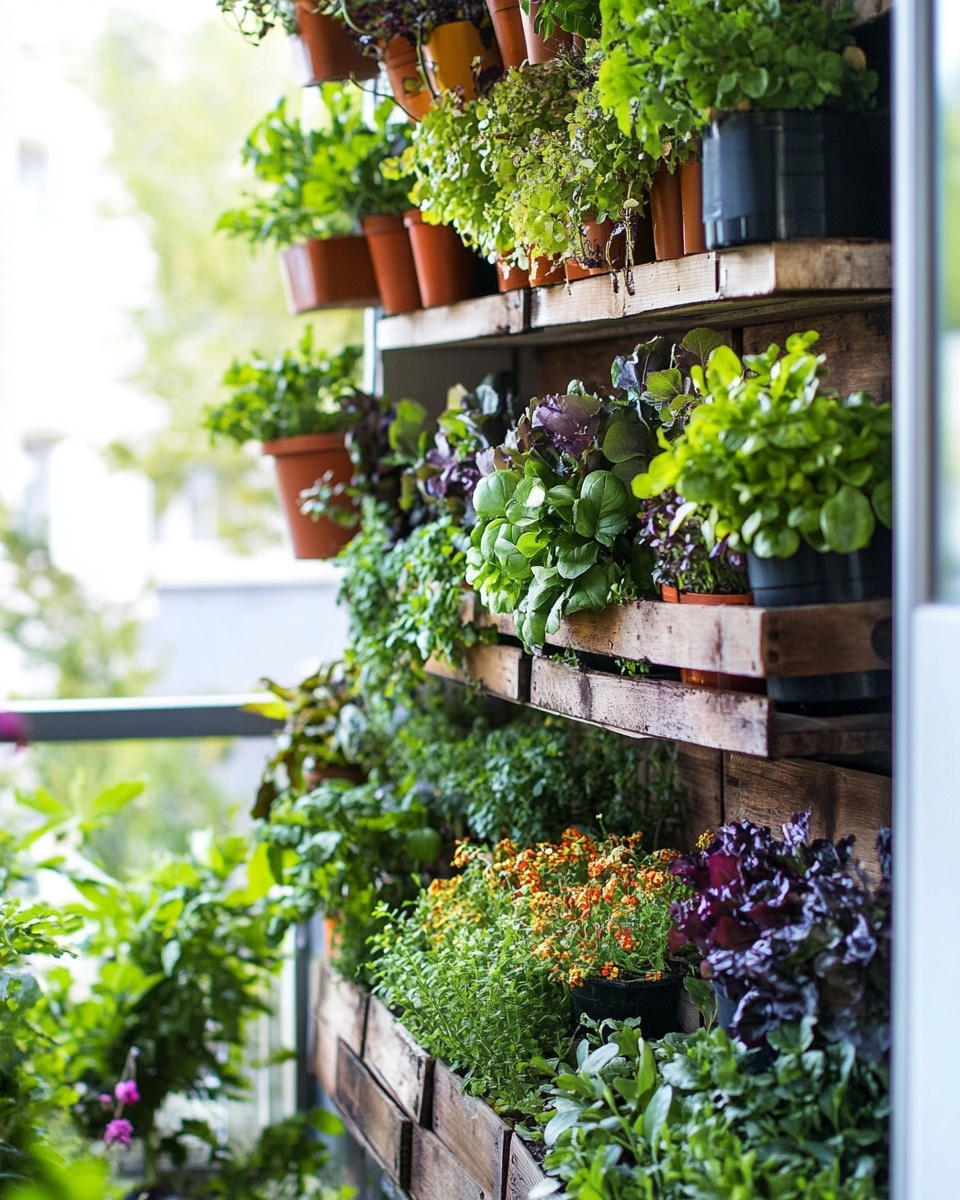
- For Small Spaces: Balcony gardens and vertical planters are excellent patio ideas for urban dwellers. Consider creating a vertical herb garden to maximize space and bring fresh flavors right to your outdoor seating. Explore balcony herb garden design ideas for inspiration.
Creative Ideas & Uses
Unleash your creativity to make your patio truly stand out.
- Design Zones: Divide your patio into functional zones: a dining area, a lounge space with cozy seating, and a small zone for container gardening. This creates a sense of purpose and flow within the space.
- Integrated Planters: Instead of just pots, consider building raised garden beds directly into your patio design. This creates a seamless transition between your hardscaping and softscaping, adding lush greenery.
- Statement Furniture: Choose a striking outdoor sofa or a unique dining set that acts as a focal point. Mix and match textures and materials for an eclectic, personalized look.
- Vertical Gardens & Living Walls: Short on space but crave greenery? Incorporate vertical gardens on a fence or wall next to the patio. These "living walls" add incredible visual interest and help cool the area.
- Water Features: A small fountain or a decorative birdbath can add soothing sounds and attract local wildlife, enhancing the serene atmosphere of your patio.
- Outdoor Rugs: Define your seating areas with outdoor rugs. They add color, texture, and comfort, making your patio feel like an extension of your indoor living room.
- Repurpose & Upcycle: Transform old wooden pallets into a unique coffee table, use vintage crates as planters, or turn old tires into colorful seating. Upcycling adds character and reduces waste. For more garden inspiration, check out our curated collection on Pinterest: pinterest.com/janatjanay47/.
Common Mistakes to Avoid
Even the most seasoned gardeners and DIY enthusiasts can stumble. Here are some pitfalls to sidestep:
- Inadequate Site Preparation: Rushing the excavation and base compaction leads to uneven surfaces and settling over time. A solid base is the foundation of any long-lasting patio. Studies show that over 40% of patio failures can be attributed to poor base preparation.
- Poor Drainage: Failing to ensure a proper slope away from your home can lead to water pooling, foundation issues, and an unusable patio after rain. Remember that 1/4 inch per foot slope is generally recommended.
- Forgetting Edging: Without proper edging, your pavers or gravel will migrate, destroying the patio's shape and integrity.
- Skipping Polymeric Sand: While tempting to save a few bucks, polymeric sand is crucial for minimizing weeds and insect activity, and for stabilizing your pavers. Regular sand washes out and invites more maintenance.
- Buying Low-Quality Materials: Cheaping out on pavers or base material might save money upfront, but it often leads to premature wear, fading, and more frequent repairs. Invest in quality materials for a patio that truly lasts.
- Overlooking Local Regulations: Always check with your local municipality for any required permits or specific building codes before undertaking a significant patio construction project. This can save you from costly fines or forced demolition.
- Underestimating the Time Commitment: Building a patio, especially a paver one, is labor-intensive. Plan for enough time and enlist help if needed to avoid burnout and a rushed, suboptimal job.
Maintenance & Storage Tips
Maintaining your patio ensures it remains a beautiful and functional space for years.
- Annual Deep Clean: Once a year, give your patio a thorough cleaning. Remove all furniture and potted plants. Sweep, then use a pressure washer (on a low setting or with a fan nozzle) or a stiff brush with an appropriate cleaning solution specific to your patio material.
- Re-sanding Joints: After a few years, or if you notice significant weed growth, it might be time to refresh the polymeric sand in your paver joints. Sweep out loose existing sand, clean the patio, and apply new polymeric sand as per the instructions.
- Stain Removal: Address spills and stains promptly. Different materials react differently, so research the best removal methods for your specific patio surface. For instance, oil stains might require a degreaser.
- Winterizing (if applicable): In colder climates, consider covering delicate furniture or bringing cushions indoors. Ensure your patio's drainage is clear to prevent ice buildup, which can damage surfaces.
- Check for Cracks/Damage: Periodically inspect your patio for any cracks, loose pavers, or uneven areas. Addressing minor issues quickly can prevent them from becoming major problems.
- Protective Coatings: For wooden decks or natural stone, reapply sealants or stains as recommended by the manufacturer to protect against UV damage, moisture, and wear.
Conclusion
Creating a beautiful and functional outdoor patio is an investment in your home and your lifestyle. From meticulously planning your layout to selecting the right materials and diligently following each step, your efforts will culminate in a personal sanctuary designed for relaxation and enjoyment. Embracing eco-friendly options and avoiding common mistakes will not only ensure longevity but also enhance the sustainable beauty of your outdoor space. These patio ideas offer a blend of personalized design and practical application, ensuring your backyard truly transforms.
Ready to roll up your sleeves and craft the backyard oasis you’ve been dreaming of? We’d love to see your progress! Share your stunning patio ideas and photos on social media using #MyPerfectPatio, or leave a comment below with your favorite design tips. For more inspiration on transforming your garden, explore our other guides and let your green thumb flourish!
FAQ
Q1: How much does it cost to build a paver patio?
A1: The cost of paver patio ideas can vary significantly. DIY projects might range from $3 to $10 per square foot for materials, while professional installation can cost anywhere from $15 to $30+ per square foot, depending on paver type, design complexity, and local labor rates.
Q2: What's the best base for a patio?
A2: For most patio ideas, a compacted base of crushed aggregate (like ¾-inch crushed gravel or paver base) is ideal. It provides excellent stability and drainage. This should be topped with a 1-inch layer of washed concrete sand as a setting bed for pavers.
Q3: How deep should I excavate for a patio?
A3: Generally, you'll need to excavate 6 to 8 inches deep for a paver patio. This accommodates 4-6 inches of compacted base, 1 inch of sand, and the thickness of your pavers. Adjustments might be needed for regions with deep frost lines.
Q4: Can I build a patio over grass?
A4: While appearing easier, laying a patio directly over grass is not recommended. The grass will decompose, leading to uneven settling and an unstable patio surface. Proper excavation and base preparation are essential for any durable patio project.
Q5: How do I prevent weeds from growing through my patio pavers?
A5: The best defense against weeds in your paver patio ideas is proper installation. Use a compacted base, a good quality sand setting bed, and most importantly, fill the joints with polymeric sand. This specialized sand hardens when wet, forming a strong barrier against weeds and insects.
Q6: What's the difference between concrete pavers and natural stone?
A6: Concrete pavers are manufactured, offering consistency in size, shape, and color, and are generally more budget-friendly. Natural stone (like Bluestone or Flagstone) offers unique variations, a more rustic or luxurious feel, and excellent durability, but typically at a higher cost. Both are great options for various patio ideas.
Q7: How much slope should a patio have for drainage?
A7: A recommended slope for patio ideas is approximately 1/4 inch per linear foot, sloping away from any structures (like your house). This subtle gradient is usually imperceptible but highly effective in directing rainwater away, preventing pooling and potential damage.
For those looking to expand their green thumb beyond the patio, explore these related articles for more gardening inspiration:
- Thinking about starting from scratch? Our guide on how to start a vegetable garden from scratch provides all the foundational knowledge you need.
- If you're eager to add vibrant life to your outdoor area, discover the best companion herbs to grow together to attract pollinators and deter pests.
- Maximizing space is key for many gardeners. Learn about brilliant balcony herb garden design ideas to bring greenery to even the smallest areas.
- For those with a penchant for growing their own food, check out our tips on the best vegetables to grow for beginners. You'll be harvesting in no time!