Introduction
Did you know that spending just 20 minutes a day in a green space can significantly reduce stress levels, with studies from the University of Michigan showing a 20% drop in cortisol? Imagine cultivating that serene green space right in your own backyard! That's where beautiful and thoughtfully designed garden ideas come into play, transforming your outdoor area into a personal haven. Specifically, the elegance of a Japanese courtyard garden offers not just aesthetic appeal, but a profound sense of tranquility, often overlooked in the hustle of modern life. These meticulously crafted landscapes, deeply rooted in Zen philosophy, provide a perfect escape—a living piece of art right outside your door.
Tools & Materials Needed
Creating your own Zen retreat requires a thoughtful selection of tools and materials. Don't worry, many items can be sourced sustainably or on a budget.
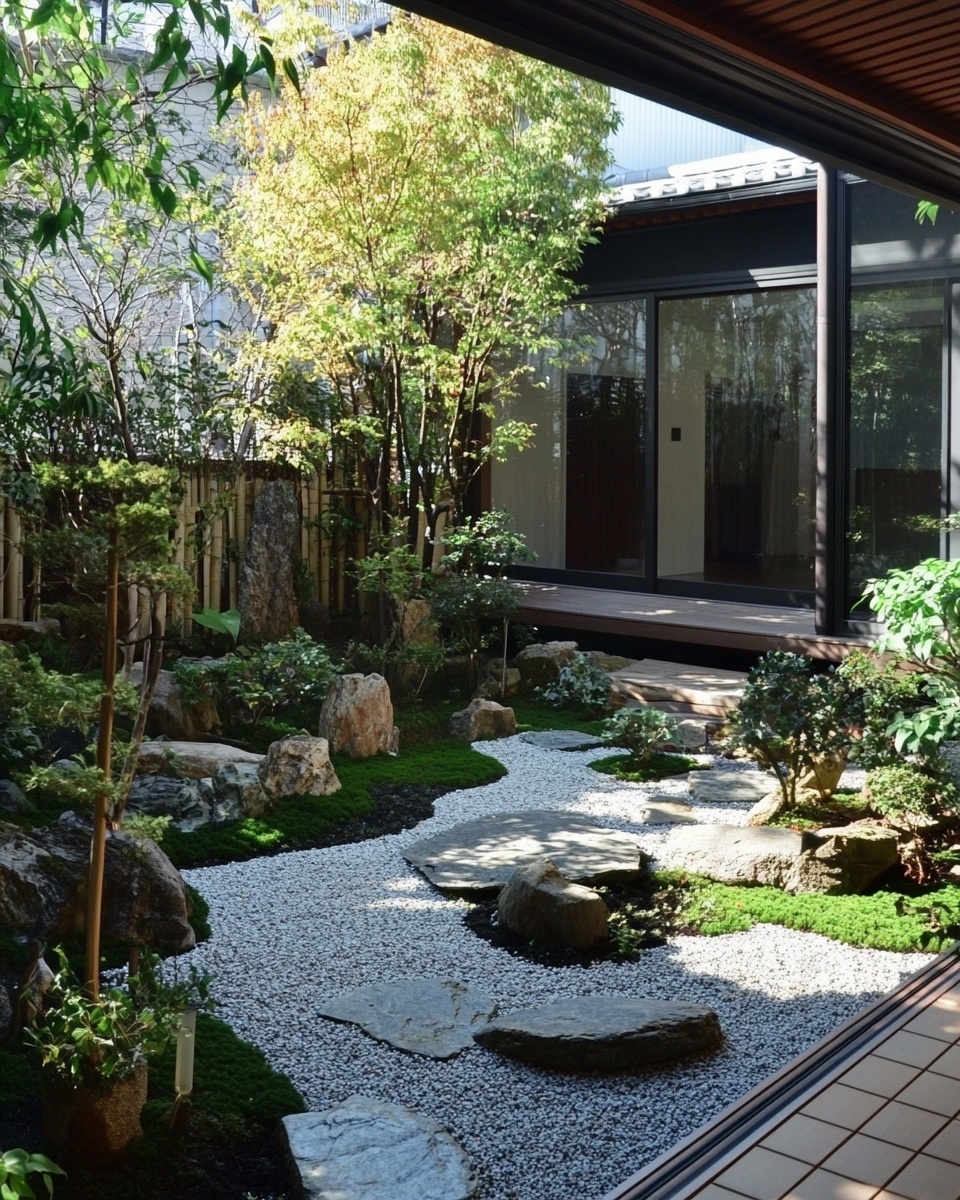
Here’s what you’ll need for your dream Japanese-inspired garden:
- Shovel and Trowel: Essential for digging, planting, and moving soil. For an eco-friendly choice, look for tools with sustainably sourced wooden handles.
- Rake: To level the ground and create those iconic raked-sand patterns.
- Pruning Shears/Secateurs: For shaping plants and removing dead growth, ensuring your garden maintains its sculpted look.
- Wheelbarrow (Optional but Recommended): Great for transporting soil, rocks, and other heavier materials, saving your back!
- Stones and Rocks: These are the backbone of many Japanese garden ideas, representing mountains or islands. Source local stones to reduce environmental impact, or check salvage yards for interesting finds.
- Gravel or Sand: Crucial for dry garden (Karesansui) designs, mimicking water. Consider permeable gravel for better drainage.
- Selected Plants: Aim for plants that evoke a Japanese aesthetic, such as dwarf conifers (e.g., Japanese maples like ‘Crimson Queen’ or ‘Bloodgood’), bamboo (clumping varieties are best to prevent spread), moss, hostas, and ferns. For a budget-friendly option, look for smaller saplings or propagating existing plants from cuttings.
- Soil Amendments: Depending on your existing soil, you might need compost or sand to improve drainage and nutrient content, as many Japanese garden plants prefer well-draining soil.
- Watering Can or Hose: For consistent moisture. A watering can offers precise application, especially for delicate moss.
- Edging Material: To define areas and prevent gravel from spilling. Options include natural stone, wood, or recycled plastic edging.
- Lanterns or Water Features (Optional): Stone lanterns (Toro) or a small bamboo water feature (Shishi-odoshi) can add traditional elements and soothing sounds. DIY options using repurposed materials can be charming and cost-effective.
Time & Effort Overview
Embarking on a Japanese courtyard garden project is a journey that offers ongoing rewards. Initial setup time can range from a weekend for a small, simple design to several weeks for a more elaborate one, especially if you're procuring specific large stones or implementing complex water features.
- Initial Setup (Small Garden): 1-2 weekends. This involves planning, clearing the space, laying down weed barriers, placing rocks, and planting.
- Initial Setup (Medium to Large Garden): 2-4 weeks, depending on complexity and amount of heavy lifting.
- Ongoing Maintenance: Much like creating garden ideas for a traditional flower bed, regular maintenance is key, but Japanese gardens often require less intensive care than heavily blooming gardens. Expect to dedicate 1-2 hours per week for weeding, pruning, and raking gravel.
- Difficulty Level: Intermediate. While the basic principles are beginner-friendly, achieving the aesthetic balance and intricate details of a truly serene Japanese garden requires some planning and attention to detail. However, anyone can start small and expand their skills.
Step-by-Step Gardening Process
1. Plan Your Oasis
Before you lift a single shovel, grab a pen and paper. Sketch out your ideal garden layout, considering the space's size and sun exposure. Think about key elements: pathways, rock placement, plant groupings, and potential focal points like a lantern or a small water basin. Many expert gardeners recommend spending 70% of your time on planning, the remaining 30% on execution. This initial thought process is crucial for creating cohesive garden ideas.
2. Prepare the Site
Clear the area of any existing vegetation, debris, and stubborn weeds. This is paramount; unchecked weeds can quickly overwhelm your meticulously planned design. Level the ground, ensuring proper drainage. For areas where you plan to use gravel or sand, lay down a landscape fabric or weed barrier. This step is critical to prevent unwanted growth. Don’t worry if the ground isn’t perfectly flat initially; subtle undulations can add natural charm.
3. Place Your Stones
This is where the artistry begins. Carefully position larger stones first, treating them as sculptures. Consider their shape, texture, and how they relate to each other. Traditional Japanese gardens often arrange stones in odd numbers (e.g., groups of three or five) to create asymmetry and dynamic balance, echoing natural formations. Step back frequently to assess the composition from different angles.
4. Introduce Your Plants
Dig appropriate holes for your chosen plants, ensuring they have enough space for their mature size. Incorporate compost into the soil to give them a healthy start. Remember, in Japanese garden ideas, less is often more. Focus on selective plantings that offer year-round interest and contrast, like the evergreen needles of a dwarf conifer against the delicate foliage of a Japanese maple. Water thoroughly after planting.
5. Create the Dry Landscape (Karesansui)
If you're incorporating a dry garden, spread your chosen gravel or sand evenly. Then, using your rake, create patterns that symbolize water, fluidity, or ripples. These patterns, often created around larger stones or islands, are a meditative practice in themselves. Regular raking is part of the garden's ongoing beauty and contemplation.
6. Add Finishing Touches
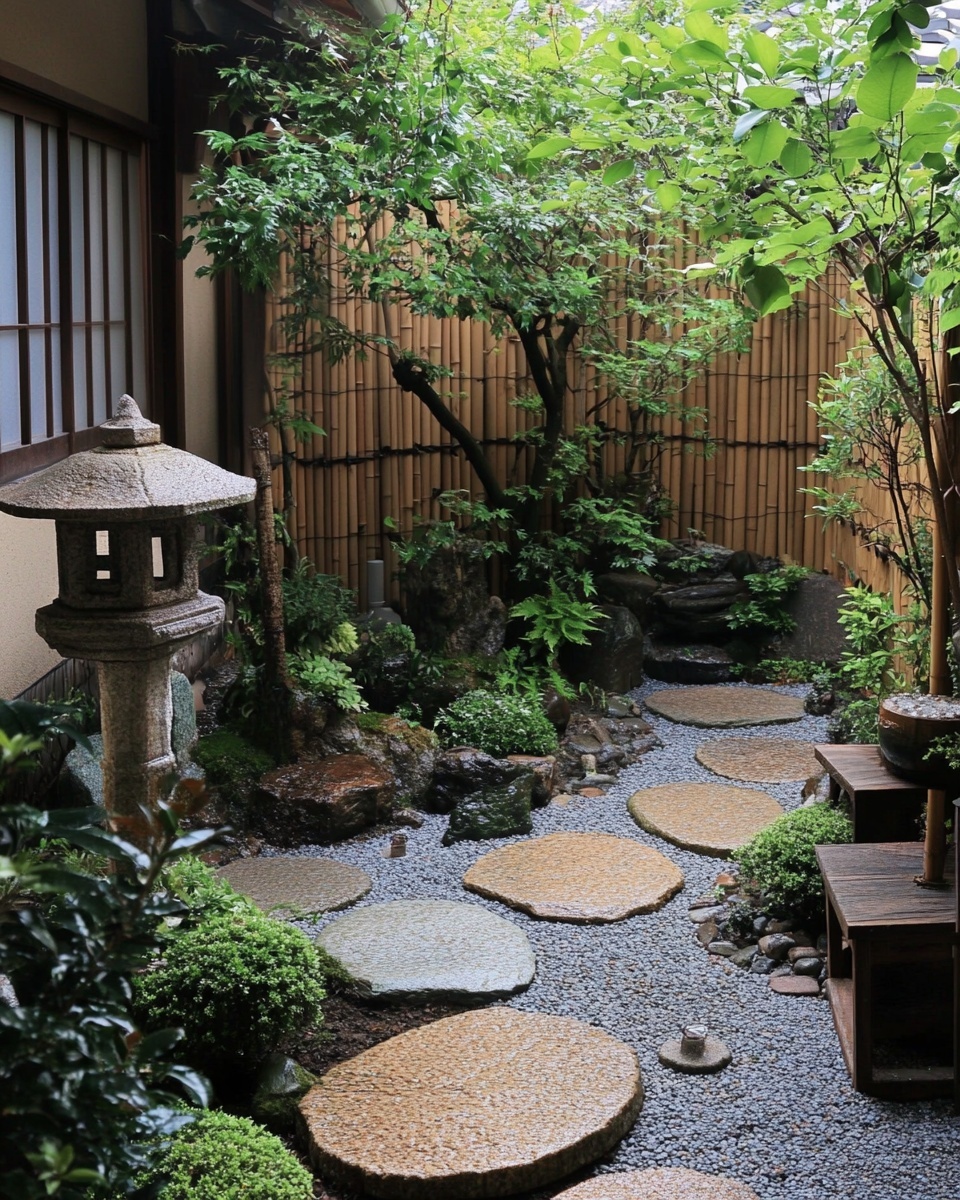
Consider adding a natural stepping stone path. Ensure the stones are stable and level to prevent tripping. If you’re adding a water feature, install it according to manufacturer instructions. A simple stone bench or a carefully placed lantern can elevate the contemplative atmosphere of your garden.
Growth & Care Tips
Maintaining your Japanese garden is a commitment to fostering its beauty and tranquility.
- Watering Frequency: Most plants in a Japanese garden, once established, prefer consistent but not excessive moisture. Japanese maples, ferns, and hostas will appreciate moist soil, especially during dry spells. Moss, however, requires constant humidity and might need daily misting or light watering, particularly in warmer climates. Overwatering causes root rot in over 60% of plant fatalities for many species, so always check soil moisture before watering.
- Sunlight Exposure: This varies by plant. Dwarf conifers and Japanese maples generally prefer partial shade, especially in hotter climates, as direct afternoon sun can scorch their delicate leaves. Moss thrives in significant shade. Plan your planting zones accordingly, making the most of your garden's unique light conditions.
- Pruning: Precision pruning is vital for maintaining the desired aesthetic, often focusing on enhancing natural forms. Prune Japanese maples in late summer or early winter when dormant to avoid 'bleeding' sap. Keep bamboo shoots in check to prevent unwanted spread, especially with running varieties. Target dead, diseased, or crossing branches to encourage healthy growth and structure.
- Fertilization: Japanese gardens traditionally rely on natural soil fertility. Instead of synthetic fertilizers, consider annual top-dressing with a slow-release organic compost or well-rotted manure in spring. This gently nourishes the soil and promotes microbial activity.
- Pest Prevention: Healthy plants are naturally more resistant to pests. Regularly inspect your plants for signs of trouble. Many common pests can be deterred with organic solutions like neem oil or insecticidal soap. Companion planting (though less common in formal Japanese gardens) can also offer natural pest control. For instance, strong-scented herbs can deter some insects, though usually not part of the minimalist Japanese aesthetic.
Eco-Friendly & Sustainable Alternatives
Cultivating a Japanese garden can be a profoundly sustainable act, focusing on natural elements and harmony.
- Composting: Start a compost pile for garden trimmings and kitchen scraps. This creates nutrient-rich soil amendments, reducing waste and the need for purchased fertilizers. It’s part of a holistic approach to garden ideas that respects natural cycles.
- Natural Fertilizers: Beyond compost, consider using worm castings, kelp meal, or fish emulsion. These provide essential nutrients without harming beneficial soil microbes or leaching chemicals into the environment.
- Water Conservation: Implement rainwater harvesting for irrigation. A simple rain barrel can collect significant amounts of water, especially useful for plants that prefer filtered water. Mulching around plants with organic materials like bark chips or pine needles also helps retain soil moisture, reducing watering frequency by up to 30%.
- Alternatives for Small Spaces: Don't have a large courtyard? No problem! Many Japanese garden ideas can be scaled down.
- Balcony Gardens: Use large, shallow pots for dwarf Japanese maples, mosses, and ferns. A small gravel tray can mimic a dry landscape.
- Mossariums: Create miniature enclosed ecosystems with moss and small stones in glass containers.
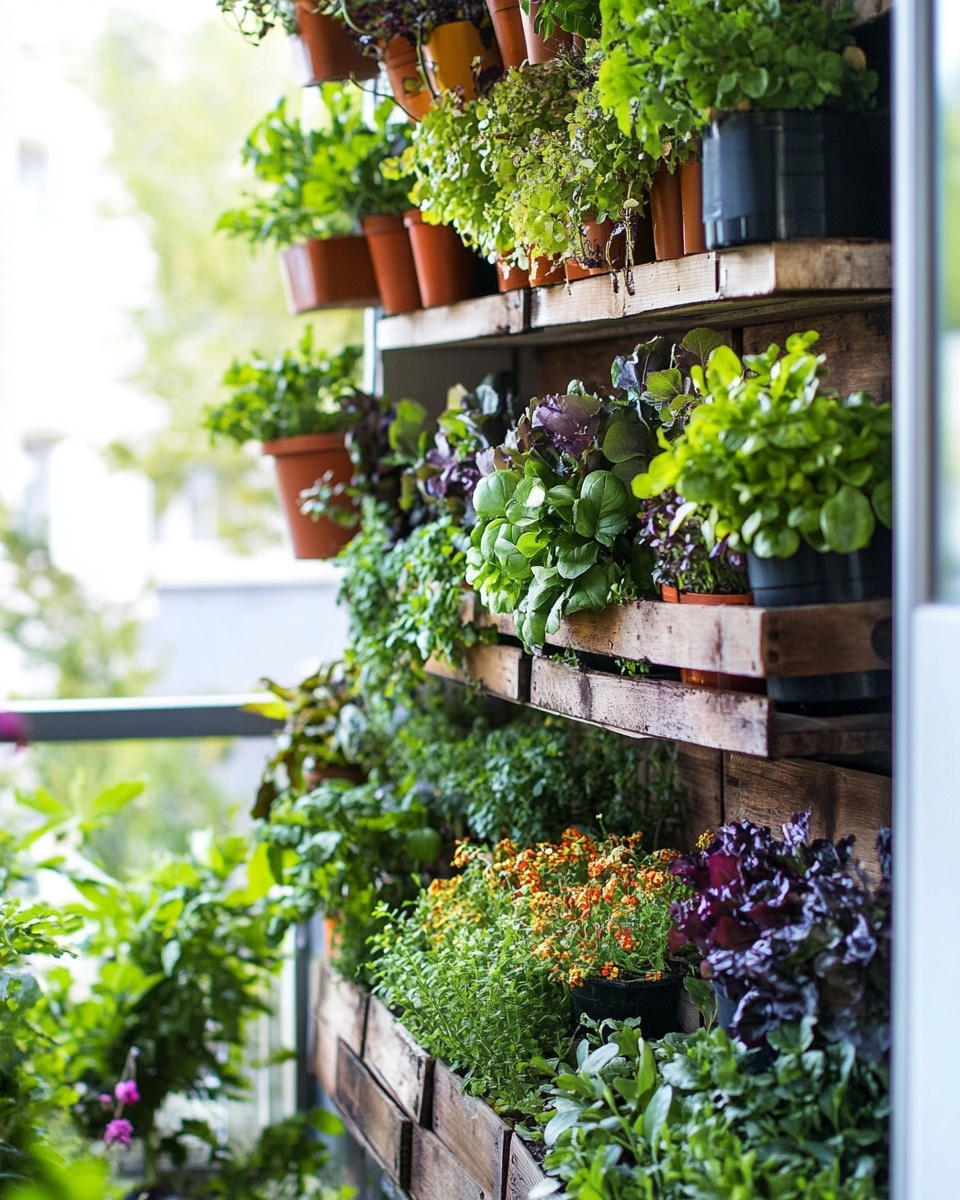
- Vertical Gardens: While not traditional, a vertical layout featuring ferns or hostas in pockets can evoke a green wall, especially if framed with bamboo elements.
- Patio Corners: Even a small corner can become a serene display with a carefully chosen stone, some moss, and a bonsai or small, sculpted shrub.
Creative Ideas & Uses
A Japanese courtyard garden isn't just a collection of plants and rocks; it's an experience waiting to unfold.
- Decorating with Intent: Integrate traditional elements with a modern twist. For example, instead of a grand stone lantern, use smaller, solar-powered LED lanterns that emit a soft, warm glow at twilight, highlighting key features.
- Repurposing Materials: Old wooden fence posts can be cleaned and repurposed as natural garden edging. Flat, broken pieces of concrete can become stepping stones, saving money and reducing waste. Look for interesting textures that blend with the natural aesthetic.
- Aesthetic Combinations: The beauty lies in contrast and balance. Pair the delicate, weeping branches of a Japanese maple with the sturdy, unchanging presence of a large, weathered rock. Combine the soft texture of moss with the sharp lines of carefully raked gravel. Consider a strategically placed bamboo screen for privacy and a subtle, rustling sound in the breeze, adding to the sensory experience of your garden ideas.
- Integration with Architecture: If your garden is adjacent to your home, consider how views from inside impact the design. Frame a specific plant or rock arrangement with a window, turning it into a living art piece visible from your living room or study.
Common Mistakes to Avoid
Even seasoned gardeners can stumble. Being aware of these pitfalls will save you time and frustration.
- Overcrowding: One of the most common mistakes is planting too many plants or selecting species that will grow too large for the space. Japanese gardens value negative space and distinct forms. Over-planting leads to a cluttered, less peaceful look and inhibits plant health. Remember the saying, "The space between is as important as the space itself."
- Ignoring Drainage: Many of the plants conducive to a Japanese aesthetic, like Japanese maples and most conifers, require well-draining soil. Poor drainage leads to waterlogged roots, suffocating the plant and often causing root rot. In fact, reports show poor drainage contributes to approximately 50-70% of plant mortality in home gardens. Amend heavy clay soils with organic matter and grit before planting.
- Mismatching Materials: Using too many different types of stones, gravels, or decorative elements can create a chaotic rather than harmonious effect. Stick to a limited palette of natural materials that complement each other. Cohesion is key to achieving a serene atmosphere in your garden ideas.
- Lack of Focal Points: A Japanese garden often benefits from a clear focal point—a striking rock group, a specimen tree, or a carefully placed lantern. Without one, the eye can wander without rest, diminishing the garden’s contemplative quality.
- Rushing the Process: Japanese garden design is an art form that requires patience. Don't rush the planning or the execution. Take time to observe your space, consider different layouts, and source the right materials. A well-thought-out garden evolves beautifully over time.
Maintenance & Storage Tips
Long-term health and vitality of your Japanese garden hinges on consistent, thoughtful care.
- Seasonal Care:
- Spring: Lightly fertilize with organic compost. Check for winter damage and prune dead branches. Divide or replant moss if needed.
- Summer: Ensure adequate watering, especially during dry spells. Mulch helps retain moisture. Keep an eye out for pests.
- Autumn: Rake fallen leaves to prevent them from smothering moss or gravel patterns. Protect delicate plants from potential early frosts. This is also a good time for major structural pruning for deciduous trees when leaves have dropped.
- Winter: Reduce watering as plants go dormant. Protect sensitive plants with burlap wraps or temporary shelters if harsh winters are common in your region.
- Pest and Disease Management: Regularly inspect plants. Treat problems early with organic solutions. For instance, horticultural oil can smother many soft-bodied pests without harming beneficial insects. Ensure good air circulation to prevent fungal diseases, especially in humid conditions.
- Soil Health: Continuously enrich your soil. Over time, soil nutrients deplete. Adding an annual layer of good quality compost not only feeds your plants but also improves soil structure, aeration, and water retention. A healthy soil biome is your best defense against many plant problems.
- Gravel Raking: The mindful act of raking gravel not only maintains the aesthetic patterns but also discourages weed growth and exposes larvae to predators. Aim for patterns that evoke gentle water ripples or flowing streams.
- Tool Maintenance: Keep your pruning shears sharp and clean. This ensures clean cuts that heal quickly, preventing disease entry. Wipe tools clean after each use and oil moving parts to prevent rust. Properly cared-for tools last longer and perform better.
Conclusion
Embarking on the journey of creating a Japanese courtyard provides not just a beautiful outdoor space but a profound sense of peace and connection to nature. By embracing these essential garden ideas, from thoughtful planning and material selection to mindful maintenance, you’re not just growing plants – you’re cultivating tranquility. The process is a meditative art, offering a serene escape right outside your door.
So, are you ready to transform your backyard into a personal haven? Grab your tools, consider your space, and begin the rewarding process of designing your own Zen retreat. Share your progress with us, and let’s grow together!
FAQ
Q1: What are the best plants to start with for a beginner Japanese garden?
A1: For beginners, consider resilient plants like dwarf conifers, Japanese maples (select smaller varieties), mondo grass, hostas, and certain types of ferns. These are relatively low-maintenance and offer classic Japanese aesthetics, fitting well into various garden ideas.
Q2: How much sunlight does a Japanese garden need?
A2: Most traditional Japanese garden plants prefer partial shade, especially protection from intense afternoon sun. This helps prevent leaf scorch, particularly for Japanese maples and moss. Aim for a location with morning sun and afternoon shade for optimal growth.
Q3: Can I create a Japanese garden in a small urban space, like a balcony?
A3: Absolutely! Japanese garden ideas are highly adaptable. Focus on scale; use miniature plants, small stones, and incorporate elements like a small water basin or a simple raked gravel tray. Container gardening and vertical layouts can also be very effective for achieving a serene vibe in confined areas. For more tips on gardening in small spaces, check out our guide on creating a Balcony Herb Garden Design Ideas or Small Space Flower Garden Design Ideas.
Q4: How do I maintain the raked patterns in my dry gravel garden?
A4: Regular raking is part of the meditative practice. Use a specialized Japanese garden rake or a regular fan rake to create consistent patterns. Re-rake weekly or after heavy winds or rain to keep paths clear and designs crisp. This ongoing care is crucial to the traditional aesthetic.
Q5: What’s the best way to deal with weeds in my Japanese garden?
A5: The best defense against weeds is prevention. Install a high-quality landscape fabric or weed barrier beneath your gravel and plant areas. For any weeds that pop through, hand-pulling is often the most effective and eco-friendly method, especially in areas with moss or delicate plant arrangements. Organic herbicides can be used sparingly for persistent weeds.
Q6: Are Japanese garden plants difficult to care for in different climates?
A6: While some specific species might prefer certain climates, many common Japanese garden plants are quite adaptable. Japanese maples, for instance, have varieties hardy from USDA Zones 5-8. Choosing local or climate-adapted varieties is key. Research specific plant needs for your region, or explore a list of low-maintenance flowers for busy gardeners for easier options.
Here are some more garden ideas and helpful resources for your gardening journey:
- Looking for more inspiration for your outdoor spaces? Pinterest is a fantastic visual platform for gardening ideas. Check out this curated board for Zen garden designs: https://www.pinterest.com/janatjanay47/
- If you're eager to expand your planting repertoire, explore our guide on Beginners Guide to Greenhouse Gardening.
- Thinking about starting from scratch? Our detailed article on How to Start a Vegetable Garden from Scratch provides invaluable tips.
- For those with limited space, don't miss our creative suggestions for Vertical Indoor Garden Ideas for Small Spaces.
- And if you're curious about indoor planting, check out our insights on Best Indoor Plants That Purify Air Naturally.